Prices of common drugs for cancer, multiple sclerosis and other conditions can vary widely depending on the hospital where they're administered, research firm 3 Axis Advisors said in a new report.
Why it matters: Hospital pricing remains opaque, and it's possible for the same drug at the same hospital to have a dozen different prices on the same day, according to the findings prepared for the nonprofit Patient Rights Advocate and provided first to Axios.
Trump administration efforts to tamp down Medicare spending have spawned a high-stakes legal fight over bioengineered wound-care products used for purposes like covering diabetic sores.
Why it matters: So-called skin substitutes are a massive cost driver in health care, and this will be a test of the federal government's ability to actually bring spending down.
OpenAI released a new framework to measure how ChatGPT affects long-term human learning.
Why it matters: It might feel like chatbots are rotting our brains, but no longitudinal studies have shown the real effects of generative AI on learning.
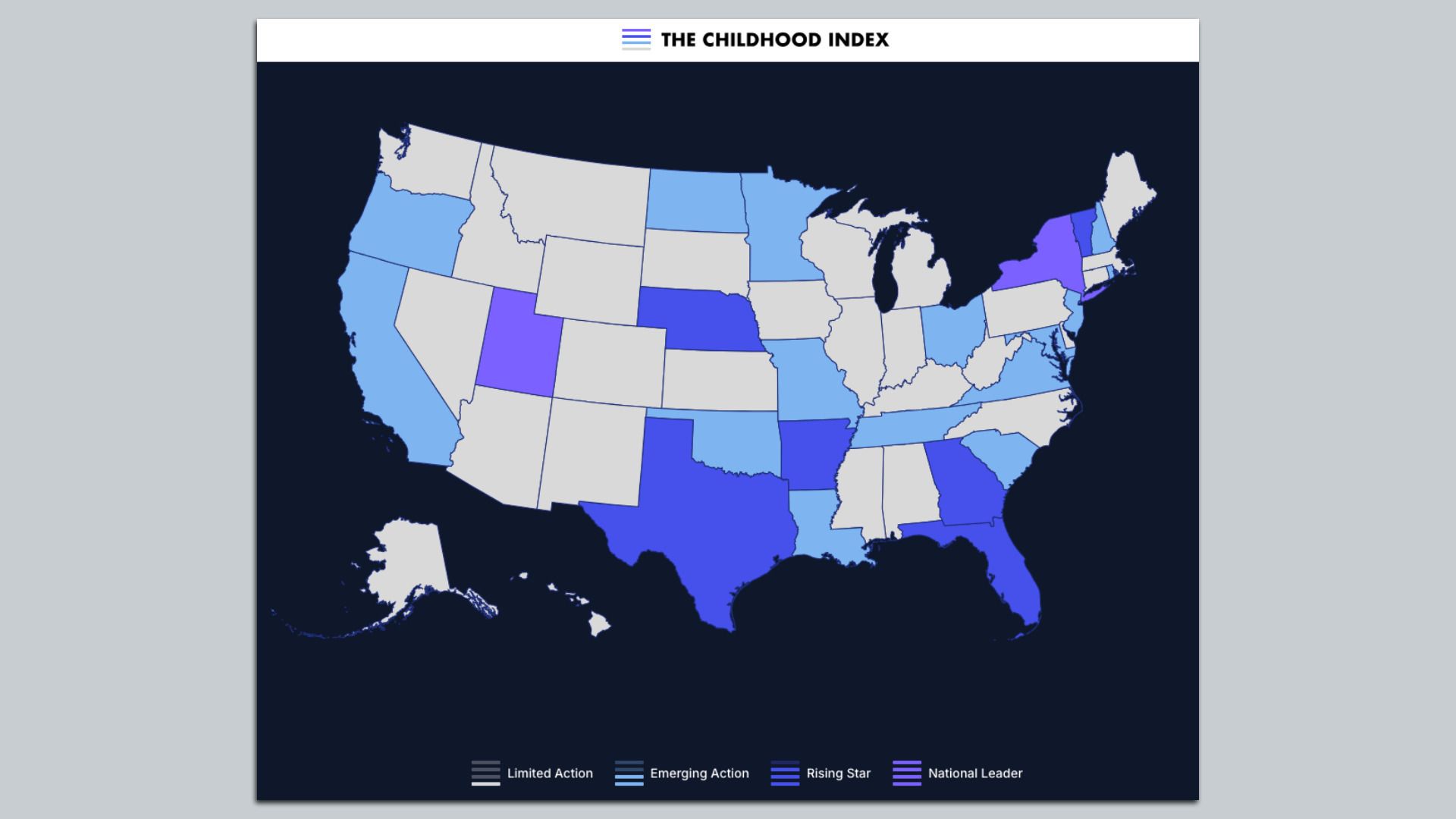
New York and Utah are leading the nation on children's well-being, according to a new 50-state ranking of policy, leadership and family perceptions called The Childhood Index.
Why it matters: Lack of federal oversight has forced states to step in and fill the gap as concerns about addictive social media algorithms and technology's impact on children have mounted.
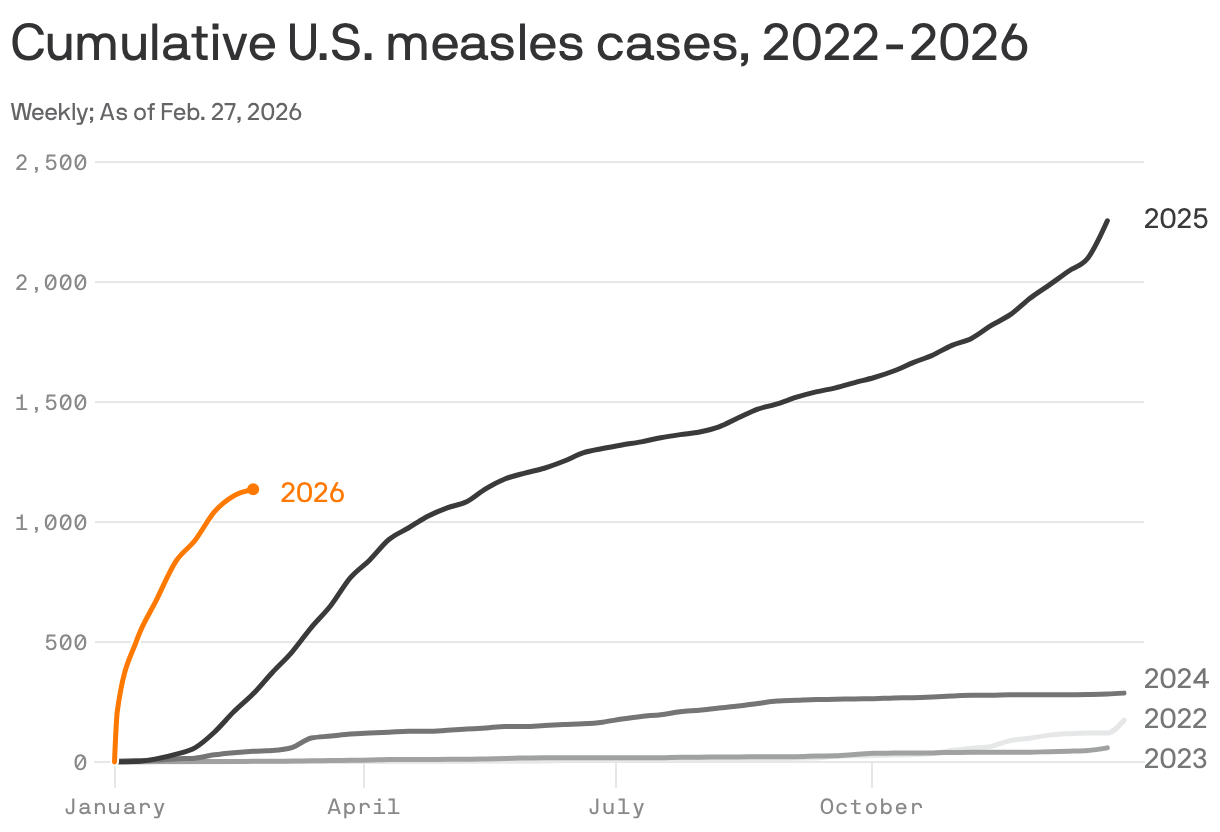
A surge of recent measles cases nearing half of the 30-year high recorded in 2025 is stoking more criticism of the Trump administration's lukewarm endorsement of vaccines.
Why it matters: There have already been more than 1,100 measles cases this year, overwhelmingly in unvaccinated people, putting the U.S. at risk of losing its measles elimination status.
U.S. and Ecuadorian forces announced drug-trafficking military crackdown operations in Ecuador on Tuesday.
The big picture: U.S. Southern Command in a Tuesday night statement said the operations targeted "Designated Terrorist Organizations" and hailed the cooperation as "a powerful example of the commitment of partners in Latin America and the Caribbean to combat the scourge of narco-terrorism."
Security researchers used relatively simple jailbreaking techniques to trick the AI system powering Utah's new prescription refill bot.
Researchers were able to make the bot spread vaccine conspiracy theories, triple a patient's prescribed pain medication dosage, and recommend methamphetamine as treatment.
Why it matters: Critics warned this pilot could create safety risks — and researchers say the flaws persist, despite alerting the company in January.