High-tech bandages prompt Medicare lobbying clash

Add Axios as your preferred source to
see more of our stories on Google.
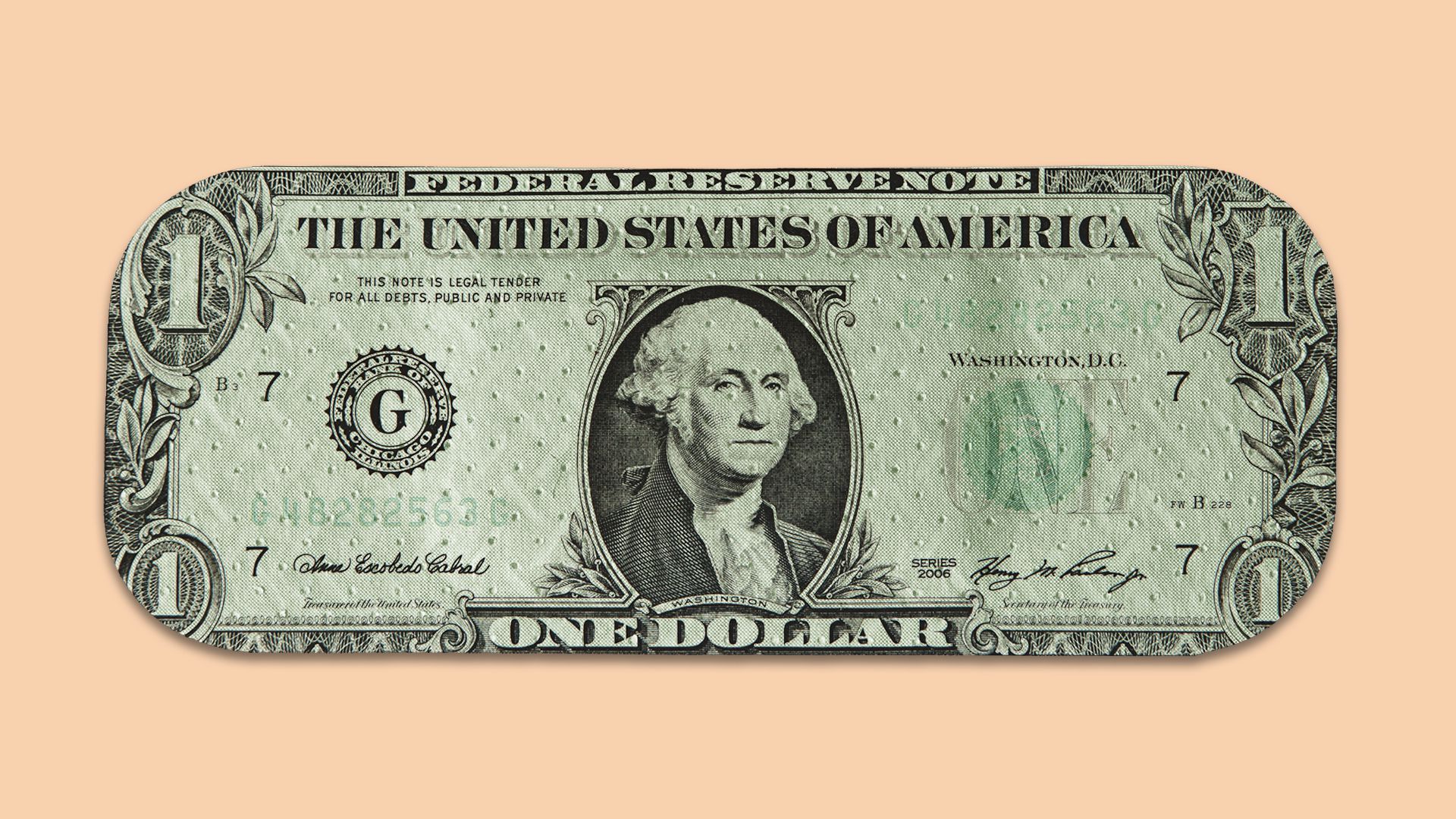
Illustration: Sarah Grillo/Axios
Manufacturers of pricey wound-care products are squaring off with alliances of hospitals, doctors and other providers who care for Medicare patients over an effort to curb program spending on the high-tech bandages.
Why it matters: Politically connected interests have a lot riding on the market for "skin substitutes" — which has been dogged by accusations of suspicious spending and patient harm and is expected to top $15 billion this year per a new analysis by the National Association of Accountable Care Organizations.
Driving the news: Medicare administrators are considering a plan to change the way the program pays for skin substitutes that are used for purposes like covering diabetic sores.
- Medicare under the new system would pay a flat fee of about $125 per square centimeter for the bandages, which it expects would cut spending by $9.4 billion next year.
- But bandage-makers say that could jeopardize patient access to the bioengineered grafts. They've enlisted the help of Ballard Partners, a firm with close ties to the Trump administration that's earned hundreds of thousands from firms connected to the issue this year, per Open Secrets.
- "Manufacturers will not sell skin substitutes at a loss, and treating providers will not purchase skin substitutes if the reimbursement amounts are insufficient," the MASS Coalition, an industry group, wrote in a comment letter to Medicare administrators.
- A final decision on the payment change is expected by next month.
Between the lines: The Trump administration earlier this year scuttled a Biden-era policy to rein in Medicare spending on the bandages after a skin substitutes company donated $5 million to the MAGA Inc. PAC, the New York Times reported.
- Accountable care organizations — alliances of Medicare providers who get financial incentives to decrease spending and improve care quality — say the flat fee payment change is crucial and that the current system with limited oversight has fueled widespread misuse and questionable billing practices.
- "Every dollar wasted on ineffective, exploitative care is a dollar diverted from seniors who truly need it — and from strengthening Medicare's long-term solvency," advocacy group Accountable for Health wrote on its website.
- It also cites examples of patients getting multiple applications of skin substitutes without other crucial care, sometimes resulting in life-threatening infections.
The intrigue: Wound care companies have stepped up activities with a decision looming. One, Organogenesis, increased its lobbying budget to $300,000 for this year's third quarter, a 55% boost from this time last year, according to WP Intelligence.
- And Oliver Burckhardt, CEO of a skin substitutes manufacturer, Extremity Care, that donated millions to Trump's PAC, attended a private dinner at the White House last week.
- Some providers, like the American Podiatric Medical Association, disagree with the policy, too.
What they're saying: "I think [CMS officials] are supportive" of changing the payment system for skin substitutes, said Accountable for Health CEO Mara McDermott.
- But "the manufacturers have a lot of money to throw at this problem, and they have a lot to lose, and they have a lot of firms, it seems, working on this," she added.
