Billions at stake in growing feud over high-tech bandages

Add Axios as your preferred source to
see more of our stories on Google.
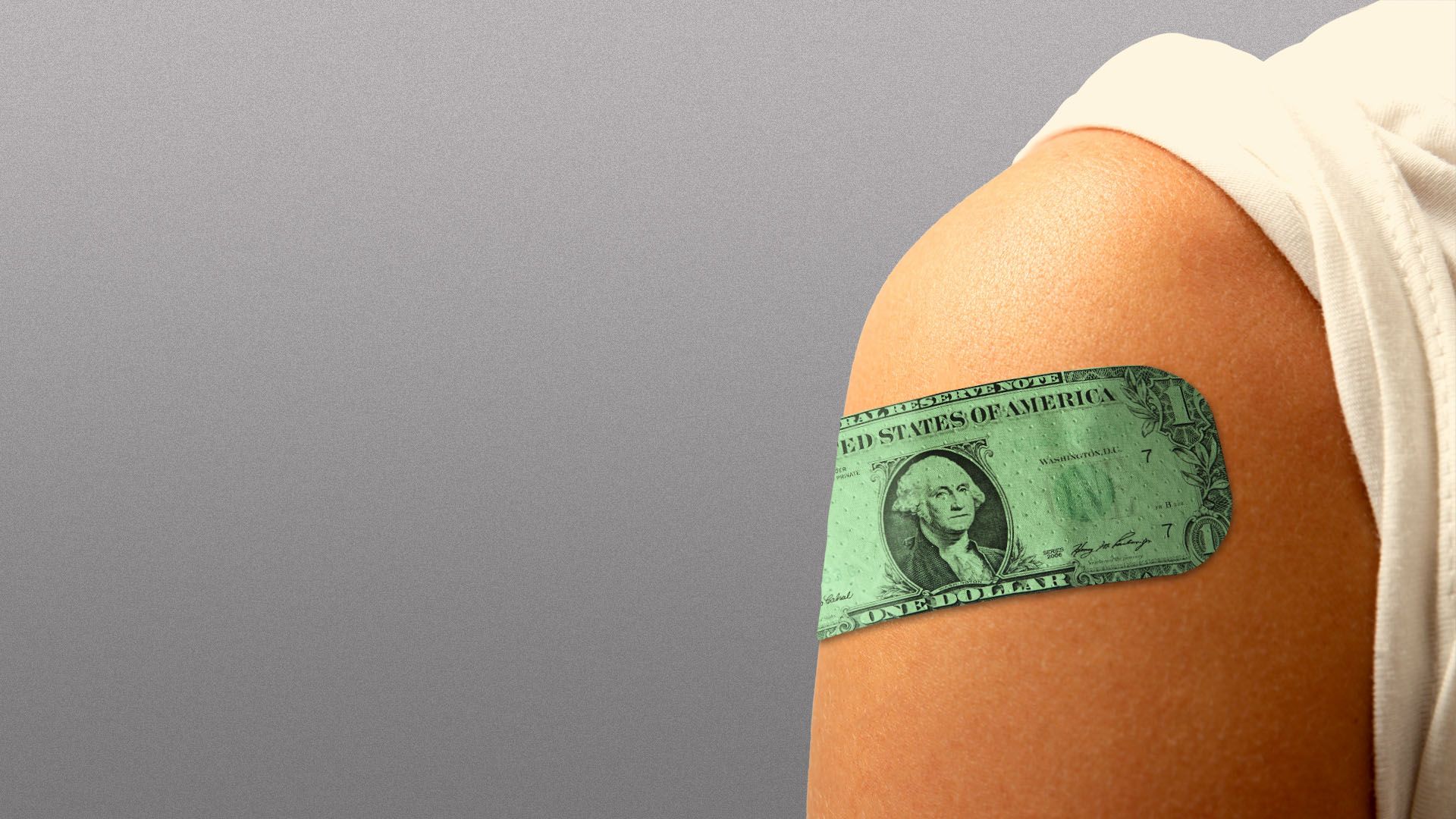
Illustration: Sarah Grillo/Axios
Trump administration efforts to tamp down Medicare spending have spawned a high-stakes legal fight over bioengineered wound-care products used for purposes like covering diabetic sores.
Why it matters: So-called skin substitutes are a massive cost driver in health care, and this will be a test of the federal government's ability to actually bring spending down.
- Medicare officials' change is expected to cut spending on the skin substitutes by an estimated $19.6 billion this year after outlays ballooned fortyfold in five years, accompanied by accusations of suspicious spending and patient harm.
- But biotech manufacturers are fighting back, in a case that could become a bellwether for the Trump administration's broader moves to address waste and fraud in the medical system.
State of play: A coalition of manufacturers is challenging the decision to pare Medicare payments in court, saying it's arbitrary and goes against laws outlining how Medicare pays for biologics.
- The average price per square inch for the bandages used on diabetic ulcers and severe burns reached nearly $6,000 last year, per a New York Times investigation.
- Medicare officials finalized the payment change in the face of heavy lobbying from wound care companies aided by Ballard Partners, a firm with close ties to the Trump administration.
The lawsuit has been assigned to U.S. District Court Judge Reed O'Connor, who's known for invalidating federal health regulations, mostly from Democrat administrations.
- "These companies developed life-saving skin substitute products with the expectation that those products would be reimbursed by Medicare under the regulatory framework Congress mandated more than 20 years ago," the lawsuit says.
The other side: Centers for Medicare and Medicaid Services administrator Mehmet Oz said at a health conference this week that he's "highly confident" the administration will prevail.
- "There's good vendors out there, I'm quite sure," Oz said. But, he added, most skin substitutes "had no data that would support them being continued on any formulary."
- Oz maintained that CMS could have pushed for even tougher limits on payments than the approximately $127 per square centimeter cap it imposed.
- "We think this is a good space to be in to provide innovation to the American people without allowing fraud," he said.
The intrigue: Before its latest Medicare change, the Trump administration last year scrapped a Biden-era policy to reduce Medicare spending on the bandages after a skin substitutes company donated $5 million to the MAGA Inc. PAC, the Times reported.
- The latest change isn't sitting well with some in Congress.
- "I'm concerned that the approach of setting a very low payment rate without specifically targeting problematic providers may be harming patients," Rep. Buddy Carter (R-Ga.) said during an oversight hearing last month.
- He and three other lawmakers introduced a bill last year that would have taken aim at groups identified to be outliers driving big cost increases.
The new reimbursement rates that went into effect this year are so low that some care facilities have stopped offering the bandages, said Rachel Hold-Weiss, a partner at law firm Benesch, who represents providers.
- "There are fraudsters in this industry, but the good providers are really suffering as well," she said.
Yes, but: Networks of hospitals and doctors that take responsibility for Medicare patients' total cost of care are already reporting a decline in skin substitute spending this year, showing that the payment change is having its intended effect, said Aisha Pittman, senior vice president of government affairs at the National Association of ACOs.
- "If reversed, the flawed approach would cause harm to patients, providers, and taxpayers, and threaten the solvency of Medicare," Pittman said in an email.
What we're watching: A decision striking the payment change could have a ripple effect in other parts of Medicare.
- For example, flat rates the administration proposed for Medicare Advantage insurers in 2027 rely on the assumption that the changes to bandage spending this year will significantly lower projected costs.
