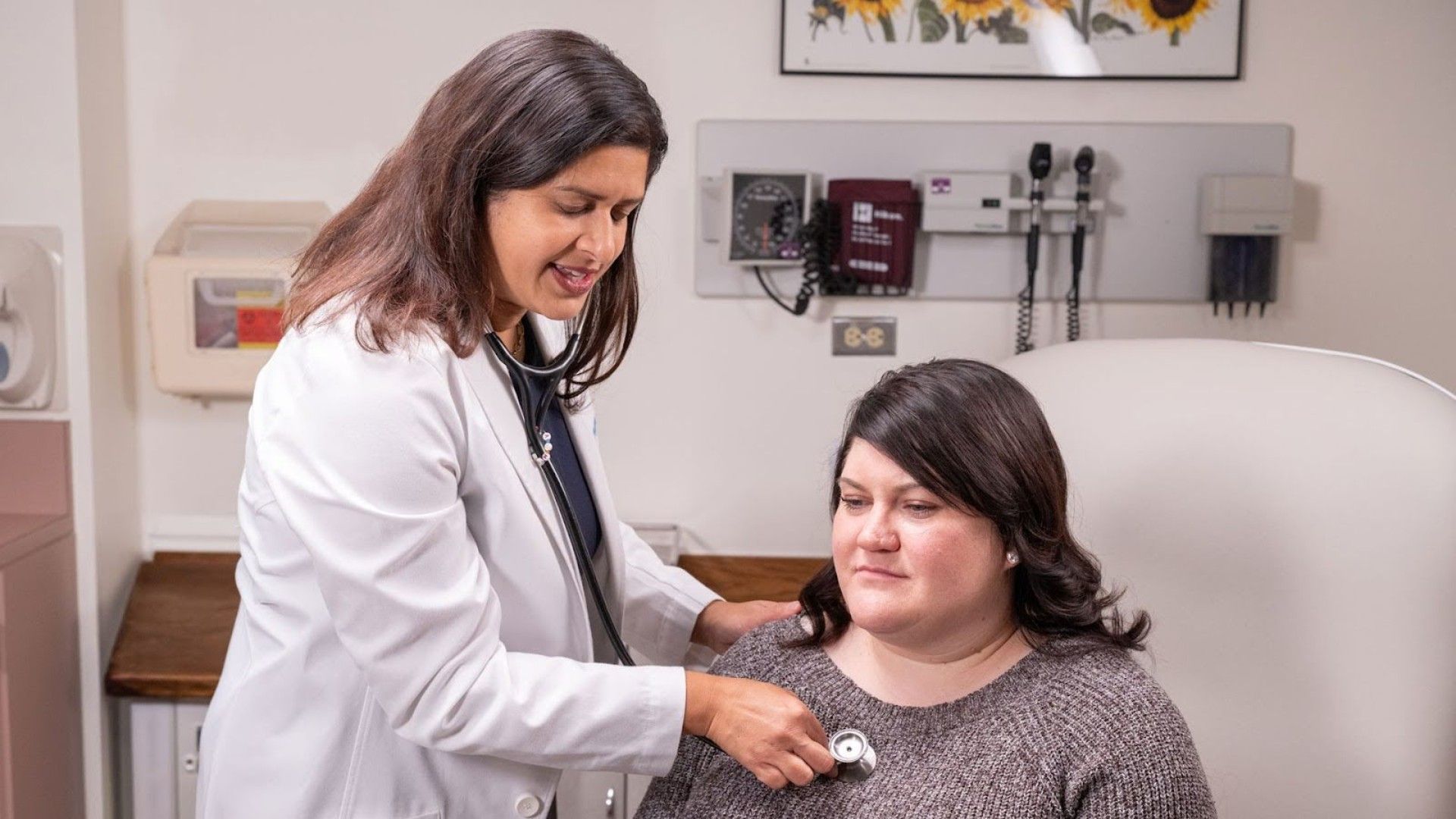
Cancer care rarely involves a single doctor or decision.
It often requires coordination among primary care physicians, oncologists, surgeons, imaging teams and specialists, and that complexity only increases when genetic risk enters the picture.
The solution: At Kaiser Permanente, care teams work within an integrated model that brings health care and coverage together, making it easier for clinicians to communicate, collaborate and adjust treatment plans as new information emerges.
The Trump administration is redoubling threats to crack down on fraud in state Medicaid programs, even as it faces a new lawsuit from Minnesota over its decision to freeze hundreds of millions of dollars owed to the state.
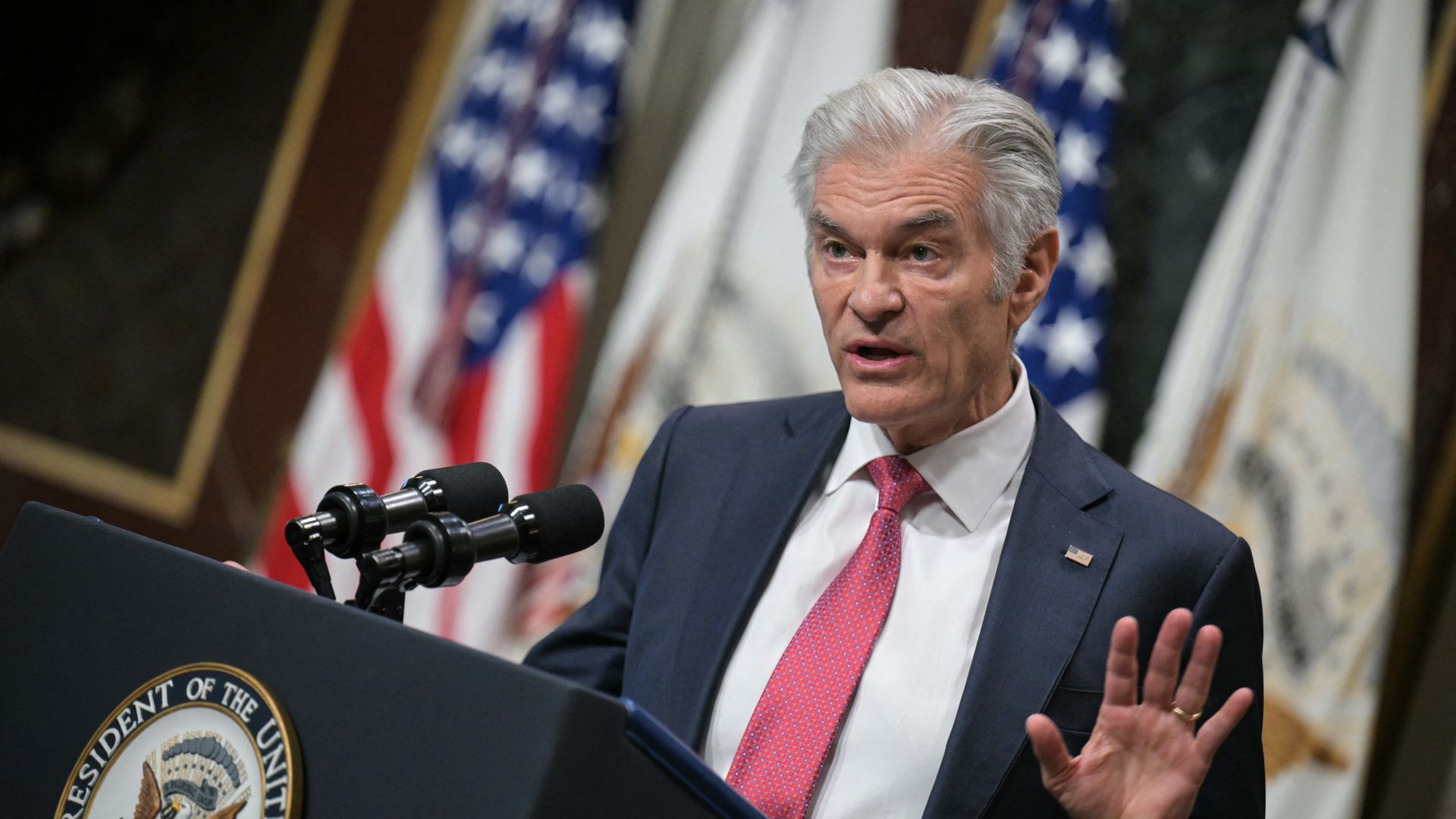
The big picture: Centers for Medicare and Medicaid Services administrator Mehmet Oz said at an event on Tuesday that the agency is "getting strict" on fraud in both Medicaid and Medicare and hinted that the agency could expand efforts to other states.
A new Consumer Reports investigation found heavy metals in more than half of the infant formulas it tested — despite the Food and Drug Administration's pledge last year to tighten oversight.
Why it matters: Infant formula can be a baby's only source of nutrition — heightening the stakes of any contamination concerns.
Hospitals are increasingly billing health plans for more complex care than they actually provide, according to a new analysis of Blue Cross Blue Shield claims from 2022 to 2025.
Why it matters: The so-called coding intensity balloons health care spending, and it corresponds with an increase in hospital use of AI to help document patient visits.
The Food and Drug Administration's rejection of several new drugs for rare diseases has alarmed patient advocates and pharmaceutical companies, some of which are publicly accusing the agency of inconsistent standards and unrealistic regulatory requirements.
Why it matters: Experimental rare disease therapies already face complicated logistical and financial hurdles, even when the path for approval is predictable.
Changes to SNAP work requirements outlined in President Trump's "One Big, Beautiful Bill Act" went into effect Sunday.
Why it matters: The changes mark a historic cut to the social safety net — which experts say could leave more people hungry and uninsured — even as Trump frames the new requirements as a victory for his administration's handling of the affordability crisis.
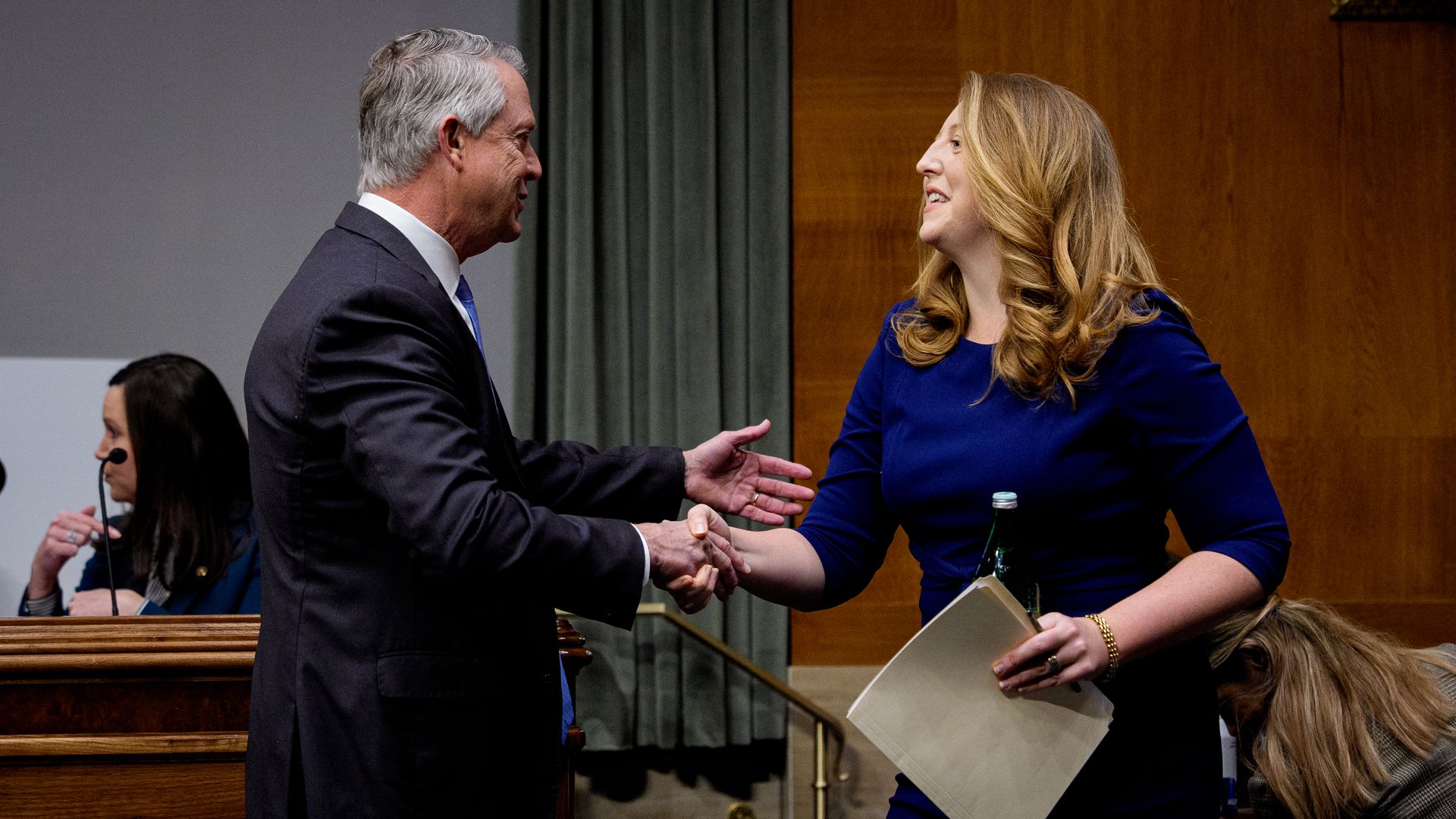
Some key Republican senators are undecided on whether to advance the nomination of President Trump's pick for surgeon general after she ducked tough questions on her vaccine views during a confirmation hearing last week.
Why it matters: Nutrition influencer Casey Means can't lose any Republican votes in the Senate health committee, assuming all of the panel's Democrats oppose her.
New doctors are increasingly moving away from specializing in infectious diseases as the prevalence of vaccine-preventable illnesses like measles and whooping cough ticks up.
Why it matters: The Trump administration's cuts to public health funding and its overhaul of federal vaccine policy may be putting even more of a damper on a field that took the brunt of the COVID-19 pandemic.