A Colorado patient's path through coordinated cancer care

A message from: Kaiser Permanente
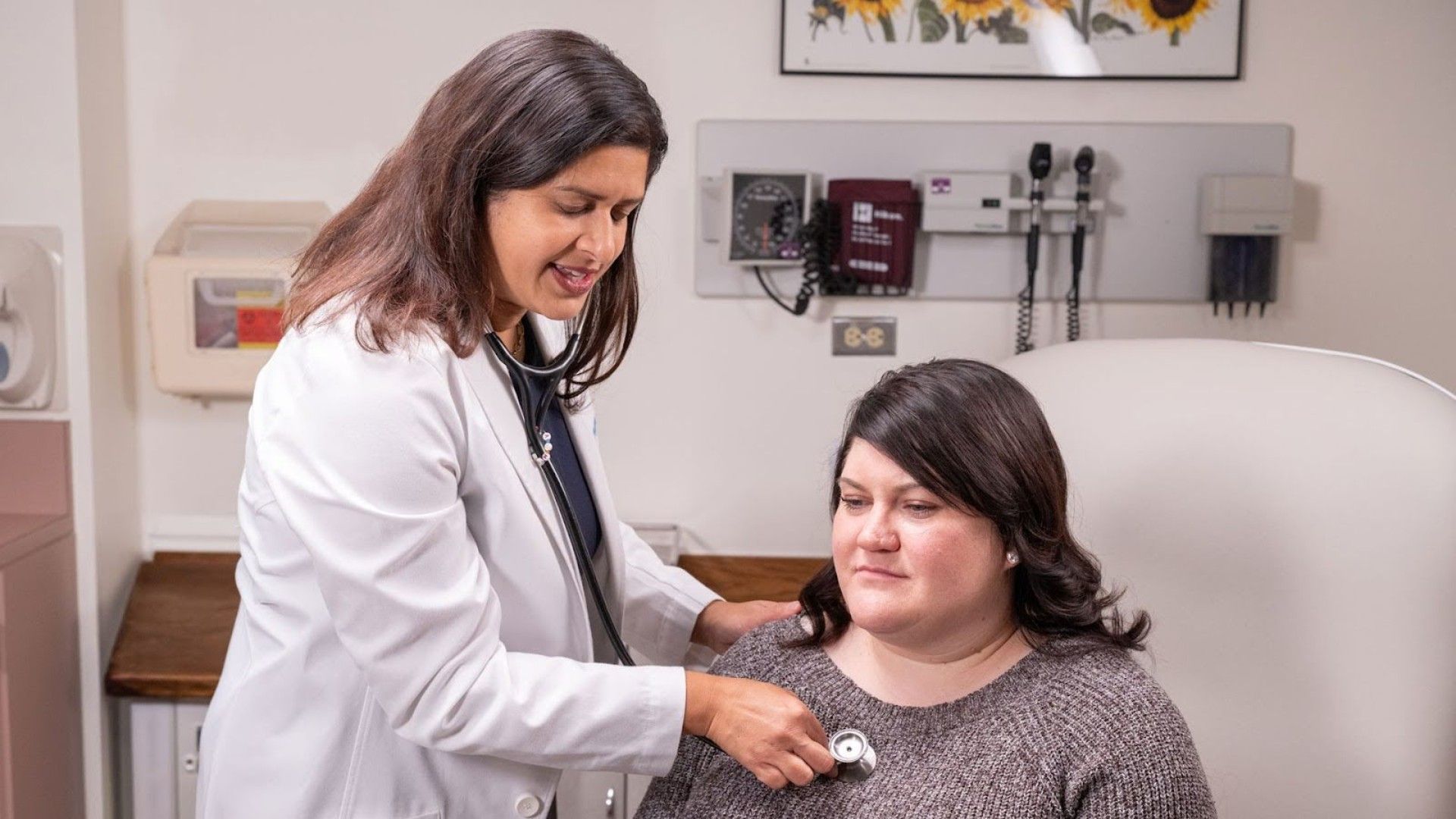
Cancer care rarely involves a single doctor or decision.
- It often requires coordination among primary care physicians, oncologists, surgeons, imaging teams and specialists, and that complexity only increases when genetic risk enters the picture.
The solution: At Kaiser Permanente, care teams work within an integrated model that brings health care and coverage together, making it easier for clinicians to communicate, collaborate and adjust treatment plans as new information emerges.
An example: When Courtney Freeman learned she had breast cancer, her care moved quickly — from imaging to surgery to treatment planning — all within Kaiser Permanente's system.
- That coordination became even more critical when her genetic testing revealed Lynch syndrome, prompting her care to continue beyond cancer treatment to long-term screening and prevention across multiple specialties.
The background: Lynch syndrome occurs when genes responsible for correcting DNA errors do not function properly, increasing cancer risk. .
- For patients diagnosed with cancer at a young age or with a family history of cancer, genetic screening can uncover risks that might otherwise go undetected.
Rather than restarting the process with a new set of providers, Freeman's oncologist referred her to OB/GYN Sonia Novotny, MD, who joined her broader care team and helped design a long-term screening and prevention plan.
- "I first met Courtney after her breast cancer diagnosis," Novotny said. "We've been working together for two years now to do all the screening that comes with Lynch syndrome."
- "So far, everything has come back clean and negative," Freeman said. "I've been able to be preventative about it."
How it's done: Kaiser Permanente's integrated care model allows clinicians across specialties to work as colleagues, sharing information and coordinating next steps without delays caused by disconnected systems.
- "When I order a screening test and need feedback from oncology or another team, I can message them directly," Novotny said. "That helps ensure patients like Courtney get the best care from all of their teams."
The impact: That collaboration can reduce administrative burden at a time when decisions feel overwhelming.
- Instead of navigating referrals, records and follow-ups on their own, patients are supported by a coordinated network designed to move together.
- "Nothing ever got forgotten or missed," Freeman said. "If a referral needed to be made, one was made. Everything was done so quickly that I never felt like I had to worry about anything."
The takeaway: Kaiser Permanente's integrated approach supports patients through every phase of their journey — from diagnosis and treatment to long-term monitoring and prevention.
- It's part of why Kaiser Permanente members live longer following a diagnosis of cancer or heart disease, compared to the community.*
Hear more stories from Kaiser Permanente Colorado members and physicians.
*Elizabeth A. McGlynn, PhD, et al., "Measuring Premature Mortality Among Kaiser Permanente Members Compared to the Community," Kaiser Permanente, July 20, 2022.