The Food and Drug Administration's top vaccine regulator will leave the agency at the end of April, a Department of Health and Human Services spokesperson confirmed to Axios.
Why it matters: Vinay Prasad, director of FDA's Center for Biologics Evaluation and Research, has presided over controversial decisions including declining to review Moderna's new mRNA flu vaccine approval application — a decision that was later reversed.
Science Corp., a brain implant startup led by Neuralink co-founder Max Hodak, raised $230 million in Series C funding at a $1.5 billion valuation.
Why it matters: Science Corp. appears likely to bring the world's first computer-brain interface to market, initially in Europe, ahead of Neuralink or other rivals.
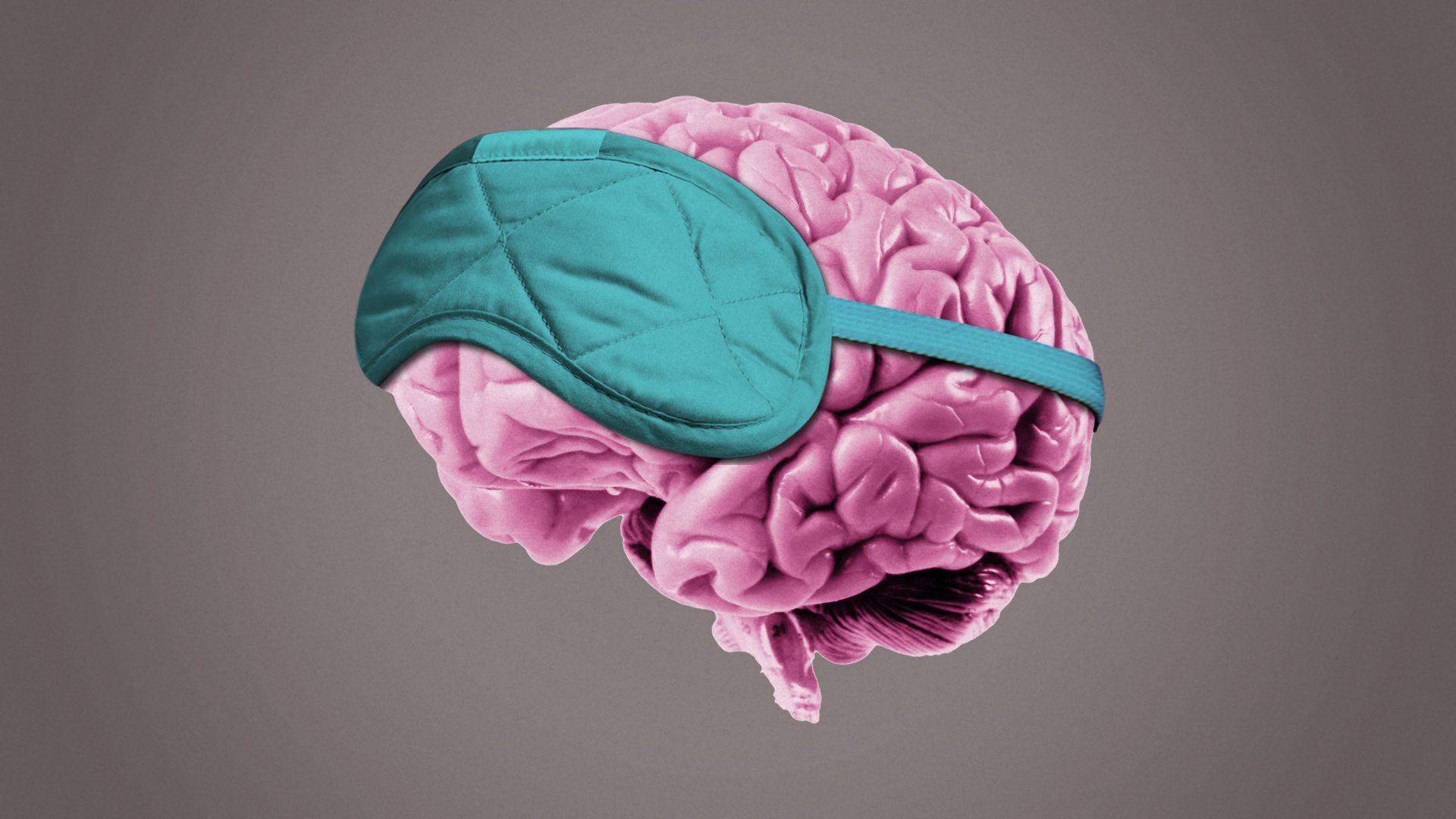
Pink noise — which is often used to mask environmental sound and induce sleep — might actually reduce REM sleep, a new study in the journal Sleep suggests.
Why it matters: Noise machines have become a go-to sleep aid, particularly for babies, but they might interrupt crucial processes for brain health and happiness.
From the researchers who brought you "workslop" comes another new term for an AI downside: "brain fry," defined as mental fatigue from excessive use or oversight of AI tools beyond one's cognitive capacity.
Why it matters: The rapid adoption of AI in the workplace — and the aggressive push from employers to use the technology — is frying the minds of those who use it most intensely.
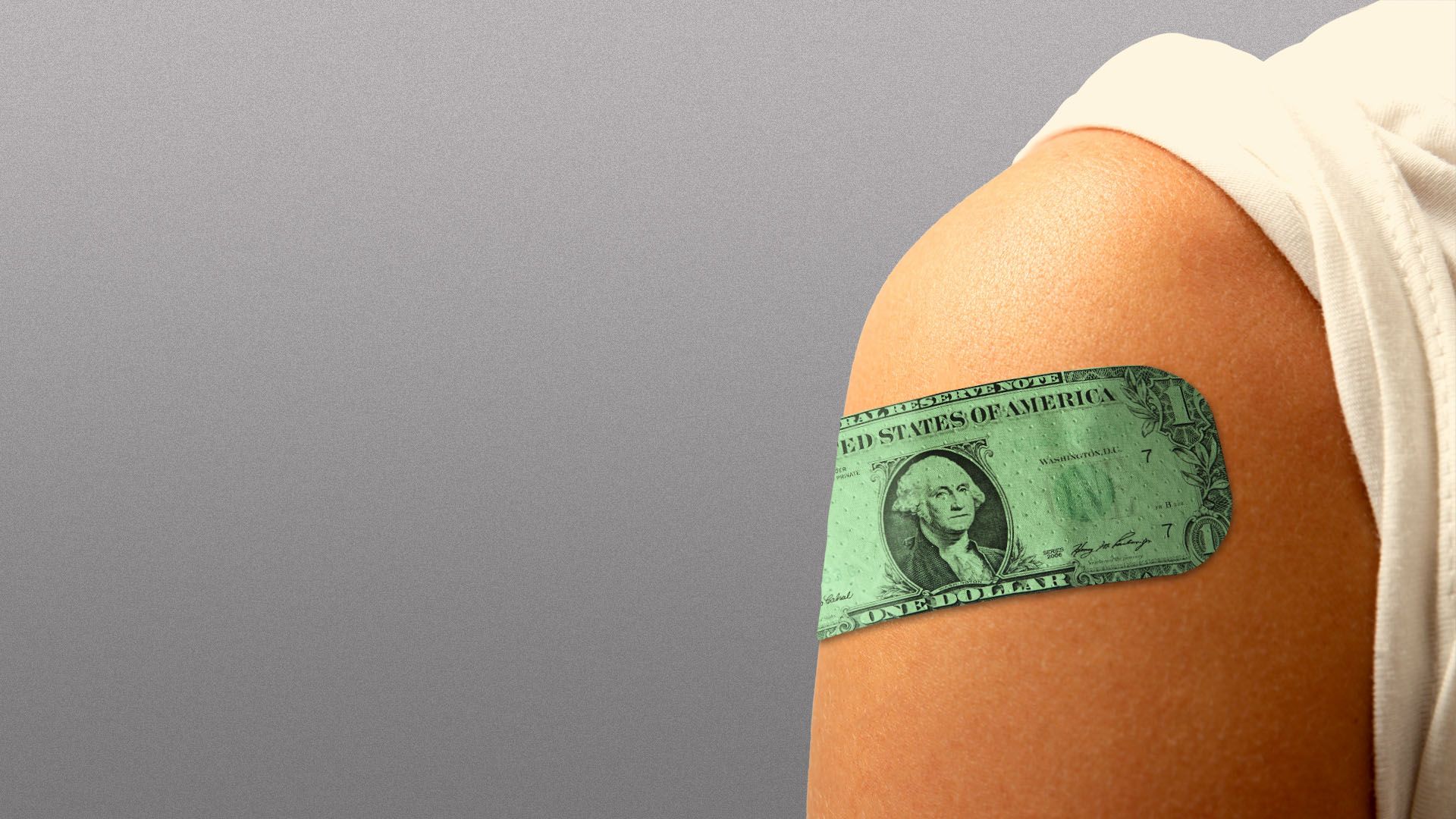
Prices of common drugs for cancer, multiple sclerosis and other conditions can vary widely depending on the hospital where they're administered, research firm 3 Axis Advisors said in a new report.
Why it matters: Hospital pricing remains opaque, and it's possible for the same drug at the same hospital to have a dozen different prices on the same day, according to the findings prepared for the nonprofit Patient Rights Advocate and provided first to Axios.
Trump administration efforts to tamp down Medicare spending have spawned a high-stakes legal fight over bioengineered wound-care products used for purposes like covering diabetic sores.
Why it matters: So-called skin substitutes are a massive cost driver in health care, and this will be a test of the federal government's ability to actually bring spending down.