Saturday's health stories

Killed "THC loophole" could hurt states, businesses, cannabis advocates say
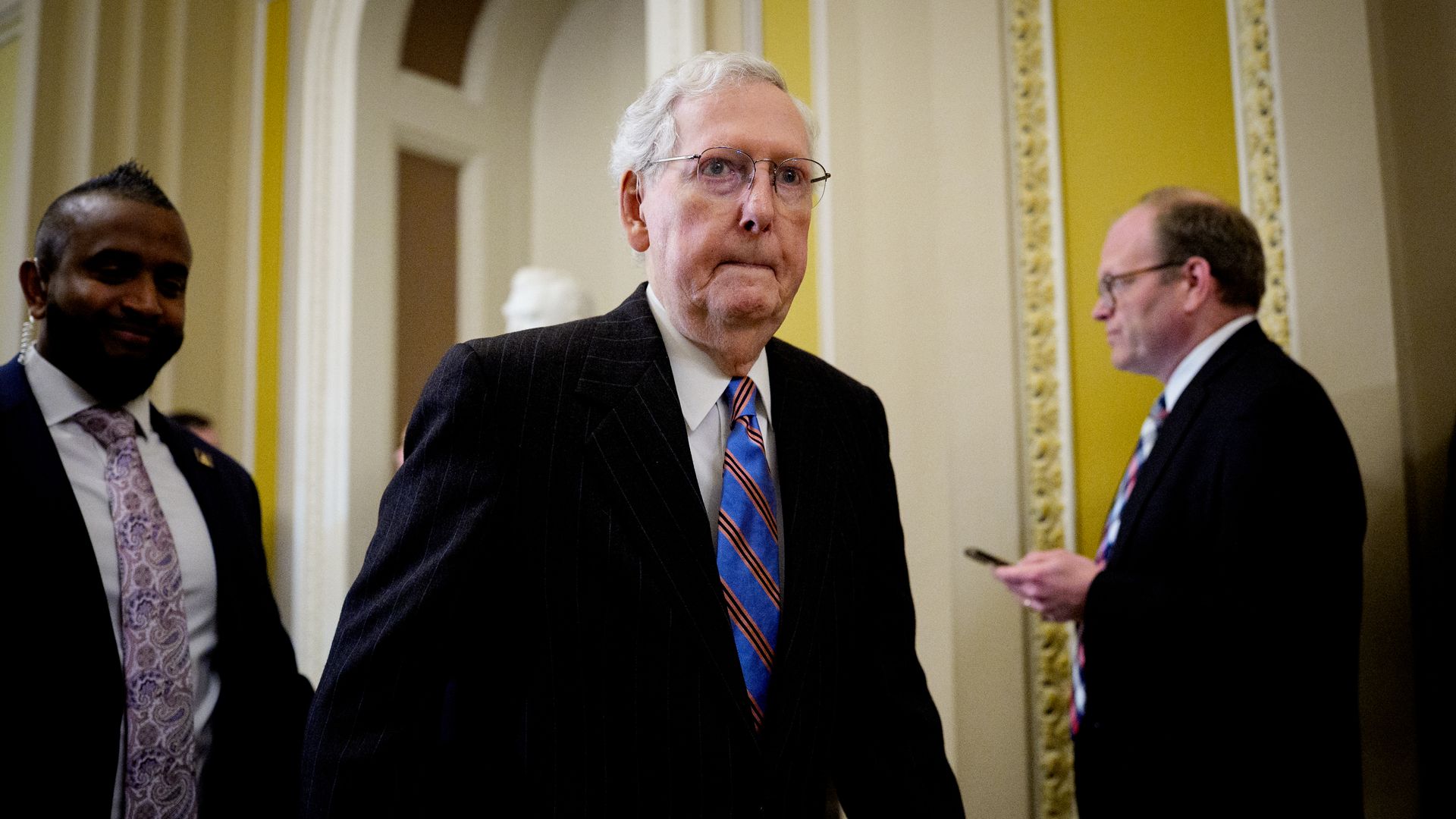
Congress rallied to pass a spending bill that ended the record-long government shutdown, but it came with a price: much of the legal cannabis industry.
The big picture: A last-minute provision in the spending bill criminalized many hemp-derived products, despite the objection of businesses, lobbying groups, and lawmakers with stakes in the $28 billion industry.

This new eye drop could help adults with age-related vision issues

A new once-a-day eye drop that can combat blurry vision is now commercially available in the United States.
Why it matters: These drops, previously approved by the Food and Drug Administration, could be a nonsurgical option for people who don't want to seek out LASIK or other procedures.


3 roadblocks for the Senate's last-ditch health care negotiations
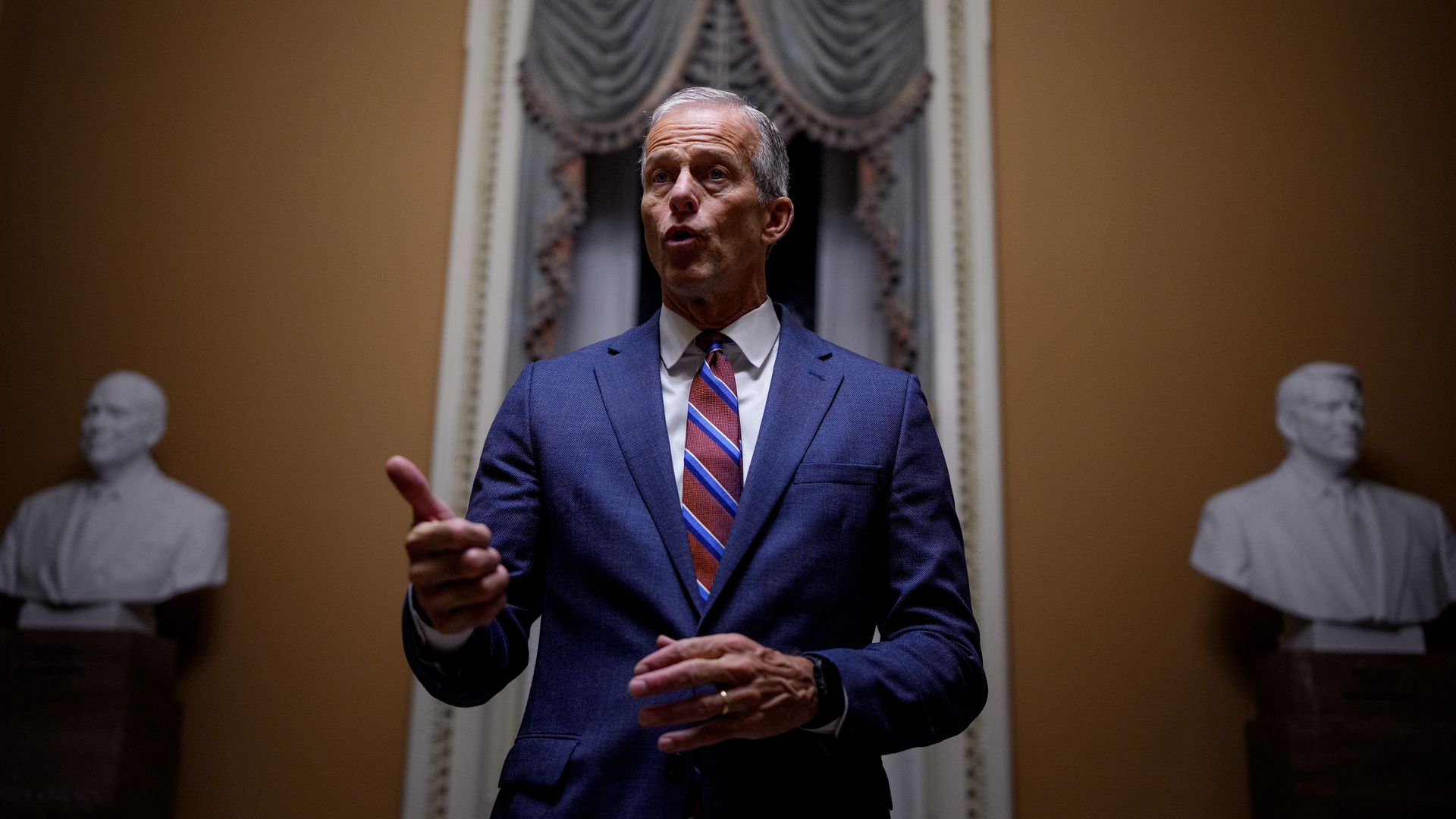
Millions of Americans have a huge financial stake in the next few weeks of Senate negotiations over the Affordable Care Act's enhanced tax credits.
Why it matters: Absent a deal, health care coverage costs could double next year for people who rely on ACA exchange plans.

Federal judge approves opioid settlement in OxyContin case

A federal bankruptcy judge on Friday approved a $7.4 billion bankruptcy settlement for OxyContin maker Purdue Pharma that will end years of litigation over the company's role in the opioid epidemic.
Why it matters: The plan ends the Sackler family's control of Purdue Pharma and states' litigation against the company and the family, but does not shield Sackler family members from future lawsuits stemming from the opioid crisis.
- The formal sign-off will come next week in U.S. Bankruptcy Court for the Southern District of New York.
- It follows more than a year of negotiations after the Supreme Court rejected a settlement that would have protected the Sackler family from future opioid-related lawsuits.
"Today cements the end of a long chapter, and brings us very near to the end of the book for Purdue," said Purdue board chairman Steve Miller.
- The company's assets will be transferred to a new company called Knoa Pharma, which will be oriented around addiction treatments and addressing the opioid crisis.
Catch up quick: Purdue Pharma, which the Sackler family owned privately, became a focal point of the opioid crisis because of the way it aggressively marketed OxyContin despite rampant abuse of the painkiller.
- The company filed for bankruptcy in 2019, and in 2021 a court approved a bankruptcy plan that would have protected the Sackler family from future opioid-related lawsuits.
- After a U.S. district court overturned that order, state attorneys general negotiated a new $6 billion settlement. That deal was overturned by the Supreme Court.
The bankruptcy proceedings drew more than $40 trillion in creditor claims against the company, per Bloomberg.
- Under the revised deal, the Sackler family will contribute about $6.5 billion to be distributed over 15 years, with the majority going to states in the first three years.
- Purdue lawyer Marshall Huebner told the court he wished he could "conjure up $40 trillion or $100 trillion to compensate those who have suffered unfathomable loss," AP reported.
- Absent that, he said: "The plan is entirely lawful, does the greatest good for the greatest number in the shortest available timeframe."

The FDA's self-fulfilling prophecy trap
Top Trump administration health officials came into office alleging that the Food and Drug Administration failed to follow the best science, operated in secrecy and was too beholden to industry.
- Such accusations have, if anything, become more frequent since then.
Why it matters: Critics say some of the agency's recent actions have put its status as the world's most respected drug regulator at risk — undermining the administration's stated goals and making it less likely that people will have confidence in its future decisions.
- "They made it seem like FDA was a problematic agency that people didn't trust and didn't have confidence in, and that just wasn't the case," said Raymond James analyst Chris Meekins, a health official in the first Trump administration.
- "They've created an environment where there's increased uncertainty that's jeopardizing investment and future innovations for patients."
State of play: There has been a lot of FDA news in recent weeks, particularly around the departure of top drug regulator George Tidmarsh amid corruption charges. Tidmarsh has denied the allegations and blamed a toxic culture at the agency.
- The FDA has also been busy removing the boxed warning from hormone treatments, announcing a new pathway for gene-editing therapies that aim to treat a single patient and beginning the process for approving a new treatment for autism symptoms.
- It also created a new priority review voucher program and reportedly disappointed a couple of biotechs with updated drug approval requirements.
The common thread is nearly all of the actions have been criticized by experts, watchdog groups or even more traditional conservative allies as deviating from established regulatory or scientific processes, possibly at the risk of undermining public trust in the agency.
- One of the recurring criticisms of the agency is that its decision-making has been inconsistent.
- "There seems to be an interest in trying to get things done through the least amount of process," said one former FDA official. "All of those things lead to a public perception that the agency is making things up as it goes along."
The FDA has reasons for what it did in the past, and could justifiably be criticized for being being too slow and bureaucratic, said Robert Steinbrook, Health Research Group director at Public Citizen.
- "But the underlying processes of reliance on robust clinical trials, usually more than one, and thoughtful internal and external process ... the very fact that you go through an open, public process of questioning and debate, that leads to better decisions," he said.
- "The general approach of rushing things, of going first through media and op-eds and television before announcements are made, and to not start with the medical, the specific ... that just does not inspire confidence," Steinbrook added.
And inconsistency itself has been blamed for fostering a climate of unpredictability for biotech investors and drug companies.
- A recent Wall Street Journal editorial blasted the agency's handling of two rare disease drug candidates and accused it of having "arbitrary and shifting standards."
The other side: "No FDA in history has produced so much regulatory innovation in such a short span, or been as transparent with the public. Axios' corporate-funded slop was not built to keep up with the intellectual rigor that embodies today's FDA," HHS Assistant Secretary for Public Affairs Richard Danker said in a statement to Axios.

Most oppose Trump's military strikes against alleged drug boats: poll
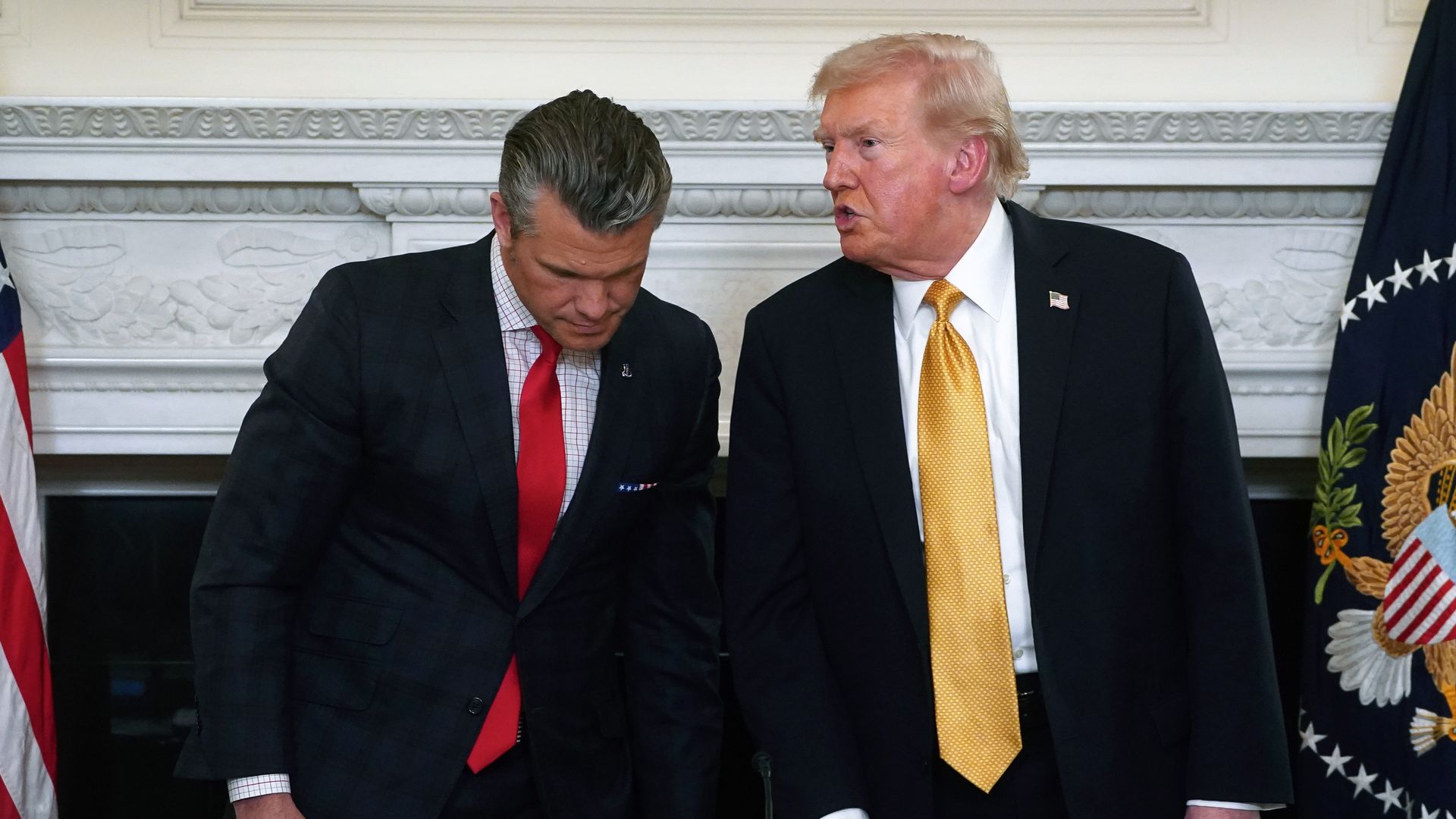
A majority of U.S. adults oppose the U.S. military killing suspected drug traffickers without judicial process, according to a new Reuters/Ipsos poll released Friday.
Why it matters: The Trump administration has carried out months of extrajudicial killings of dozens of alleged "narco-terrorists" in the Caribbean and East Pacific Ocean. The strikes, which Congress has not authorized, have drawn bipartisan condemnation from lawmakers and Latin American leaders.

Inside Consumer Reports' lead-testing quest
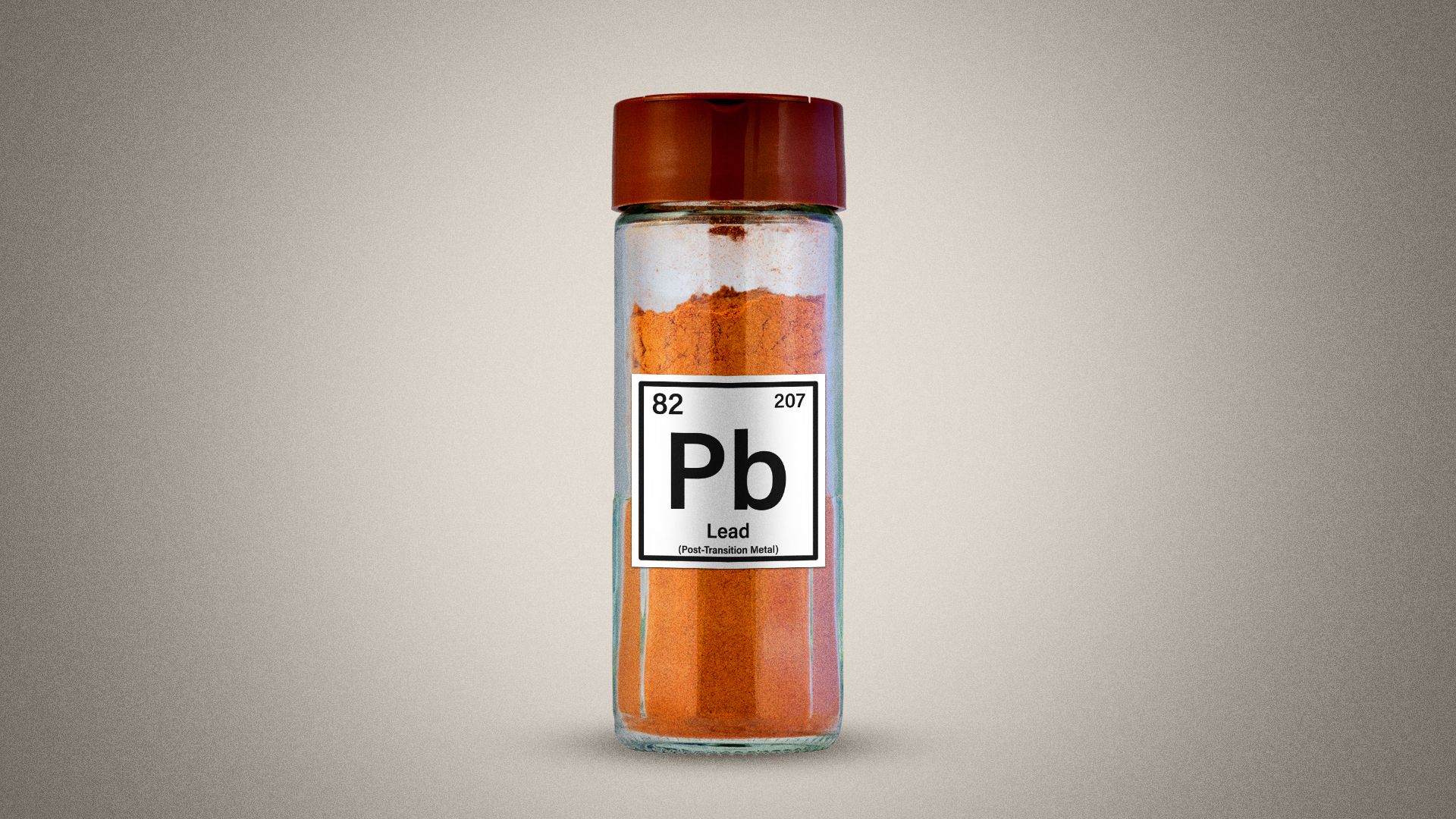
Some brands of common household items — think protein powder, cinnamon and cassava — have concerning amounts of lead, recent Consumer Reports (CR) testing has found.
Why it matters: CR's lead-testing campaign both fills a consumer protection need and reminds us that food and supplement vetting doesn't always go as far as we might like it to.