President Trump and pharma giant AstraZeneca on Friday announced a deal to lower drug prices that largely tracks with a pact the White House struck with Pfizer last week.
Why it matters: It's a continuation of drug industry efforts to avoid tariffs or onerous new regulations without taking a big hit to profits.
AARP received $9 billion in royalties from UnitedHealthcare last year as part of an agreement to continue selling AARP-branded Medicare products, according to updated financial statements recently posted on the advocacy group's website.
Why it matters: The disclosure sheds more light on a partnership dating to the 1990s between the nation's biggest health insurer and the largest seniors' group, which has nearly 38 million members age 50 and older.
The Trump administration is laying off additional federal health care workers during the government shutdown, the Department of Health and Human Services confirmed to Axios.
Why it matters: The cuts come after HHS Secretary Robert F. Kennedy Jr. has already pushed outthousands of scientists and health workers earlier this year.
President Trump and Russell Vought, director of the White House Office of Management and Budget, previously threatened mass federal worker layoffs during the shutdown.
What they're saying: "HHS employees across multiple divisions have received reduction-in-force notices as a direct consequence of the Democrat-led government shutdown," a spokesperson confirmed to Axios.
HHS did not immediately confirm how many staffers have received layoff notices or which offices were affected.
Zoom in: A contingency plan released last month said nearly 32,500 HHS employees, or more than 40% of the workforce, would be considered non-essential and would be furloughed in the event of a government shutdown.
"All HHS employees receiving reduction-in-force notices were designated non-essential by their respective divisions. HHS continues to close wasteful and duplicative entities, including those that are at odds with the Trump administration's Make America Healthy Again agenda," HHS said in a statement Friday.
The Consumer Price Index for September will publish Oct. 24 despite the government shutdown, the Bureau of Labor Statistics announced Friday.
Why it matters: Resuming the release demonstrates the political power of Social Security — the CPI is crucial to determining Social Security's annual cost of living adjustment, known as COLA.
The Senate late Thursday voted to cut off taxpayer funding to certain Chinese biotech companies deemed to pose national security risks.
Why it matters: The push for the Biosecure Act shows how national security concerns are making their way into the health care sector as Congress focuses on competition with China.
The CDC's vaccine advisory committeethis week announced the creation of a working group to review the childhood vaccination schedule, including the timing and order of different vaccines and the safety of certain ingredients.
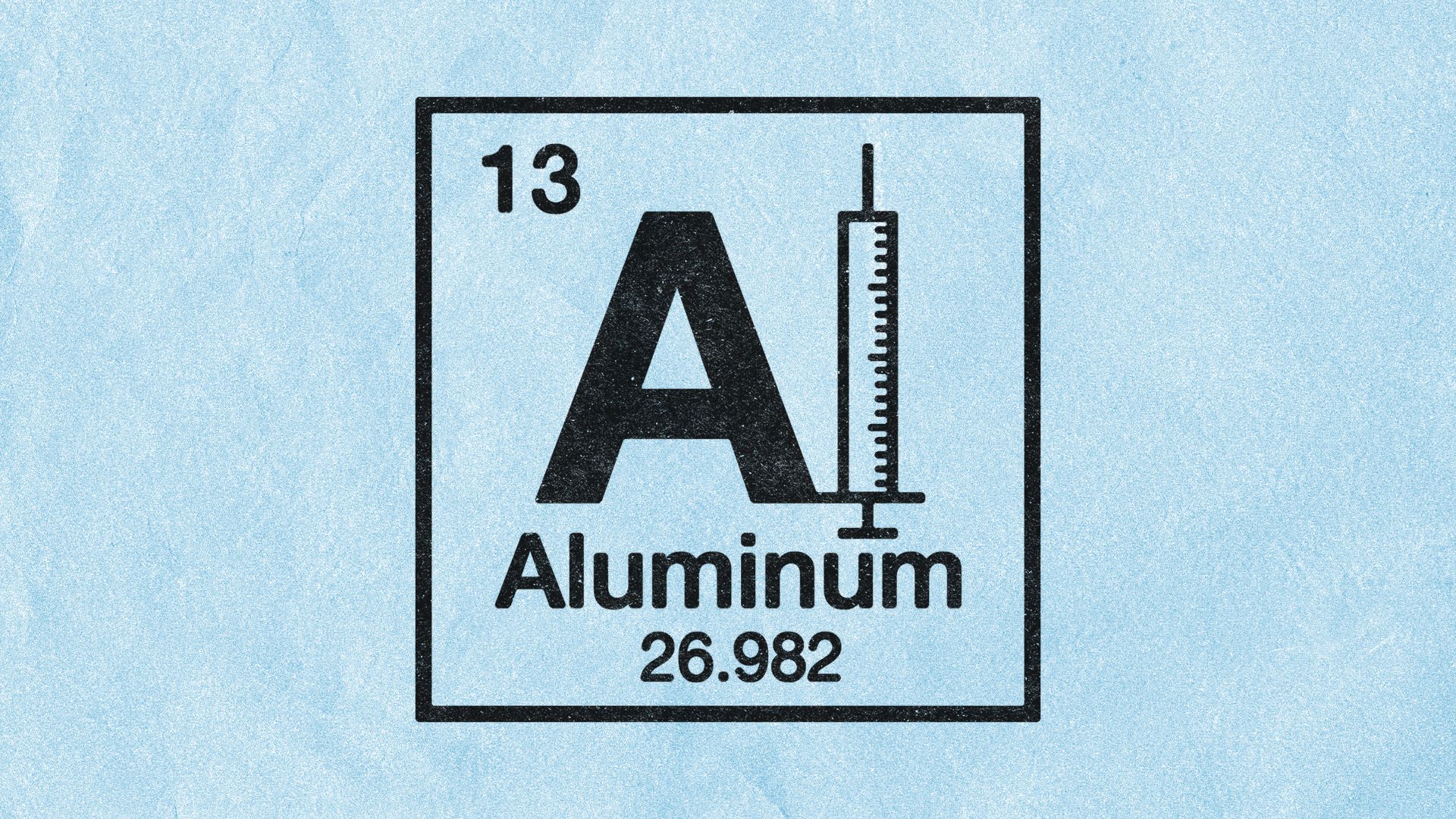
An example topic for discussion, per the document, would be whether "either of the two different aluminum adjuvants increase the risk of asthma?"
The big picture: Vaccine skeptics, including Health Secretary Robert F. Kennedy Jr., have long questioned the scientific consensus that the small amount of aluminum used in vaccines is safe. Now, the federal government is poised to reopen the safety debate and potentially add guardrails.
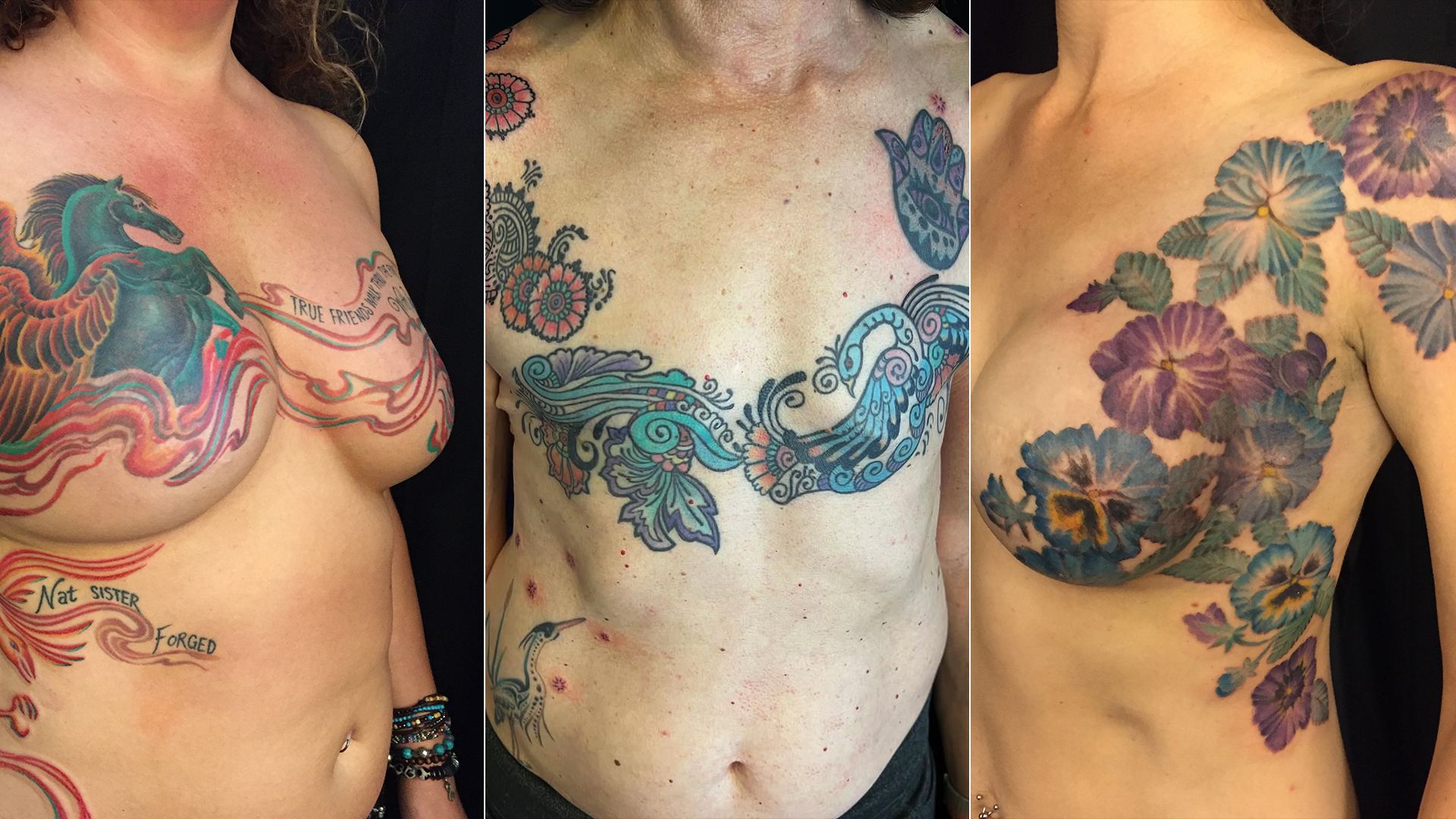
Fifteen years ago, tattoo artist Amy Black got an unusual request: Could she ink a realistic-looking nipple?
Why it matters: That question came from a breast cancer survivor who'd undergone reconstruction. The answer was yes, and the results were life-changing — both for the client who loved the tattoo and also for Black.
Black, whose studio is in Richmond, built a new specialty in mastectomy tattoos.
The niche is perfect for her unique background: She studied fine art oil painting with a focus on anatomy.
The big picture: Black's mastectomy ink "used to be 90% nipple tattoos," but now she sees an increasing number of survivor requests for decorative art, often on flat chests.
Designs often include florals, nature elements and mythical creatures, she says.
Birds are especially popular. Black has tattooed phoenixes, peacocks, herons and hummingbirds.
Some clients opt for tattoos along scar lines; others get ink from the shoulder to the opposite hip, Black says.
Photos: Courtesy of Amy Black
What we're hearing: Planning a tattoo post-surgery felt like "getting the last word on the way my body looks,"breast cancer survivor Kim Bowlestells Axios.
Bowles chose pothos vines and gladiolus flowers — symbols of resilience, strength and honor — to adorn her chest.
Why it matters: The decline marks a loss of trust after the Trump administration's politicization of one of the world's preeminent public health agencies.
Almost 14% of households across the country experience food insecurity. They are part of communities that regularly lack access to food, especially nutritious options like fresh fruits and vegetables. Healthier communities lead to healthier people.
U.S. hospitals performed more than 200,000 unnecessary back surgeries on older adults that cost taxpayers $1.9 billion, according to a new analysis of Medicare and Medicare Advantage claims data.
Why it matters: The findings from the Lown Institute track with earlier studies but come as Medicare administrators step up scrutiny of low-value services that often have limited effectiveness, by using clinical reviews and AI.
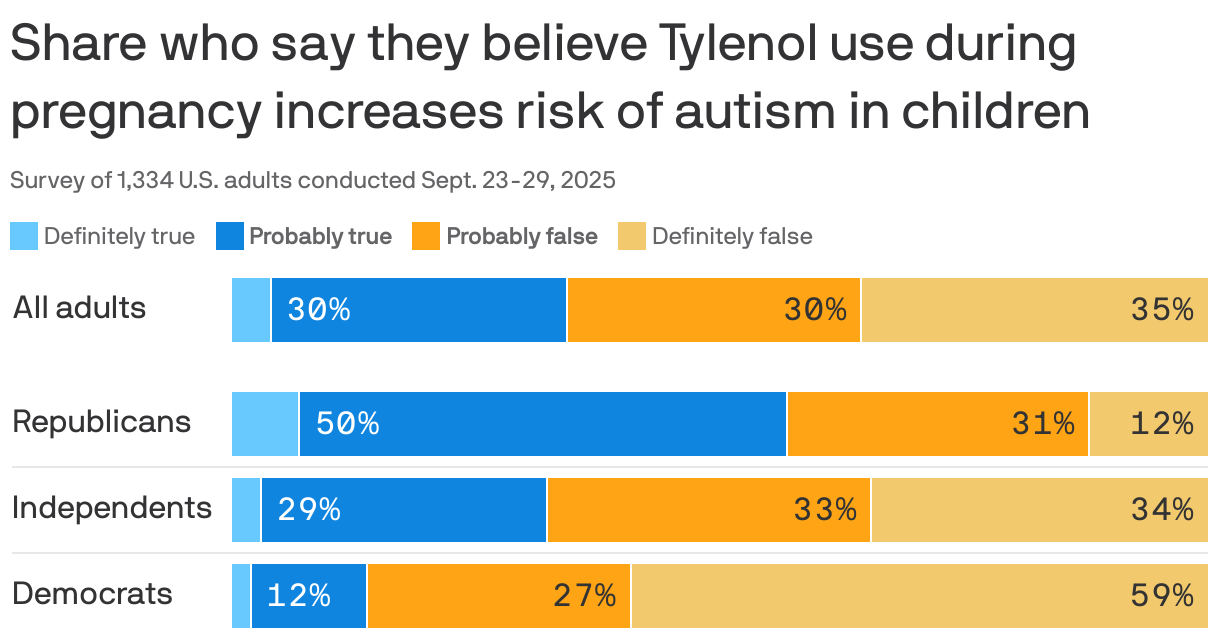
Most Americans aren't sure what to make of President Trump's claim that taking Tylenol during pregnancy can increase the risk of autism in children, but few are accepting it as fact, a new KFF poll finds.
Why it matters: There are deep partisan divisions on the question, just as there are on vaccines, the pandemic response and other health issues.
Drug companies' increasing willingness to negotiate deals with the Trump administration and voluntarily cut some prices may be making a splash, but the real-world impact will probably be underwhelming.
Why it matters: The pharmaceutical industry's compromises so far can be best viewed as attempts to avoid tariffs or undesirable regulatory action by the Trump administration. And it's anyone's guess as to whether they'll be successful.
The road to futuristic nuclear power is long and paved with… cancer drugs?
The big picture: Several nuclear startups are pursuing profits on offshoot products stemming from scientific innovations — such as ingredients in cancer-treating drugs — to fund long journeys toward profiting on their primary business.
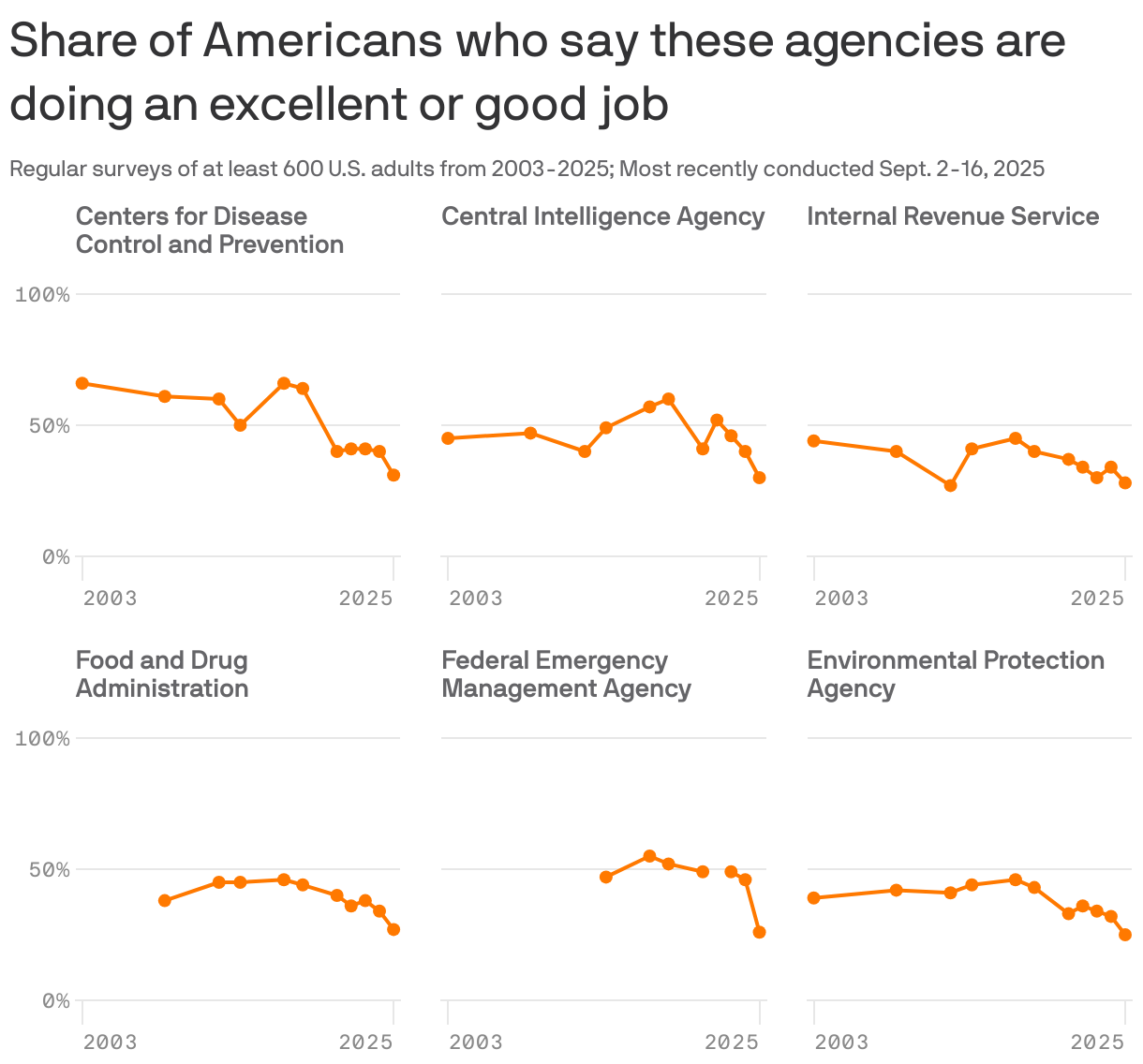
Americans' approval ratings for six major federal agencies — FEMA, CIA, CDC, FDA, EPA and the IRS — have dropped sharply since 2024, according to a Gallup poll released Thursday.
The big picture: Many of these agencies sit at or near their lowest approval levels in Gallup's records, which date back to 2003, signaling an overall increase in dissatisfaction toward the U.S. government.
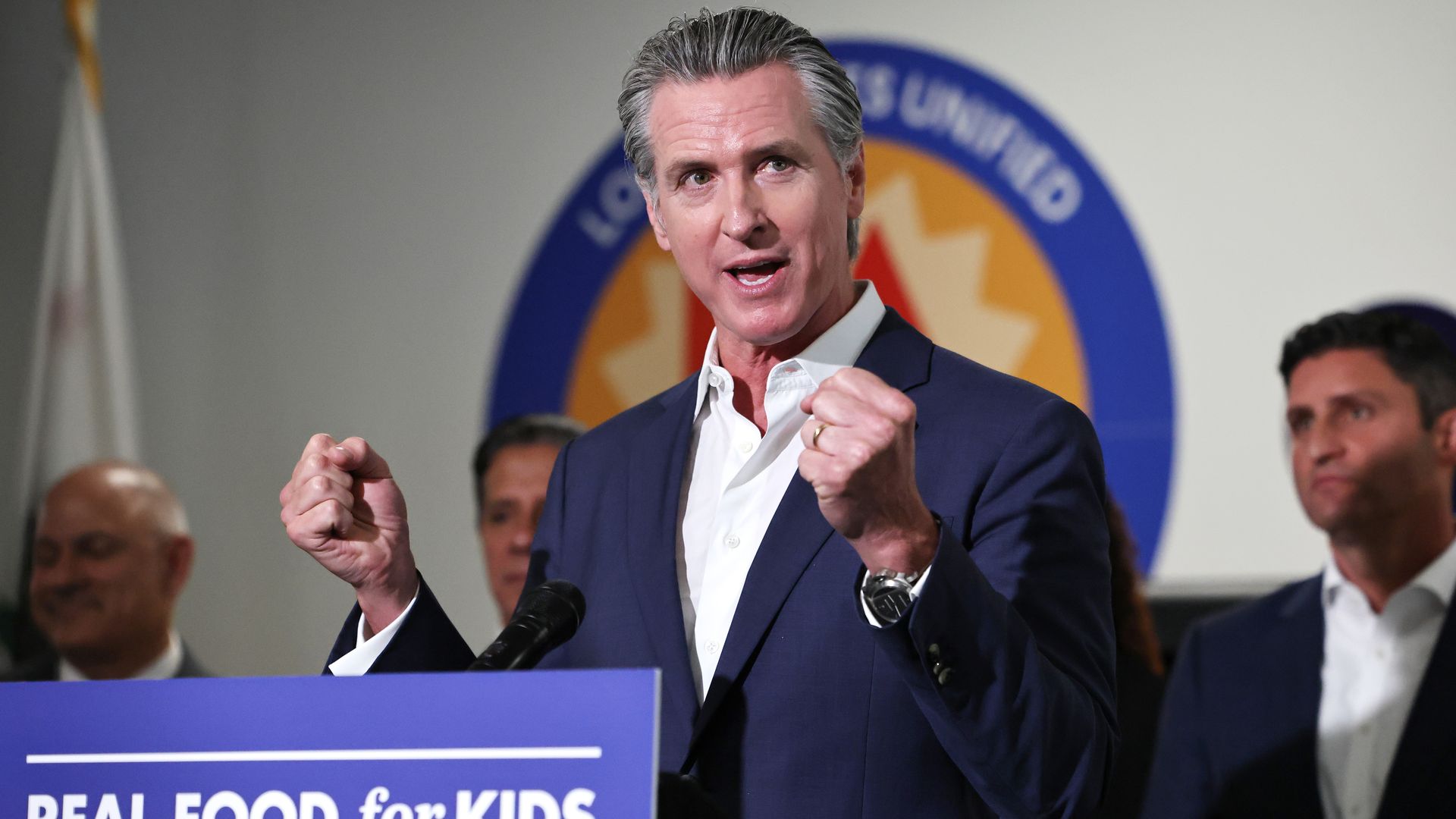
California Gov. Gavin Newsom signed legislation Wednesday to phase out "the most concerning" ultra-processed foods phased from school meals over the next 10 years, per a statement from the governor's office.
Why it matters: California is the first U.S. state to pass such a law and also the first to require that a statutory definition of ultra-processed foods (UPF) be provided.
Mel Robbins has built a media empire around giving people advice and coaching in simple, blunt, effective terms.
But for every piece of good guidance out there, there's plenty of bad advice too. Axios CEO Jim VandeHei interviewed Robbins for "The Axios Show" and asked her some of the worst tips she hears — and what to do instead.
Here are 3 truisms that just aren't true, according to Robbins, author of the bestselling "The Let Them Theory":