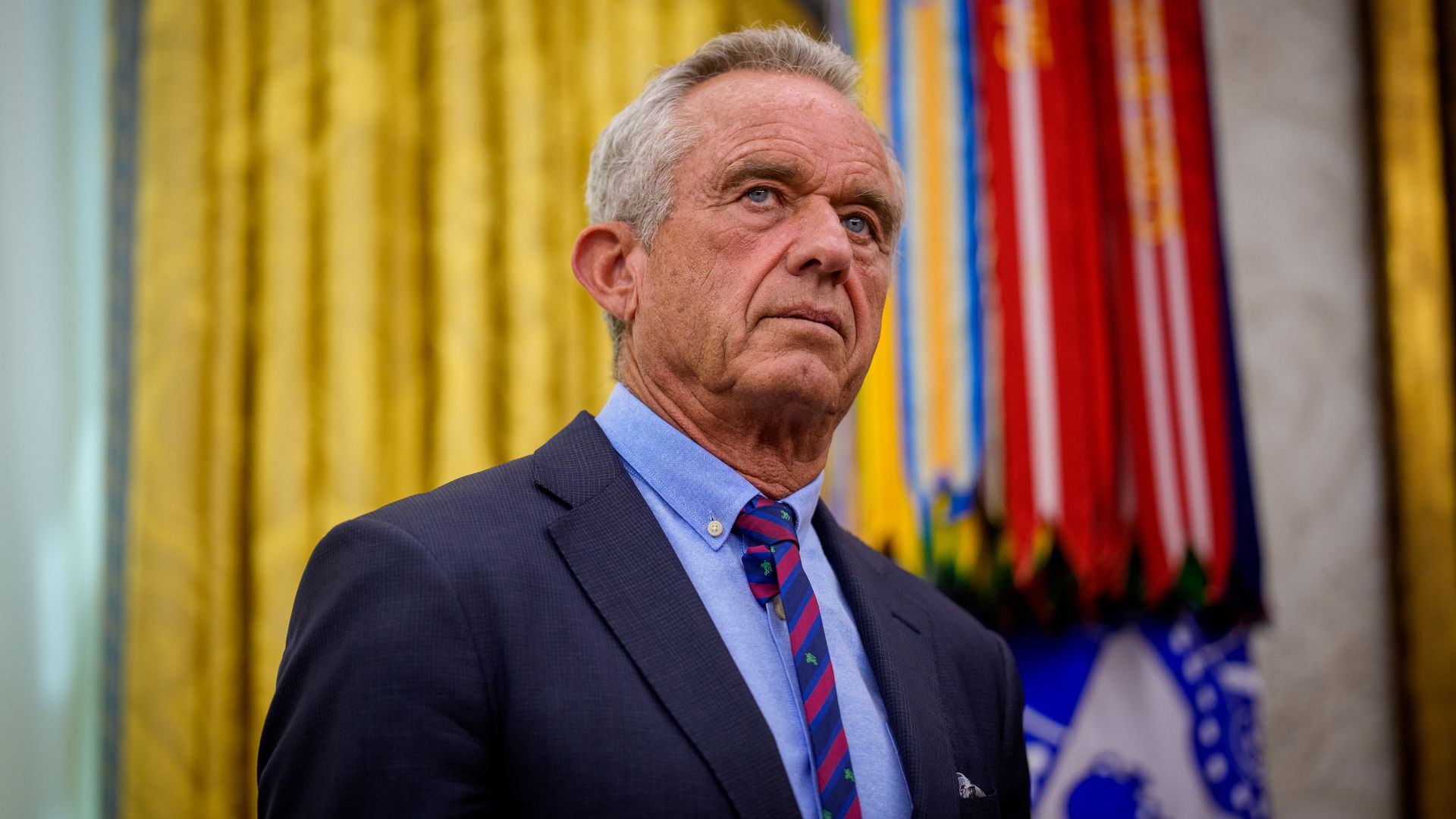
Major food companies haven't officially agreed to ditch artificial dyes despite Robert F. Kennedy Jr.'s push to ban them, though several of the nation's largest companies signaled they're committed to a conversation about it.
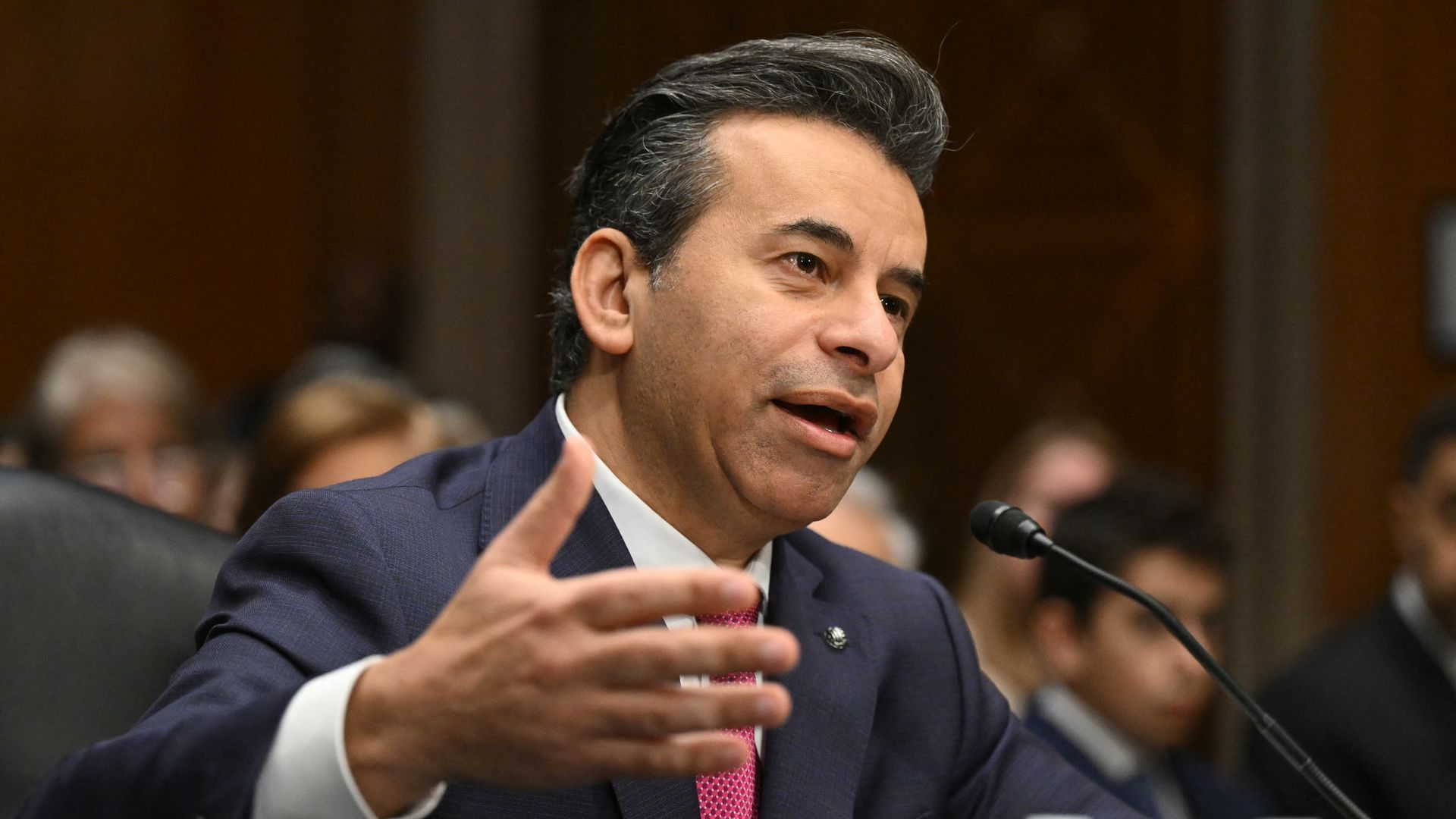
Why it matters: President Trump's Secretary of Health and Human Services announced Tuesday that the Food and Drug Administration is working with industry to eliminate synthetic dyes from the American food supply over the next two years.
A Trump administration budget proposal that calls to strike a number of programs from the federal health bureaucracy would also seek to eliminate funding for specialized crisis services for LGBTQ+ youth.
The big picture: The national 988 Suicide & Crisis Lifeline's LGBTQ+ Youth Specialized Services has received more than 1.2 million crisis contacts since 2022. Scrapping the program, advocates say, would put young people at risk.
Most American adults report having heard or read some false claims about measles or the measles, mumps, rubella (MMR) vaccine, according to a new poll out Wednesday.
The big picture: Misinformation about the virus and its treatment remains prevalent, and many are uncertain of the truth as the U.S. grapples with persistent outbreaks. As of last week, some 800 confirmed cases were reported across 25 states, according to the Centers for Disease Control and Prevention.
Fewer workers died on the job in 2023, though nearly 400 fatalities a day were still attributed to dangerous conditions, according to the latest installment of the AFL-CIO's annual health and safety report.
The big picture: The findings, first shared with Axios, come as the Trump administration moves to eliminate nearly all roles at the National Institute for Occupational Safety and Health, the Centers for Disease Control and Prevention's occupational safety arm and the only federal agency dedicated to researching worker health and safety, the union said.
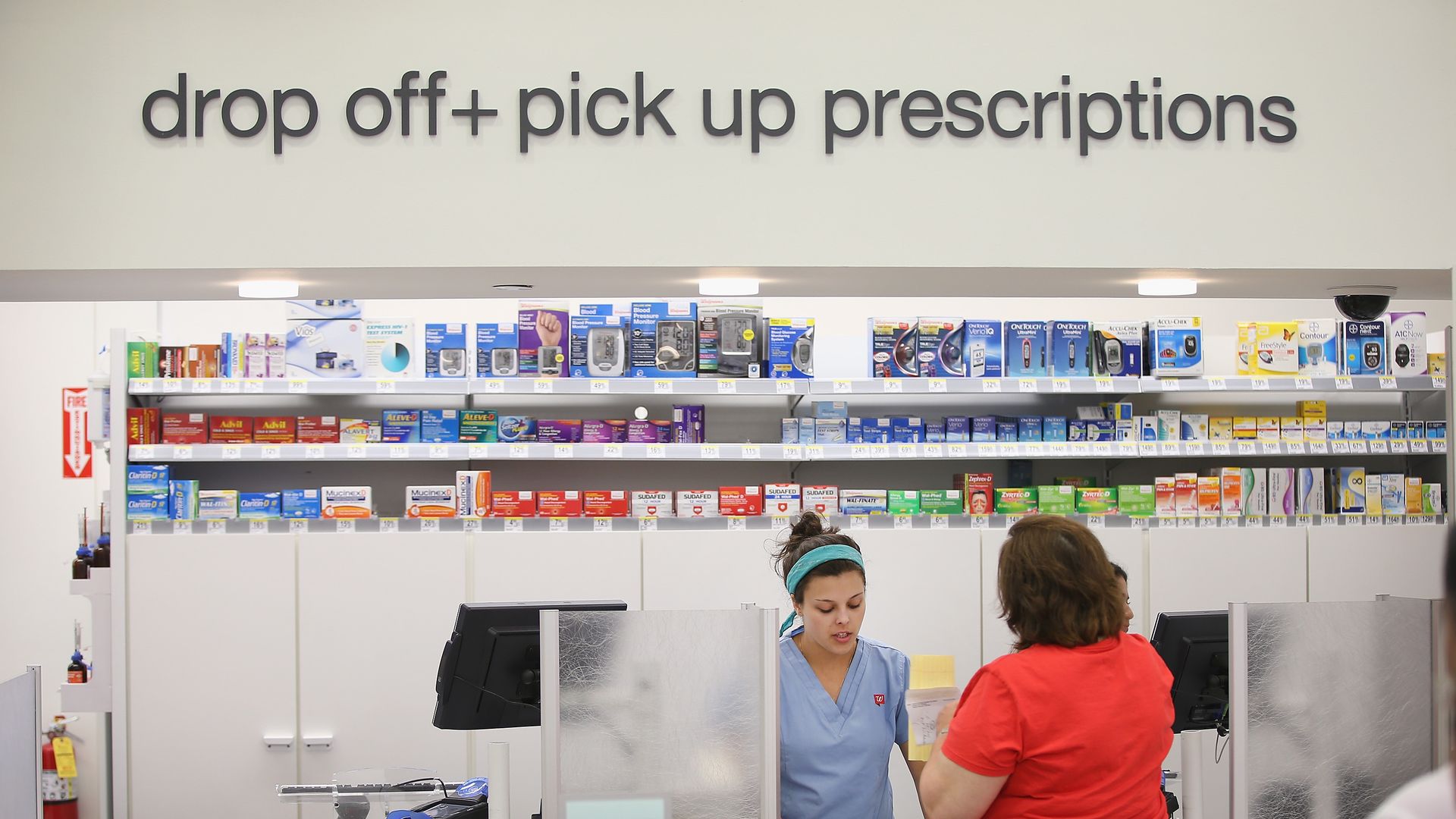
Walgreens is rolling out a new tactic to replenish its ranks of pharmacists: paying for current employees' college prep to better position them for pharmacy school.
Why it matters: Long hours, burnout and tuition costs are hindering pharmacy chains' ability to fill gaps in their ranks even as they position themselves to offer more services and patient monitoring.
Hundreds of vaccine researchers gathered in Washington, D.C., on Tuesday, still struggling to counter rising anti-vaccine sentiment and mistrust many blamed on top Trump administration health officials.
Why it matters: Researchers and manufacturers are facing federal funding cuts and other policy shifts, including a move by Health Secretary Robert F. Kennedy Jr. to consider removing COVID-19 vaccines from the government's schedule of recommended childhood immunizations, first reported by Politico.
There are growing signs that Trump-aligned forces are ready to go to war with House Republicans if they attempt to pass large Medicaid spending cuts.
Driving the news: New polling from a top Trump campaign pollster shared exclusively with Axios has found the Medicaid program is popular among all voters, including those who cast their ballot for Trump — yet another sign of the political peril of cutting it.
Nearly half of Americans are now exposed to potentially dangerous levels of air pollution, per a new report.
Why it matters: The findings, which predate the current Trump administration, come as the White House is reconsidering EPA rules and regulations meant to curb pollution and promote cleaner air.
The Trump administration on Tuesday moved to remove eight common artificial dyes from the food supply over the next two years, continuing HHS Secretary Robert F. Kennedy Jr.'s push to revamp what Americans eat.
Why it matters: The effort by the Food and Drug Administration is part of a broader push to target additives in sodas, snacks and processed foods that the administration contends are a risk to children's health, though decades of evidence suggests they're safe at the levels currently used.
President Trump has called himself the "fertilization president," but DOGE-directed cuts this month decimated Centers for Disease Control staff who track the safety, cost and outcomes of the nation's fertility clinics.
Why it matters: The CDC had been a source of unbiased information for families contemplating IVF or other assisted reproductive technologies, including estimates of of their chances for success.
The White House is emerging as a powerful ally of the burgeoning movement of people who want women to have more children, but there's little emphasis on the unique level of danger that birth poses in the U.S.
Why it matters: The U.S. population is aging, presenting complex economic and health care challenges that "pro-natalists" argue should be addressed through raising fertility rates. At the same time, the country is facing an ongoing maternal mortality crisis and a politically fraught debate over women's reproductive health that's had widespread ripple effects.