The Trump administration recast the White House's COVID information website on Friday to declare a virus leaking from a Chinese labas the "true origins" of the pandemic.
Why it matters: President Trump has pushed the lab leak theory since 2020 when he downplayed masking, testing and other measures to prevent the spread of COVID during his first term while his approval rating cratered.
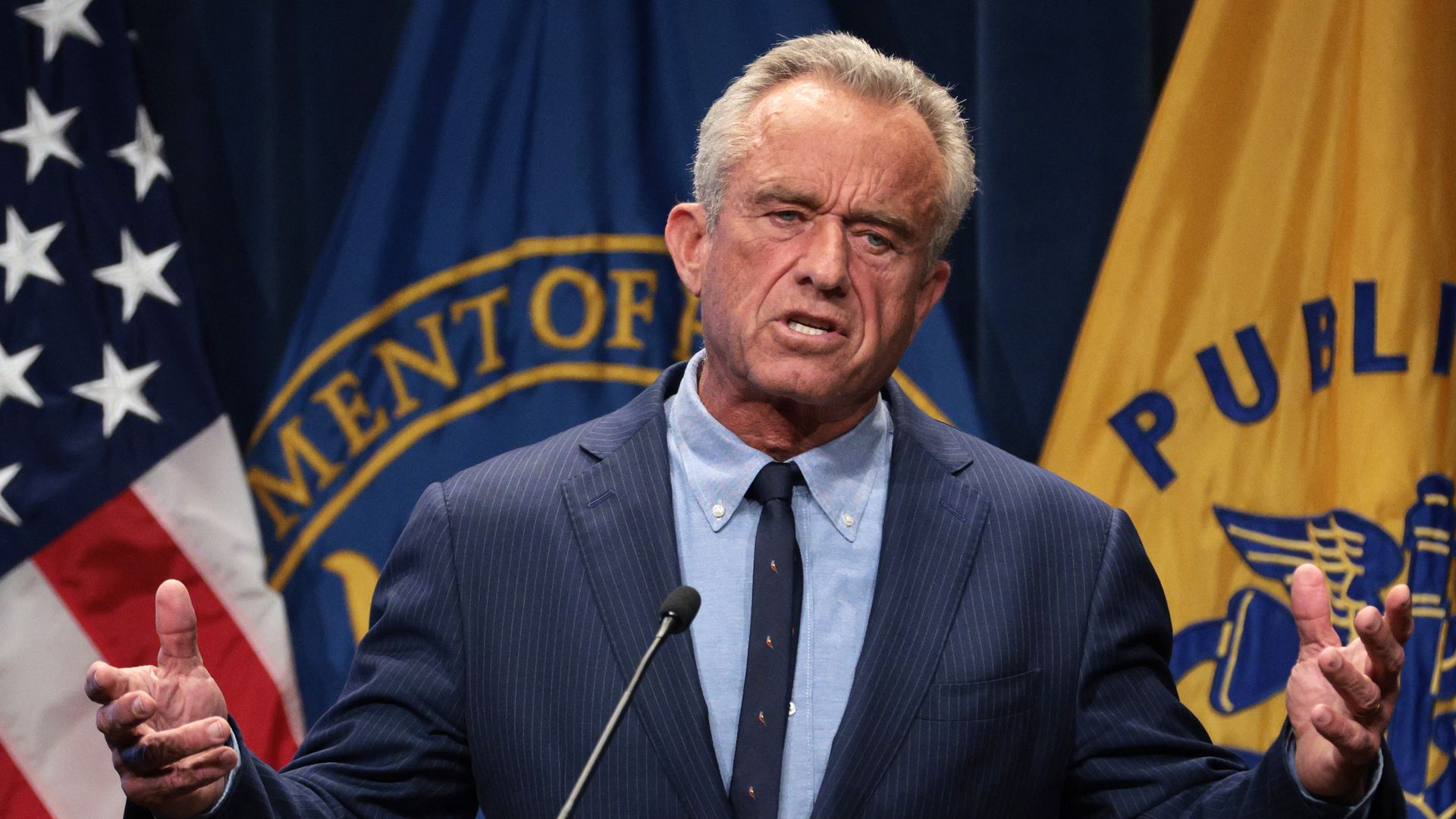
HHS Secretary Robert F. Kennedy Jr.'s vaccine skepticism may be the hallmark of his public persona, but his and his followers' questioning of the medical and pharmaceutical establishment goes much deeper.
Why it matters: In recent weeks, it's become pretty clear that Kennedy's views haven't changed all that much from his pre-HHS days. That could have implications that go far beyond vaccines and put him at even greater odds with the industries he's charged with regulating, let alone mainstream science.
If his past views hold up, antidepressants, ADHD medication and drugs that use mRNA technology — both those on the market and those under development — could end up as his next targets.
In fact, some of his words and actions since being nominated and confirmed as the nation's top health official suggest they're already on his list.
Driving the news: Kennedy may not have mentioned vaccines at Wednesday's press conference on autism, but that's where many people's minds went because of the way he's consistently linked the two.
He notably contradicted CDC researchers about why autism diagnoses are rising, pointing to what he called toxins in the environment, not better diagnostics (another familiar talking point).
He's also pledged to have results of a government-led effort to identify the cause of autism by September, a timeline that's stoked deep suspicion in the public health community about his commitment to scientific rigor or accurate conclusions.
And his recent remarks to FDA staff reinforcing his belief in the "deep state" caused enough alarm that Leerink Partners warned clients in an investor note that his agenda "is likely to negatively impact FDA's commitment to proven science and its retention of talent."
What they're saying: "He's still pressing his pseudoscience agenda, he still shows no interest in understanding the complexity of autism and how it operates through autism genes with environmental factors, he still talks in childlike terms about how to deal with autism," said professor and vaccine scientist Peter Hotez.
"Everything I've seen him say in public is as unhinged as it's ever been."
In light of Kennedy's recent comments, I spent part of the week reading a book recently published by the Children's Health Defense, the anti-vaccine group Kennedy founded, titled "The Medical-Pharmaceutical Killing Machine."
The book was published after Kennedy took leave from the organization, but the group remains aligned with his agenda and is a useful proxy when attempting to understand Kennedy's worldview.
"He's the same Bobby Kennedy, 100%," Mary Holland, CEO of Children's Health Defense, recently told Stat News.
An HHS spokesperson did not respond to a question about how closely the book does or doesn't reflect Kennedy's current views.
Reality check: For any of the book's major assertions to be true, there would have to be a massive coverup occurring at the highest levels of science, medicine and government (which is pretty much what the book says is happening).
Many of them are directly contradicted by established scientific evidence, and others defy logic.
Why it matters: Eli Lilly said on Thursday that its experimental pill — called orforglipron — is showing promising results and could serve as an alternative to blockbuster injectable medications like Ozempic and Mounjaro.
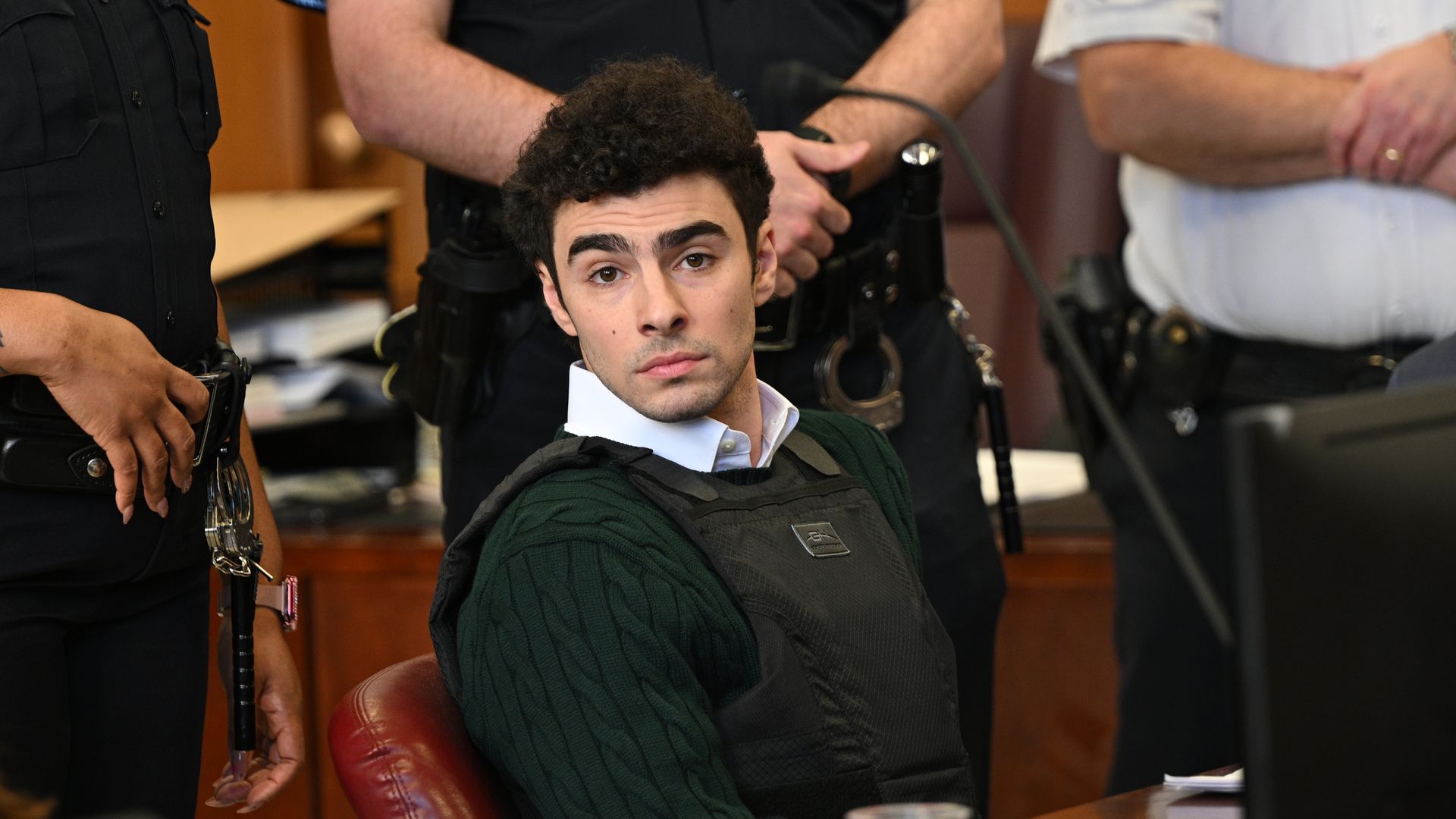
Luigi Mangione was indicted by a New York grand jury Thursday on four federal charges, including murder through the use of a firearm, which could make him eligible for the death penalty.
The big picture: Mangione is facing both federal and state charges in connection to the killing of UnitedHealthcare CEO Brian Thompson last year. Attorney General Pam Bondi earlier this month directed the Justice Department to seek the death penalty in the case.
Eli Lilly on Thursday reported promising results for a daily pill that could serve as an alternative to injectable weight-loss and diabetes drugs.
Why it matters: One thing hampering the GLP-1 drug boom is the fact that they're shots — not oral medications — which keeps some prospective patients from taking them.
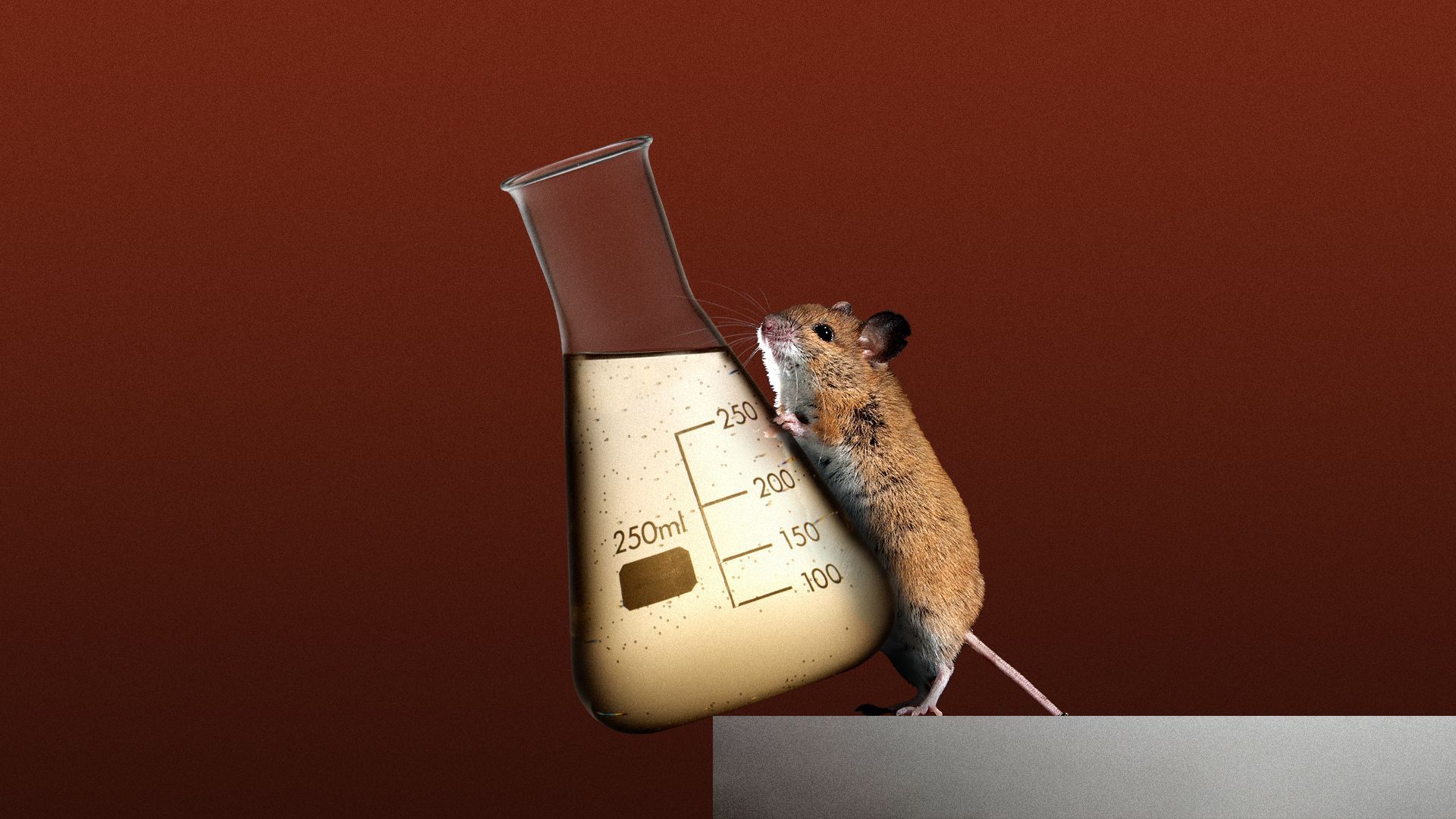
The Food and Drug Administration's decision to phase out animal testing in drug development is being hailed as a potential game changer, even though proponents say it may take years to get to a point where alternative methods can be used for all applications.
Why it matters: Pharmaceutical companies and biotechs say other methods could accelerate the process for bringing cures to market and give them more flexibility and predictability.
Health Secretary Robert F. Kennedy Jr. describes autism as a disease that needs a cure, but people with autism would rather that time and money be spent allowing them to live their lives with dignity and independence.
Why it matters: Kennedy's insistence that vaccines or other environmental factors led to increased autism diagnoses in children, despite mounds of research debunking the link, undermines decades of advocacy work people with autism have done on their own behalf.
A top National Institutes of Health scientist who specializes in nutrition and metabolism announced his sudden retirement after 21 years, citing censorship at the agency now headed by Health and Human Services Secretary Robert F. Kennedy Jr.
Why it matters: RFK pledged "radical transparency" after being confirmed as HHS secretary, but NIH senior investigator Kevin Hall said Wednesday he has "experienced censorship" of his work and not enough support on his recent research into ultra-processed food addiction.
A Trump administration budget proposal calls for eliminating programs like Head Start, funding for community mental health clinics and initiatives aimed at preventing teen pregnancy in fiscal 2026.
Why it matters: The 64-page document, called a budget passback, reveals the breadth and deep extent to which the Trump administration is eyeing cuts to the federal health bureaucracy.