Saturday's health stories

RFK Jr. kills policy on public comment for health regulations
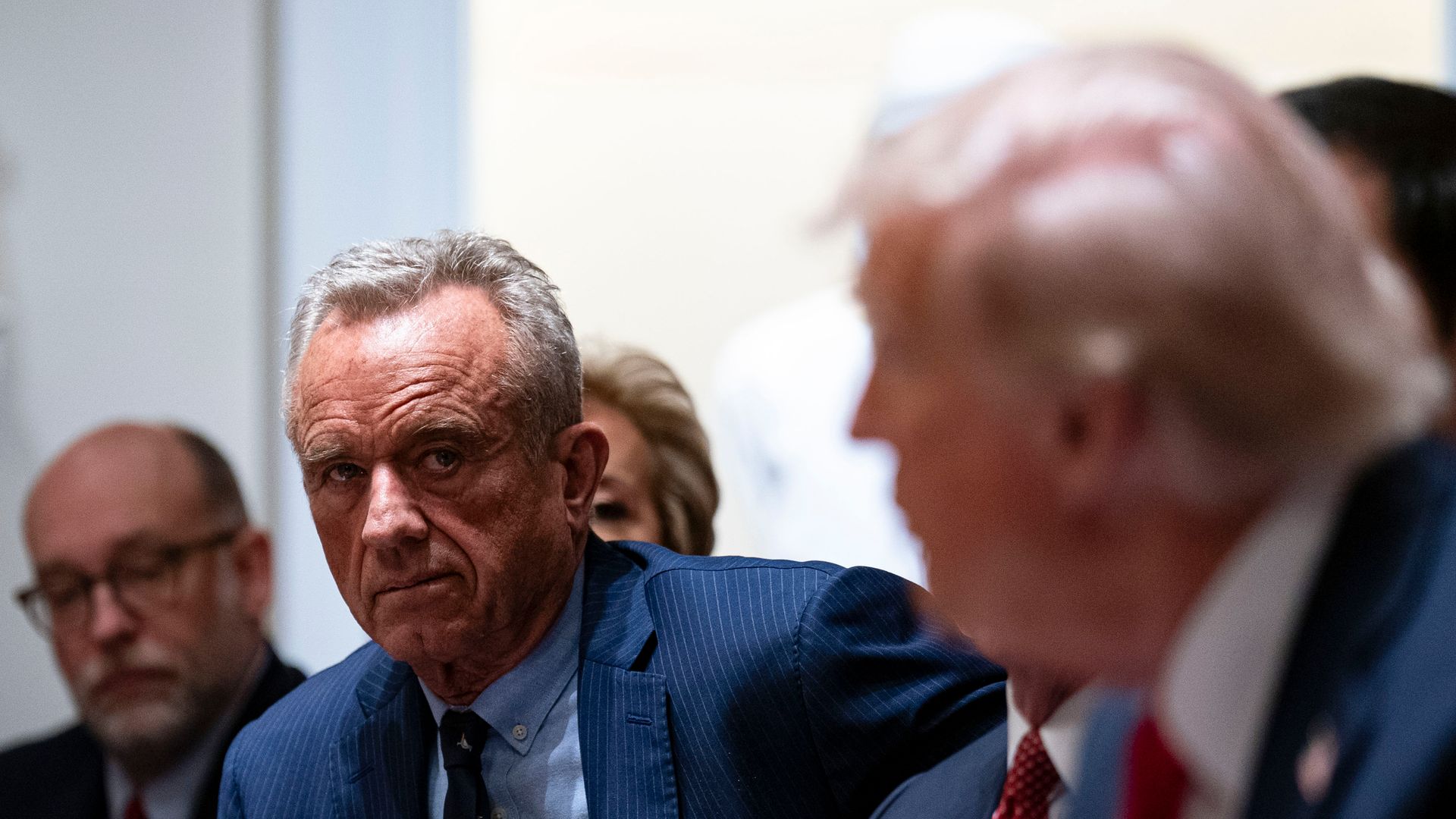
The Department of Health and Human Services is reversing a decades-old policy of soliciting public comment before it issues regulations affecting government benefits and grants, including NIH funding.
Why it matters: Health care is one of the most regulated industries, and the "notice and comment" process gives hospitals, health plans, patient groups and other stakeholders a chance to share feedback with the executive branch.

GOP's plans to cut health spending get a reality check

It's that time again: Washington is coming to its periodic realization that there is no real way to address the nation's spiraling debt without touching health programs. And Republicans are relearning that even Medicaid — the program deemed least politically risky to change — is a lightning rod.
Why it matters: Policymakers really have two choices outside of major tax increases. They can leave health care and entitlement programs alone and see what happens as the debt continues to balloon, or they can launch a war on spending that will make recent health care battles seem like child's play.
- In the meantime, powerful and wealthy health care industry groups are really just vying to shoulder the least pain if and when the real cuts come.
Driving the news: The House GOP narrowly passed its budget resolution this week, meaning its quest to reduce the federal deficit by somewhere between $1.5 and $2 trillion — while extending trillions of dollars in tax cuts passed during Trump's first term — lives another week.
- It still seems pretty likely that members will have to turn to Medicaid for some of that money if they remain serious about their cost-cutting goals.
- But it's hard to say for sure how much Medicaid spending will end up being reduced, if at all. Many Republicans have now expressed their qualms about cutting the program too deeply amid significant backlash, and a key committee chairman said this week that one leading policy idea — per capita caps — is moving toward the back burner.
- President Trump, for his part, said once again that Medicaid won't be touched, but that "we are going to look for fraud." (So be on the lookout for certain Medicaid reforms to be framed as addressing fraud!)
This is all a familiar song and dance: Ambitious ideas about reducing health care spending quickly run into political reality, which includes heavy backlash from the health care industry.
- If anything, it's worse now for Republicans than it's ever been, as more and more of their voters include the low-income working class people who depend on Medicaid (and more hospitals benefit from expanded Medicaid coverage).
- The program covers 1 in 5 Americans, including low-income people, people with disabilities and millions of children. It also accounts for a fifth of all health care spending and more than half of long-term care spending, per KFF.
At the same time, Americans want their health care spending reduced. A recent Pew survey on American's economic concerns found that 67% of respondents said the affordability of health care is a very big problem for the country — ranking above inflation and the federal budget deficit.
- That's a 10 percentage point rise from last year, when 57% said health care affordability was a big national problem.
- Any federal policy changes resulting in more uninsured Americans, fewer covered benefits or more out-of-pocket expenses would just make care less — not more — affordable for the people impacted.
- But policy changes that cause massive disruption or more limited access to top-of-the-line services also tend to be unpopular, historically tying the hands of policymakers.
The big picture: If you remember two things about the U.S. health care system, let them be that it's the most expensive in the world by far, and yet it produces worse health outcomes in the U.S. than in other wealthy countries.
- Americans are — and have been — sick of paying ever-rising health care costs, and yet year after year they keep going up for both patients and taxpayers without actual health results to justify the prices.
- Meanwhile, many of the biggest health care companies have continued to see their stock prices soar.
Between the lines: The solution to unaffordable health care costs for consumers has usually been some version of new government spending.
- There's only one way to reduce what both the government and patients pay for care: reducing prices.
- And that means policy that would directly target the health care industry.
The bottom line: The screaming you hear now from patient advocacy and hospital groups is nothing compared with the uproar that would be caused if Congress ever went after Medicare or commercial insurance.
- But the source of that uproar may depend on what kind of spending cuts we're talking about. For example, when Democrats went after pharma and drug prices by allowing Medicare to negotiate with manufacturers, consumer groups cheered them on.
- The more public sentiment sours on any one particular group, the easier it is for policymakers to make changes that group doesn't like.
- And in a world where patients are enraged with insurers for care denials or hospitals for their billing practices, those groups may not be as protected as they used to be if lawmakers decide to turn their attention to prices.

Microsoft is killing Skype: Why the app couldn't keep up

Skype, once the go-to app for making calls on the internet, is shutting down after several key missteps and the rise of more user-friendly competitors.
The big picture: Skype, a big hit during the early 2000s, failed to keep up with competitors and wasn't able to claw back during the pandemic when demand for video calling spiked.

HPV vaccine linked to sharp decline in precancerous lesions among young women

The human papillomavirus (HPV) vaccine is having a huge impact on cervical cancer prevention among young women, a U.S. government report published Thursday suggests.
Why it matters: The CDC report shows that rates of precancerous lesions among women aged 20-24 screened for cervical cancer dropped by about 80% from 2008 to 2022. The report comes just days after Robert F. Kennedy Jr. — who once called the HPV vaccine "dangerous and defective" — was confirmed as health and human services secretary.

Mexico extradites drug lord Caro Quintero and 28 others to U.S.
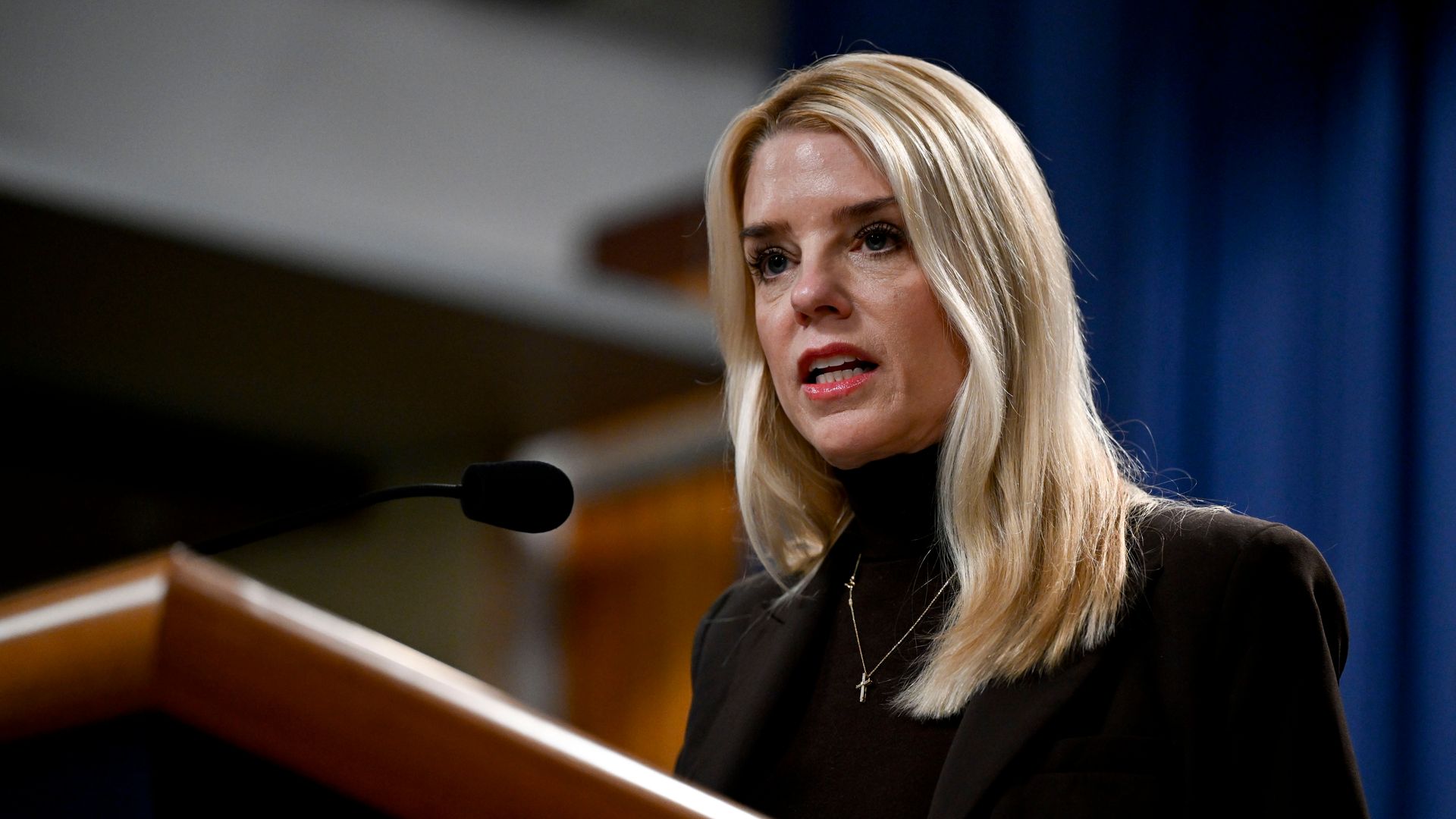
Mexico extradited 29 people accused of being involved in drug cartels to the U.S. on Thursday, the Department of Justice announced.
The big picture: The move is a part of President Trump's vow to crack down on cartels for what he called in an executive order a "campaign of violence and terror" that saw him designate eight drug cartels as global terrorist organizations last week.