RFK Jr. kills policy on public comment for health regulations

Add Axios as your preferred source to
see more of our stories on Google.
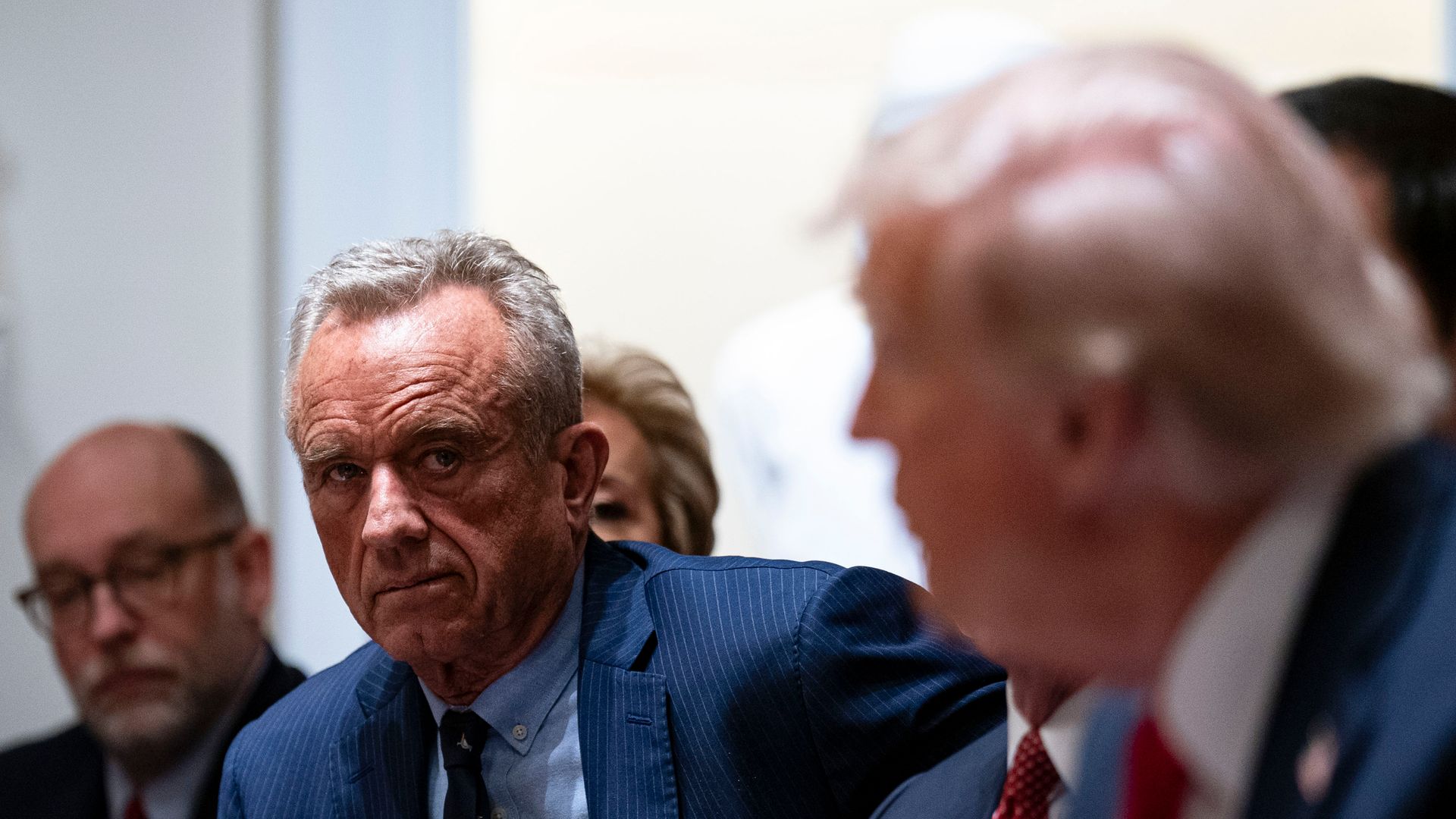
Kennedy. Photo: Al Drago/Bloomberg via Getty Images
The Department of Health and Human Services is reversing a decades-old policy of soliciting public comment before it issues regulations affecting government benefits and grants, including NIH funding.
Why it matters: Health care is one of the most regulated industries, and the "notice and comment" process gives hospitals, health plans, patient groups and other stakeholders a chance to share feedback with the executive branch.
- The policy change also raises new questions about HHS Secretary Robert F. Kennedy's vows to increase transparency and accountability at the department.
State of play: An HHS policy statement issued on Friday states that it's immediately rescinding a policy from 1971 that required public comment for rules on public property, loans, grants, public benefits or contracts.
- The Administrative Procedure Act allows exemptions from rulemaking requirements for these topics, but HHS in 1971 waived that exemption and adopted a policy requiring it to use the APA's public comment exemptions "sparingly."
- HHS says the policy imposes extra requirements on the agency and is "contrary to the efficient operation of the department."
- "The department will continue to follow notice and comment rulemaking procedures in all instances in which it is required to do so by the statutory text of the APA," the notice says.
Zoom out: National Institutes of Health grantees sued HHS earlier this month after the agency announced it would significantly cut funding for research overhead and administrative costs.
- States, universities and hospitals argue that the move was illegal in part because the administration didn't offer a public comment period.
- Friday's notice may invalidate that part of the legal argument, said Daniel Graham, a partner at McDermott Will & Emery and leader of their government contracts group.
Yes, but: "It doesn't get them very far in the litigation," he said. "It just takes away one of many arguments why the rate change notice is illegal."
The notice is broadly written and could apply far beyond NIH contracts, lawyers say.
- But some HHS programs, including Medicare, have their own legal requirements for soliciting public comments. The policy change likely won't apply to Medicare, said Dan Jarcho, a partner at law firm Alston & Bird.
What we're watching: When a policy is changed without collecting sufficient stakeholder comments, it can be challenged in court, Jarcho said.
- "There's a good possibility that this policy change will trigger more litigation against HHS," Jarcho said.
