Detecting autoantibodies in nasal cavities with swabs could be key to determining how severe COVID symptoms will be.
Why it matters: The findings from Emory University-led researchers run counter to earlier studies showing autoantibodies in the blood indicate a more serious infection.
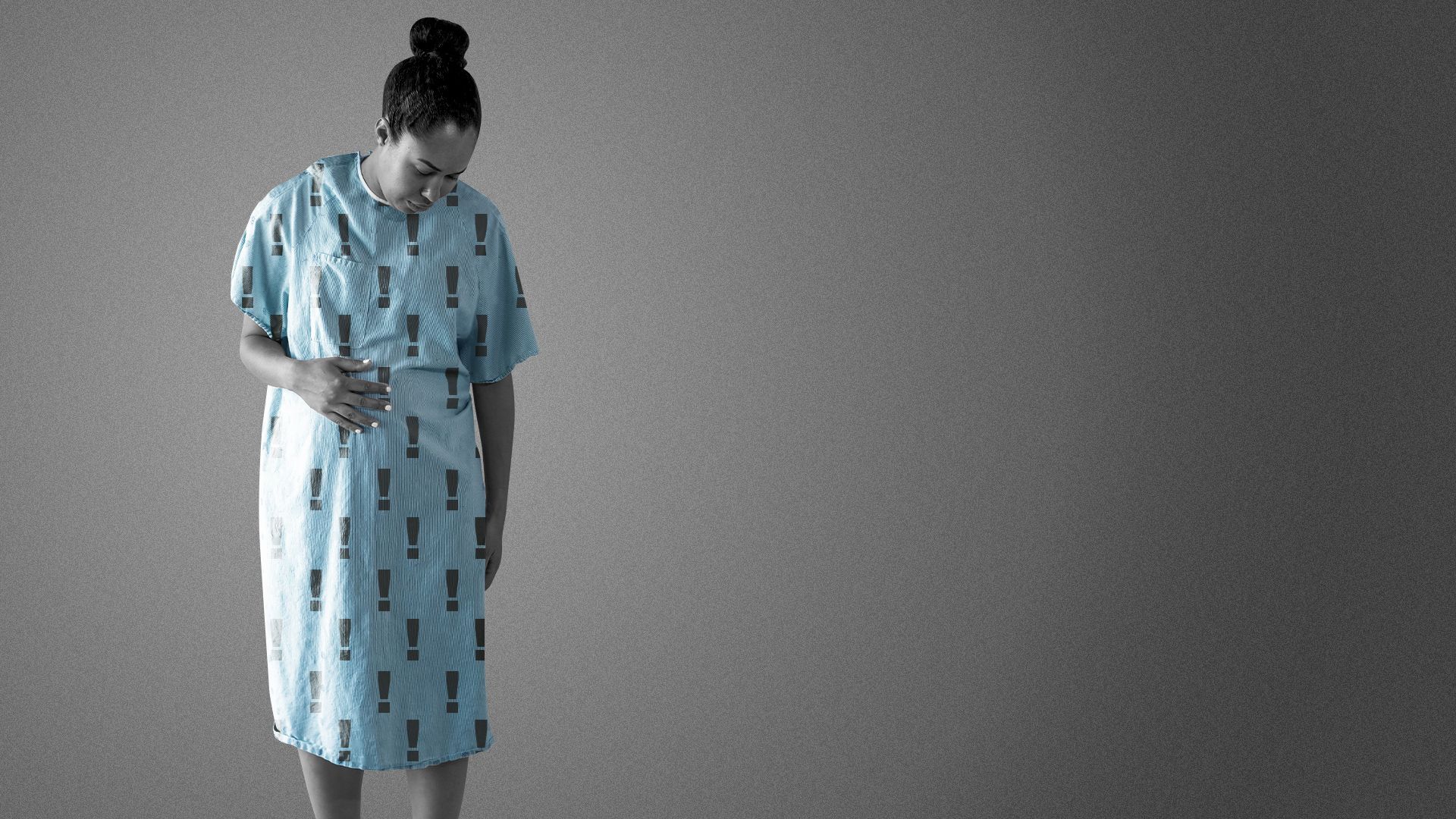
Pregnant women or those who've given birth in the past year are likelier to be murdered than die from medical causes like preeclampsia or hemorrhaging, a new study in JAMA Network Open concludes.
Why it matters: The findings show how maternal mortality can be influenced by state divorce laws and access to reproductive care, with individuals younger than 25 years and Black women at highest risk.
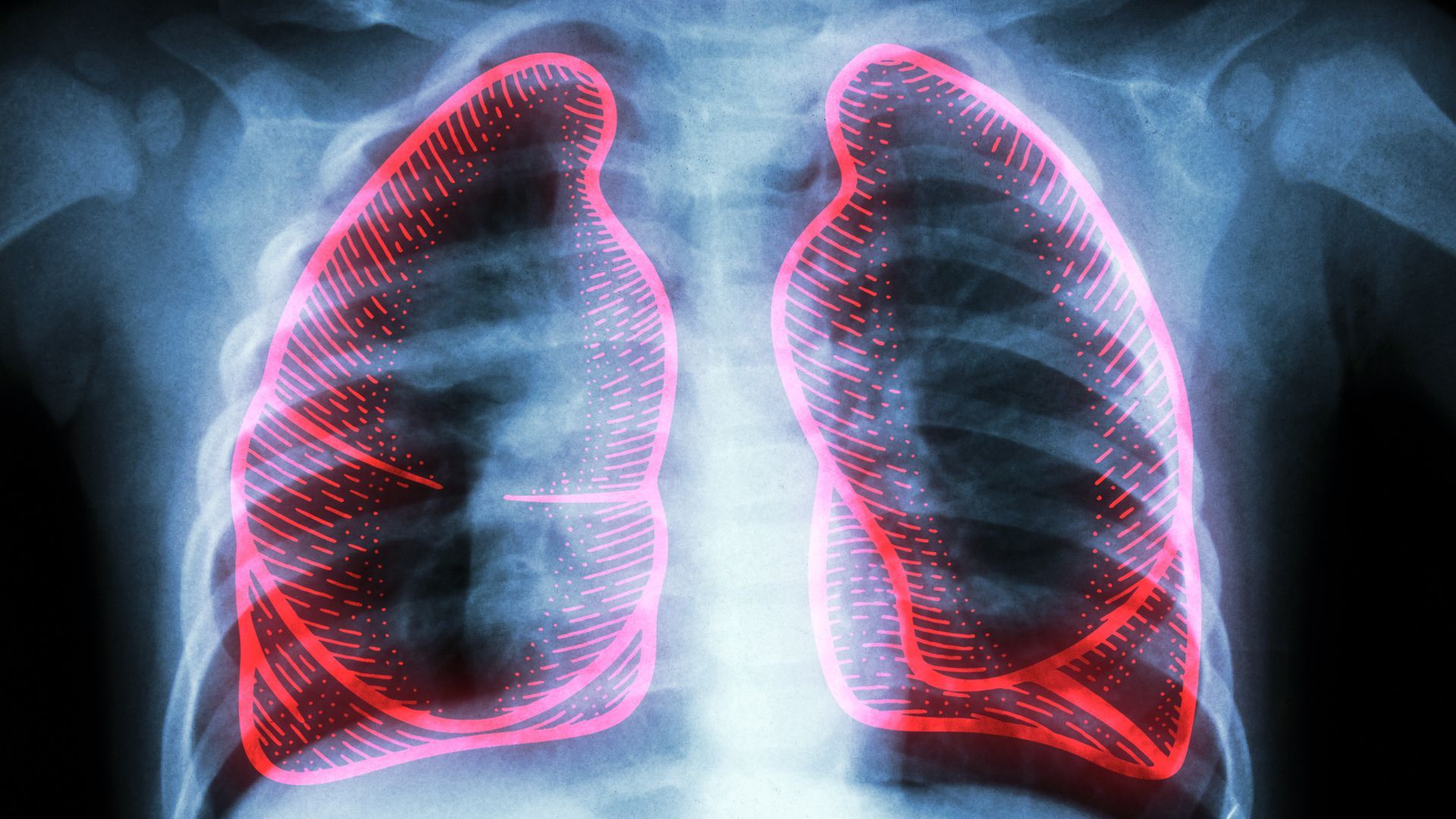
The U.S. may be heading into Thanksgiving with respiratory disease levels at lows not seen since before the pandemic, and with few immediate signs of another tripledemic.
The big picture: Instead of seasonal flu, COVID-19 or RSV, the big public health concern at the moment is walking pneumonia — a bacterial infection of the lungs that's hitting kids and adults at levels not seen in years.
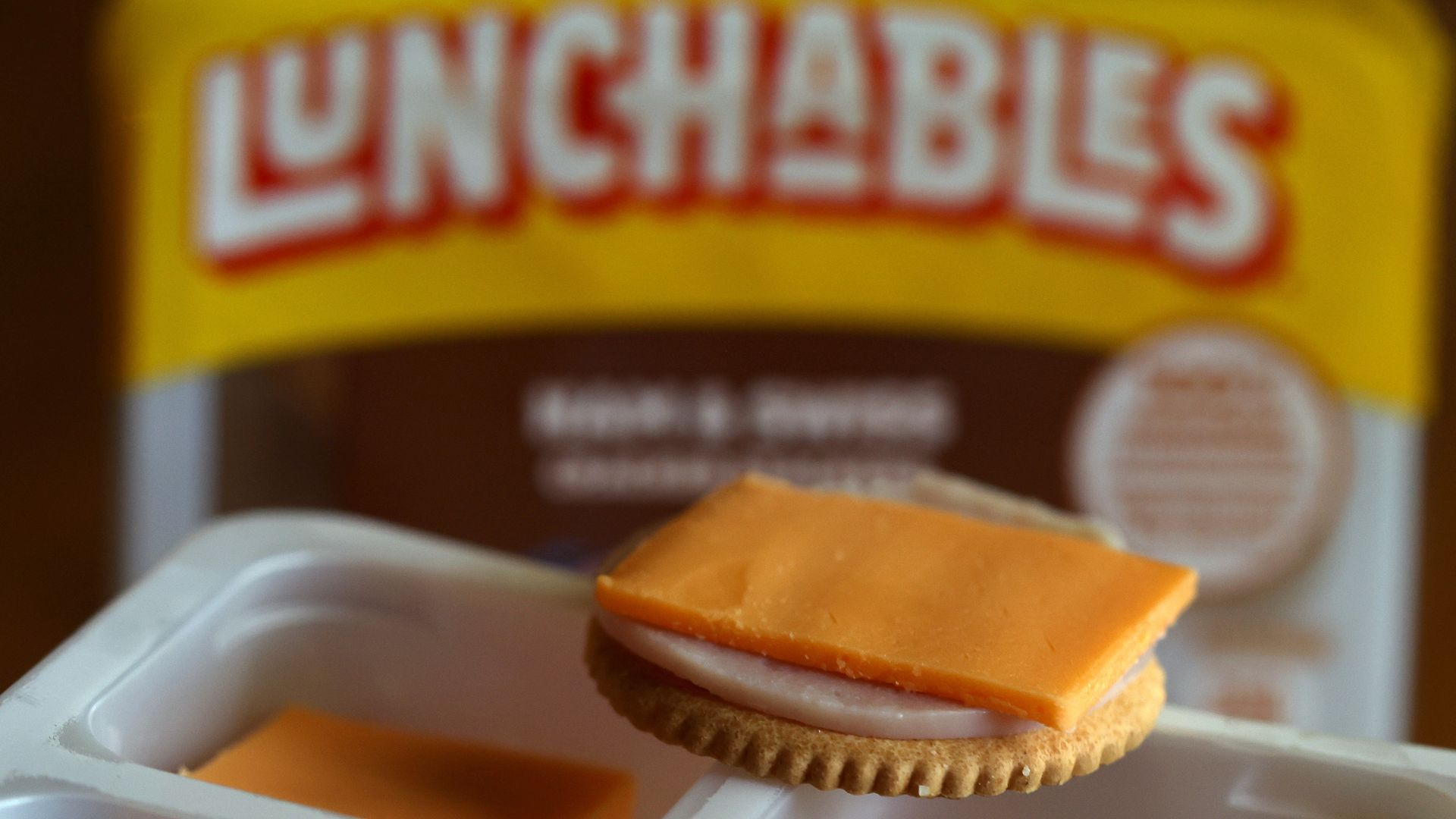
Kraft Heinz said Tuesday it's pulling Lunchables meals from the National School Lunch Program due to flagging demand.
The big picture: The Chicago-based food giant said in a media statement that its decision was not related to a study by U.S. consumer watchdog group Consumer Reports that found Lunchables meal kits for low-income children contained relatively high levels of sodium, lead and cadmium.
The courtship between insurance giants Cigna and Humana is just not meant to be, Cigna officials said Monday.
Why it matters: The statementmarks the likely end to on-and-off discussions about combining the companies into what would have been the nation's second-largest insurer — and potentially drawing antitrust scrutiny.
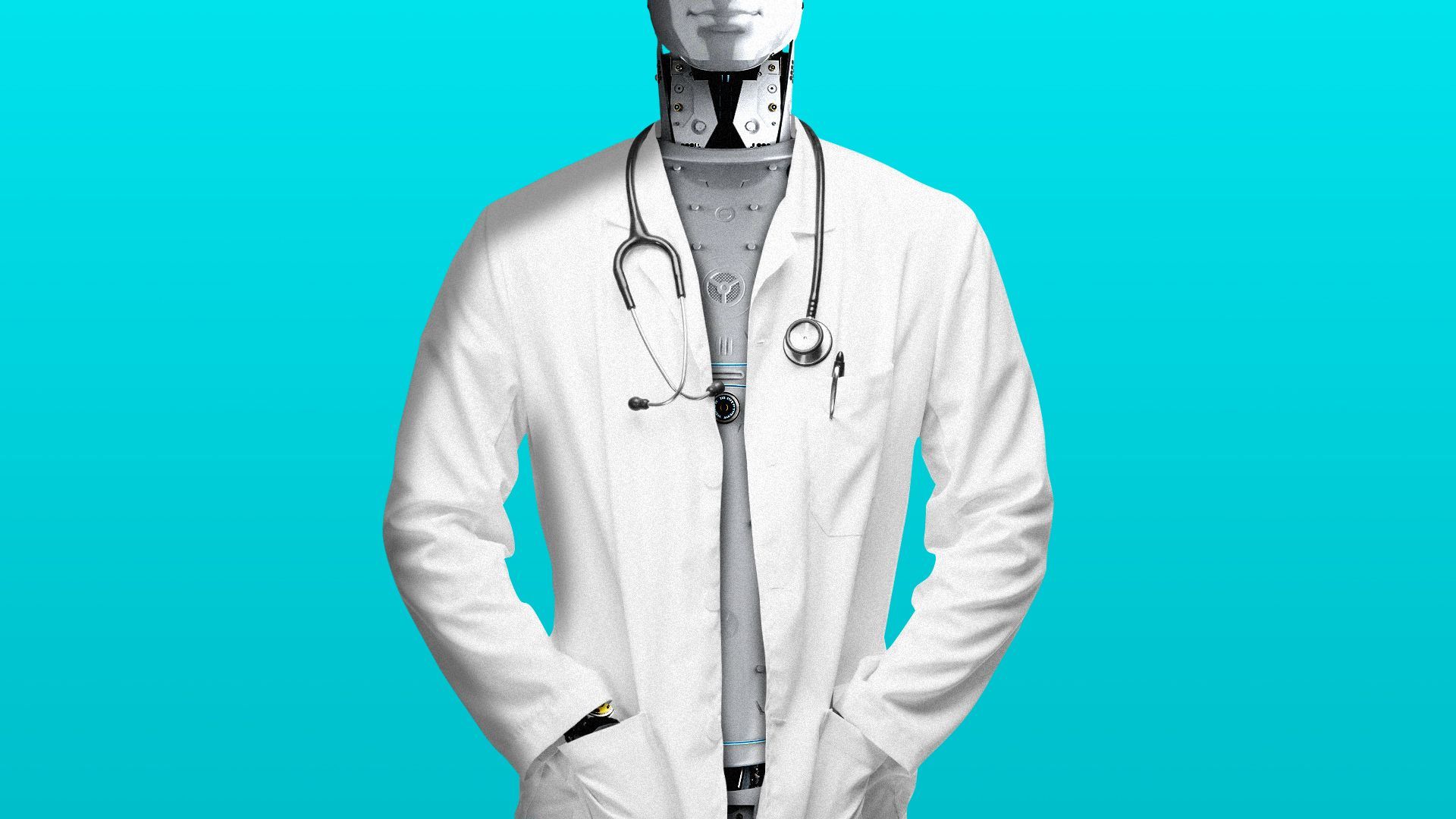
A research team usedvideos of surgeries and the machine learning architecture behind ChatGPT to successfully train a robot to do basic tasks like manipulate a needle, lift body tissue and suture.
Why it matters: Showing a robot can perform with the skill of a doctor opens up new possibilities for devices like the widely used da Vinci surgical system and reduce the risk of medical errors, the Johns Hopkins-led scientists said.
A second Trump administration presents a dilemma for scientists and career staff at top federal health agencies: stay and fight any efforts that undermine science for political purposes or leave.
Why it matters: Public health efforts were weakened by misinformation and distrust during the COVID pandemic, but a brain drain of the nation's top scientific minds could hobble research and dissolve institutional knowledge at agencies such as the Food and Drug Administration, National Institutes of Health and the Centers for Disease Control and Prevention.