Cases hit pre-COVID lows as virus season begins

Add Axios as your preferred source to
see more of our stories on Google.
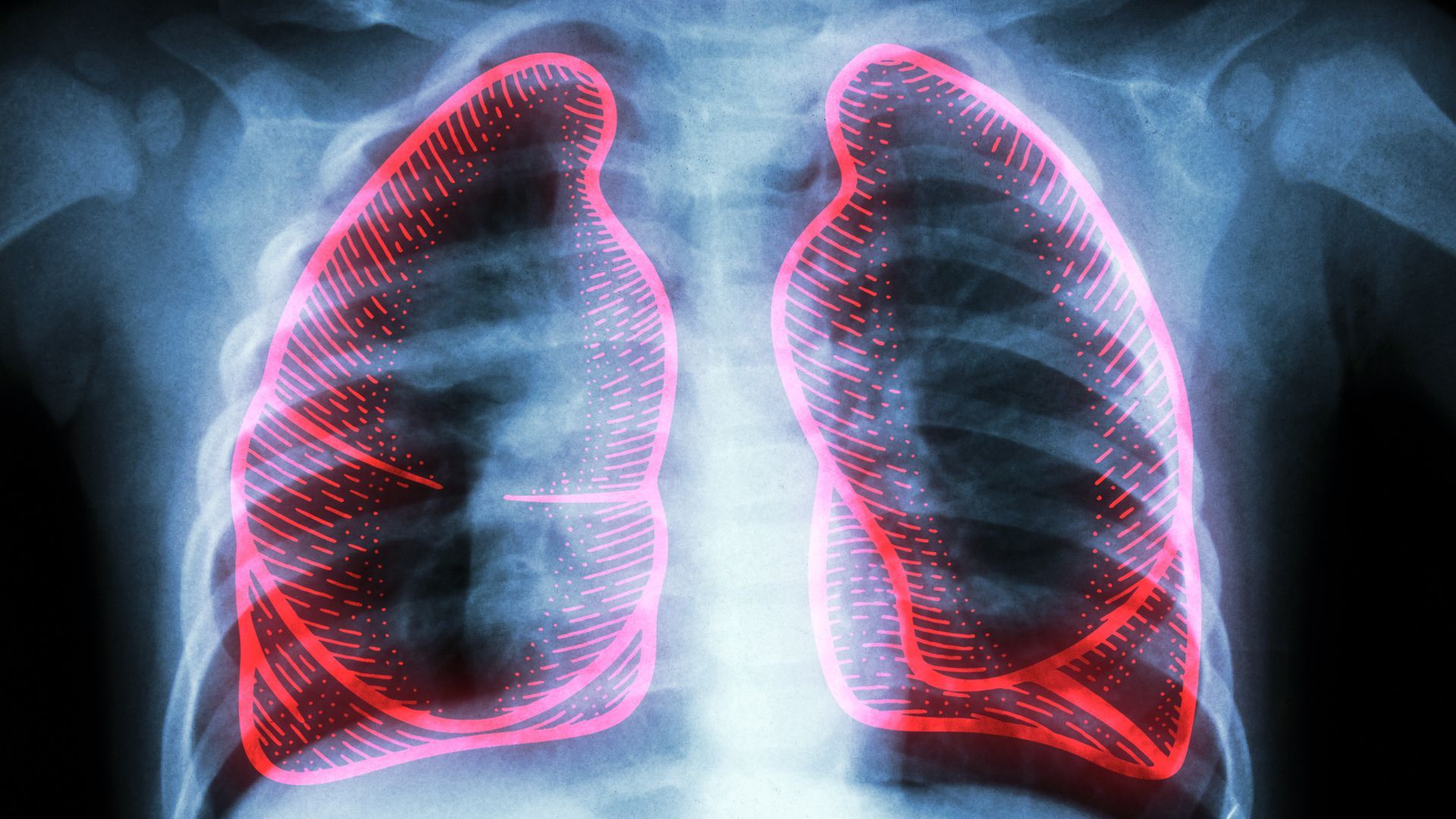
Illustration: Aïda Amer/Axios
The U.S. may be heading into Thanksgiving with respiratory disease levels at lows not seen since before the pandemic, and with few immediate signs of another tripledemic.
The big picture: Instead of seasonal flu, COVID-19 or RSV, the big public health concern at the moment is walking pneumonia — a bacterial infection of the lungs that's hitting kids and adults at levels not seen in years.
Driving the news: Since a summertime surge of COVID began receding in September, new cases, hospitalizations and deaths from respiratory viruses have been trending downward.
- It's a departure from the past few years, when the start of autumn led health systems to begin mobilizing for an onslaught of cases and make contingencies.
- And it comes at a time of low vaccination rates.
- But experts warn it's still possible we'll get a new wave of illness when holiday gatherings and colder weather send more people indoors.
The big picture: The latest wastewater surveillance reports from the CDC indicate transmission of COVID, influenza and RSV are low or minimal as of the first week of November.
- Rates of COVID and RSV were both on the rise the same week last year, while the flu began to jump toward the end of November.
- "From a respiratory virus standpoint, this is probably the lowest we've been in terms of risk in the community for any serious illnesses since the beginning of the pandemic," said University of Minnesota epidemiologist Michael Osterholm.
- "It's quiet start, but a quiet start does not predict for you it'll be a quiet ending," Osterholm said.
Between the lines: The story at children's hospitals this fall has been the surge of an old bogeyman.
- Cases of walking pneumonia started rising in late spring across the U.S. and have remained high, the CDC warned last month. The condition is spiking at hospitals across the country, including in Arizona, Ohio, Michigan, Minnesota and North Carolina.
- Nemours Children's Health in Delaware saw a total of roughly 10 cases all last year, but has seen well over 200 kids with walking pneumonia this year. Children's National Hospital in D.C. told Axios it has seen a tenfold jump in cases.
- "That's probably just just the tip of the iceberg of what's going really going on out in the community," Karen Ravin, a Nemours division chief of infectious diseases, told Axios.
Zoom in: The illness is a lung infection typically caused by bacteria called mycoplasma pneumonia. Since it's a mild form of pneumonia, kids often feel well enough to go to school.
- But it still can cause serious complications in people with asthma and weakened immune systems, per the CDC.
- One difference from previous seasons is its high rate of spread among kids ages 2-4, because it's generally thought of as a condition that afflicts school-aged kids and even adults.
- It's not clear why this trend has emerged but it "may be that a broader number of them did not get exposed to this infection during their early infancy years," said Caleb Ward, emergency medicine physician at Children's National Hospital.
More broadly, experts are pleased and a little puzzled at how this season is breaking from the recent past.
- "During the pandemic, COVID was the hot topic, and a lot of the other respiratory infections, particularly like RSV, flu and mycoplasma, all sort of almost disappeared," Ravin said.
- That was largely tied to lockdowns, school closings and masking.
- As schools reopened, the diseases came back, too, but the seasonal curve in their transmission shifted.
- "That's what we saw last year where things shifted a little bit and kind of got layered on top of each other," she said. "This year, most of the other things ... are kind of back to their normal patterns."
What to watch: "With influenza and RSV, kids are often a good indicator of what might be coming to the rest of the community," Osterholm said.
- CDC data also shows rhinoviruses (RVs) and enteroviruses (EV) — the typical cold viruses — have been up since August.
- Pertussis, also known as whooping cough, has seen a return to pre-pandemic patterns where more than 10,000 cases are typically reported each year.
The bottom line: Physicians warn not to be complacent, and that it's still an optimal time to get vaccines against the flu, RSV and COVID when indicated.
