Average annual premiums for covering a family through workplace insurance rose 7% this year, to $25,572, with employees' share of the costs remaining stable but high, according to a new KFF health benefits survey.
Why it matters: Premiums have been rising at roughly the rate of inflation and the change in wages over the past five years, but future coverage costs will hinge on factors like whether health plans opt to cover pricey GLP-1 weight-loss drugs.
The Kremlin on Wednesday confirmed a report that former President Trump sent Russian President Vladimir Putin COVID-19 testing equipment during the height of the pandemic.
Why it matters: The Trump campaign categorically denied new revelations in journalist Bob Woodward's book "War," which renewed scrutiny of the relationship between Putin and the Republican presidential nominee.
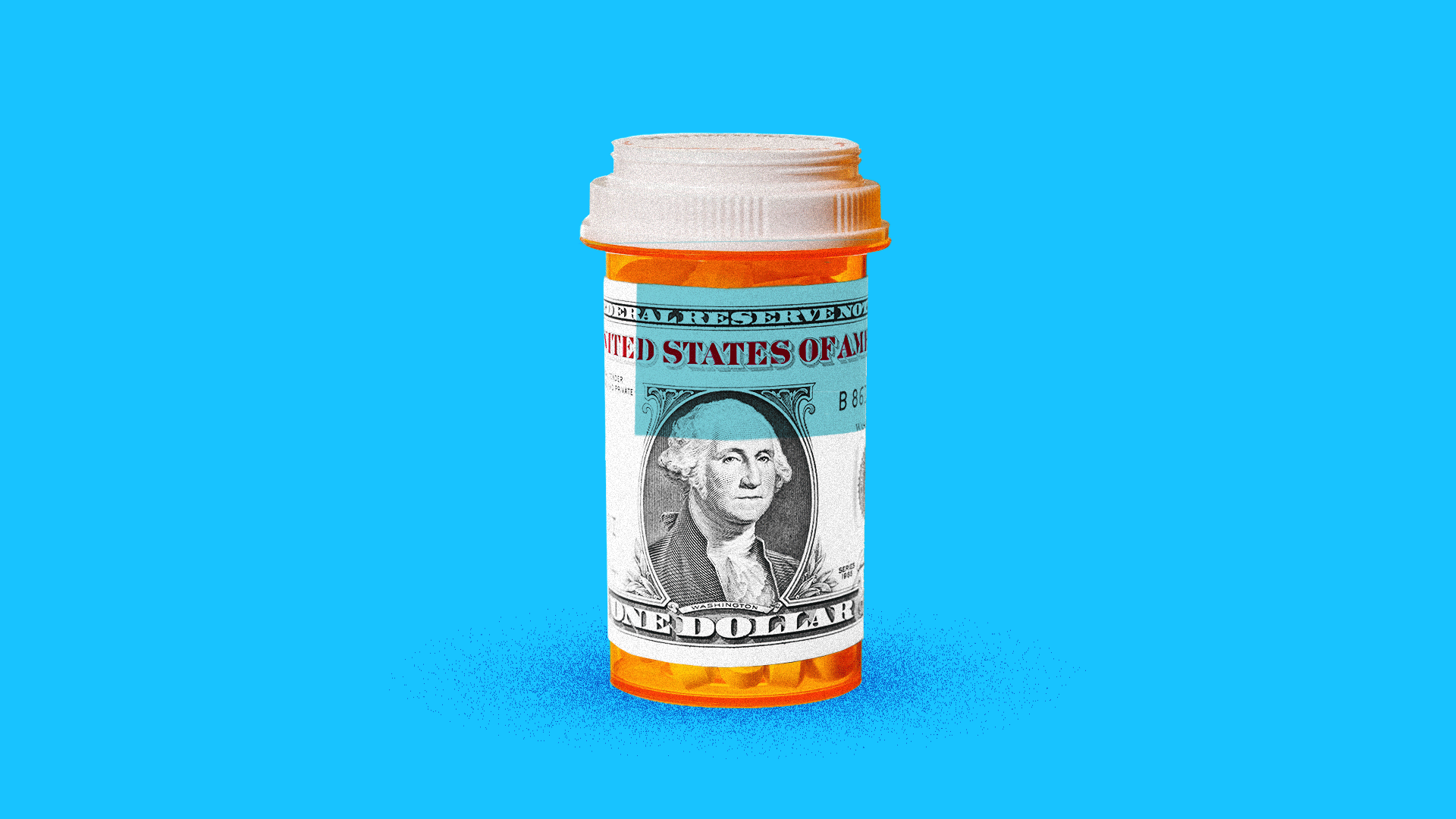
The Biden administration on Wednesday will release a preliminary list of generic drugs that would be made available to Medicare recipients under a pilot program for no more than $2 out of pocket.
The big picture: The initiative — which covers common drugs for high cholesterol, high blood pressure and other chronic conditions — aims to test whether offering low-cost generics can boost seniors' medication adherence and health outcomes, while giving them more certainty on out-of-pocket costs.
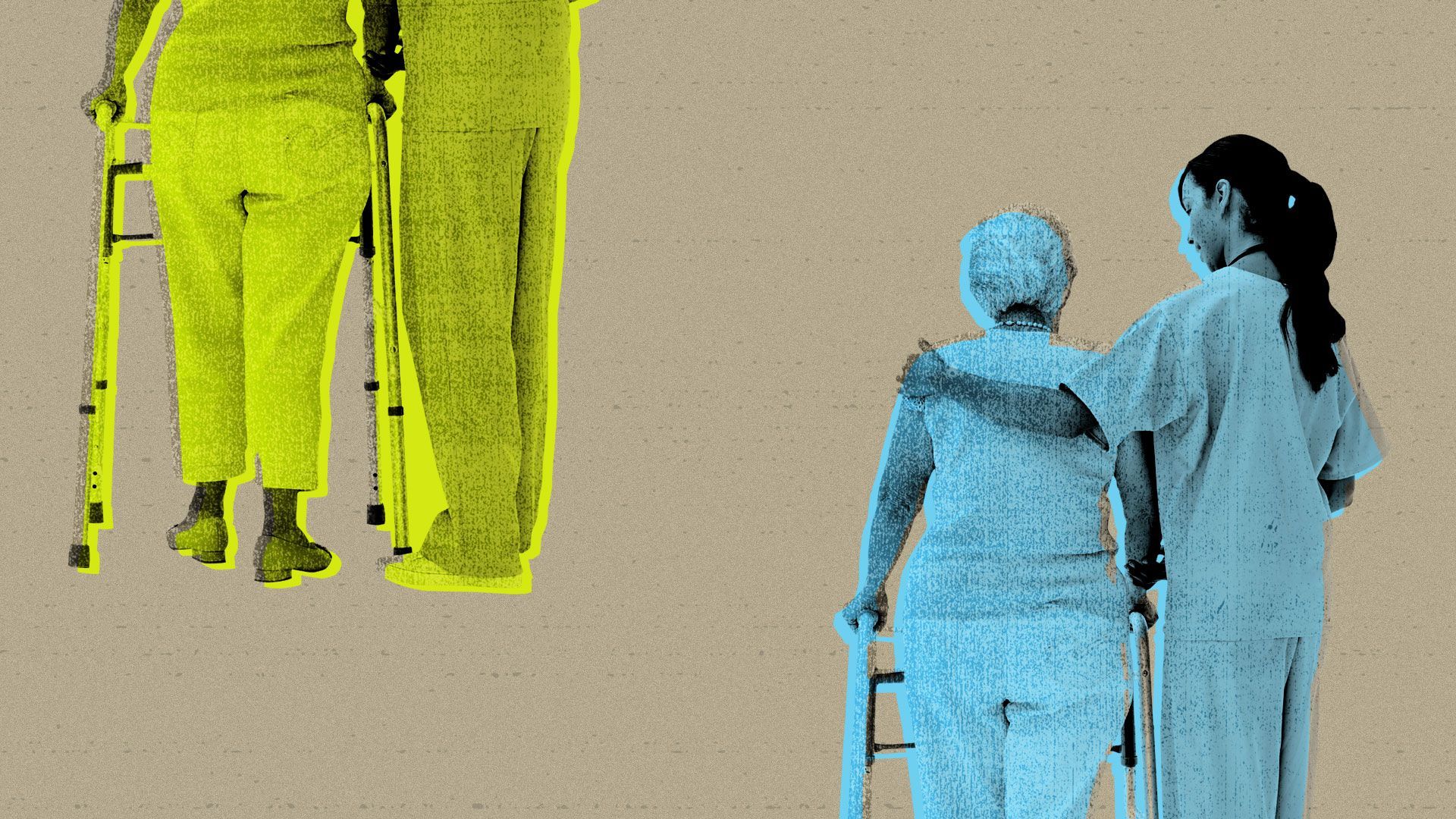
Vice President Kamala Harris' call to create a Medicare benefit for long-term home care is calculated to resonate with middle-aged and older adults caught between supporting their children and caring for elderly parents.
Why it matters: The idea, outlined on Tuesday, could be particularly popular in swing states like Michigan and Georgia, where AARP polling shows about one-third of older voters act as caregivers for family members.
Overdose deaths are down, life expectancy is up, the odds of surviving cancer are improving, and we're even losing weight.
The big picture: In a year defined by election-related stress, global tensions and economic uncertainty, there's a surprisingly hopeful trend: By a few key measures, Americans are getting healthier.
Vice President Kamala Harris says former President Trump hasthe "desire to be a dictator" Tuesday in response to journalist Bob Woodward's book detailing the former president's reported communications with Russian President Vladimir Putin.
Why it matters: Harris said during her radio interview with Howard Stern the GOP nominee was easily manipulated "by flattery and with favor" by people like Putin.
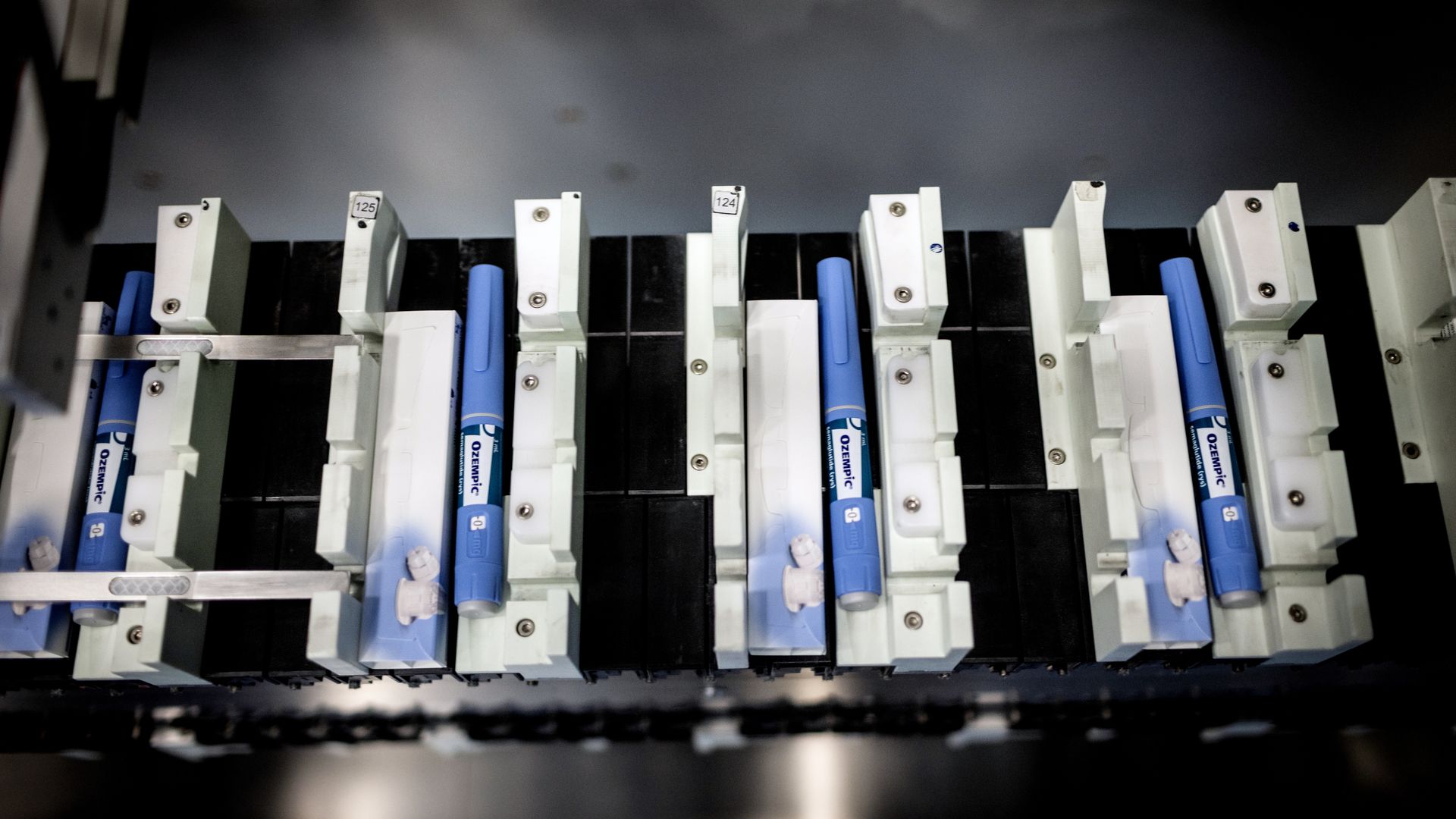
Why it matters: Federal law allows companies to sell compounded versions of drugs that are on the FDA's shortages list — which has led to a surge of copycats to the newly popular class of GLP-1 injections.
Vice President Kamala Harris laid outa new proposal to help families care for seniors during a Tuesday appearance on ABC's "The View."
Why it matters: The policy is aimed at alleviating some of the financial burden on "sandwich generation" Americans who are caring for both young children and aging parents.
Former President Trump has stayed in touch with Russian President Vladimir Putin since leaving the White House, according to journalist Bob Woodward's forthcoming book "War."
Why it matters: The book sheds new light on the personal relationship between Trump and Putin, the leader of a U.S. adversary, less than a month before the presidential election.
Climate change could drive up demand for drugs to treat asthma, kidney disease and Alzheimer's and add to supply chain disruptions that can jeopardize patient care, according to new RAND estimates.
Why it matters: While a growing body of research has established a link between extreme weather and poor health, there's a knowledge gap around how climate change could affect supplies of common medicines.
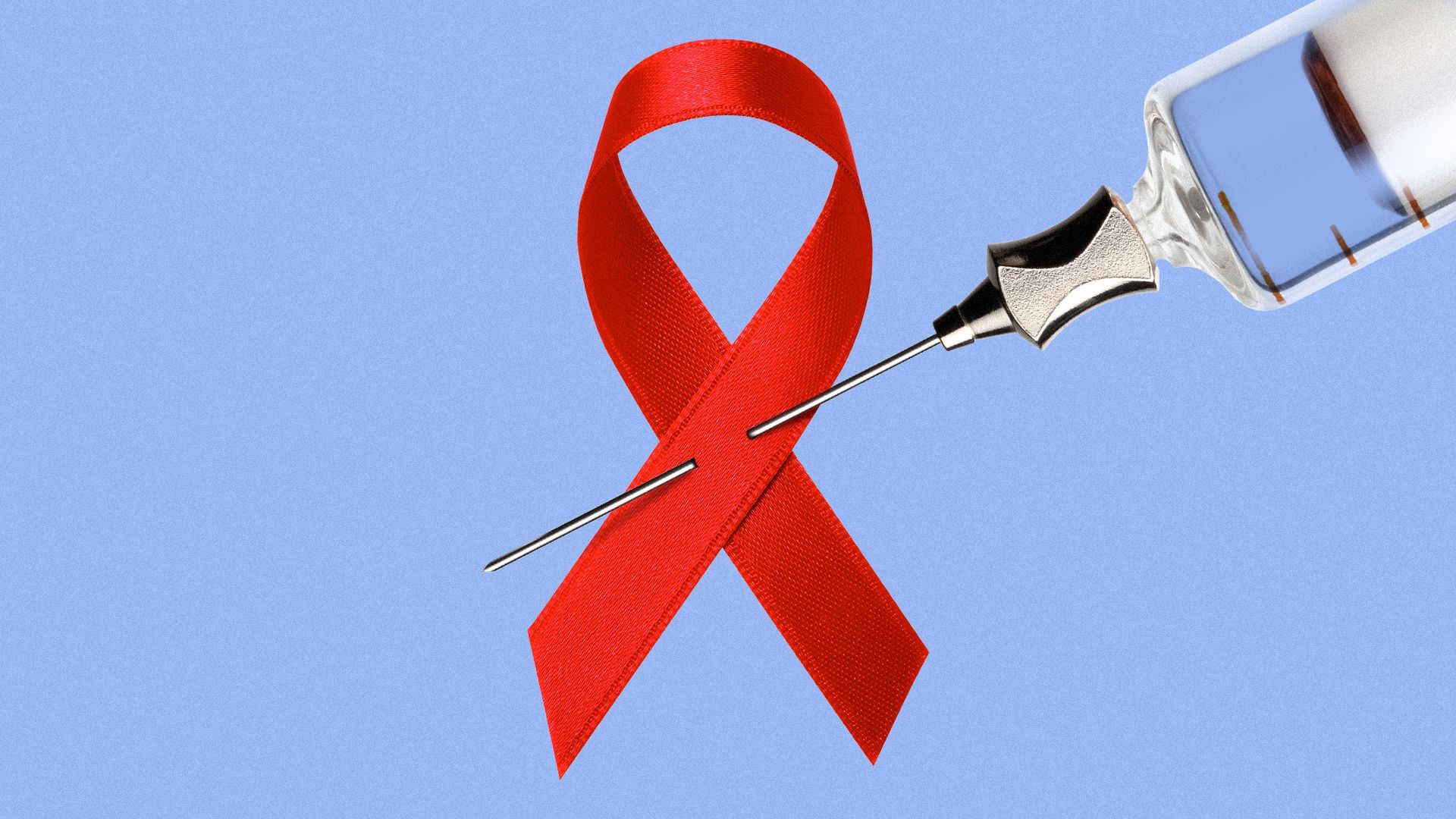
A new, long-acting shot to prevent HIV could represent a turning point in efforts to reduce cases around the world — if enough people can access it.
Why it matters: The twice-a-year injection to prevent sexually transmitted infections is seen as more viable than a daily pre-exposure prophylaxis, or PrEP, pill, which patients frequently stop taking.