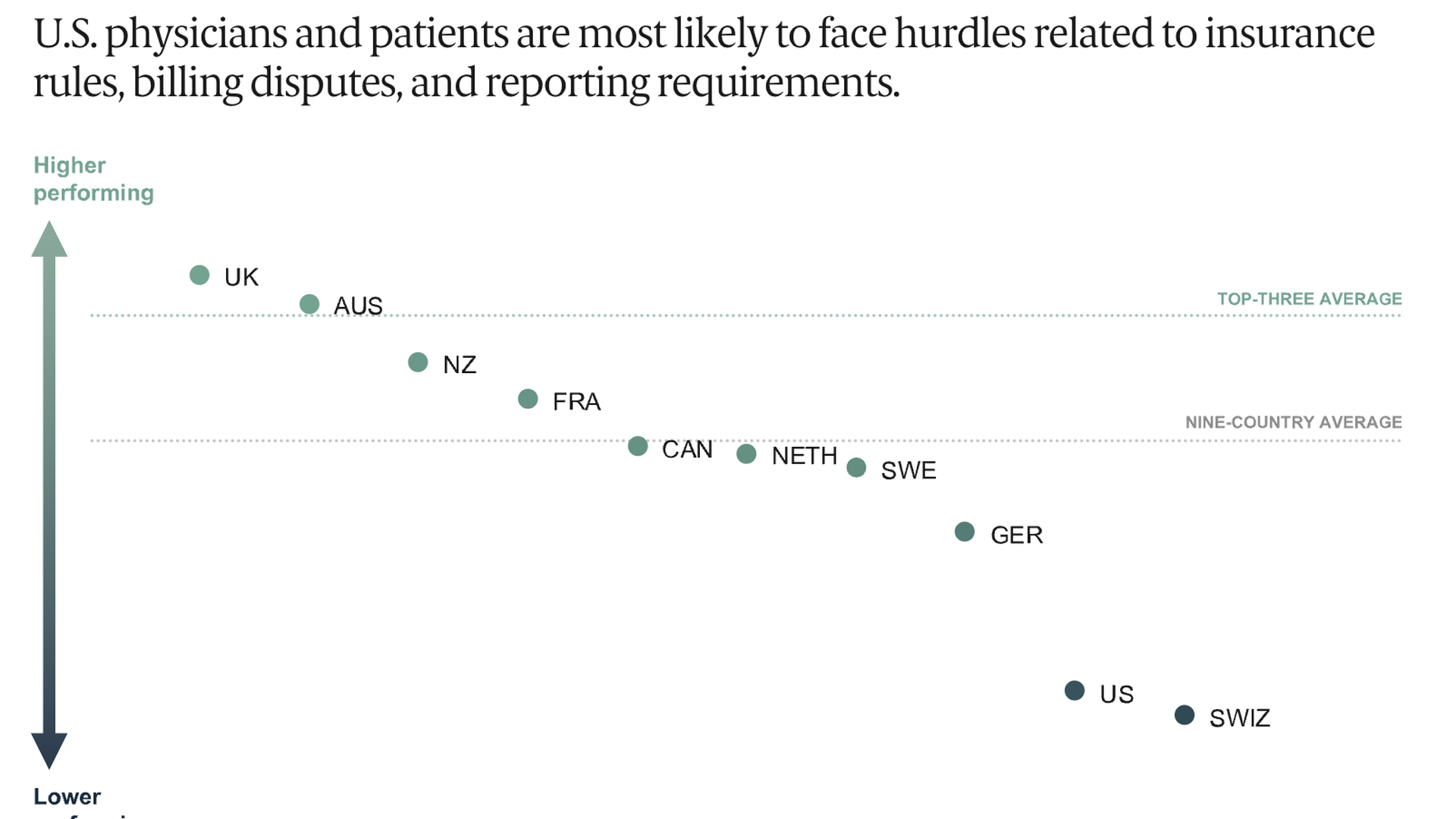
The United States has one of the most inefficient health care systems among high-income countries, according to a new report from the Commonwealth Fund.
Why it matters: Administrative hurdles like requirements that insurers sign off on care before it's delivered cause frustrations and care delays for U.S. patients in a health care system that produces worse health outcomes than its peer countries.
The fragility of the infant formula market is being tested again — this time by legal fights over safety labeling.
The big picture: Two and a half years after supply chain issues and a recall led to a nationwide formula shortage, the only two manufacturers of premature infant formula are threatening to exit amid a flurry of lawsuits from families whose infants got sick or died after taking one of these formulas.
Fatal drug overdoses, which fell in the U.S. last year for the first time since before the pandemic, are continuing to decline, according to preliminary CDC data.
Why it matters: Overdoses kill more than 100,000 people a year, but the number appears to be dropping rapidly.
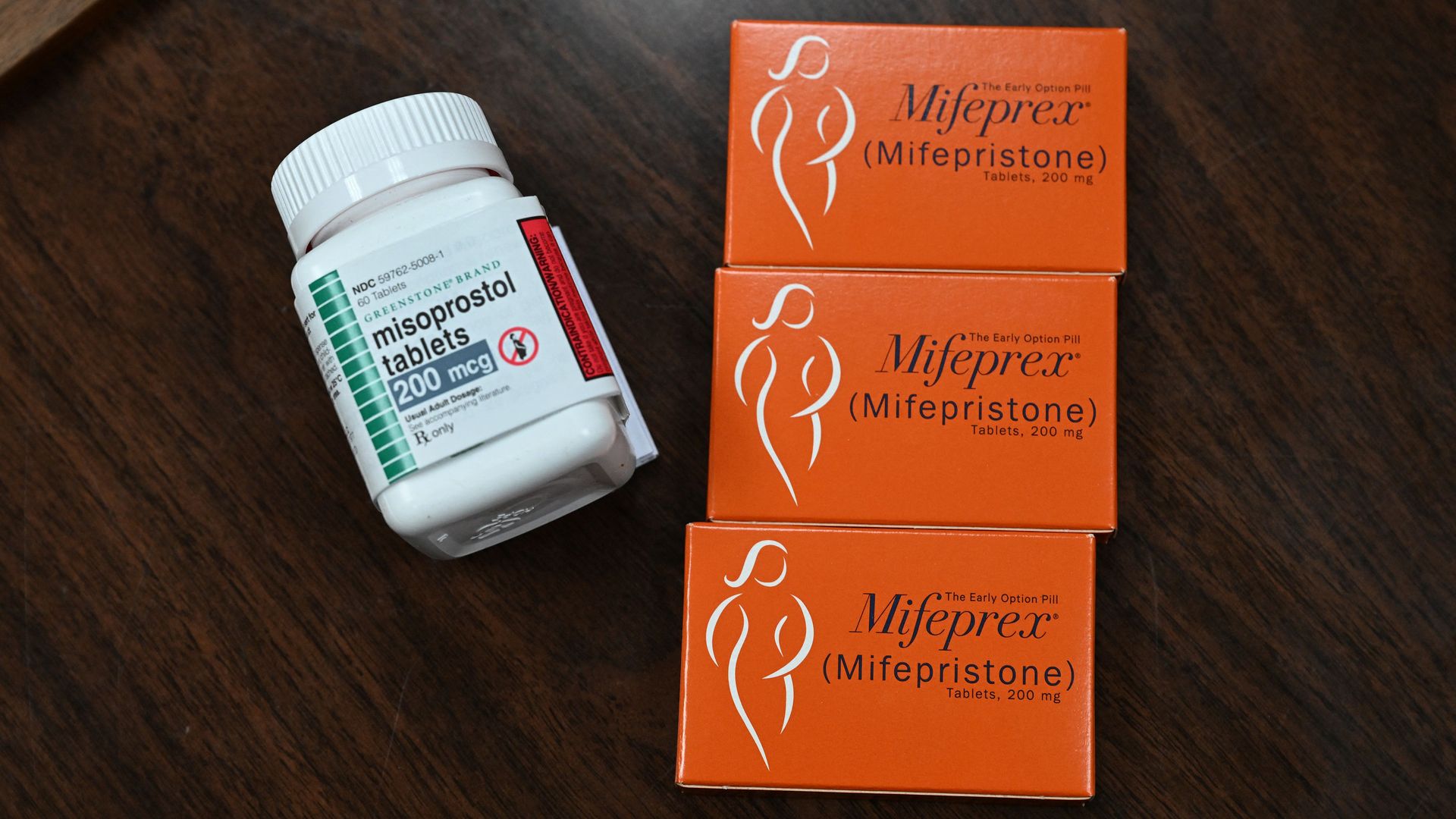
With a new Louisiana law reclassifying two drugs that can be used to induce abortions as controlled substances set to take effect Oct. 1, doctors are practicing how quickly they can get their hands on the lifesaving medication while also abiding by new state guidance, reports say.
Why it matters: "Most patients would likely make it," New Orleans Department of Health director and emergency medical doctor Jennifer Avegno told the Washington Post of the delays caused by added restrictions to the drugs, which have uses beyond abortion. "But I've seen myself what can happen when someone is bleeding out from a miscarriage. And a few minutes could mean life and death in some cases."
All seven independent directors of 23andMe resigned on Tuesday night, in a stunning rebuke of CEO Anne Wojcicki's efforts to take the genetic testing company private.
Zoom in: Among those quitting were longtime VC backers of 23andMe, like Sequoia Capital's Roelof Botha and xFund's Patrick Chung.
Private equity's expanding role in billing, tracking and collecting payments for health care is exacerbating America's medical debt problem, a new report from the Private Equity Stakeholder Project concludes.
Why it matters: PE-owned "end-to-end" service providers squeeze consumers at both ends, pushing medical credit cards and installment payment plans while aggressively pursuing debt collection.
Health care providers and telehealth vendors are pressing Congress to break an impasse over the virtual prescribing of controlled substances that could affect access to drugs like Adderall, along with medical marijuana and testosterone.
Why it matters: Pandemic-era telehealth prescribing allowances expire at the end of the year and the Drug Enforcement Administration and Department of Health and Human Services are reportedly at odds over whether to continue to make controlled substances available without an in-person doctor's visit.
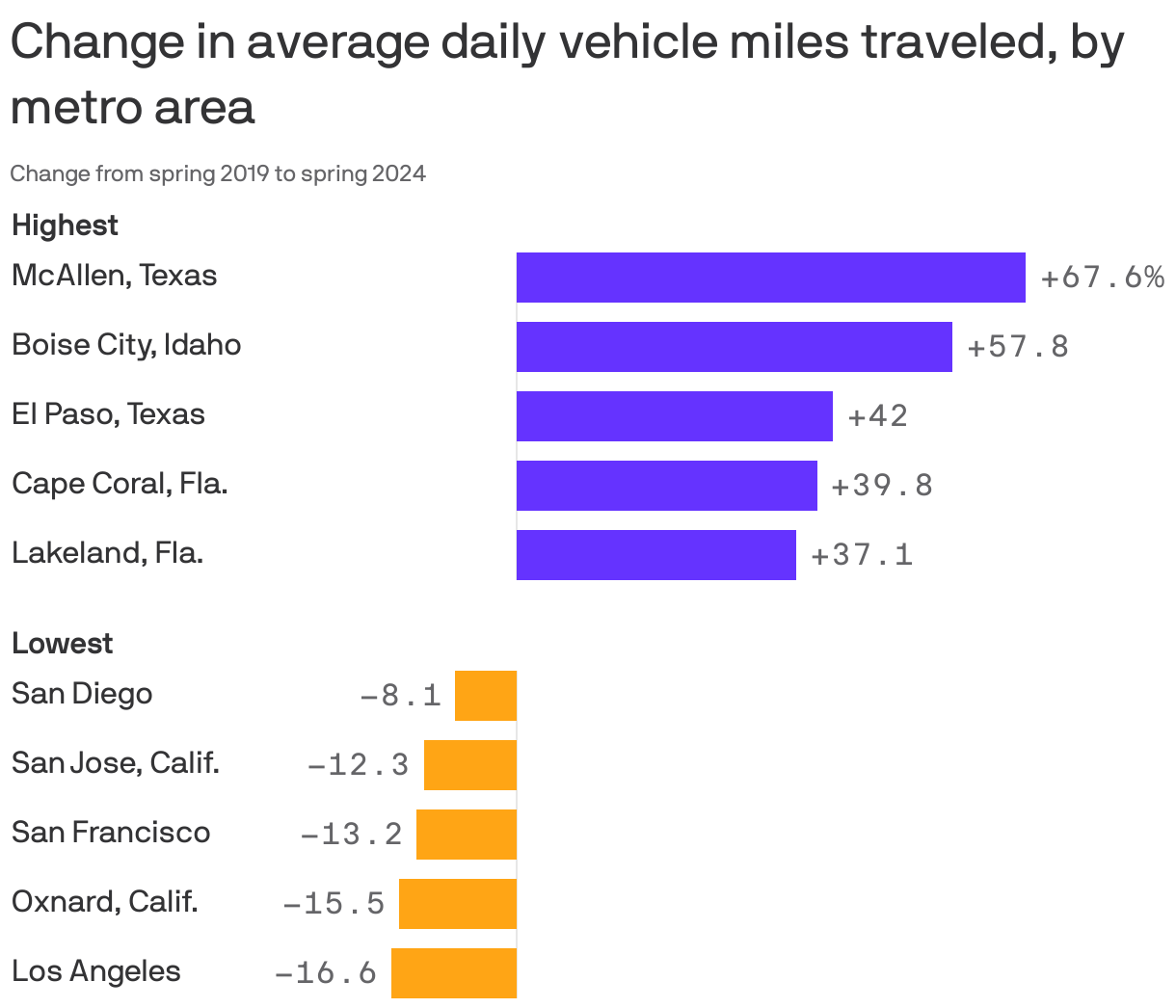
Driving rates are above pre-pandemic levels in almost every major U.S. metro, a new analysis finds.
Why it matters: The COVID-19 pandemic, when driving plummeted as people sought to "stop the spread," was a unique chance for cities to get a lasting handle on transportation-related emissions.
Democratic lawmakers, including Vice President Kamala Harris, are blaming abortion bans for the death of a Georgia woman who was denied immediate care due to the state's restrictive laws.