Cigna's Express Scripts filed a lawsuit Tuesday challenging a federal report that places the blame for rising drug prices on pharmacy benefit managers, describing it as "seventy-four pages of unsupported innuendo" and calling for a retraction.
Why it matters: Experts say the lawsuit is legally dubious but represents significant pushback from pharmacy middlemen "to counterbalance the narrative" from regulators.
Repeated scans revealed how a woman's brain underwent significant and sometimes lasting neurological changes during pregnancy that may help build parental instincts.
Why it matters: The findings published Monday in Nature Neuroscience could help researchers understand why some new parents develop postpartum depression and other neurological conditions that appear during or are worsened by pregnancy.
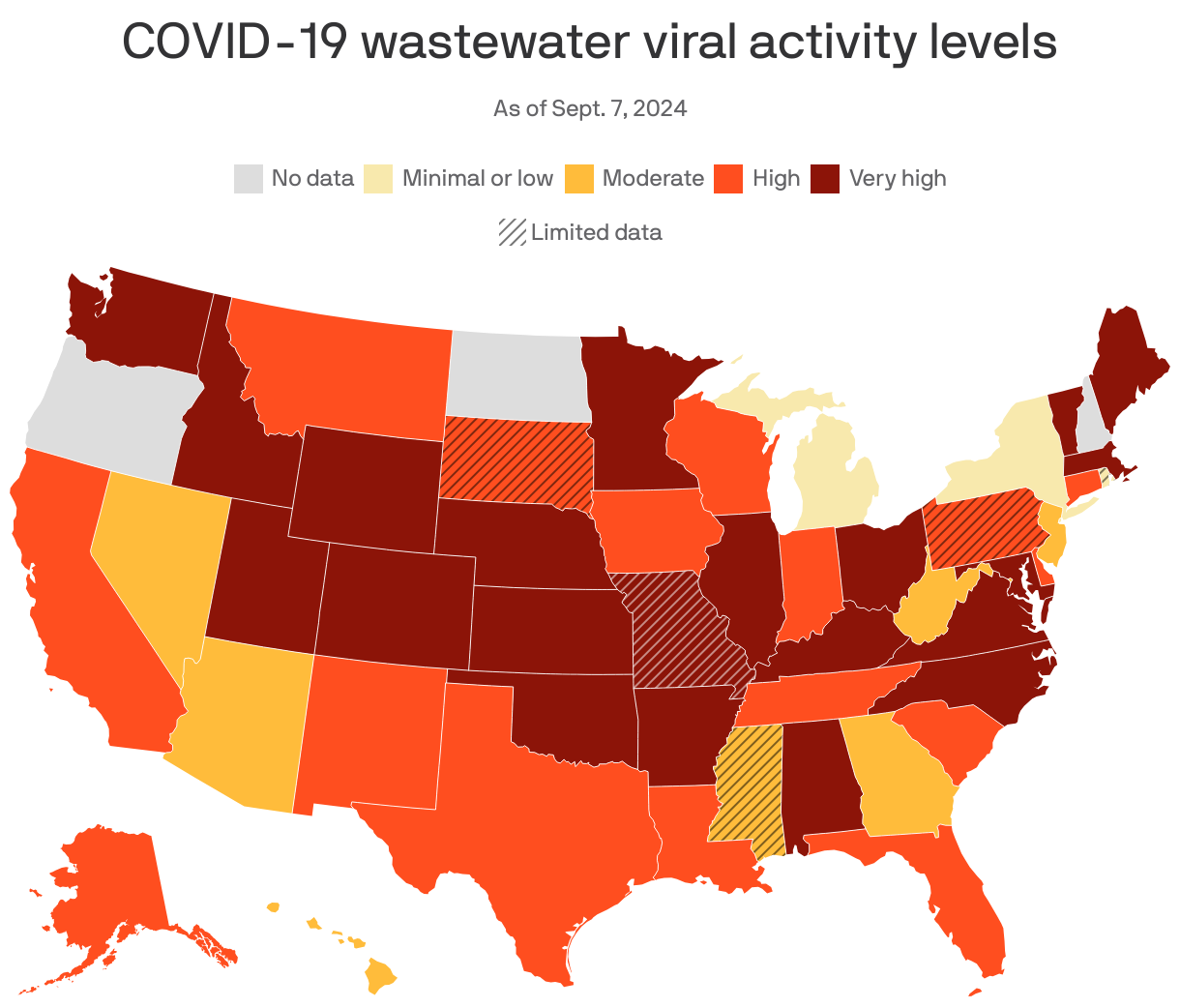
The summer surge of COVID-19 is receding in more than half of the states, though wastewater surveillance indicates high or very high levels of virus continue to circulate in much of the country, according to the CDC.
Why it matters: With peak summer travel over and mild temperatures keeping people outdoors in many regions, the country could get a respite before the traditional fall-winter surge kicks in.
More than 39 million people could die between now and the middle of this century due to infections stemming from superbugs that are resistant to widely used antibiotics, a new study in The Lancetprojects.
Why it matters: It's billed as the first in-depth analysis of the global health impacts of antimicrobial resistance and reinforces earlier findings that superbugs can be more fatal than diseases like HIV/AIDS.
The Trump campaign's populist rhetoric on drug pricing is colliding with more traditional GOP concerns in Congress about heavy-handed government squelching pharmaceutical innovation.
The big picture: The tension surfaced this week when multiple high-ranking Republicans told Axios they want to repeal the Inflation Reduction Act's Medicare drug price negotiations next year if they prevail in the elections.
U.S. students have made up for some pandemic-era learning losses in math and reading — but the recovery has been slow and uneven, especially among students of color, per a new report.
Why it matters: The pandemic exposed deep racial and income inequalities in the nation's public school system, and the uneven recovery is showing few of those inequities have been addressed enough.
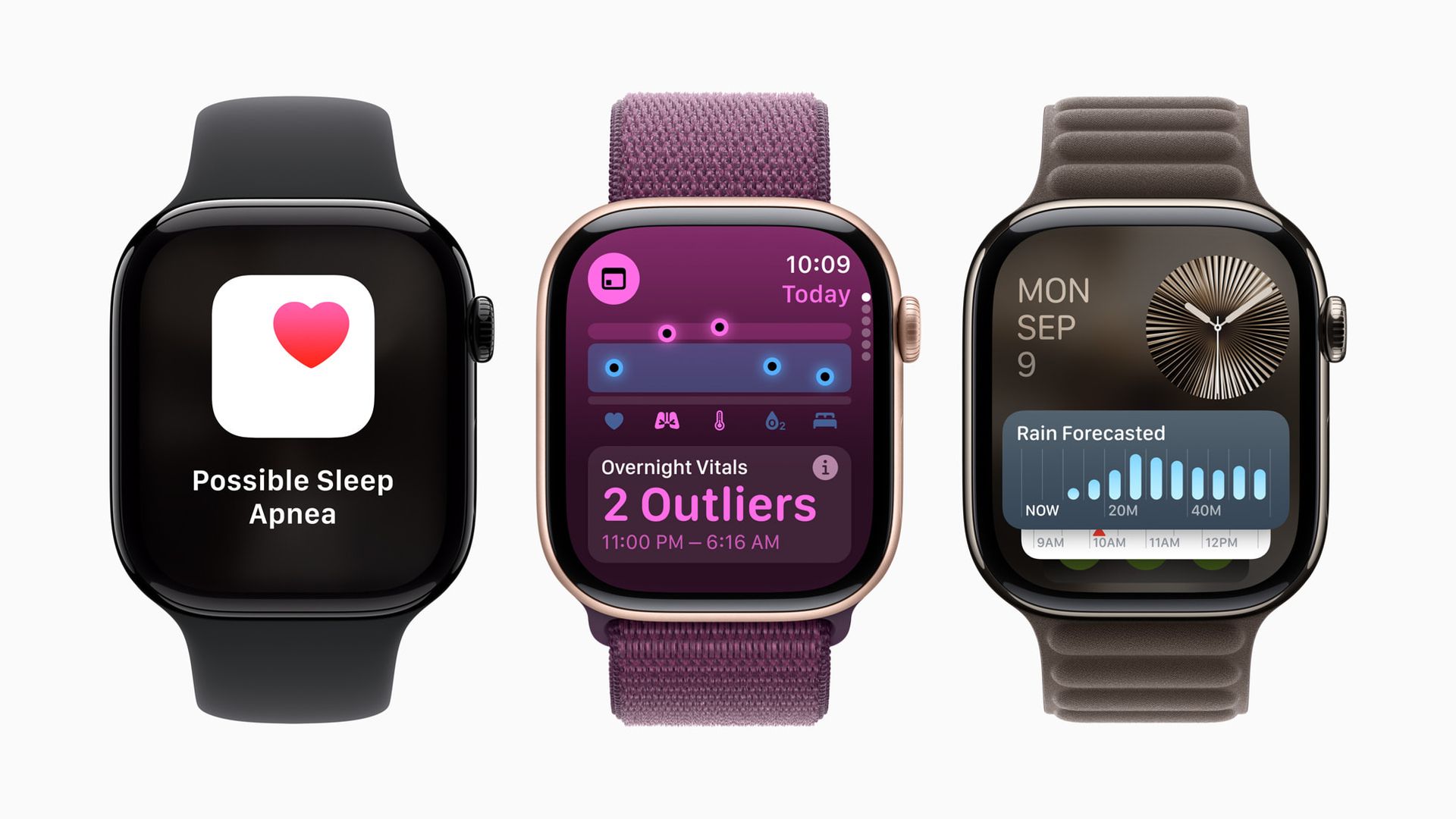
Apple on Monday released watchOS 11 for Apple Watch Series 9, Apple Watch Series 10 and Apple Watch Ultra 2, featuring new health features like sleep apnea notifications and fitness insights like Training Load.
The big picture: The latest operating system offers more personalization and ways to stay connected to yourself and your environment.
Scientific American magazine announced Monday that it was endorsing Vice President Kamala Harris in the 2024 race, citing her plans to improve the nation's health care system, fight climate change and support reproductive rights.
Why it matters: This is only the second time in the magazine's 179-year history that it has made an endorsement in a presidential race, the publication's editors wrote in an op-ed.
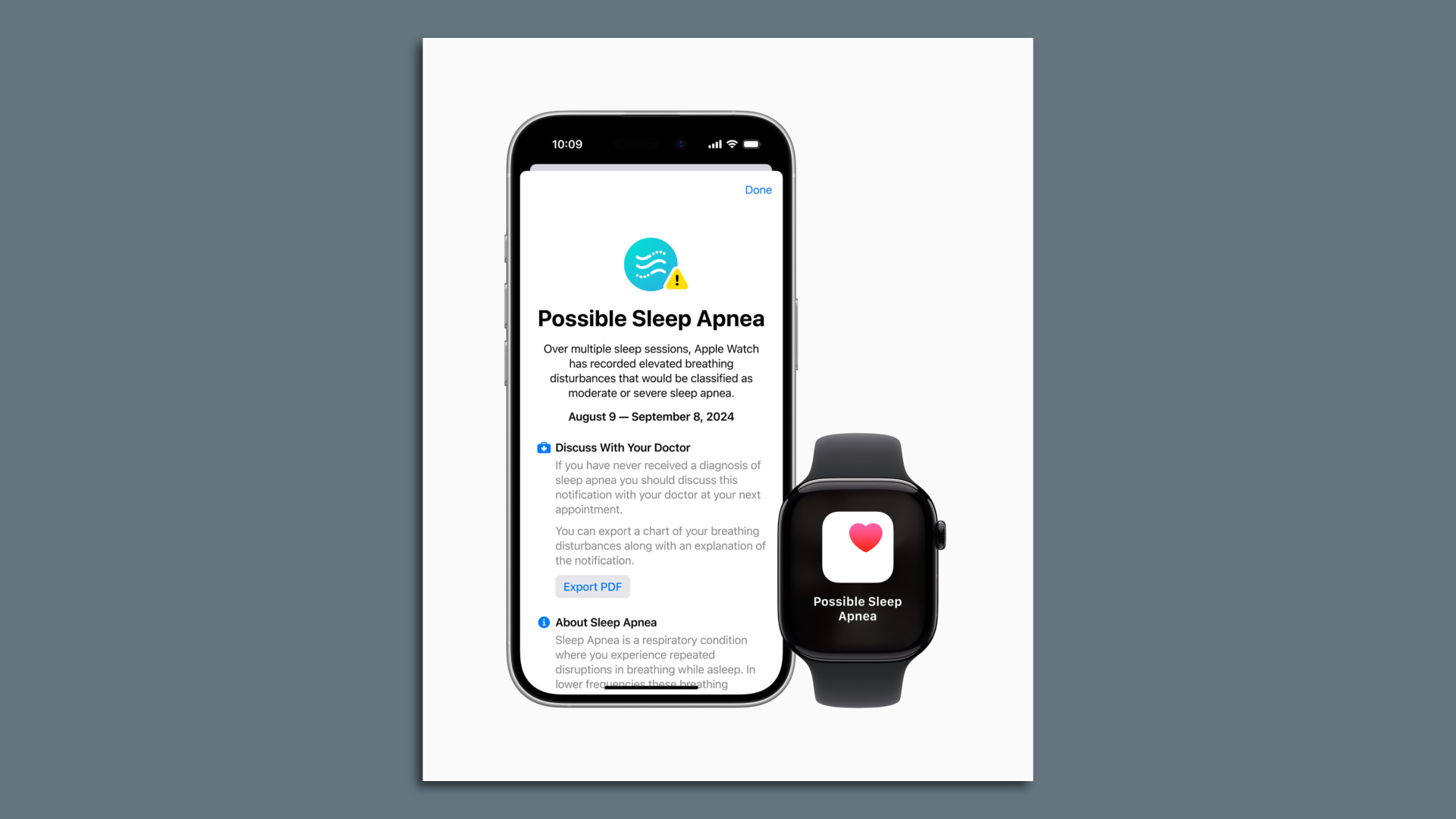
The Food and Drug Administration on Monday approved Apple's new sleep apnea detection feature for use on the Apple Watch Series 9, Series 10, and Watch Ultra 2.
Why it matters: The feature allows the watch's accelerometer to automatically detect signs of sleep apnea in the wearer — making it possible for this widely available device to help identify the condition.
The Biden administration has finished the first update in 20 years of rules for investigating fraud in federally funded research but backed away from some aggressive changes after getting blowback from universities.
Why it matters: Research misconduct hit an all-time high last year, with the number of journal article retractions hitting more than 10,000, Nature reported.
Patients are increasingly joining online communities to learn how to make pirated versions of abortion pills, GLP-1s and other prescription drugs and medical treatments.
Why it matters: It's an outgrowth of frustration with high prices and bottlenecks in the health system, combined with a broader medical freedom movement built around patient empowerment and fueled by social media.