Google may have dissolved its formal health division years ago but the company remains active in the sector, per chief health officer Karen DeSalvo.
Why it matters: Google Health was formally dismantled in 2021, with its units scattered throughout the search giant, raising questions about the company's strategy.
Nearly one in five women seeking an abortion at the end of 2023 turned to telehealth for treatment, allowing them to circumvent state laws banning the procedure, according to a national report released Tuesday.
The big picture: Since the Supreme Court overturned Roe v. Wade, the volume of abortions has increased in part due to new state laws providing legal protections to clinicians who offer telehealth abortion care to patients in places with restrictions, according to the Society of Family Planning's #WeCount report.
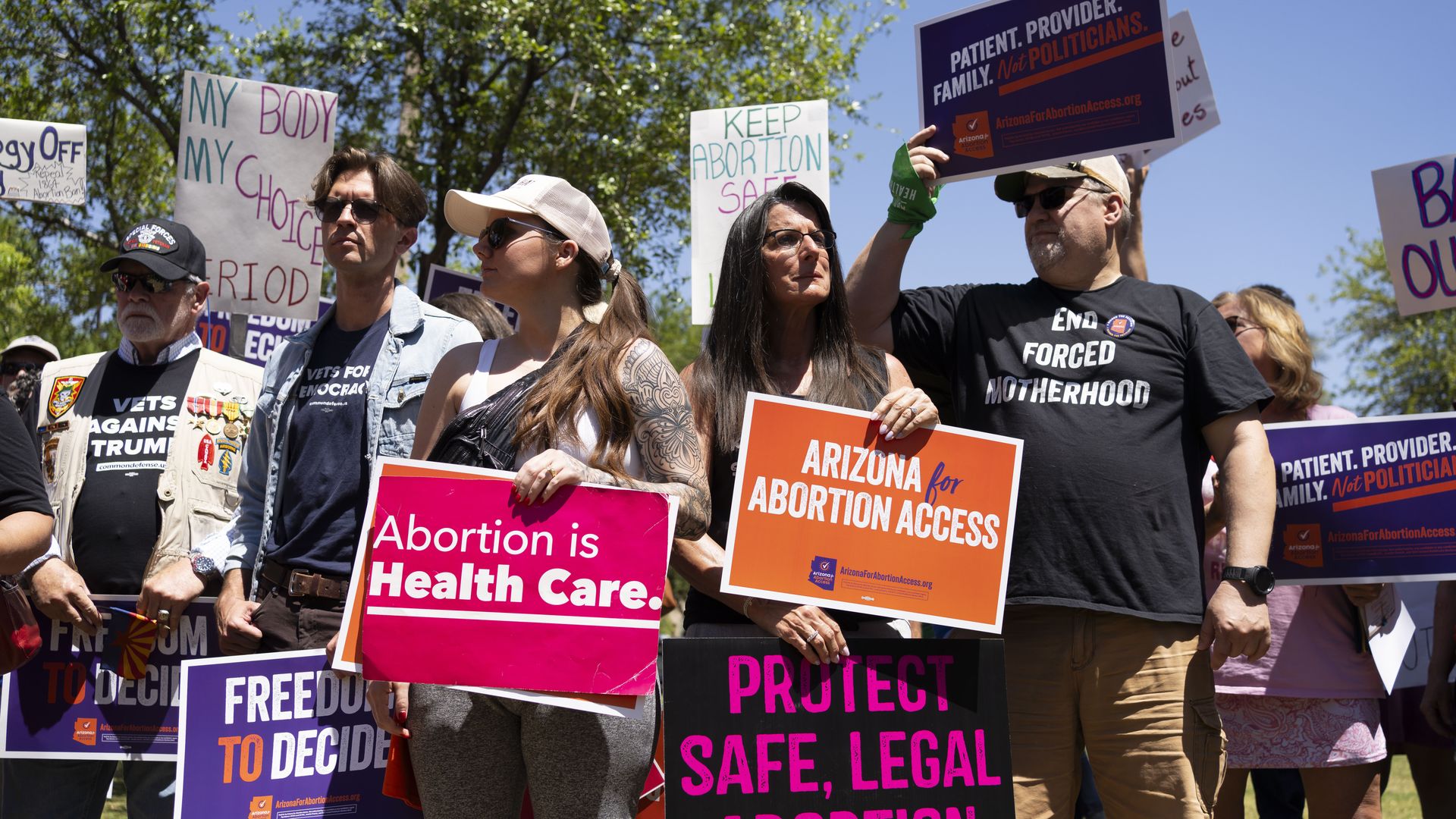
The Arizona Supreme Court on Monday agreed to delay for another 90 days enforcement of an 1864 ban on nearly all abortions.
Why it matters: The ban was recently repealed and the delay narrows the window during which it could be temporarily enforced, a win for reproductive rights advocates.
Private equity is breathing easier this morning, after a federal judge in Texas dismissed what could have been a landmark antitrust lawsuit against Welsh Carson Anderson & Stowe.
Why it matters: The Biden administration took a big swing against private equity. And it missed.
President Biden has come closer than any of his Democratic predecessors to reaching the party's long-standing goal of universal health coverage, but unaffordable care costs may overshadow the achievement.
Why it matters: Having health insurance by itself doesn't guarantee that care will be affordable, and voters feeling the pain of inflation are more concerned about their own health costs than whether everyone will have some level of coverage.
Some people say a tomato is a fruit while others say it's a vegetable — and then there are people who say there actually is no such thing as a vegetable. That could all be correct.
Why it matters: Technical "vegetable" definitions can confuse people who are trying to eat well.
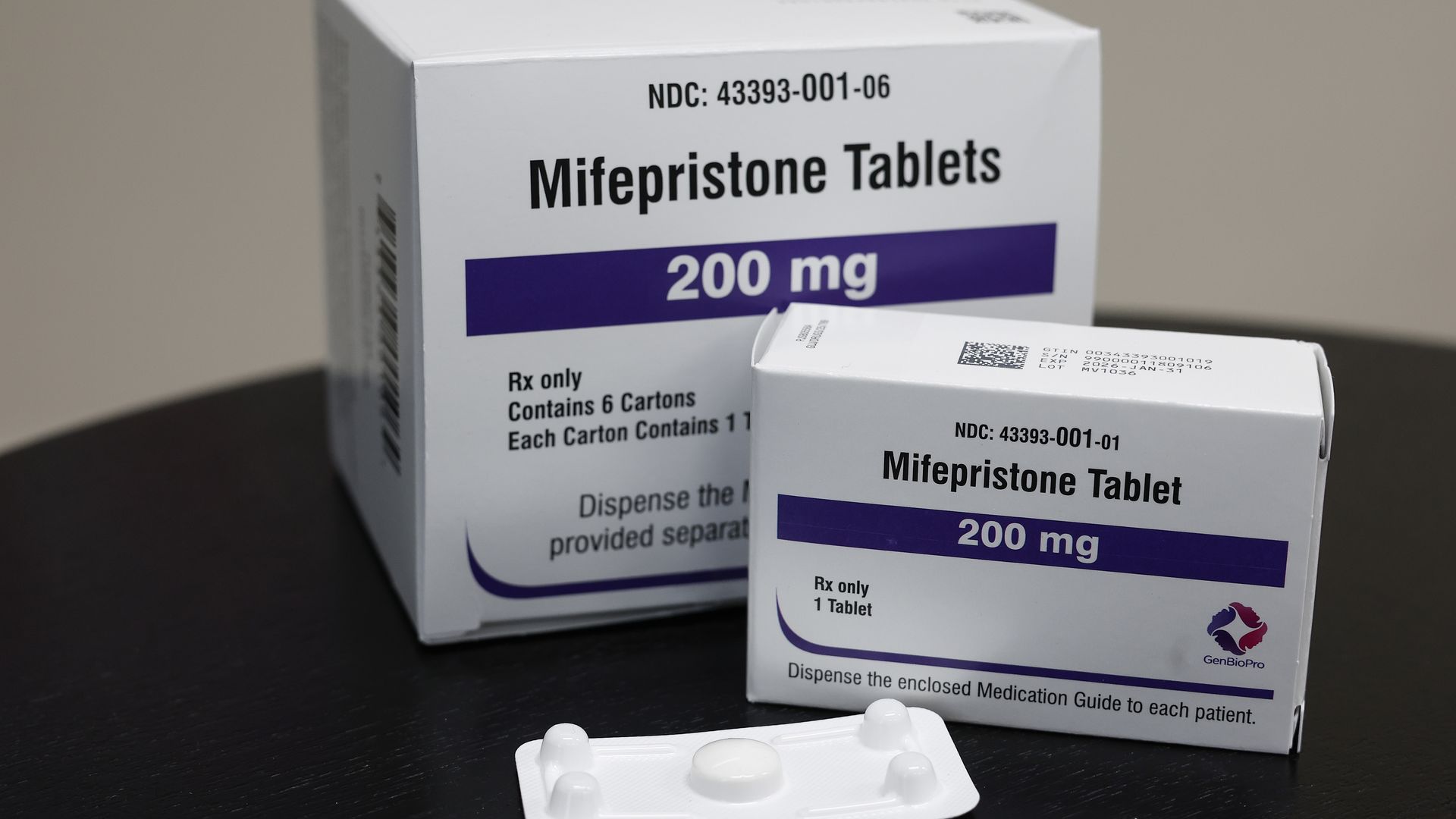
Louisiana is moving to criminalize possession of two medications used to induce abortion without a prescription, with punishments including prison time.
Why it matters: If approved, Louisiana would become the first state to categorize mifepristone and misoprostol as controlled dangerous substances, a class of drugs that includes medications that can be abused such as narcotics, steroids and depressants.
Nearly half of illicit fentanyl seized by U.S. law enforcement now comes in pill form, representing an alarming shift in the country's illegal drug supply, according to a new federally funded study.
Why it matters: Fentanyl in pill form often looks like common prescription pills including oxycodone, Xanax or Adderall, increasing the risk that people will unknowingly consume the powerful synthetic opioid that's the leading cause of fatal drug overdoses.
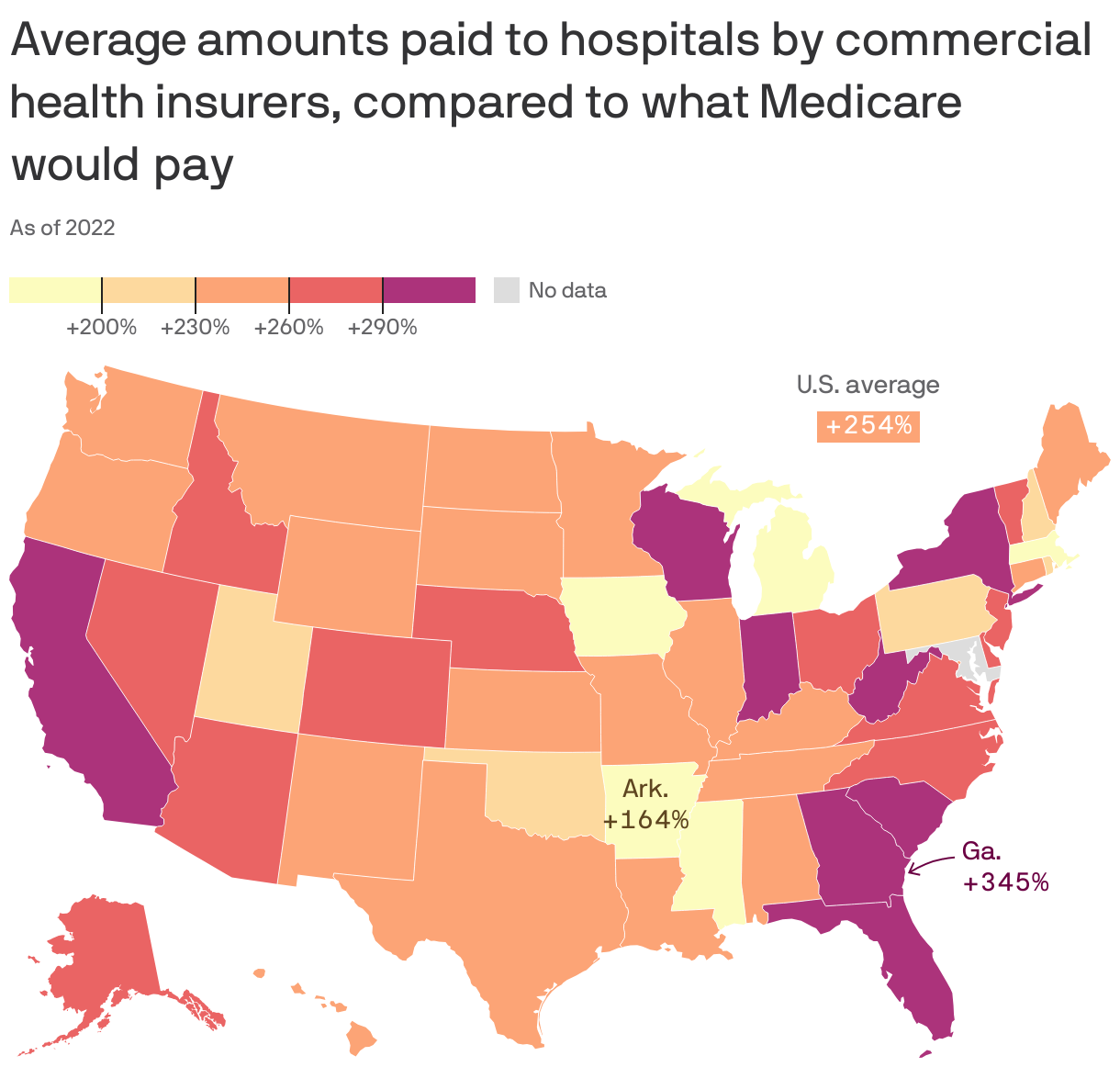
Private health insurance on average pays hospitals 2.5 times what Medicare does for the same services, with some states seeing relative prices of more than 3 times greater, according to a new RAND report.
Why it matters: The wide range of prices can't be explained by differences in quality, report authors said.
Employers trying to rein in rising health costs are also taking the fight directly to health care providers.
Why it matters: New transparency around the price of health care services and workers' mounting frustration with costs are emboldening some employers to get tough in negotiations with hospitals and provider groups.
An emerging legal battle over workplace health insurance could empower employees to fight back against high costs and put new pressure on their employers.
Why it matters: Workers fed up with rising health care costs, which also eat into their wages, are filing lawsuits aiming to hold employers accountable for cutting what they say are bad deals with firms that manage their health benefits.
















/2024/05/10/1715368217253.gif?w=3840)