More than 100,000 Black women are expected to be enrolled in the largest-ever study of cancer risk and outcomes in this high-risk group, the American Cancer Society announced Tuesday.
Why it matters: Despite major gains in the past two decades, Black women in the U.S. have the highest death rate and the shortest survival rates of any racial or ethnic group for most cancers.
Panera Bread is dropping its heavily caffeinated Charged Lemonades that have been the subject of lawsuits alleging the drinks can cause health issues, Bloomberg reports.
Why it matters: Energy drinks have been growing in popularity despite the health risks.
People overcoming physical workplace injuries may have accompanying behavioral health challenges that could keep them off the job almost three times as long, according to an analysis from business insurer Sentry.
Why it matters: Early detection of mental health concerns among injured workers can improve employee well-being and save companies money.
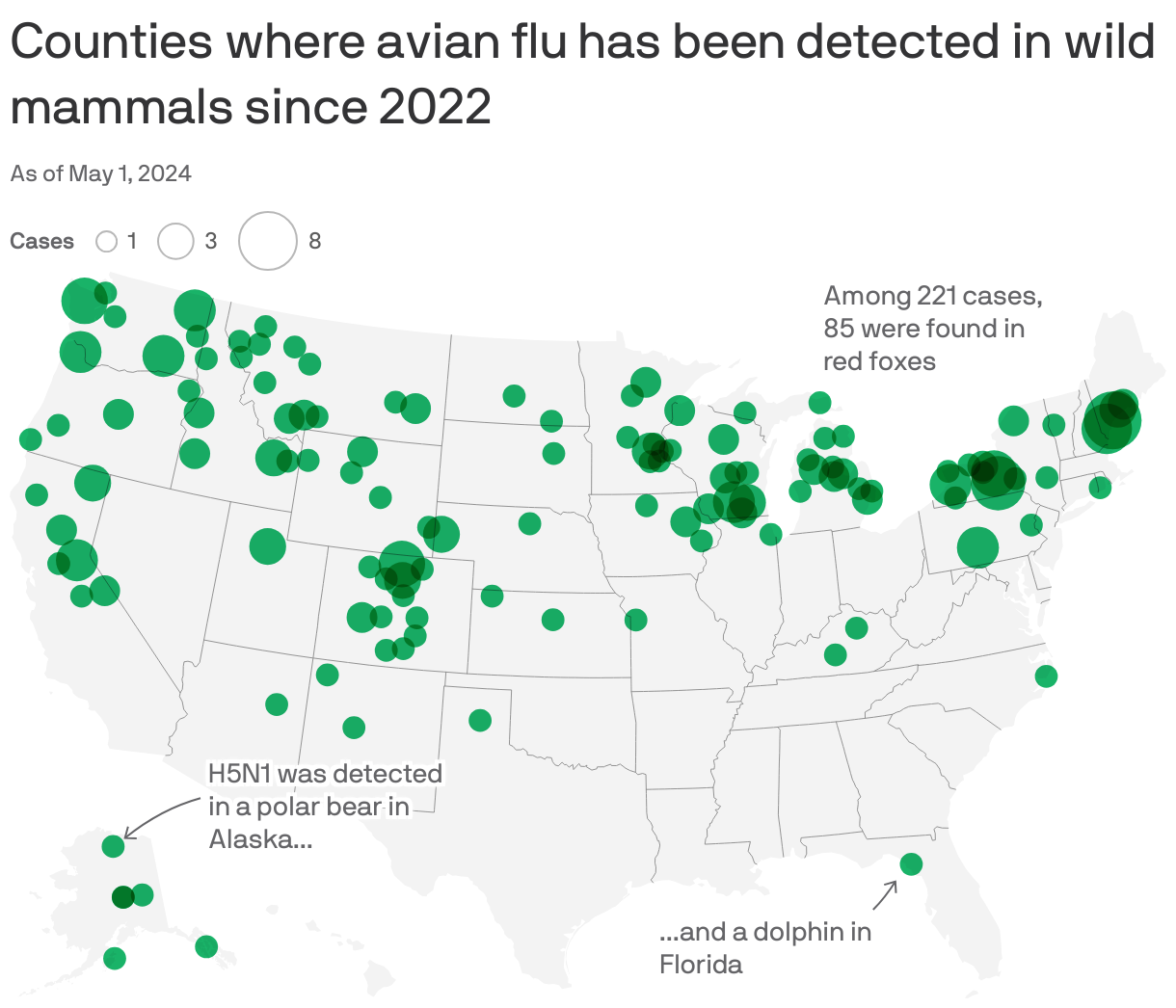
The bird flu outbreak in dairy cattle doesn't currently pose a risk to the public, but experts say detecting viral spread early and limiting how long it circulates in a population of animals cuts the odds it will jump to new species.
The current version of H5N1 flu has been in circulation since 2021 and infected a range of animals, and is already in more than 30 herds.
A new report calls on all levels of government to strengthen U.S. biodefense measures and urges policymakers to codify parts of a national strategy to address an array of biological threats.
Why it matters: Threats in the form of infectious disease outbreaks, lab accidents and biology-based weapons are expected to increase in the coming years,according to the report's authors and other experts.
An expanding pipeline of vaccines is giving patients new hope against some of the deadliest cancers, by training the body's immune system to attack malignancies.
Why it matters: This personalized approach could make conditions like melanoma and bladder, kidney, pancreatic and breast cancers treatable, and even potentially preventable, via infusion.
A common liver condition — non-alcoholic fatty liver disease — is in the midst of a rebrand.
Why it matters: The name of the condition, which affects 1 in 4 U.S. adults, was officially changed by several medical societies in the last year, and is part of a broader effort to eliminate stigmatizing language from medicine.
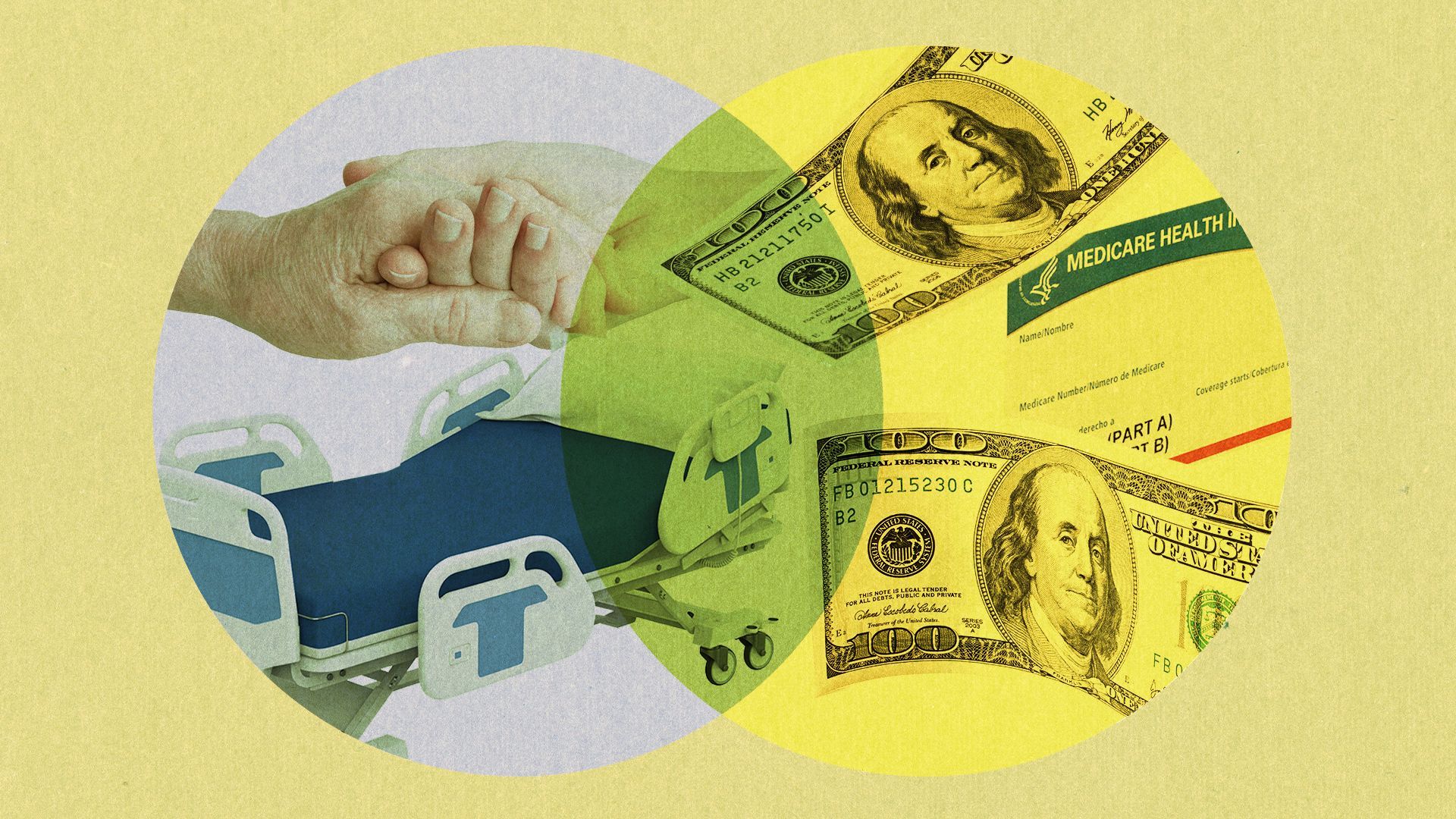
As Medicare Advantage grows bigger and bigger, there's one area the industry and regulators haven't figured out how to make work yet: hospice.
Why it matters: The end-of-life care option is the only Medicare service that can't be offered in the private-run alternative, which now covers over half of enrollees.