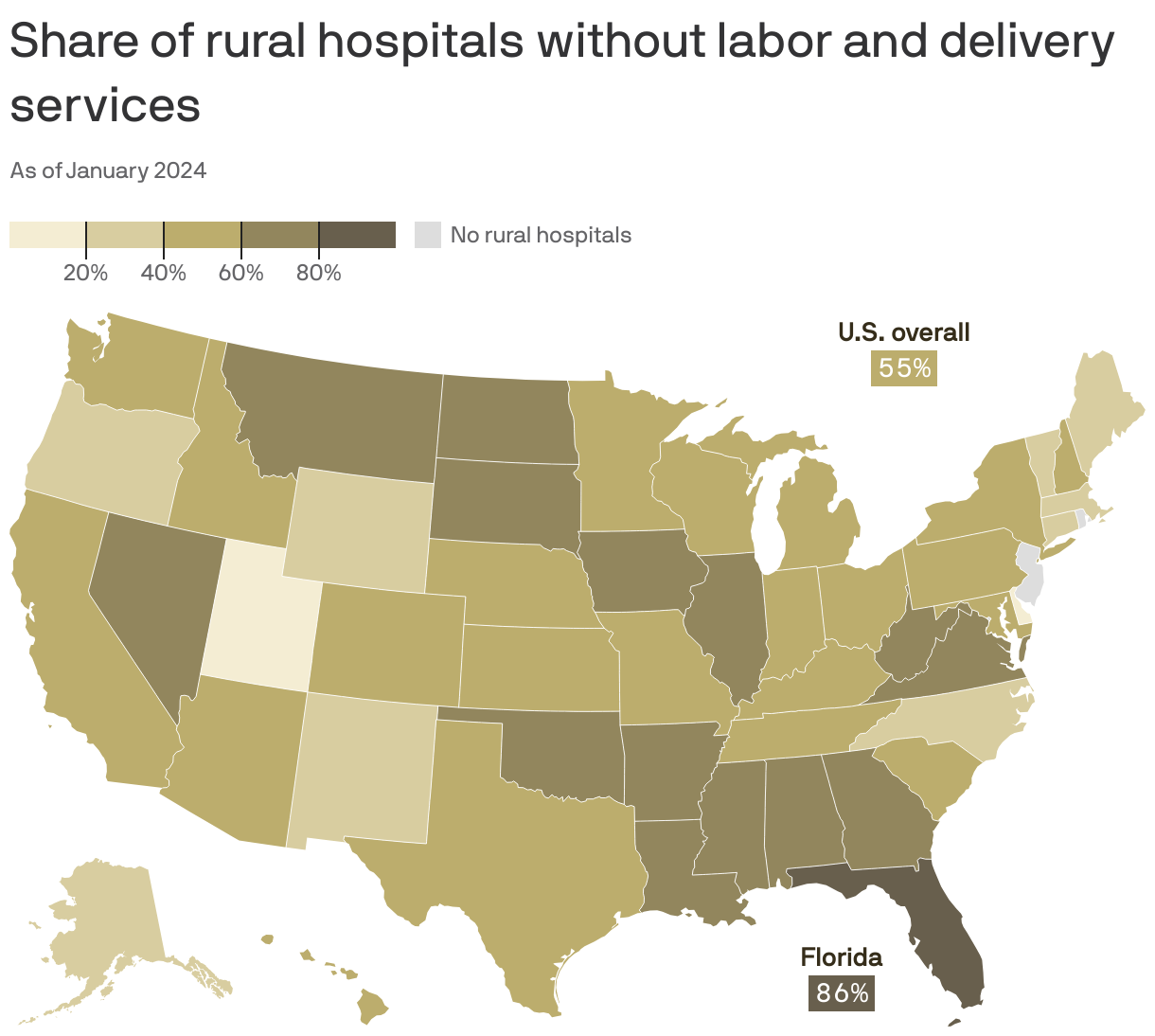
Data: Center for Healthcare Quality and Payment Reform; Map: Axios Visuals
More than half (55%) of the nation's rural hospitals don't offer maternity care, as challenging economics and labor shortages force more rural facilities to stop providing labor and delivery services.
The big picture: Hospitals have been increasingly scaling back or cutting maternity services for financial reasons — while demand for obstetrics care rises as more states ban abortion.
A New York City plan to buy up medical debt for up to a half-million low- and middle-income residents could erase over $2 billion in medical bills, city officials said.
Why it matters: It marks the largest municipal effort yet to wipe out medical debt, a leading cause of personal bankruptcy and a threat to people's health.
Details: New York is investing $18 million over three years in a partnership with the nonprofit RIP Medical Debt, which buys up medical debt in bulk on the cheap.
There's no application process — residents will be told if their debt has been paid off.
The big picture: Thefederal government has taken steps to erase medical debt from credit scores, while states have sought other measures to ease the financial burden.
But a growing number of cities and counties are simply wiping the slate clean for some residents struggling with medical bills.
Among those that have leveraged federal pandemic relief funds to erase medical debt are Illinois' Cook County (which has eliminated $281 million for nearly 160,000 people), New Orleans and St. Paul.
Los Angeles County, the nation's most populated, is weighing a plan to eliminate over $2 billion in medical debt.
A county report last summer found that about 810,000 residents have medical debt, with disproportionate impacts on lower-income and minority residents.
An unusual bipartisan coalition of lawmakers is teaming up on drug pricing legislation, proving the issue may defy election-year partisanship as health care costs remain a top voter concern.
Why it matters: The effort highlights the increased scrutiny some influential Republicans are giving an industry the GOP has long allied itself with.
The spread of a drug known as "gas station heroin" has caught the attention of lawmakers, who are calling for the dangerous substance to be more tightly regulated.
Driving the news: A bipartisan group of lawmakers sent a letter to the Food and Drug Administration this month calling for regulators to research and provide guidance on the use of tianeptine, an antidepressant that has gained popularity as an alternative to opioids, according to the FDA.
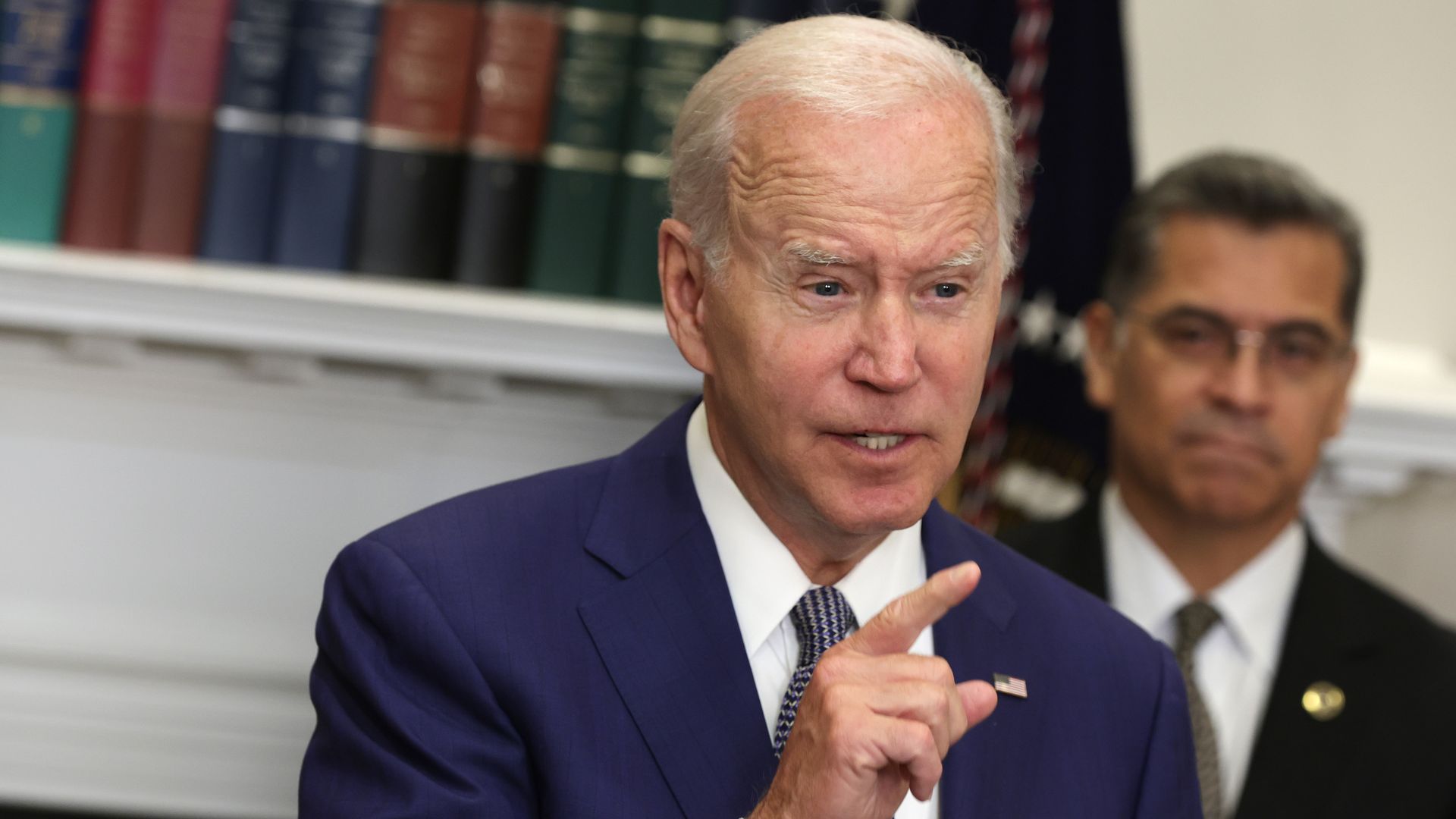
President Biden is highlighting his administration's efforts to protect reproductive rights, aiming to use the anniversary of Roe v. Wade to elevate an issue that Democrats believe will turn out voters this fall.
Driving the news: The Labor, Treasury and Health and Human Services departments issued updated guidance Monday on how health plans can expand access to free birth control and ensure they're complying with the Affordable Care Act requirements for FDA-approved contraception.
Even AI optimists don't envision the technology fundamentally remaking the U.S. health care system anytime soon, but there's widespread agreement that it has the potential to vastly improve the quality of care and trim costly waste.
Why it matters: The scale of change that AI could bring to health care not only impacts patients but also the millions of people the system employs — who will ultimately shape how widely it's adopted.
Ohai.ai, a venture-backed startup from Care.com founder and former CEO Sheila Lirio Marcelo, has emerged from stealth to help households stay organized, the company tells Axios exclusively.
Why it matters: The company believes that its virtual assistance platform, dubbed "O," can lighten the mental load of family schedule management and task delegation.