Wednesday's health stories

HLTH is eating the conference world

A soaring attendee list, jam-packed schedule and sessions with seemingly every corner of the health care spectrum from startup to banker to Big Tech have Axios wondering: Is HLTH eating the conference world?
Why it matters: CES, JPM and HIMSS were once the heaviest hitters in the health tech world — places where so much dealmaking happened, people resorted to taking meetings in bathrooms.
- HLTH's attendee list nearly tripled this year, with 9,000 people roaming the glamorous, dimly lit halls of the Venetian Expo — up from a roster of roughly 3,500 when the conference started in 2018.
- It's almost as if the new kid on the health care block is eating the conference world, in true Andreessen Horowitz fashion.
Zoom in: In addition to HLTH in November, the same conference organizers put on ViVE, pitched as "like HLTH, but for hospital CIOs" — otherwise known as the same people that would attend HIMSS.
What they're saying: All of Axios' Erin Brodwin's meetings at HLTH have ended with her asking the unofficial survey query: After all of this, are you going to any of those other three events? The answer is often a shrugged maybe or firm no accompanied by raised brows (as if Erin should know the answer). The reasons include:
- "All the investors are here," GSR Ventures partner Sunny Kumar told Axios on Monday.
- HLTH is all in one very, very large building, so there's no need to run around in the San Francisco rain — or take a bathroom meeting, pointed out Steven Wardell, a digital health consultant with the growth consulting firm Wardell Advisors.
- Market conditions mean tighter budgets overall, so people who bought tickets to HLTH six months ago may not want to shovel out thousands of additional dollars for another event happening within months.
The other side: Still, for those local to San Francisco or Las Vegas, conferences such as JPM or CES may still seem like a logical bet.
- "For me JPM means walking down the street," Redpoint Ventures principal Jacob Effron told Erin on Tuesday. "So yes, I'll be there."
Meanwhile, for what it's worth, Erin will be there too.

Amazon expands health care footprint with virtual clinic offering

Amazon on Tuesday launched a new virtual care service called Amazon Clinic, which offers treatment with a few clicks and an out-of-pocket cost on par with a standard co-pay, for common medical conditions.
Why it matters: The move solidifies Amazon's intention to be a major player in the consumer-driven health care space, building out services and capabilities around their other offerings like Amazon Pharmacy and their recent purchase of OneMedical.

Health workers let go amid gridlock over COVID funding

Most of the 4,000 specialized workers brought on by a national nonprofit to fortify public health departments during the pandemic are being let go, as time-limited funding needed to extend their contracts dries up.
Why it matters: The cuts are happening ahead of an expected winter surge in COVID, flu and RSV that could again tax health surveillance systems and a drained workforce of disease-trackers.
Hospitals seek more aid to house patients they can't discharge
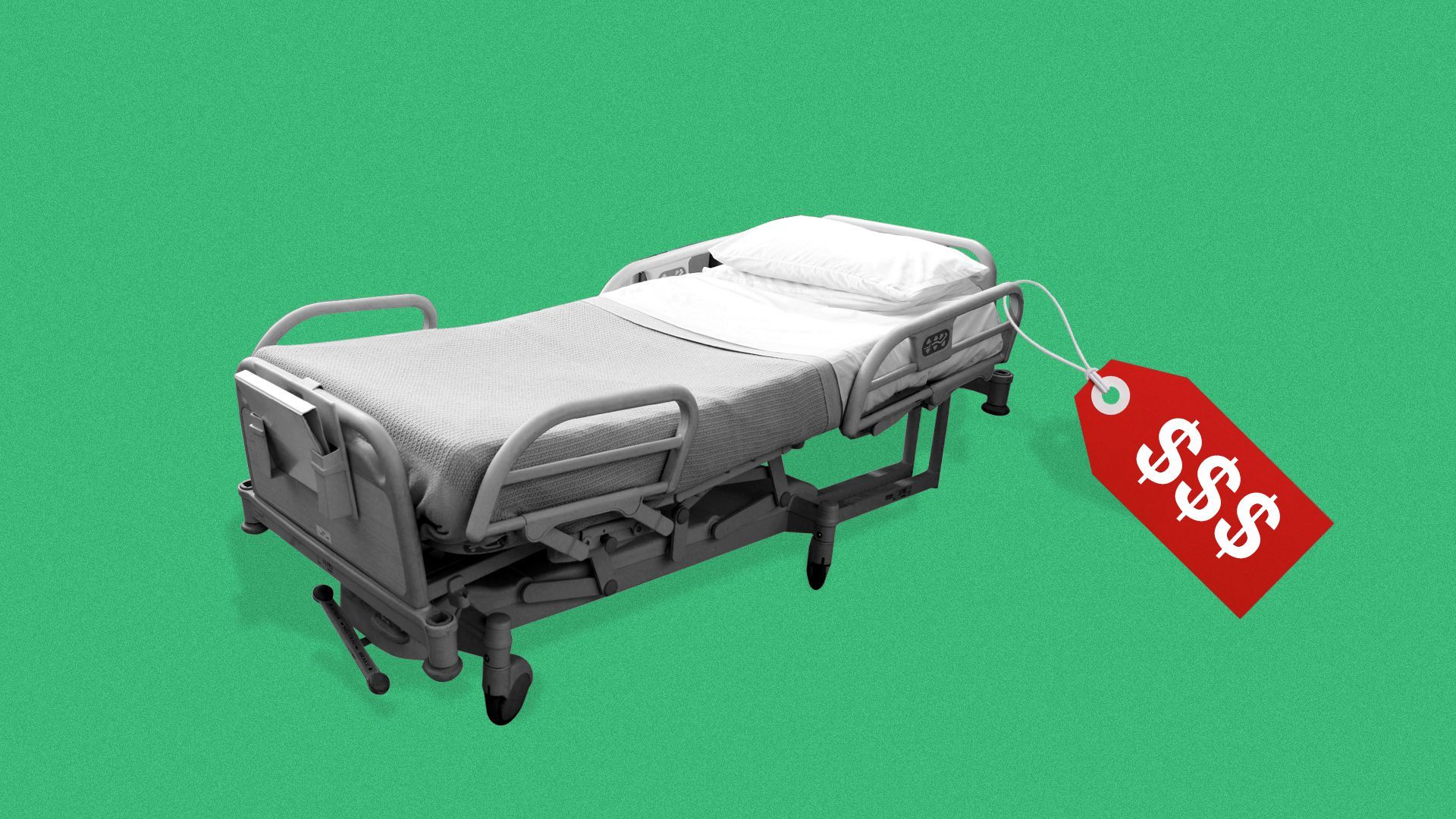
Health worker shortages are keeping hospitals from discharging patients for post-acute care and prompting pleas to Congress for per diem Medicare payments to cover the longer stays.
Why it matters: The requests add to a long list of health industry asks that Congress will have to sort through in the lame-duck session and underscore how the fallout from the pandemic is still rippling through the health care system.

Axios Finish Line: The power of pets

This article originally appeared in Axios Finish Line, our nightly newsletter on life, leadership and wellness. Sign up here.
Humans have had pets for tens of thousands of years — but the research on whether dogs and other pets can actually boost our mental and physical health is still relatively new.
🖼️ The big picture: There are a slew of recent studies that have shown dog ownership can relieve stress and anxiety and push us to exercise more.
- Less than 10 minutes of playing with or petting a pup can improve your mood, lower stress levels, and even decrease heart rate and blood pressure, research has shown.
- Studies have also demonstrated that trained therapy dogs can bring comfort to veterans dealing with post-traumatic stress disorder or homesick college students.
- Dog owners also tend to walk about 20 minutes or 2,760 steps per day more than non-owners, according to one study. Getting a furry friend could especially help older adults for whom even a moderate increase in daily walking can significantly boost longevity.
🧠 Reality check: If you're not a pet person, or if you're allergic, not to worry.
- While there are real perks to dog ownership, many of the wide-ranging studies that looked at whether having a dog improves heart health or does away with depression didn't find conclusive links, notes Hal Herzog, a psychologist at Western Carolina University who studies the human-animal bond.
- "Not everybody is cut out to have a pet," says Herzog. And of course it's possible to be healthy and happy without pets in your life.
Case in point: Some 23 million people adopted pets during the pandemic, and as the world opened back up, many have had to reckon with the fact that pet ownership can be costly and limit freedom — and some have even returned their pets, the Washington Post reports.
🐕 Still, the overwhelming majority of pet parents say their pets make their lives better.
- 77% of people with pets seek comfort from their animals "somewhat often" or "very often," per a recent YouGov survey.
- 58% consider pets members of their families.

"Jeopardy!" star Amy Schneider to testify against Ohio's anti-trans bill

"Jeopardy!" legend Amy Schneider will testify Wednesday in the Ohio state legislature against a bill that would ban gender-affirming health care for minors in Ohio.
The big picture: Ohio is one of several states that have attempted to restrict access to gender-affirming medical care for transgender youth amid a wider slew of anti-trans legislation, even though medical associations like the American Medical Association oppose such measures and say that trans and nonbinary gender identities are "normal variations of human identity and expression."


Judge strikes down Georgia's six-week abortion ban
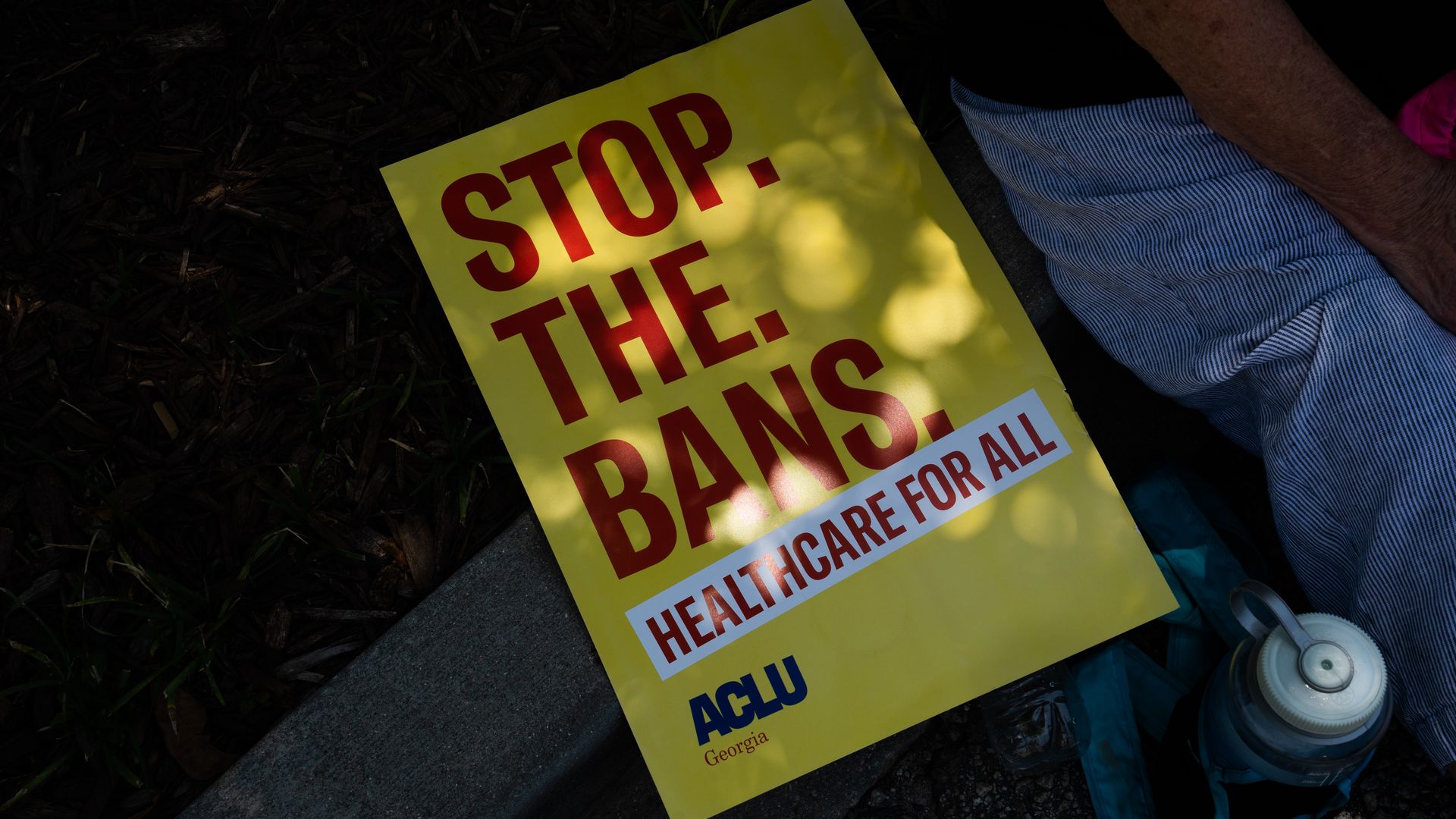
A judge in Georgia on Tuesday struck down key provisions of the state's six-week abortion ban, calling the ban unconstitutional.
The latest: The state of Georgia filed an appeal to the state Supreme Court shortly after the law was overturned.

Health care headwinds chill PE-led dealmaking
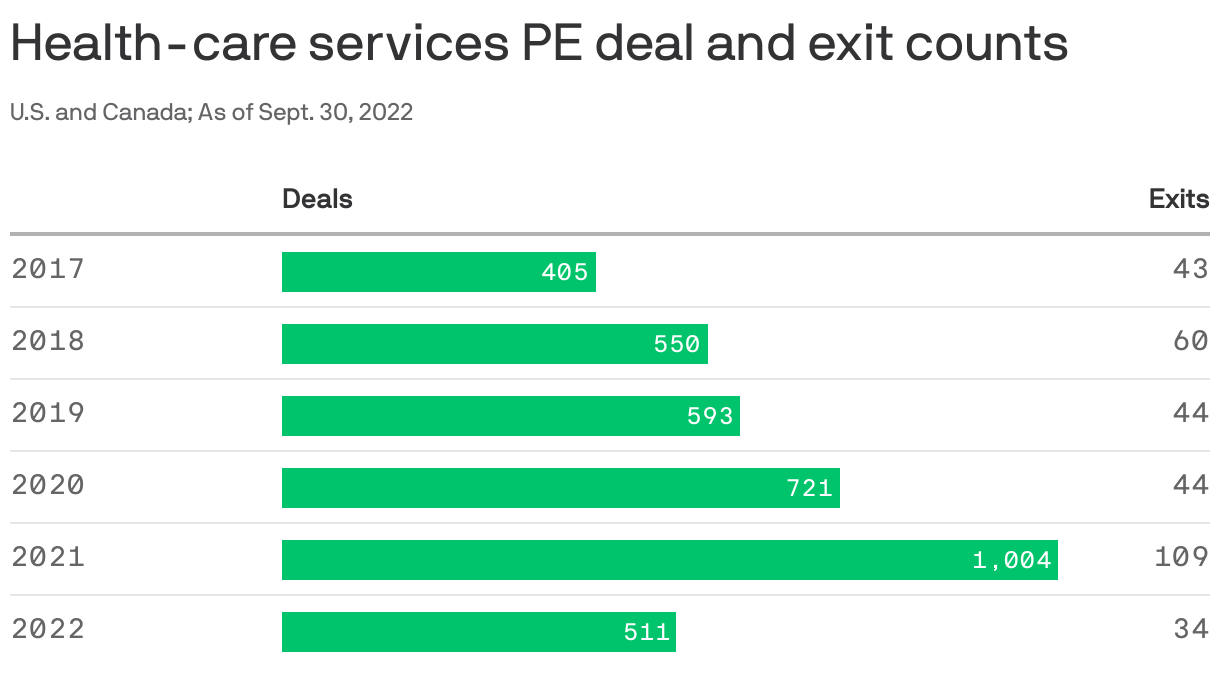
Strained debt markets and staffing shortages have tamped down private equity-led activity in healthcare services, according to a PitchBook report on Q3 M&A in the sector.
Why it matters: In the final quarter of the year, several health care services processes remain in market, at varying levels of activity.
Cambodia PM cuts G20 trip short after testing positive for COVID

Cambodian Prime Minister Hun Sen has canceled his meetings at the G20 summit in Bali, Indonesia, and was returning home after testing positive for COVID-19, he said in a Facebook post on Tuesday.
The big picture: The positive test comes just days after Hun Sen hosted several Asian leaders, as well as President Biden and others for the Association of Southeast Asian Nations (ASEAN) summit in the Cambodian capital Phnom Penh.

Get ready for a drug importation revival

Sens. Bernie Sanders and Rand Paul’s shared interest in expanding drug importation could emerge as a populist sequel to Democrats’ drug pricing bill next year — and rekindle friction between the hill, pharma and the Food and Drug Administration.
The big picture: The lawmakers are in line to be chair and ranking member of the Senate health committee in a session likely to be consumed with investigations and messaging bills.
America’s Adderall shortage
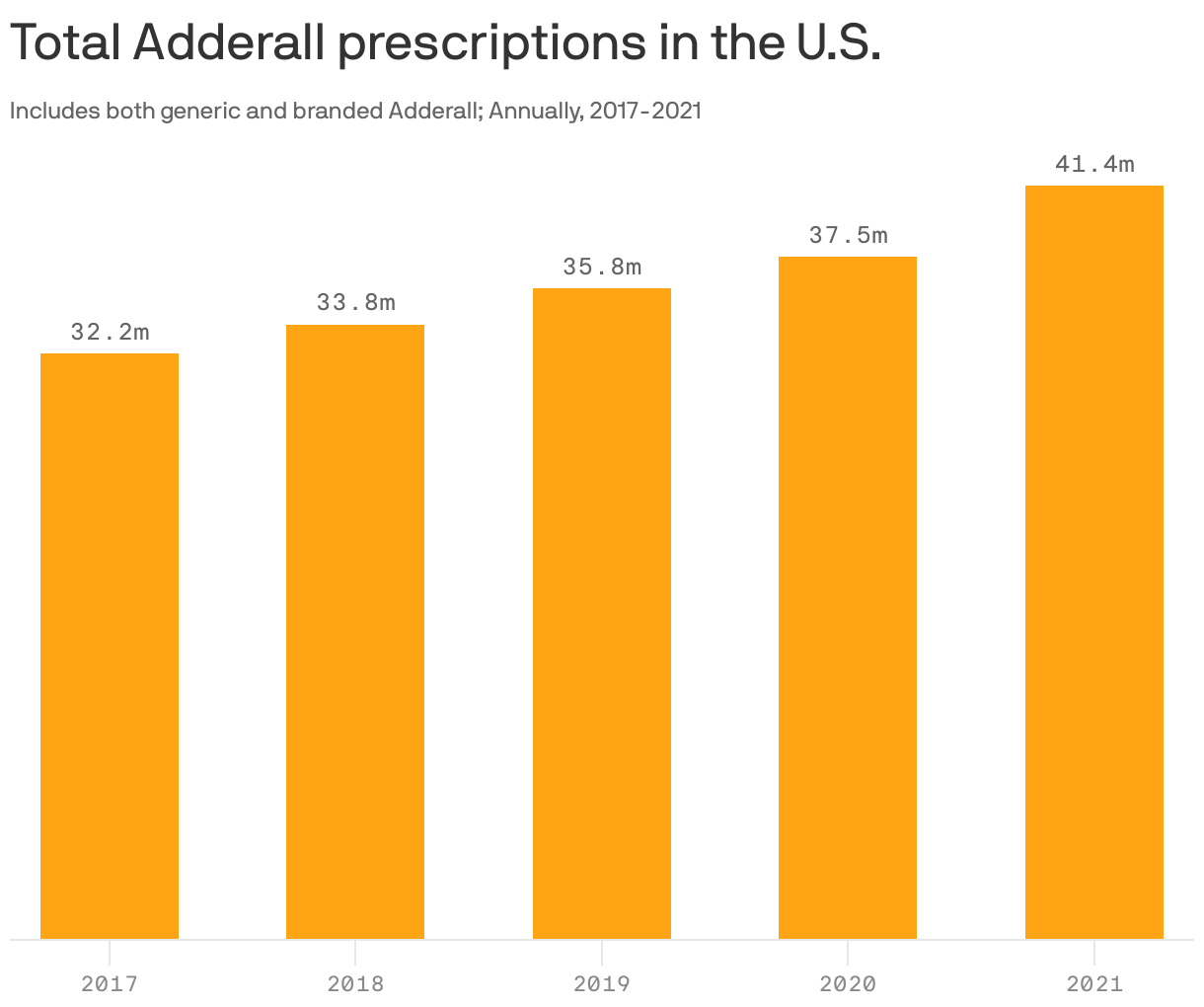
Prescriptions for stimulants have been skyrocketing as it’s become easier and easier to get a diagnosis.
Why it matters: The rise in demand for Adderall has triggered a shortage of the drug — raising fears that some people can't get medicines they rely on, while many others may be misdiagnosed.