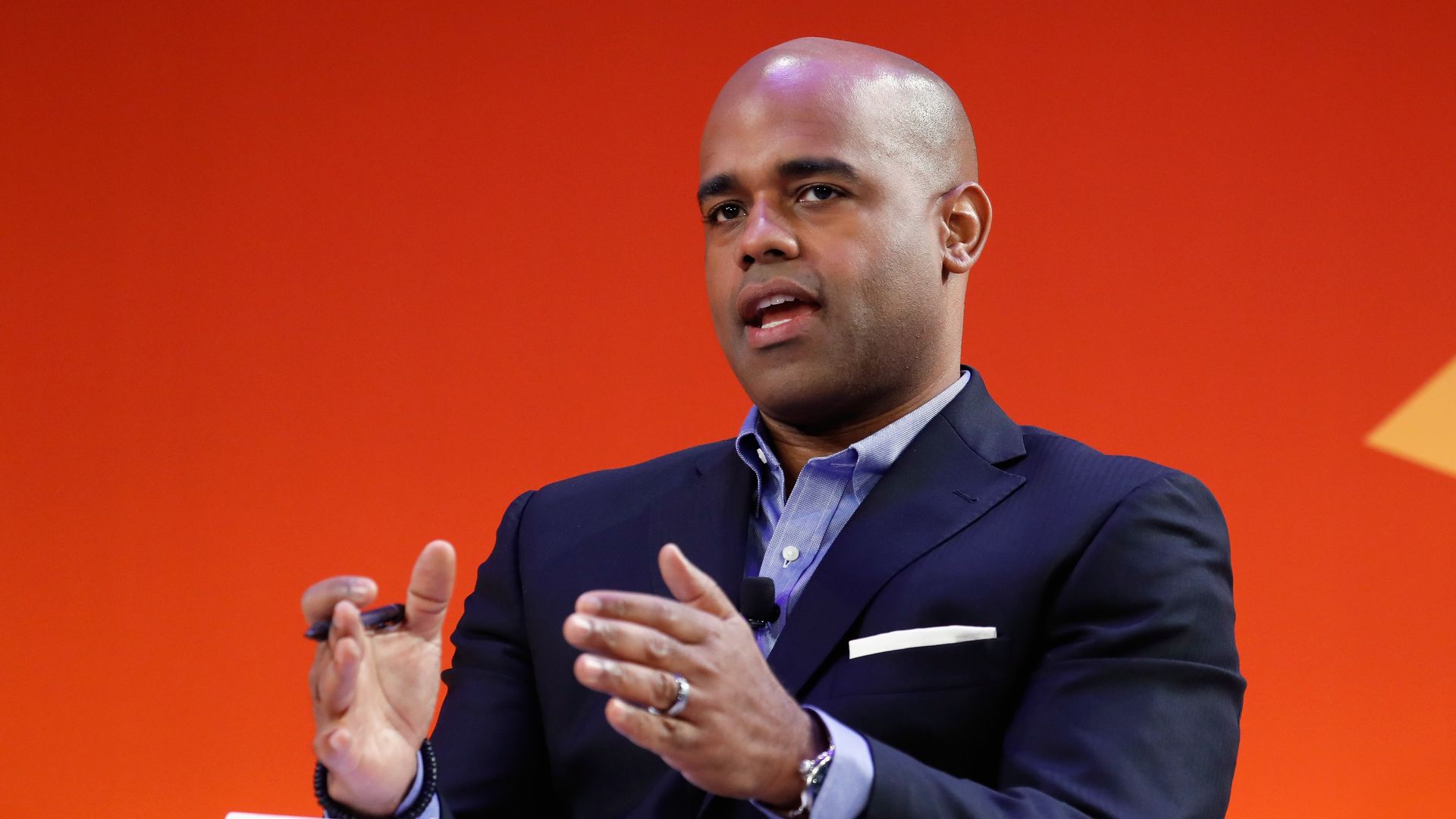
Jamal Simmons, communications director for Vice President Kamala Harris, tested positive for COVID-19 on Wednesday, according to a statement from Harris' press secretary Kirsten Allen.
Why it matters: Simmons is the latest in a spate of positive COVID-19 cases that have hit Washington, D.C.'s elites in recent weeks, affecting both White House officials and members of Congress.
Zoos across the country are taking precautions to protect their bird populations against a recent bird flu outbreak, with some even closing their bird exhibits to the public.
Why it matters: In less than two months, at least 24 states have reported bird flu cases and nearly 23 million birds have been killed to limit the spread of the virus, making this the worst bird flu outbreak since 2015, NPR reported.
Shanghai health officials said Wednesday that they would allow some parents to stay with their children who have been infected with COVID-19, AP reports.
Driving the news: Shanghai's lockdown measures included separating kids who had tested positive from their families, which sparked outrage across China.
There was a 6.5% drop in both C-sections and induced deliveries in the first month of the pandemic in the U.S. with a sustained drop thereafter, according to a study published today in the journal Pediatrics.
Details: In the study, which is the first large-scale examination of COVID-era birth data, researchers from Georgia Tech's School of Economics looked at records of nearly 39 million U.S. births from 2010 to 2020.
Two blood thinners that Medicare spent a collective $46 billion on between 2015 and 2020 have more than doubled their list prices since entering the market, according to a new analysis by Patients for Affordable Drugs.
Why it matters: List prices don't reflect the rebates negotiated between drug manufacturers and payers, but they are often used to determine Medicare Part D cost sharing — meaning as prices go up, patients pay more out of pocket.
FDA advisers today will begin sketching out a long-term strategy for COVID vaccinations, addressing the risk of new variants and the need for new boosters.
Why it matters: Today's discussions could help lend clarity to a sometimes baffling vaccination effort that’s left many people unsure whether or when to shore up their immunity.
Driving the news: The 61-year-old lawmaker wrote he is "feeling fine and grateful to be vaccinated and boosted. In the coming days, I will quarantine and follow CDC guidelines. And remember, please get vaccinated!"
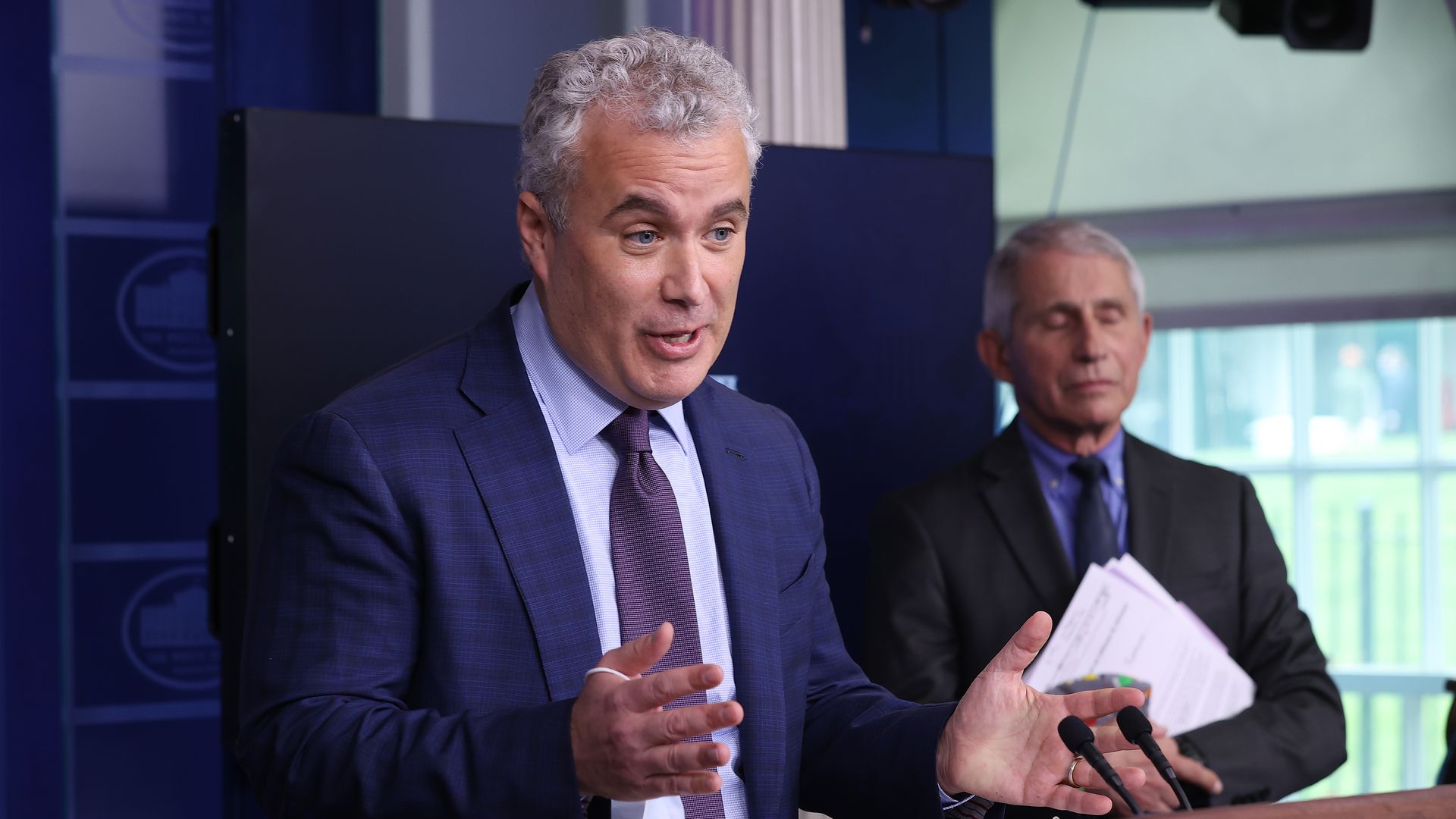
White House COVID chief Jeff Zients said Tuesday that it was in the "national interest to vaccinate the world and protect against any possible future variant."
Why it matters: Senate negotiators have announced a deal on an additional $10 billion COVID funding package, though the bill lacks the $5 billion Democrats hoped to include to boost the distribution of vaccines to other countries.
A bill that would make providing an abortion a felony is heading to the desk of Republican Oklahoma Gov. Kevin Stitt after it was approved by the state's House of Representatives on Tuesday.
Driving the news: House lawmakers were not expected to consider the bill this year because it had been introduced and approved by the state Senate in the previous legislative cycle.
The Biden administration announced Wednesday new initiatives to prevent, detect and treat long COVID.
Why it matters: Millions of people in America are suffering from fatigue, nervous system disorders and other long-term health effects of COVID, but the U.S. does not yet have the infrastructure in place to adequately support people who need treatment.
Olive is the buzzy startup whose purple “go save health care” busses dominate industry conferences. But its promises don't deliver, according to an Axios investigation that included interviews with 16 sources.
Olive relies on rough estimations for its calculations, inflates its capabilities and, in many cases, generates only a fraction of the savings it pledges.
Why it matters: Valued at $4 billion, Olive is the highest-profile startup in health care automation; a holy grail that promises to cut costs and direct more time toward patient care.
Private insurers who administer Medicare Advantage plans can expect a 5% average increase in federal payments next year — half a percentage point above what the Biden administration proposed in February.
Why it matters: The pay bump in the controversial program marks a big win for insurers like UnitedHealth Group and Humana and doused speculation the administration would break with a trend of strong recent increases.
President Biden, joined by former President Obama, on Tuesday will announce regulatory changes to Affordable Care Act rules that could make health insurance more affordable for millions of Americans.
Yes, but: The announcement comes amid significant doubt about whether Congress will be able to prevent millions of current ACA enrollees from seeing large premium hikes next year — or from losing their insurance altogether.
Want to live longer? Take a hike — a shorter one than you’ve been told.
Stunning stat: Mortality risk was reduced by 50% for older adults who increased their daily steps from around 3,000 to around 7,000, according to new medical research.
Why it matters: 7,000 is the new 10,000, in terms of steps you should shoot for, The Lancet medical journal reports.