The ranks of health care workers are dwindling and stretching what it means to be reaching their "breaking points," particularly at small nonprofit hospitals.
The big picture: Even as Omicron cases have begun to wane in some places, many hospitals are still fielding a crush of patients amid record employee callouts.
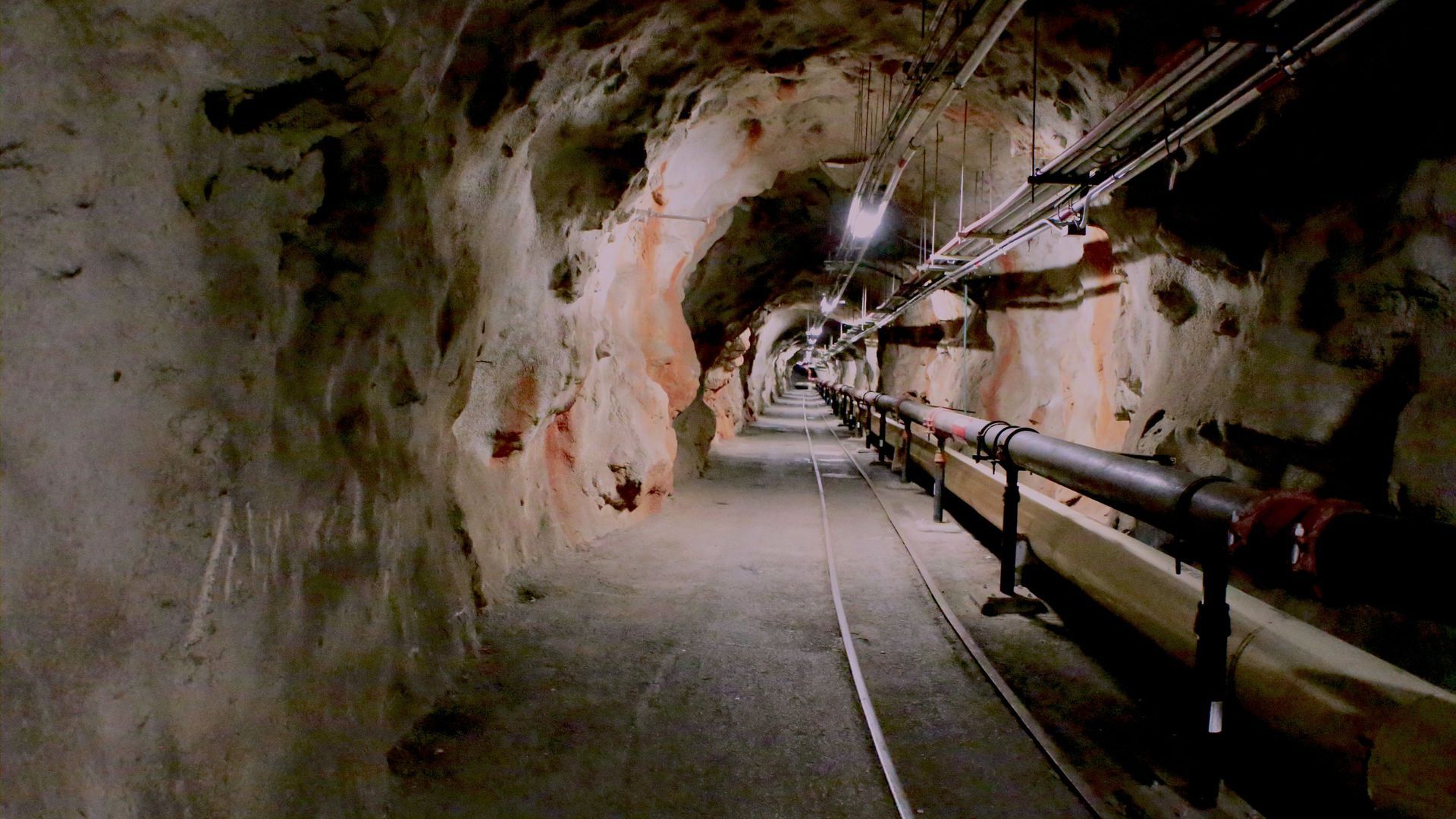
The Hawaii Department of Health authorized the Navy on Thursday to discharge treated water from its Red Hill Bulk Fuel Storage Facility after the water forced Army and Navy families from their homes into hotels.
Why it matters: The contaminated tap water contained diesel fuel 350 times the safe level after a jet-fuel spill in November.
Antiviral COVID treatments are hailed as a pandemic game-changer, but they're currently in very short supply — and that's only one of several barriers to access for high-risk patients.
The big picture: Even when supply ramps up, it will still be tricky to connect some of the most vulnerable patients to the pills without changes to the process.
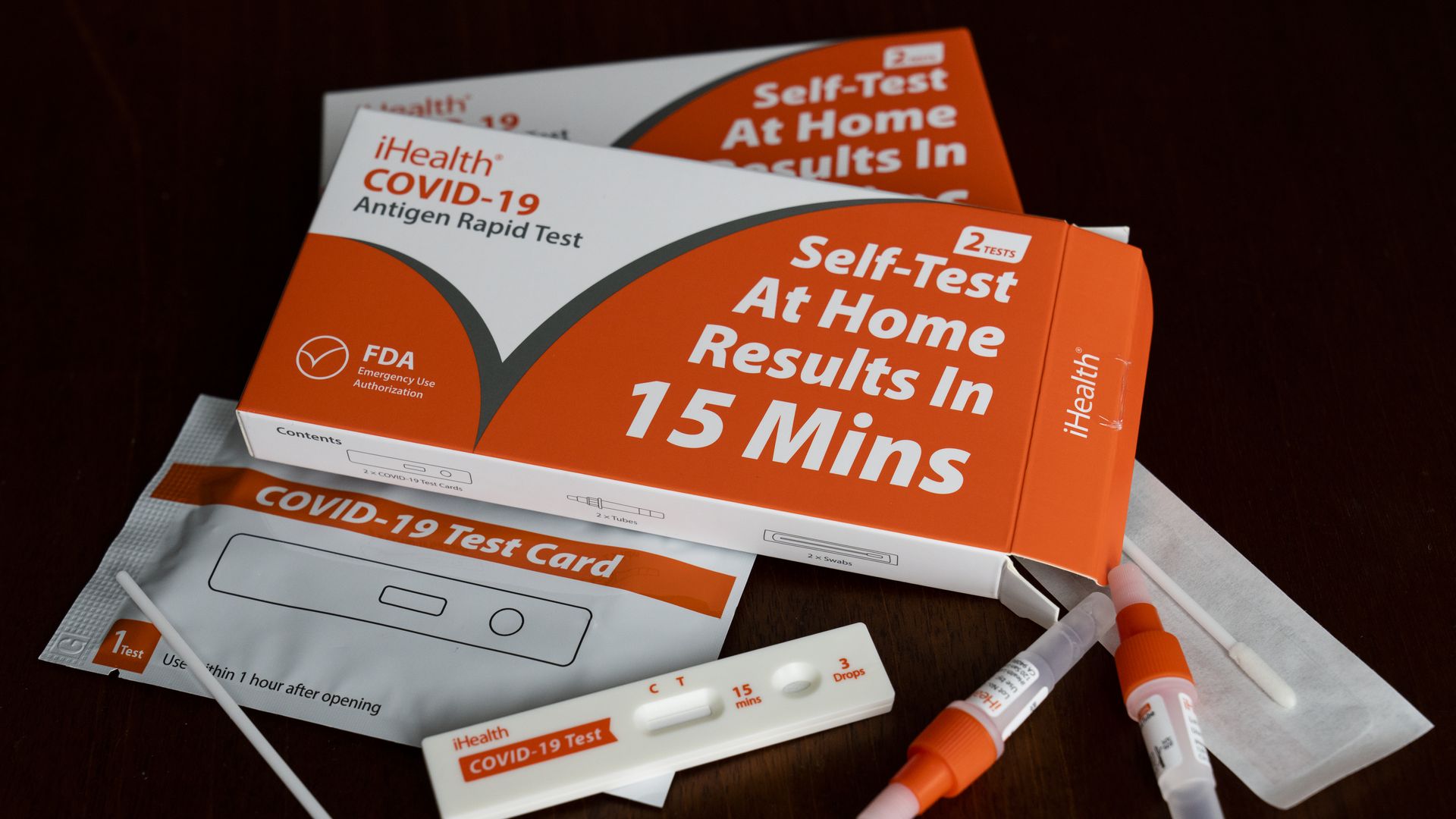
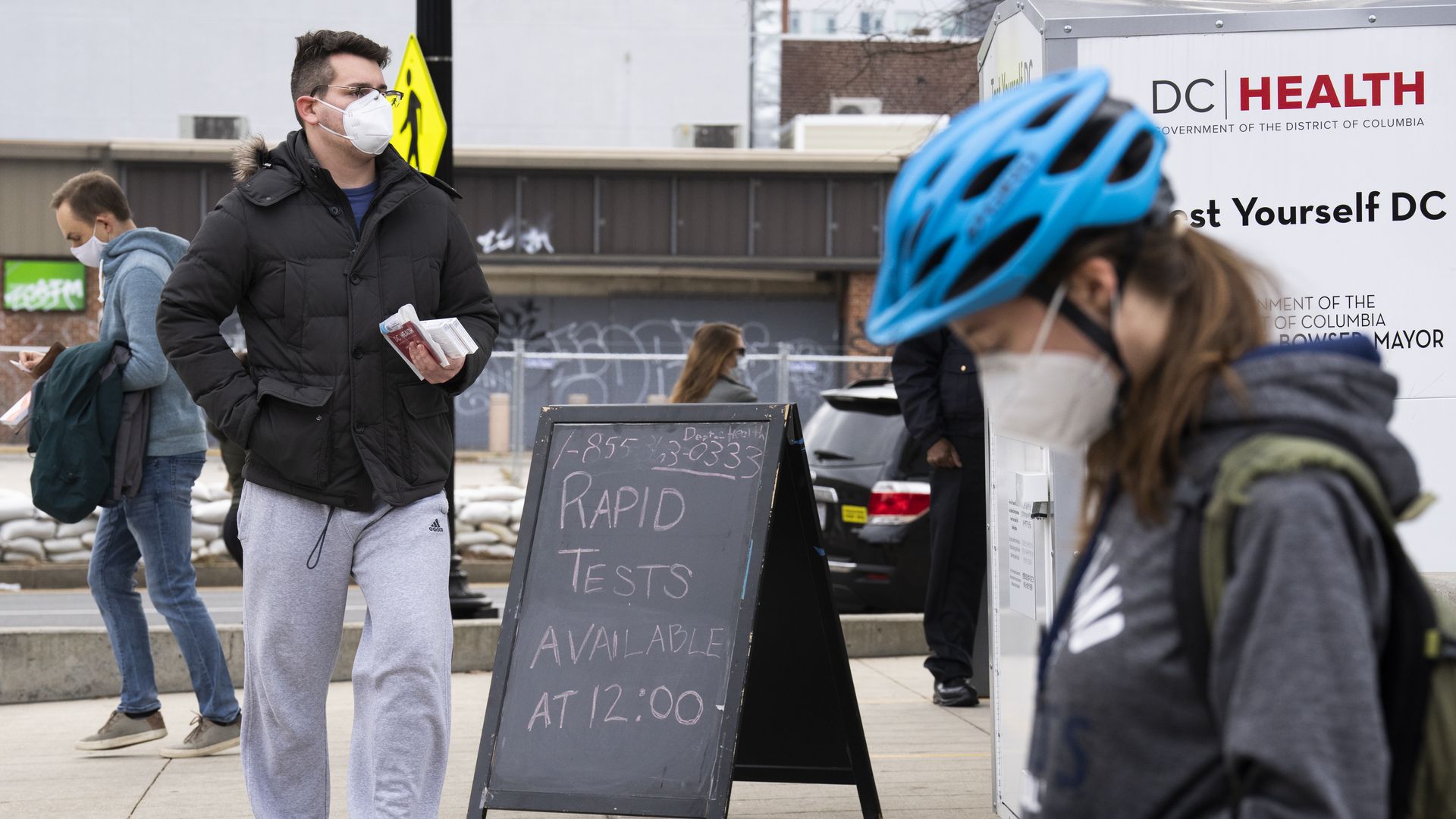
The Department of Defense announced this week the purchase of an additional 100 million rapid COVID-19 tests that will be distributed to Americans for free.
Why it matters: The administration bought 500 million rapid tests in December and is now working to purchase an additional 500 million, so the U.S. will have 1 billion free tests available to Americans.
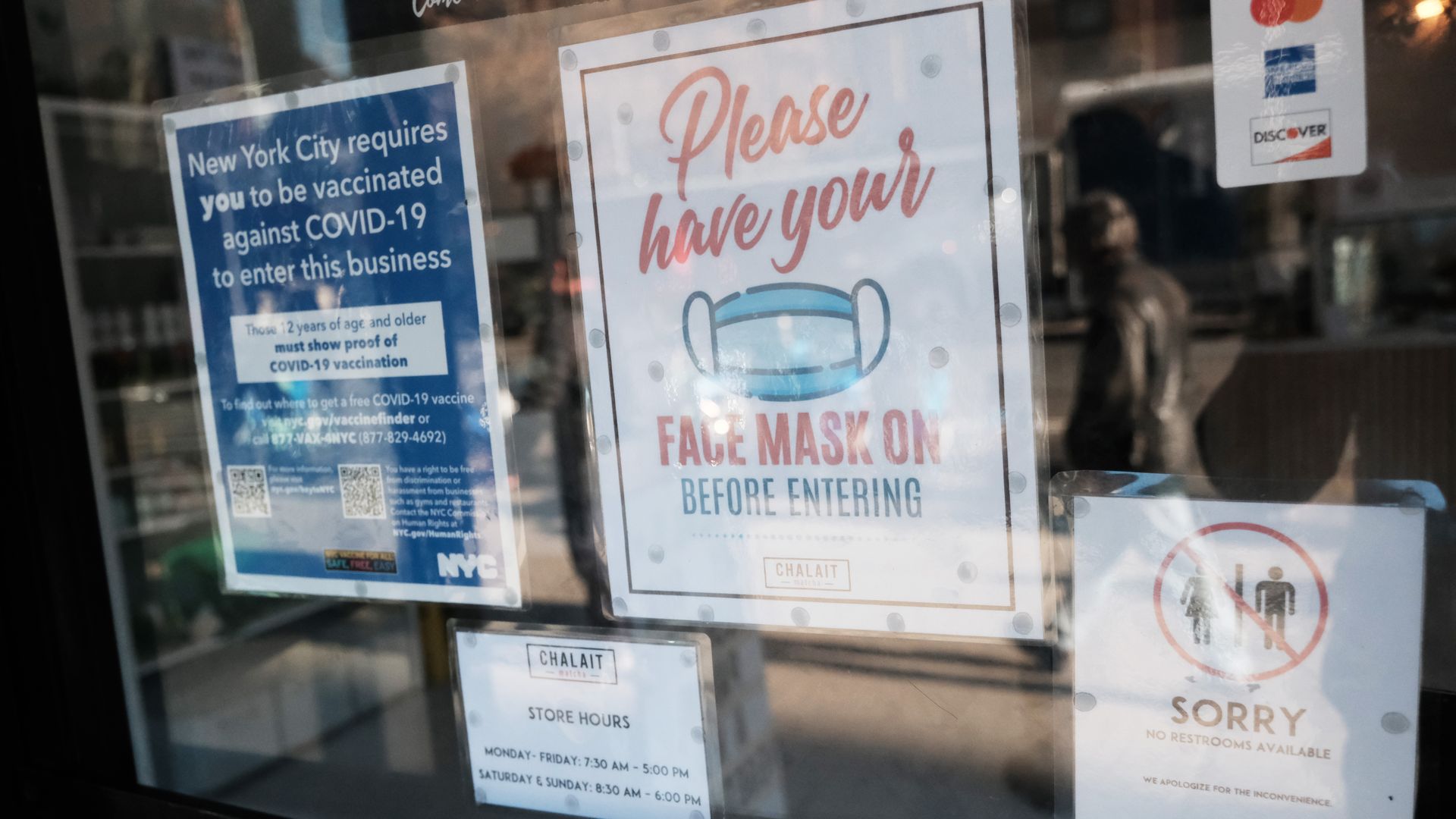
New York Democratic Gov. Kathy Hochul extended the state's mask mandate that requires face coverings in all indoor settings until at least Feb. 10.
Why it matters: The extension comes days after a New York appellate judge granted a stay on the state's indoor mask mandate after a lower court judge struck down the rule.
Approximately 60 million U.S. households have ordered free, at-home rapid COVID-19 tests, White House deputy press secretary Karine Jean-Pierre said on Friday.
State of play: People are allowed to order four tests per household, meaning that around 240 million tests have been ordered so far.
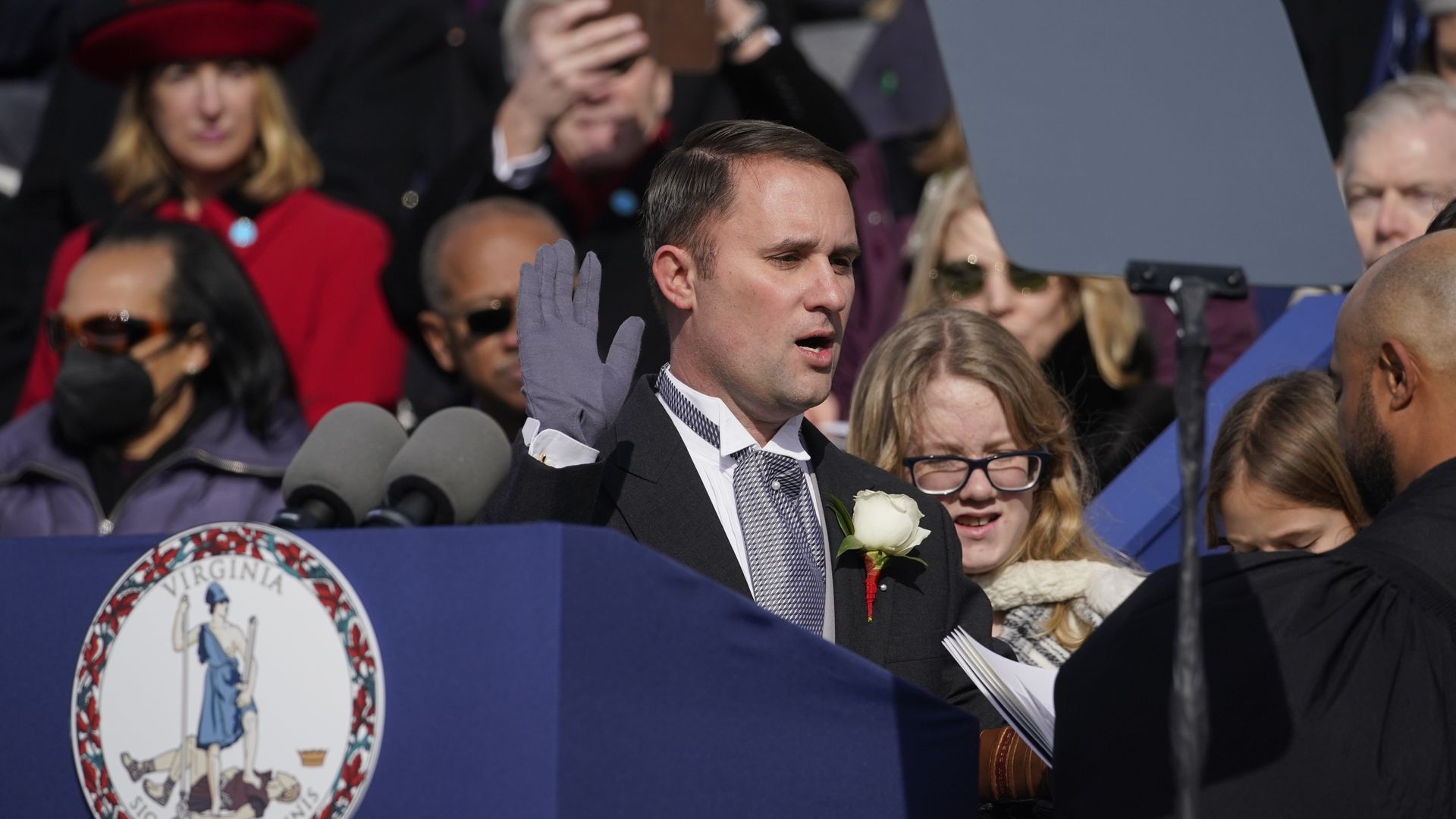
Virginia's new Republican attorney general said Friday that public colleges in the state can't mandate COVID-19 vaccines for students as a requirement for admission or in-person attendance.
Why it matters: State Attorney General Jason Miyares' ruling came from a requested review of the mandate by Virginia Gov. Glenn Youngkin (R), who promised to end the state's mask mandate and vaccination requirements during his campaign for governor.
Reproduced from a Josh Bivens/EPI analysis of BEA data; Chart: Axios Visuals
This year might be a bit of a drag, technically speaking. The explosive economic growth that we saw in 2021 won't likely continue into 2022 because of "fiscal drag," where there's less money from the federal government going out to regular folks.
Why it matters: Less fiscal stimulus could mean less inflation, as Fed chair Jerome Powell said Wednesday.
In news that will surprise those that didn't know Uber Health was a thing, the company recently picked up Michael Cantor as its first chief medical officer.
Why it matters: Uber made its name shuttling people from bars and restaurants, but the company sees a future in connecting parts of the health care ecosystem.
States across the country are scaling back their contact tracing efforts, often focusing on vulnerable communities and relying more on Americans to alert close contacts themselves after testing positive for COVID.
Why it matters: As vaccines have become available, the virus has become more infectious and life has slowly headed more toward normal, health officials have come to view contact tracing as a relatively inefficient use of resources.
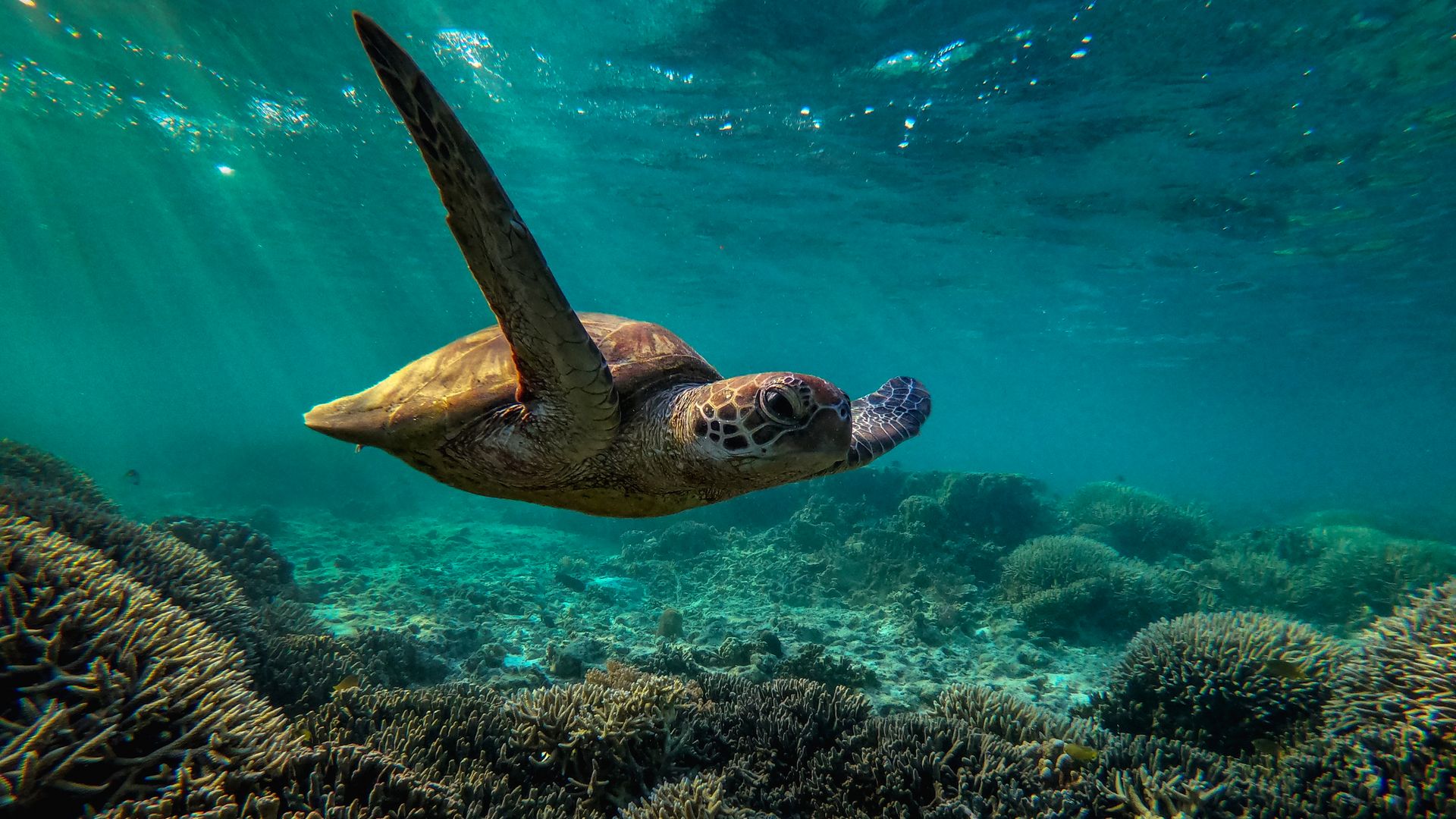
Australian Prime Minister Scott Morrison announced Friday a AU$1 billion ($703 million) investment plan for the Great Barrier Reef.
Why it matters: The nine-year plan for projects including water quality improvement, reef conservation and supporting some 64,000 tourism jobs comes months ahead of this year's federal election. It has been criticized by scientists and environmental groups for failing to tackle climate change.




/2022/01/25/1643147923012.gif?w=3840)



![[ Insert title here ]](https://datawrapper.dwcdn.net/M8yqk/full.png)