One of the best-known protections of the Affordable Care Act was a requirement that contraception be 100% covered by insurers — but that doesn't always mean women are able to access the birth control their doctor prescribed for them.
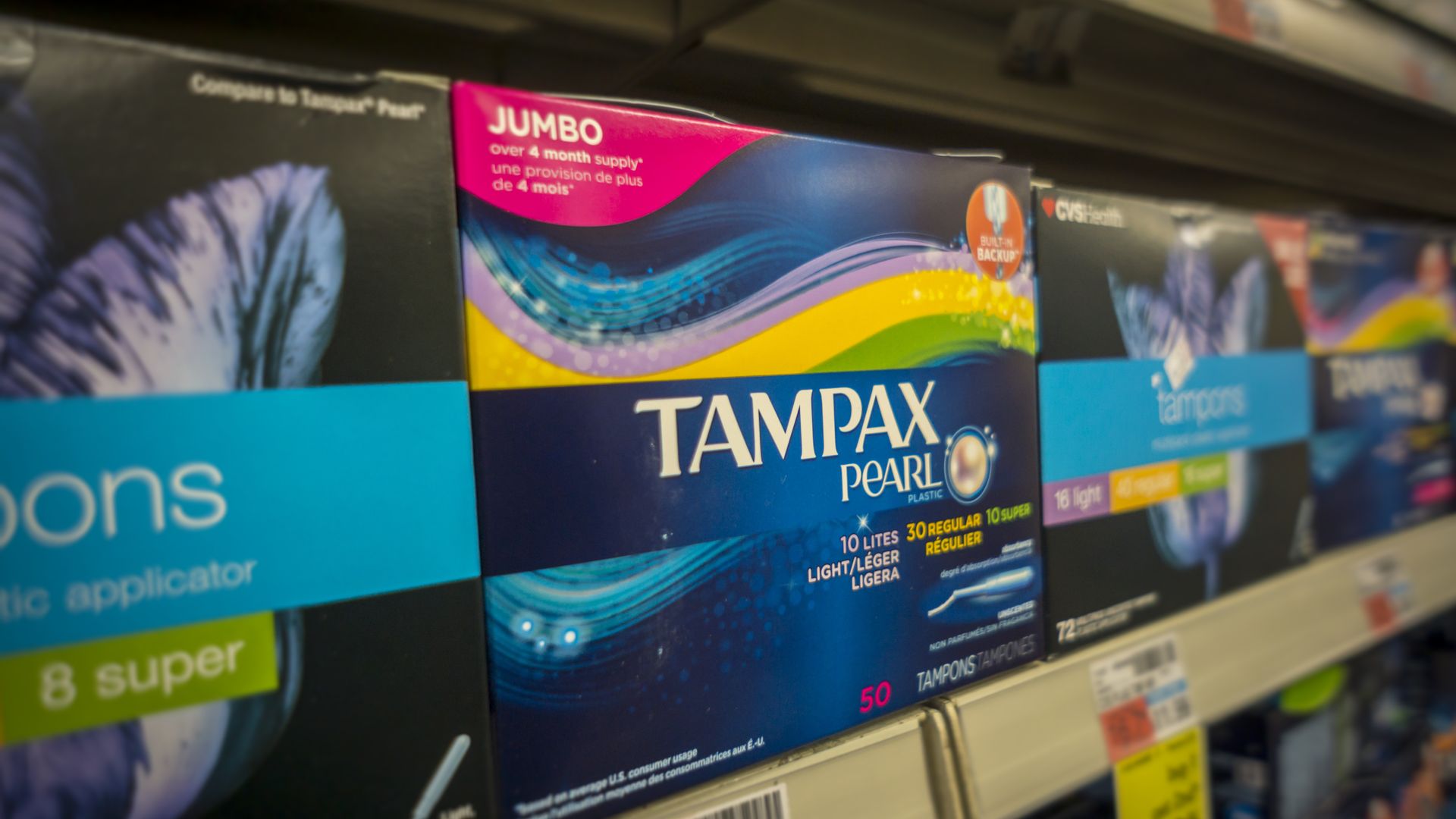
The catch: In many cases, the newest contraceptives on the market are not covered — even when they are recommended by the patient's doctor — because an insurer's formulary calls for an older version of the same method.
The pandemic may have put millions of more women — particularly young women — unknowingly on track for heart disease complications.
Driving the news: Several studies have emerged in the past year sounding alarms on how pandemic stressors like the increasingly difficult work-life balance, caregiving burdens and social isolation have left women bearing the brunt of this epidemic.
When it comes to women's health, Americans — and the advertisers that market to them — are getting blunter.
What's happening: Women's health is undergoing a generational cultural change. Younger women talk more openly about their periods and sexual health concerns — and more companies are marketing to them with messages that women only whispered about a few years ago.
Now that a Texas law has banned abortion in the state after six weeks, more states are expected to follow suit, making access to women’s health care in certain parts of the country even harder than it already is.
Why it matters: Large areas of the U.S. — particularly in the central region of the country — alreadyhave no options within a 250-mile drive, and some counties are at least 350 miles from the nearest abortion provider.
The lingering legacy of clinical trials failing to include women as participants, combined with frequent gaslighting by doctors and a general lack of research on women's bodies, has led many to mistrust medicine.
Why it matters: This mistrust plus a constant barrage of misinformation can influence women's health decisions, including deciding not to follow recommendations for the COVID-19 vaccine.
The White House allocated an additional $1 billion to buy millions of rapid at-home COVID-19 tests earlier this week.
Why it matters: Rapid tests can quickly determine whether you're infected with COVID-19 and at risk of spreading it to others, but lack of funding — and slow approval — has led to a dire shortage.