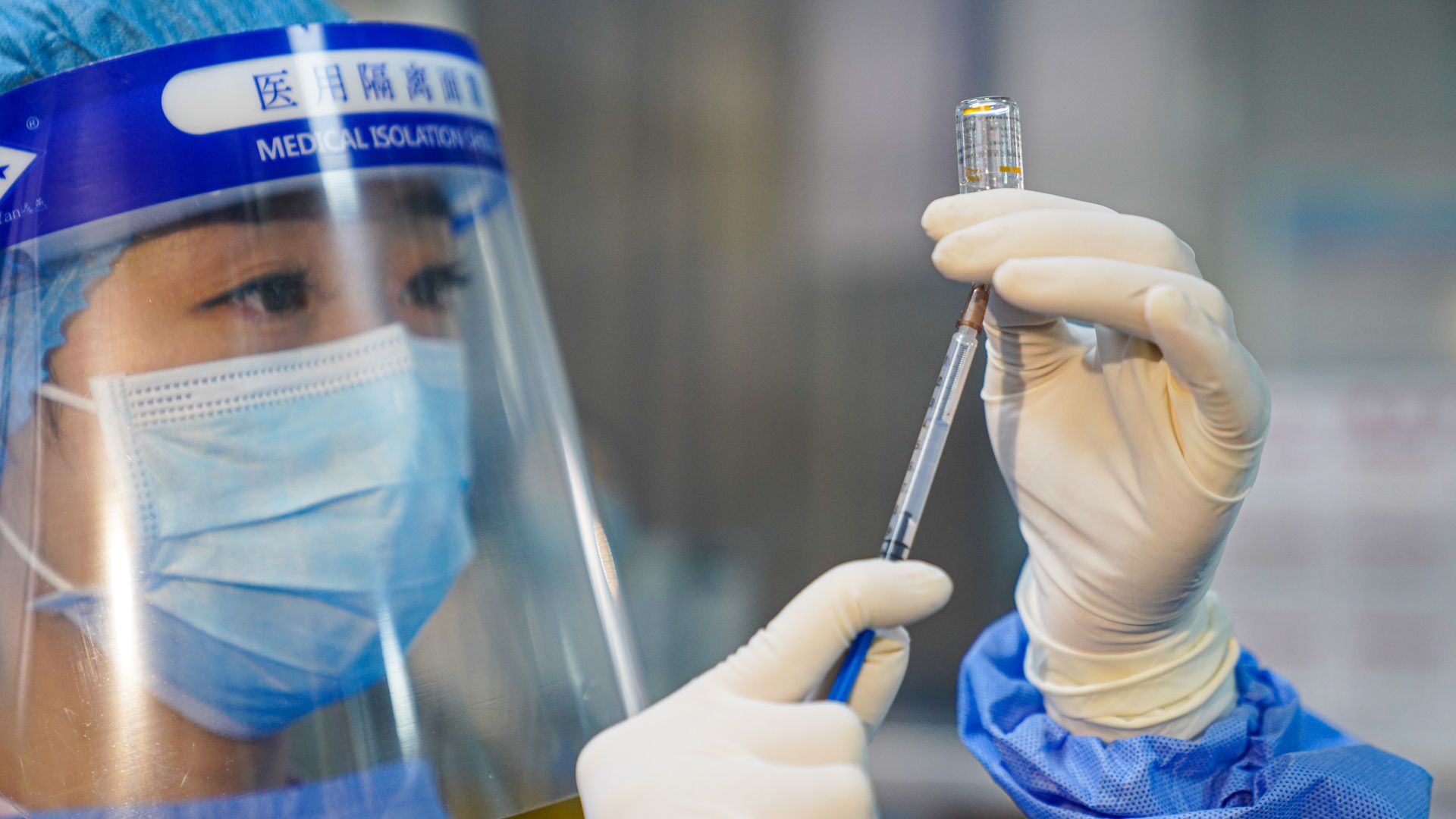
China's health regulator has approved the two-shot coronavirus vaccine developed by domestic drugmaker Sinovac Biotech Ltd. for general public use.
Why it matters: Sinovac's CoronaVac is the second vaccine to receive authorization in the country. State-owned pharmaceutical company Sinopharm produced the first vaccine to receive approval in China last December.
A startup has developed a way to use AI to detect when doctors may be prescribing the wrong drug — or overprescribing opioids.
Why it matters: A system that could identify prescription mistakes before they happen could help save the thousands of Americans who die each year because of preventable medication errors, and it could contribute to controlling the opioid epidemic.
The drone startup Zipline announced this week that it is planning to deliver COVID-19 vaccines wherever it operates — including in the U.S.
Why it matters: Aerial drones could be a useful solution to the challenge of getting vaccines to people in sparsely populated rural areas, while laying the groundwork for a new era of drone delivery.
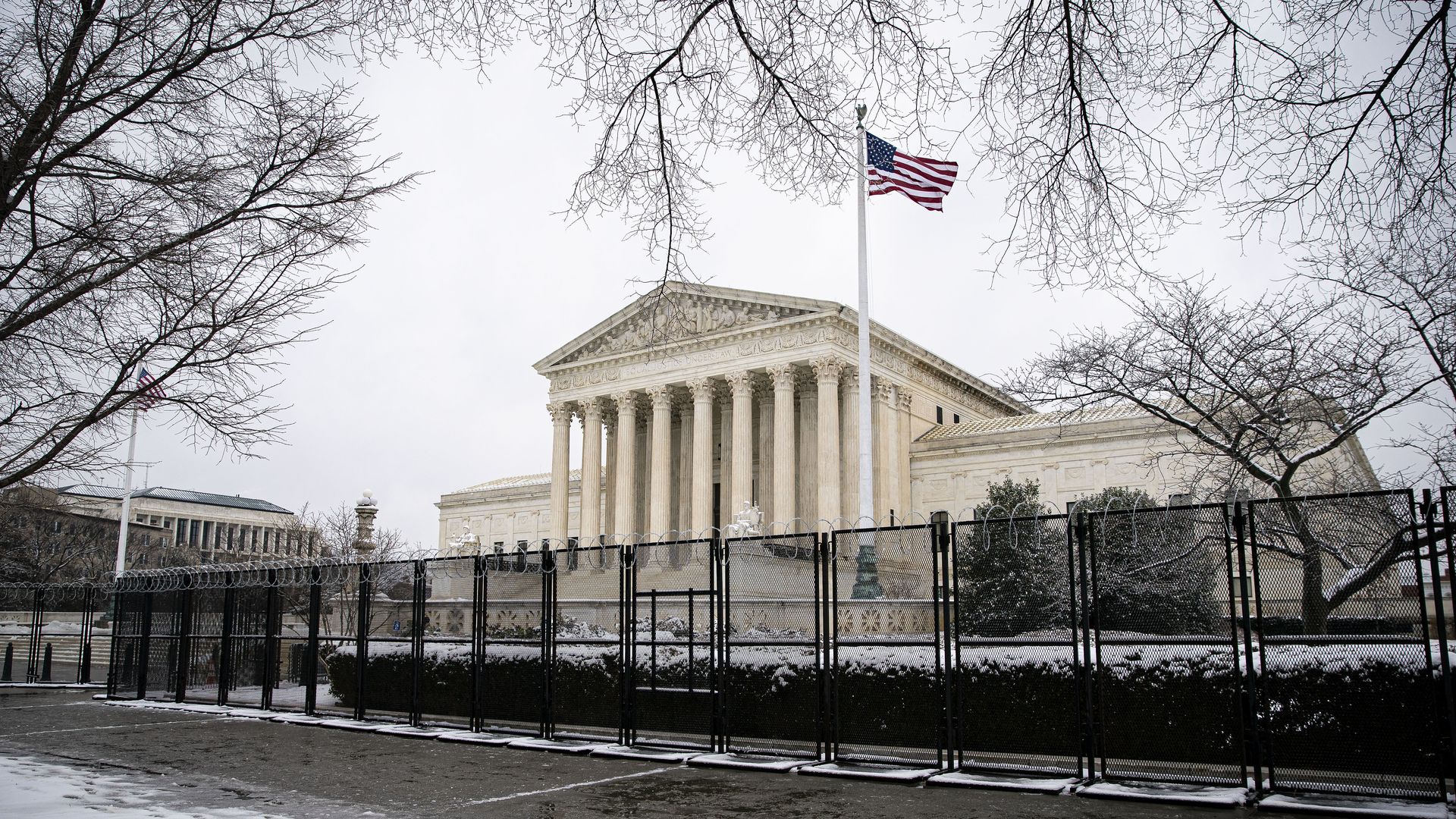
The Supreme Court late Friday night lifted some restrictions on religious services in California spurred by the coronavirus pandemic, ruling the state cannot ban churches from holding indoor services, but can cap services at 25% capacity.
Details: The court ruled in two cases where churches sued the state over COVID-related restrictions, also declined to stop California from enforcing a ban on indoor singing and chanting.
As the debate over reopening America's classrooms heats up, one overlooked factor is the significant racial gap in whether parents are ready to send their children back to school.
Why it matters: Study after study shows that kids in remote schooling are suffering lifelong learning loss. But the concerns many Black and Latino parents express about returning their children to classrooms — concerns fueled by higher numbers of COVID-19 infections and deaths and historically underfunded schools — need to be answered first.
Oscar Health, the health insurance company co-founded by Jared Kushner's brother, Joshua, has filed for an IPO and announced that Barack Obama's former campaign manager, David Plouffe, will join its board of directors.
Why it matters: Oscar Health is one of the highest-profile attempts at disrupting the health insurance sector.
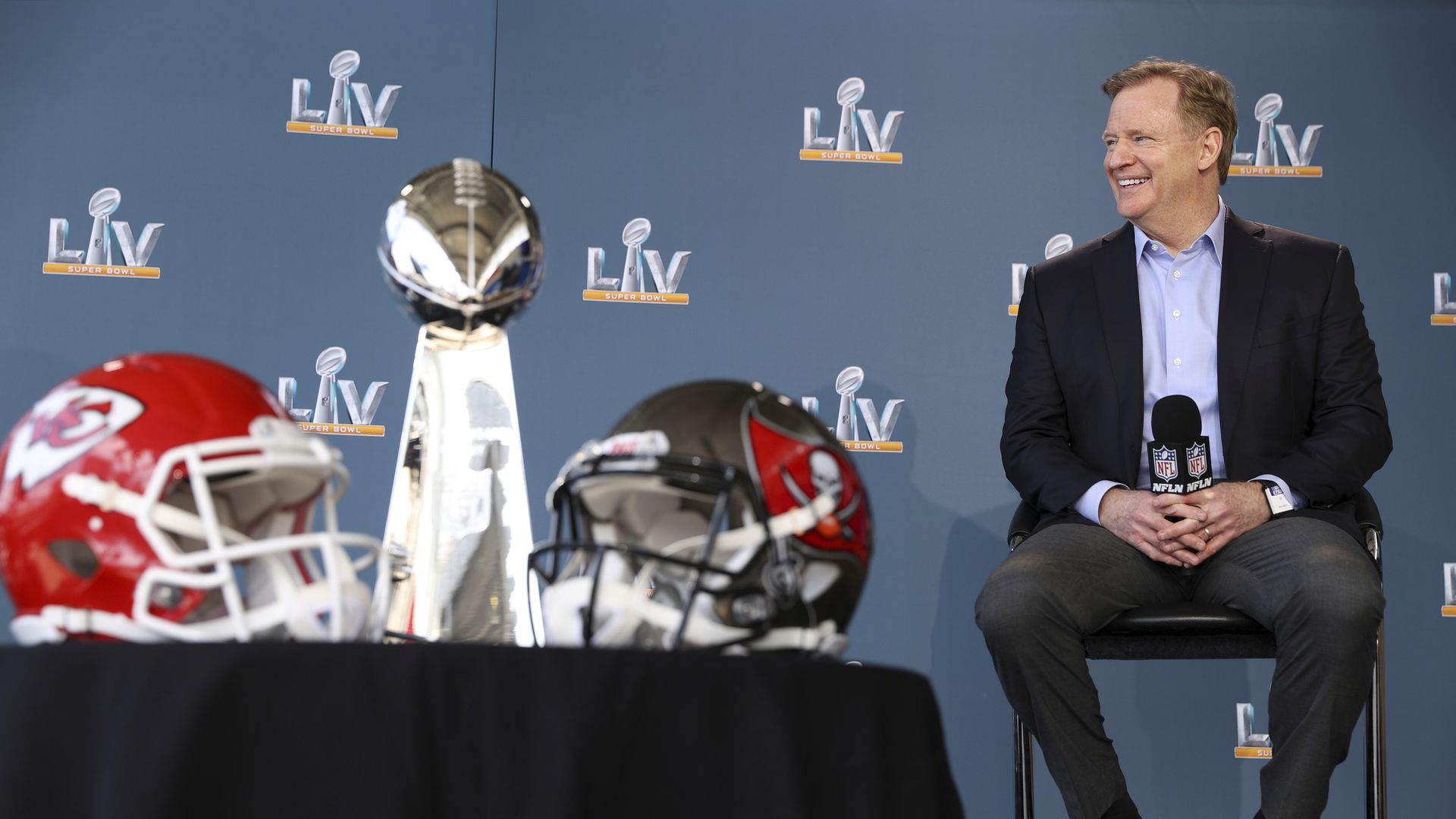
On the eve of Super Bowl weekend, NFL commissioner Roger Goodell wrote President Biden to tell him that each of the league's 32 teams "will make its stadium available for mass vaccinations of the general public."
Driving the news: Goodell wrote in the letter, dated Thursday, that this can be done swiftly "because many of our clubs have offered their facilities previously as COVID testing centers as well as election sites over the past several months."
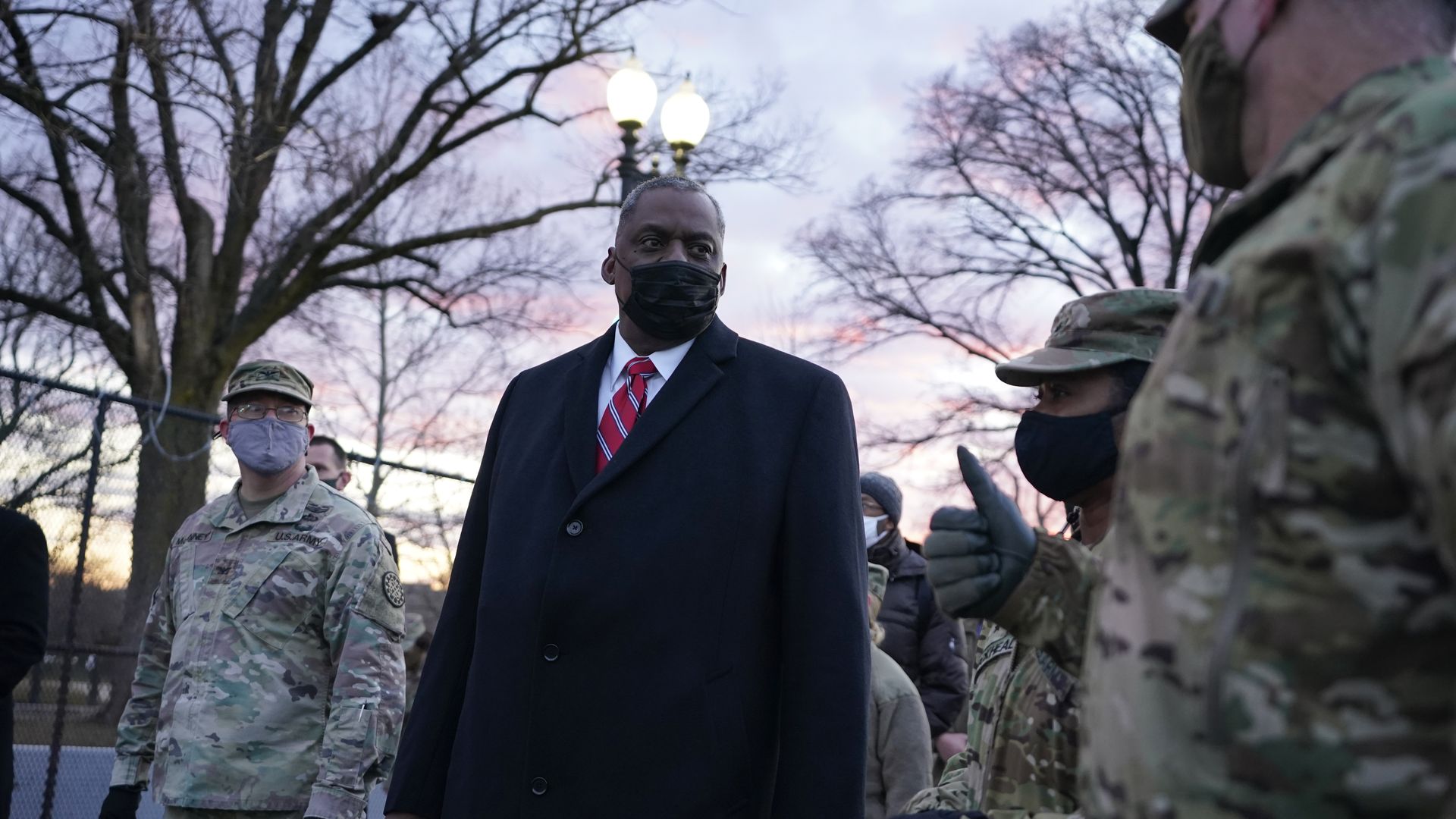
The Defense Department will send more than 1,000 active-duty military personnel to support mass coronavirus vaccination sites in states across the country, the White House COVID-19 response team announced on Friday.
Why it matters: ThePentagon approved a request from FEMA to provide military assistance for five vaccination centers as part of an effort to meet President Biden's goal of vaccinating 100 million people (with at least one dose) within his first 100 days in office.
A team of researchers at the Johns Hopkins School of Public Health has some warnings about the pandemic causing drug shortages — and some ideas on what to do about it.
Driving the news: COVID is increasing the demand for drugs that are needed to treat patients with the virus — like sedatives and vasopressors, which help patients with low blood pressure, per the report.
Seniors are supposed to be among the first Americans to get COVID-19 vaccines, but they're running into a major problem: Signing up for the appointments online.
The big picture: Millions of older Americans aren't online at all, and many who do have internet access are struggling to find and use the sign-up portals that local health officials have scrambled to set up.
Daily cases of COVID-19 are currently falling across most of the world, and deaths — which had been climbing globally until late January — are also beginning to decrease.
The big picture: We can only learn so much from this 30,000-foot view, and there's plenty to fear from the emerging variants. Plus, cases and deaths had been so high that even after climbing down from the peak, we're still pretty close to the summit.













/2021/02/04/1612453603429.gif?w=3840)


