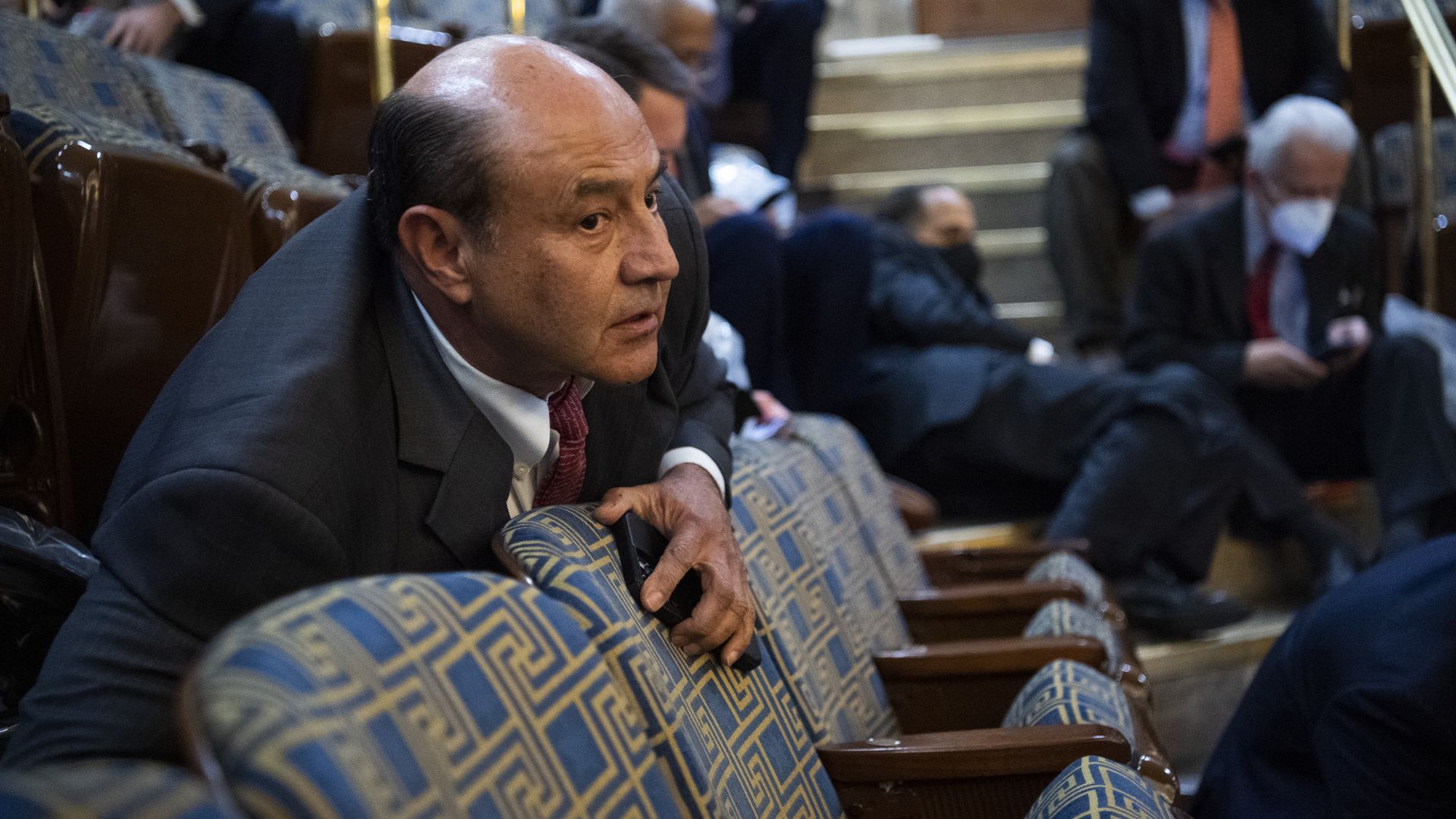
Rep. Lou Correa (D-Calif.) announced on Saturday that he has tested positive for the coronavirus.
Why it matters: Correa is the latest Democratic lawmaker to share his positive test results after last week's deadly Capitol riot. Correa did not shelter in the designated safe zone with his congressional colleagues during the siege, per a spokesperson, instead staying outside to help Capitol Police.
China on Saturday finished a five-day construction project on a 1,500-room hospital as clusters of COVID-19 spread in Beijing and the surrounding provinces.
The state of play: The facility is the one of six hospitals with a total of 6,500 rooms in the works in Nangong, the Xinhua News Agency said Saturday per AP reporting. They are all expected to be completed next week.
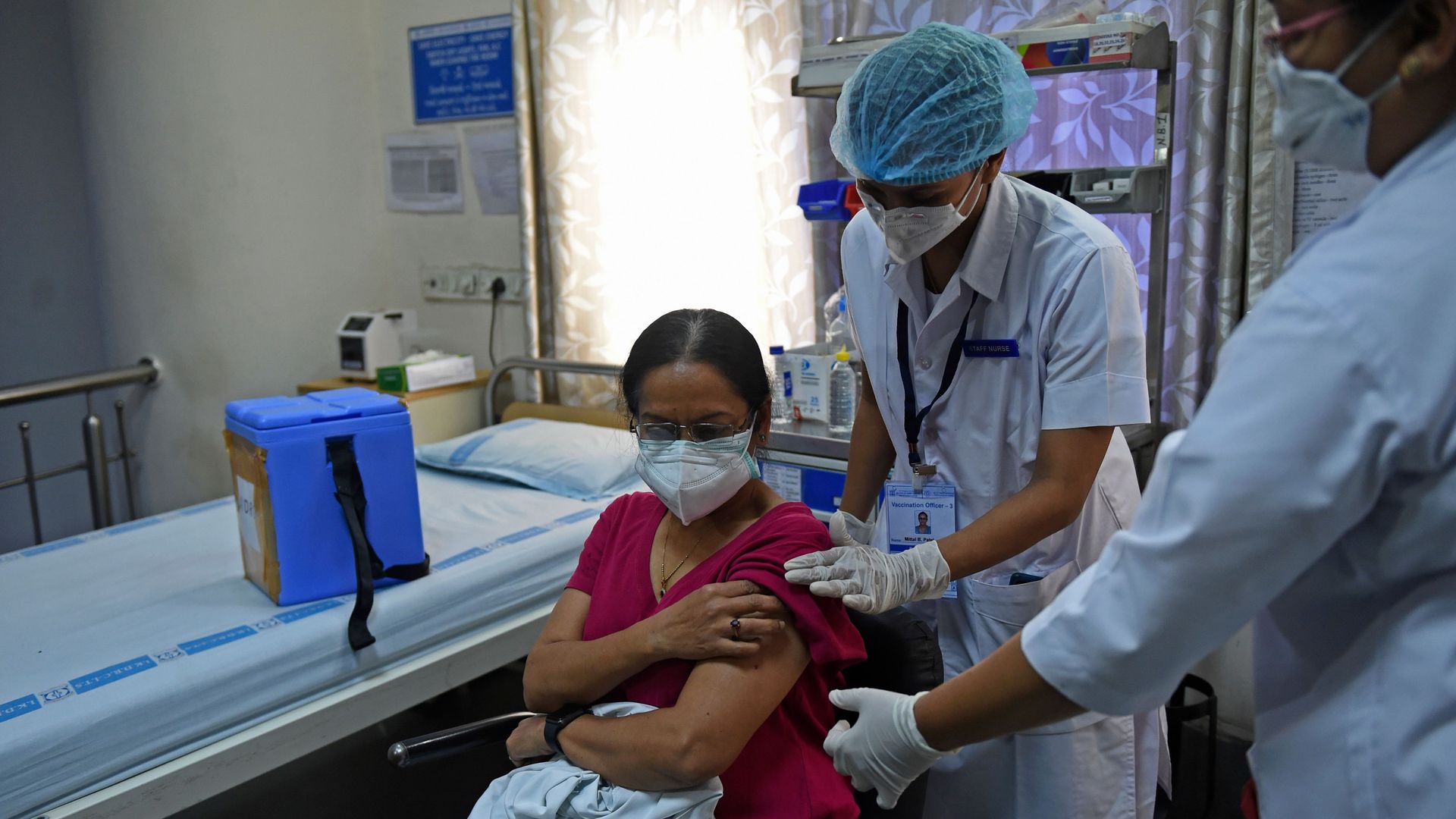
India on Saturday started inoculating medical workers, beginning the country's massive coronavirus vaccination campaign to address the world's second-largest outbreak.
The state of play: Indian Prime Minister Narendra Modi has pledged to vaccinate 300 million health care and frontline workers by July. But it could take years to vaccinate the nation's 1.3 billion people, per NPR.
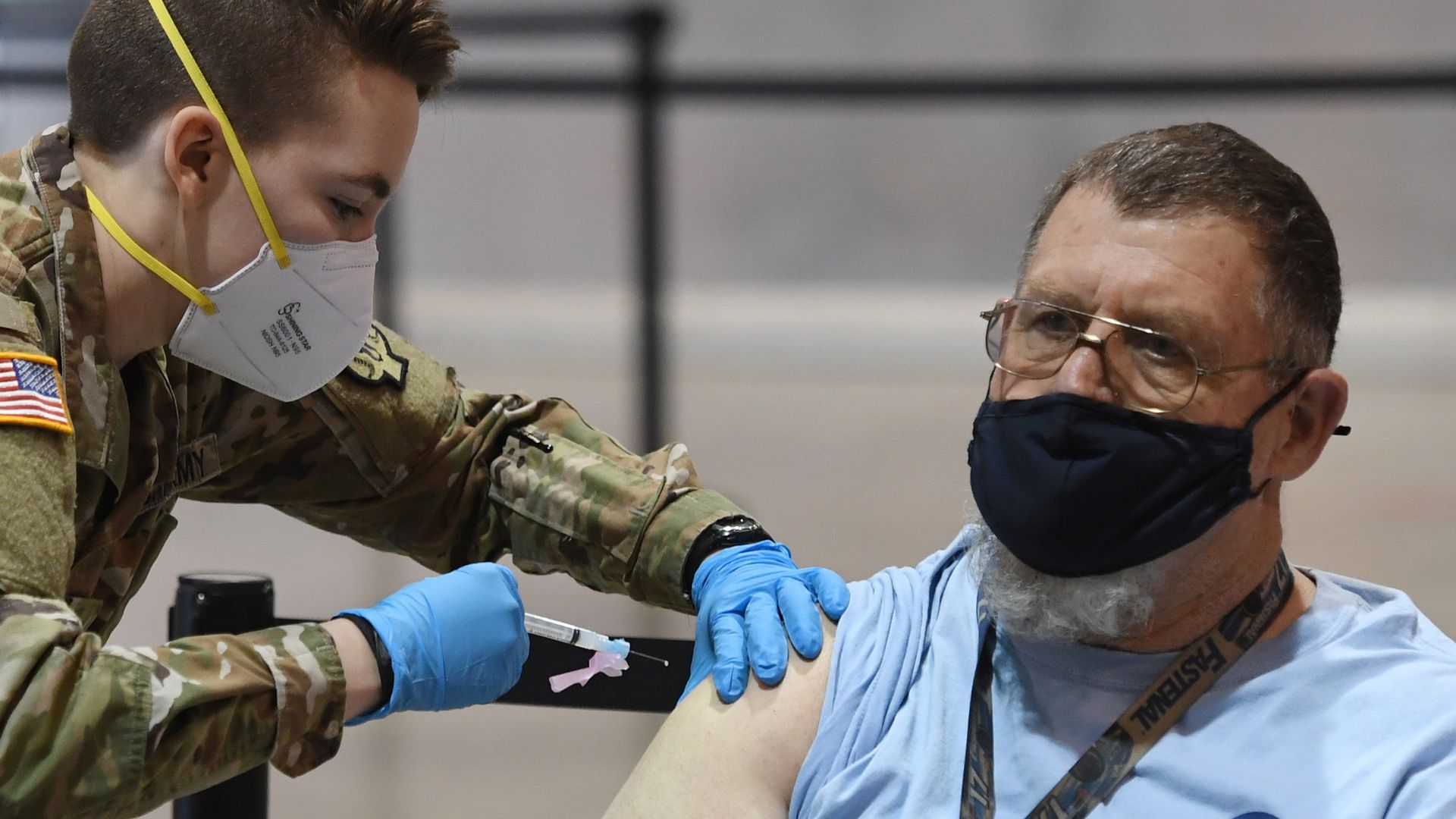
Even as government websites crash under the pressure of demand for the COVID-19 vaccine, surveys show many Americans — including health care workers — still have their doubts.
Why it matters: Unless lingering skepticism about the COVID-19 vaccine is dispelled, achieving herd immunity will be a challenge — even with improved distribution.
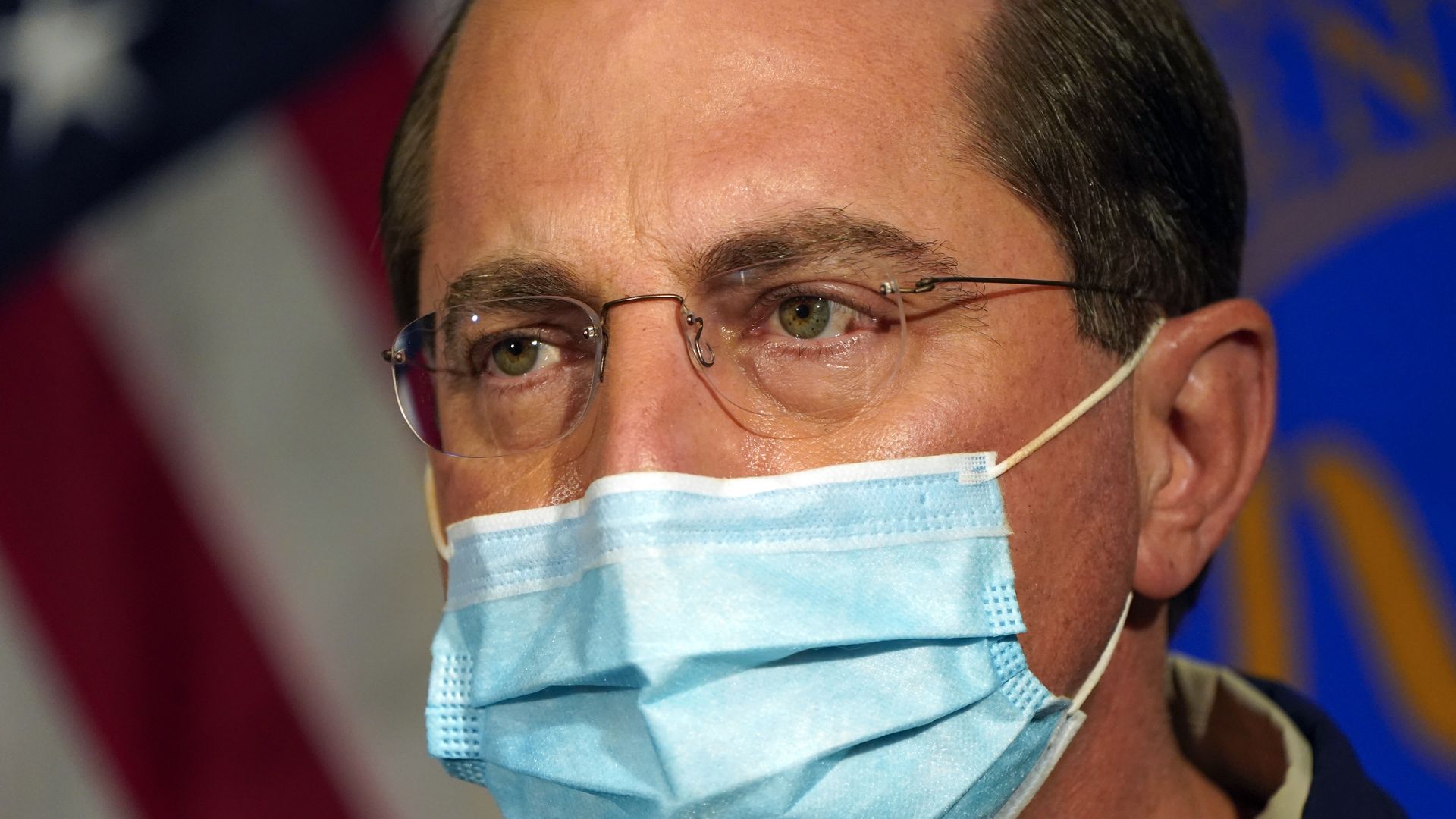
Health and Human Services Secretary Alex Azar said in a resignation letter delivered to President Trump this week that the "actions and rhetoric" after the election and especially during last week's siege on the Capitol "threaten to tarnish" the outgoing administration's legacy, Axios confirmed Friday.
Between the lines: Azar is leaving the same day President-elect Joe Biden takes office, so his resignation effectively changes nothing. But he joins a list of other top Trump aides and officials who have condemned the president after last week's deadly riot.
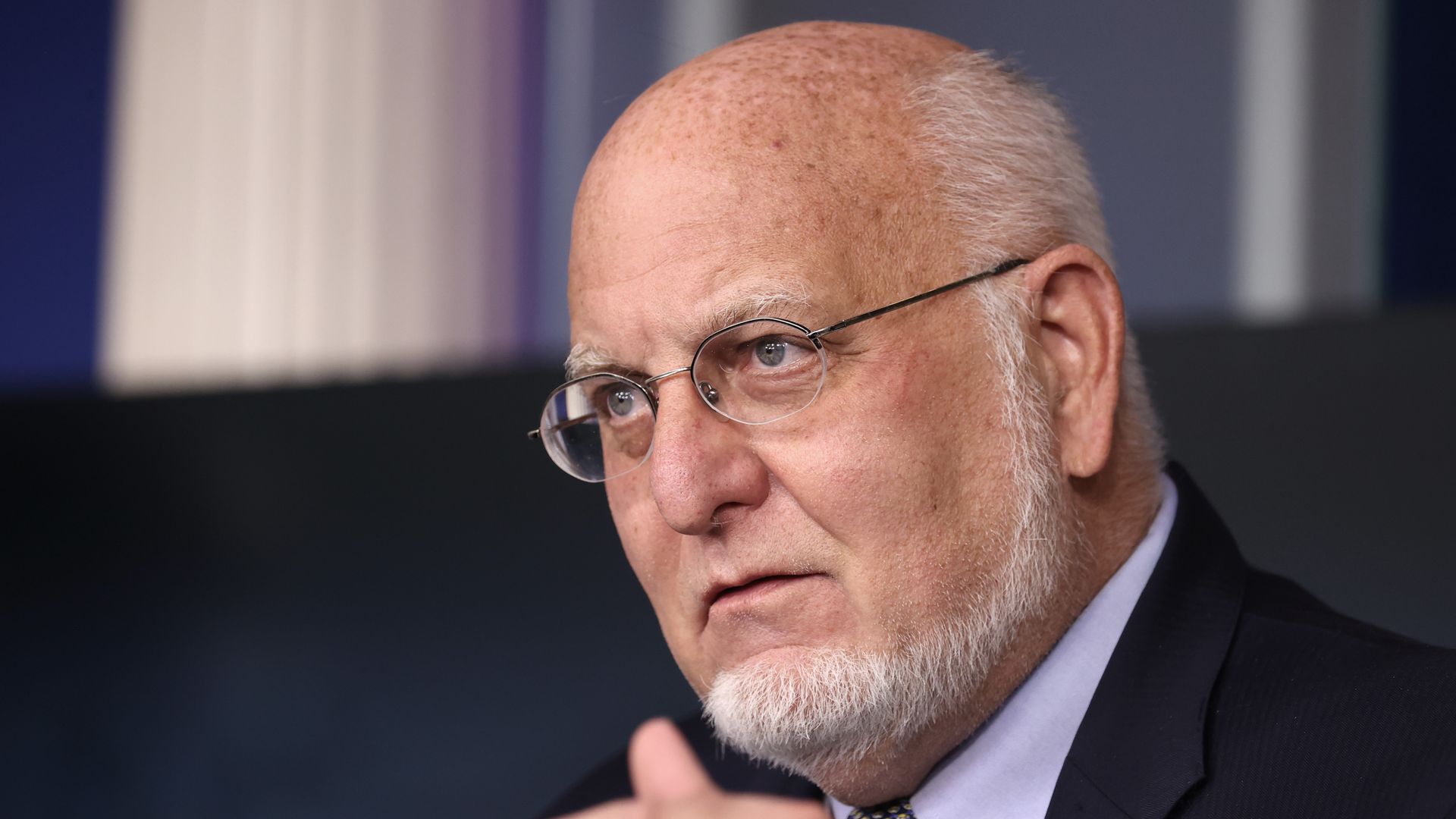
Outgoing CDC director Robert Redfield told NPR on Friday that he was proud of the agency's response to the coronavirus pandemic and that he disagreed with his incoming successor's conclusion that the "gold standard for the nation's public health — has been tarnished."
Why it matters: The CDC has faced sharp criticism throughout its nearly year-long response to the coronavirus pandemic over several issues, including some of its messaging and guidance, which has been described as inconsistent and confusing.
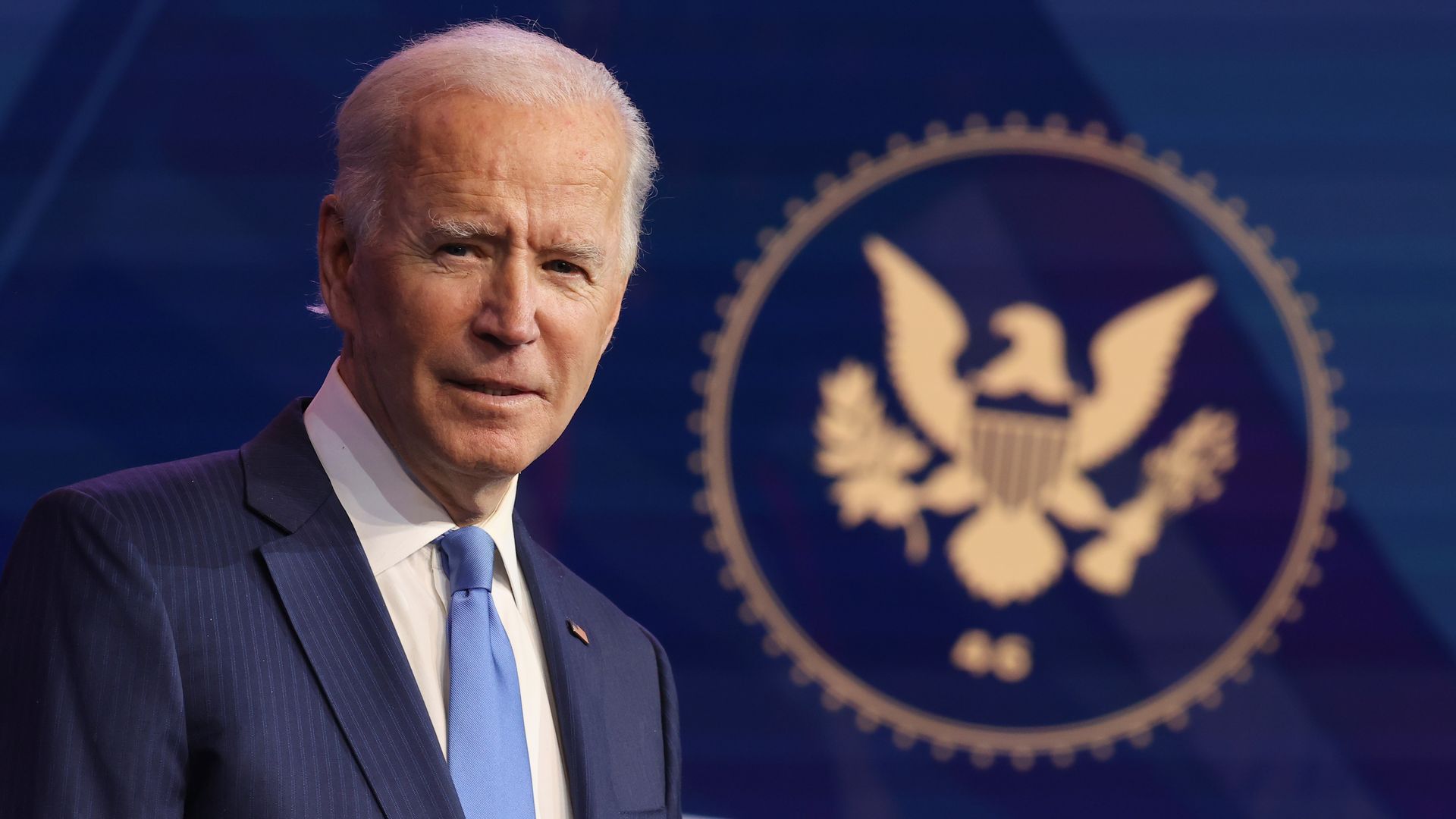
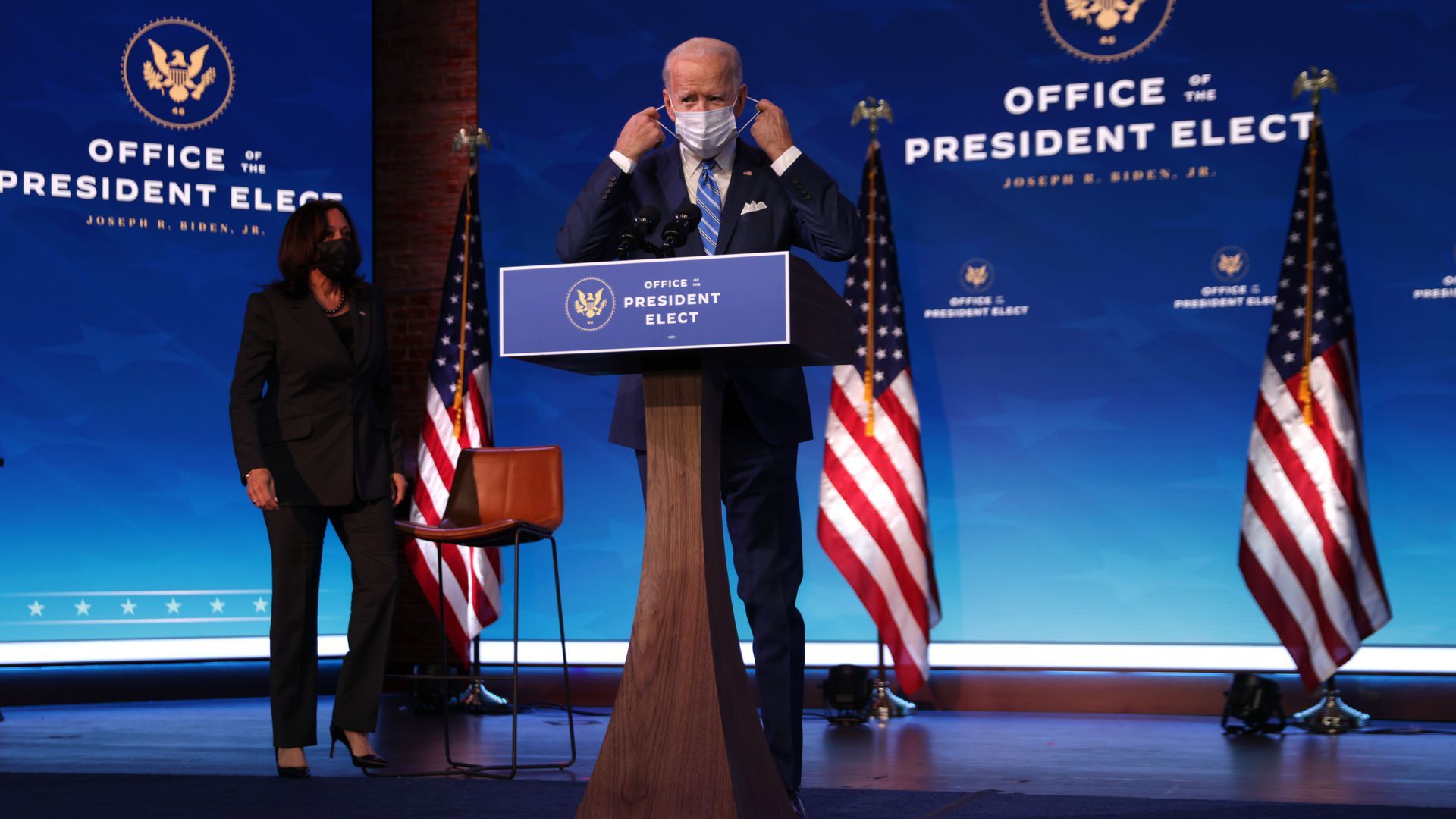
President-elect Joe Biden promised to invoke the Defense Production Act to increase vaccine manufacturing, as he outlined a five-point plan to administer 100 million COVID-19 vaccinations in the first months of his presidency.
Why it matters: With the Center for Disease Control and Prevention warning of a more contagious variant of the coronavirus, Biden is trying to establish how he’ll approach the pandemic differently than President Trump.
The Centers for Disease Control and Prevention warned Friday that the highly transmissible coronavirus variant first discovered in the U.K. will likely become the dominant strain in the U.S. this March if more steps aren't taken to mitigate the spread.
The state of play: Only about 76 people in a dozen states have been diagnosed with the the B.1.1.7 variant so far, according to the CDC, but experts warn there are likely more undetected cases. Although the variant is more contagious, it does not appear to be resistant to existing vaccines or cause more severe symptoms.
New variants of the coronavirus circulating globally appear to increase transmission and are being closely monitored by scientists.
Driving the news: The highly contagious variant B.1.1.7 originally detected in the U.K. could become the dominant strain in the U.S. by March if no measures are taken to control the spread of the virus, the Centers for Disease Control and Prevention said Friday.
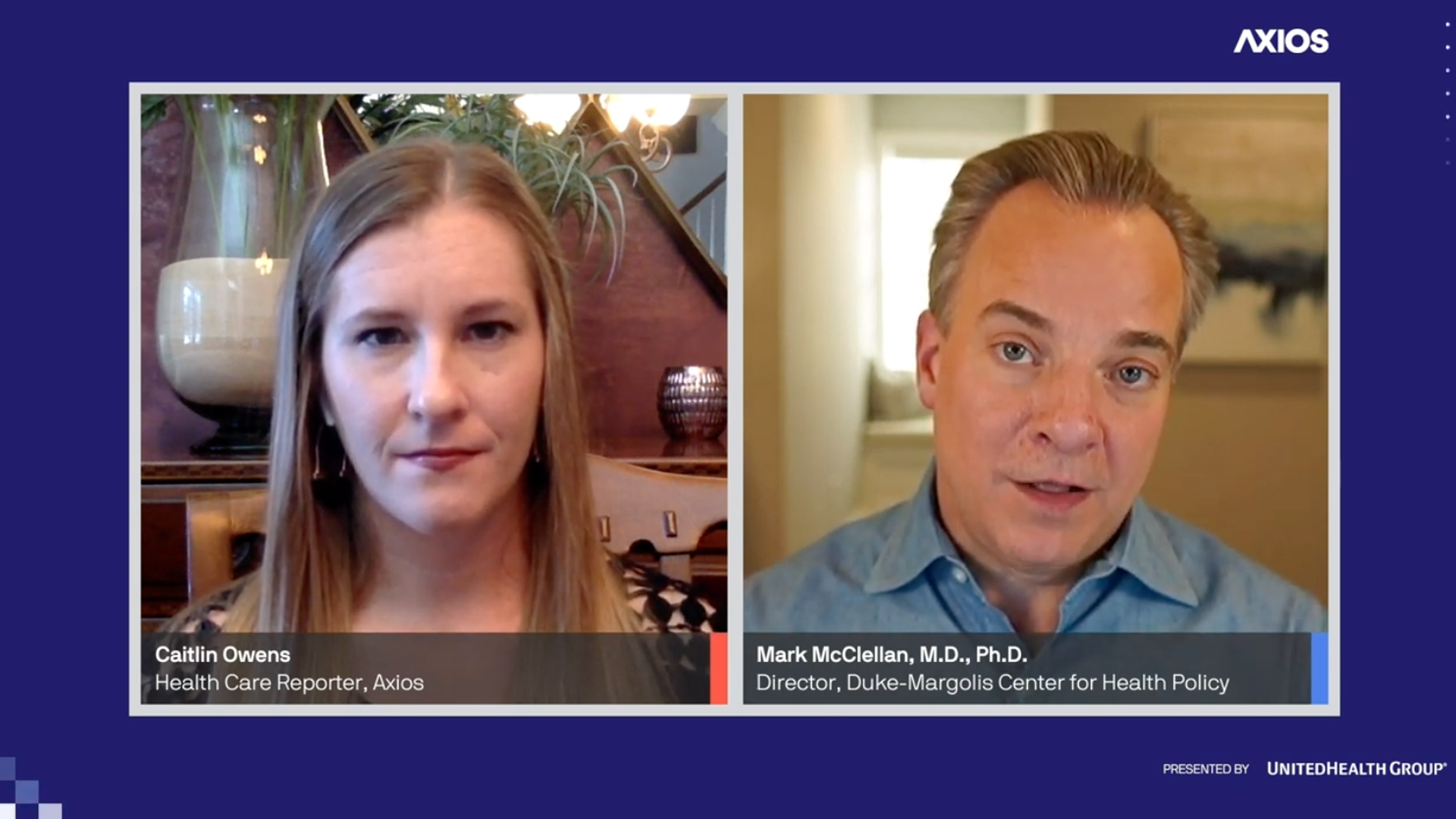
Having a reliable supply of pharmaceutical drugs throughout America will be "absolutely critical" to boosting affordability in health care during the Biden administration, former Food and Drug Administration (FDA) commissioner Mark McClellan said at a virtual Axios Event on Friday.
The big picture: McClellan, who served under President George W. Bush, says drugs having limited supply and limited competition leads to elevated pricing. He considers drug supply to be a national security and public health issue.
Christiana Figueres, an architect of the Paris climate agreement, will be joining the board of alternative protein startup Impossible Foods, Axios has learned.
Why it matters: Figueres's move is a sign of the growing importance of the alt-protein sector, and an acknowledgement that solving climate change needs to include addressing food and agriculture, as well as energy.
President-elect Joe Biden has picked former FDA chief David Kessler to lead Operation Warp Speed, a day after unveiling a nearly $2 trillion pandemic relief plan that includes $400 billion for directly combatting the virus.
Why it matters: Biden's transition team said Kessler has been advising the president-elect since the beginning of the pandemic, and hopes his involvement will help accelerate vaccination, the New York Times reports. Operation Warp Speed's current director, Moncef Slaoui, will stay on as a consultant.
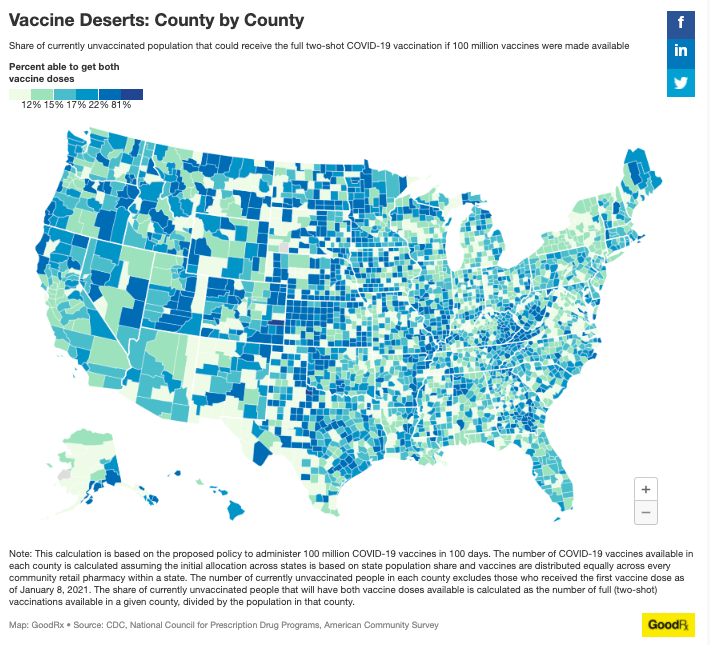
Millions of Americans who live in "pharmacy deserts" could have extra trouble accessing coronavirus vaccines quickly, according to a new analysis by GoodRx.
Why it matters: Places without nearby pharmacies, or with a large population-to-pharmacy ratio, may need to rely on mass vaccination sites or other measures to avoid falling behind.
Health care jobs held by women have come back much more slowly than jobs held by men, mirroring trends in the economy overall.
Why it matters: The vast majority of health care workers infected with COVID-19 have been women, and they've borne the brunt of the industry's economic woes, too.
Civil rights leaders and Black sports icons are publicly taking COVID-19 vaccines to encourage African Americans to followtheir example associal media misinformation exploits Black distrust of vaccines.
Why it matters: The coronavirus has disproportionately struck Black, Latino, and Native American communities, and health officials are racing to reassure skeptical populations that the vaccines aren't clandestine experiments, but needed measures to tame the pandemic.