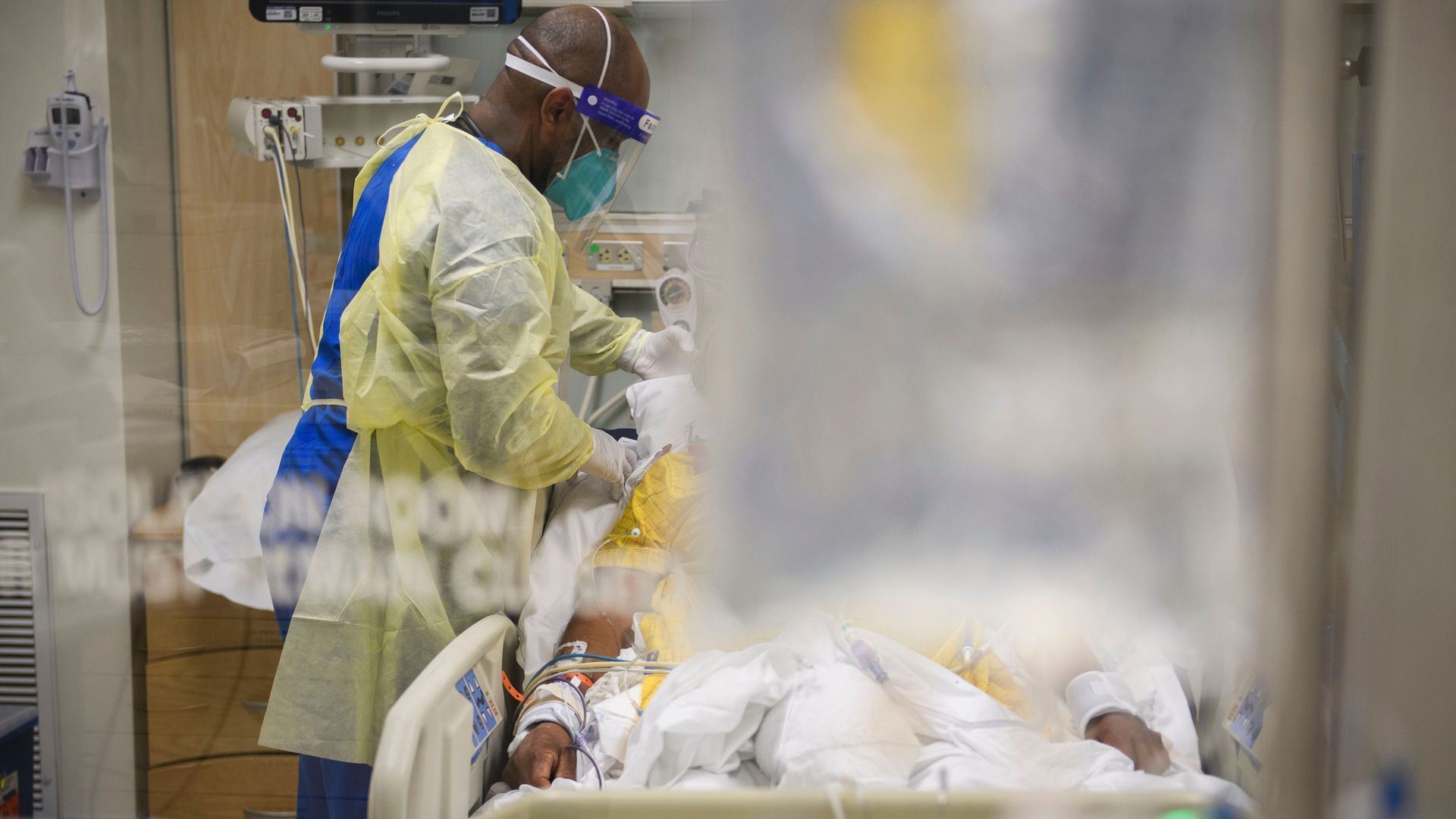
Southern California's COVID outbreak is in a terrible place, and hospitals haven't even been hit with a wave of potential infections from Christmas and New Year's.
The big picture: Hospitalizations have stabilized, but public health officials say that's just from infections linked to Thanksgiving, the L.A. Times reports.
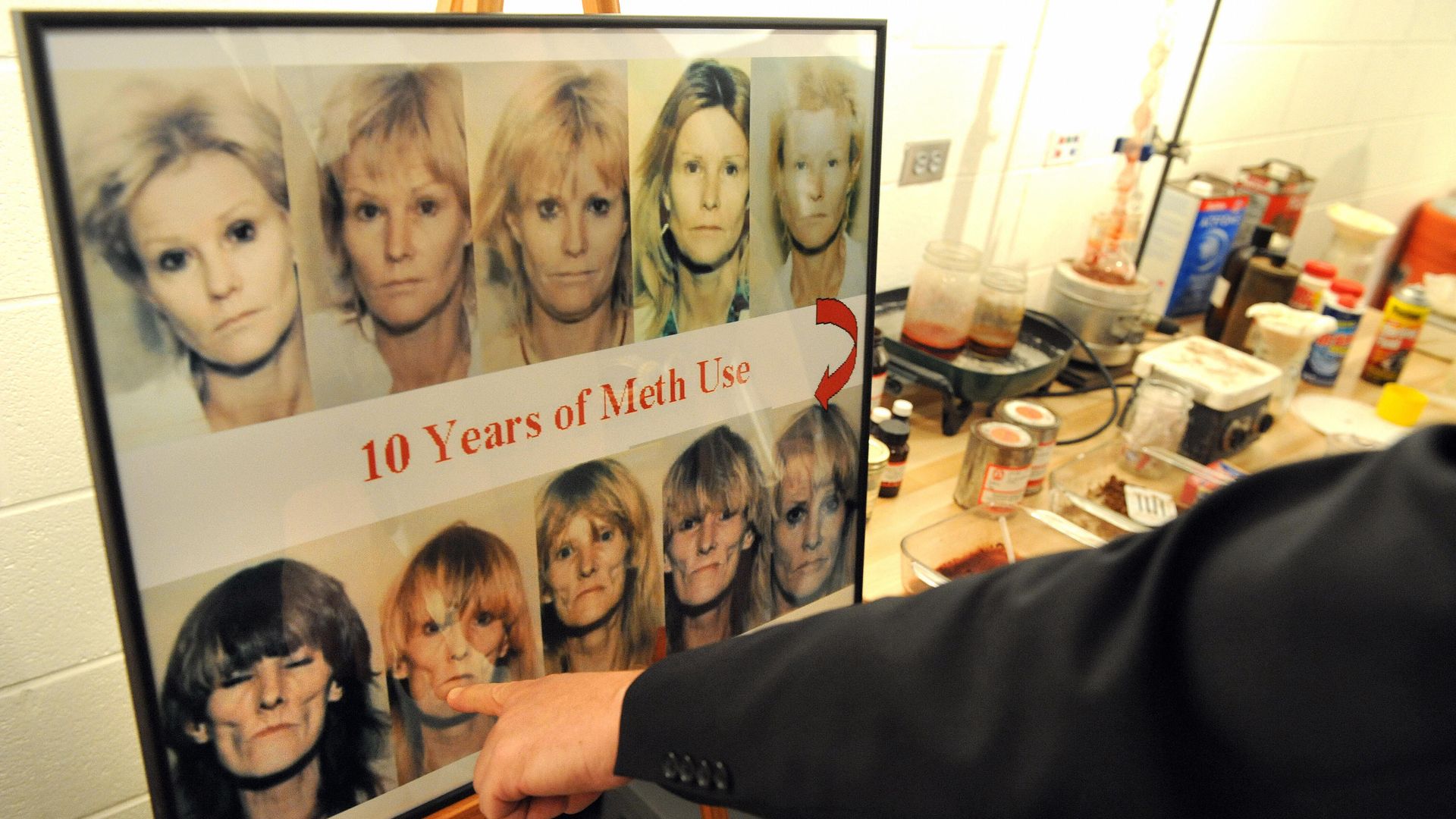
Combining two FDA-approved drugs may help stop some people's use of methamphetamine, a new study shows.
Why it matters: Currently there are no FDA-approved drug treatments available for people with a methamphetamine use disorder — an addiction that has risen during the pandemic.
America has become a two-vaccine nation, but plenty of other companies are continuing to work on new vaccines that could increase supply and accelerate the country's goal of herd immunity.
Axios Re:Cap digs into the vaccine pipeline with Derek Lowe, a medicinal chemist and biotech blogger.
Hospitals around the country remain filled beyond capacity, threatening the quality of care provided both to coronavirus patients and people suffering other medical emergencies.
Why it matters: We're beginning to see more than 4,000 coronavirus deaths a day, and heart attacks and car accidents are still happening, whether or not the local hospital has any room left.
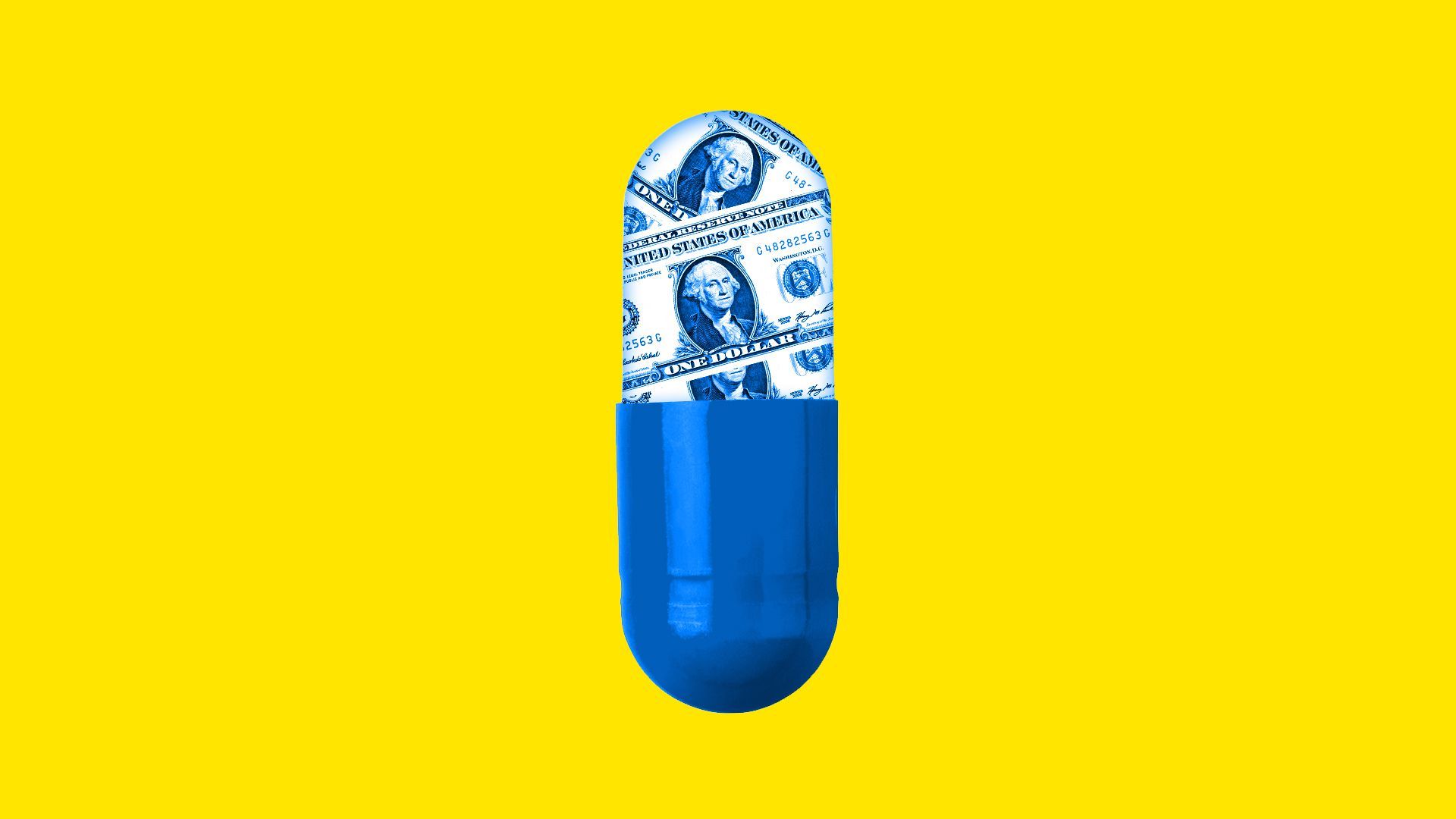
More than 100 pharmaceutical companies raised prices on over 600 drugs at the beginning of the new year, according to a new report from the advocacy group Patients for Affordable Drugs.
The big picture: Millions of people have lost their health insurance because of the pandemic, and uninsured patients must often pay the full sticker price for prescription drugs.
The U.S. is now averaging nearly 250,000 new coronavirus cases per day — a crisis of staggering proportions, even though many Americans have tuned it out.
The big picture: It's not even sufficient to say the pandemic is “still going on,” as if it’s a fire that hasn’t finished burning out. The pandemic is raging. Its deadliest and most dangerous days are happening right now. And it keeps getting worse.
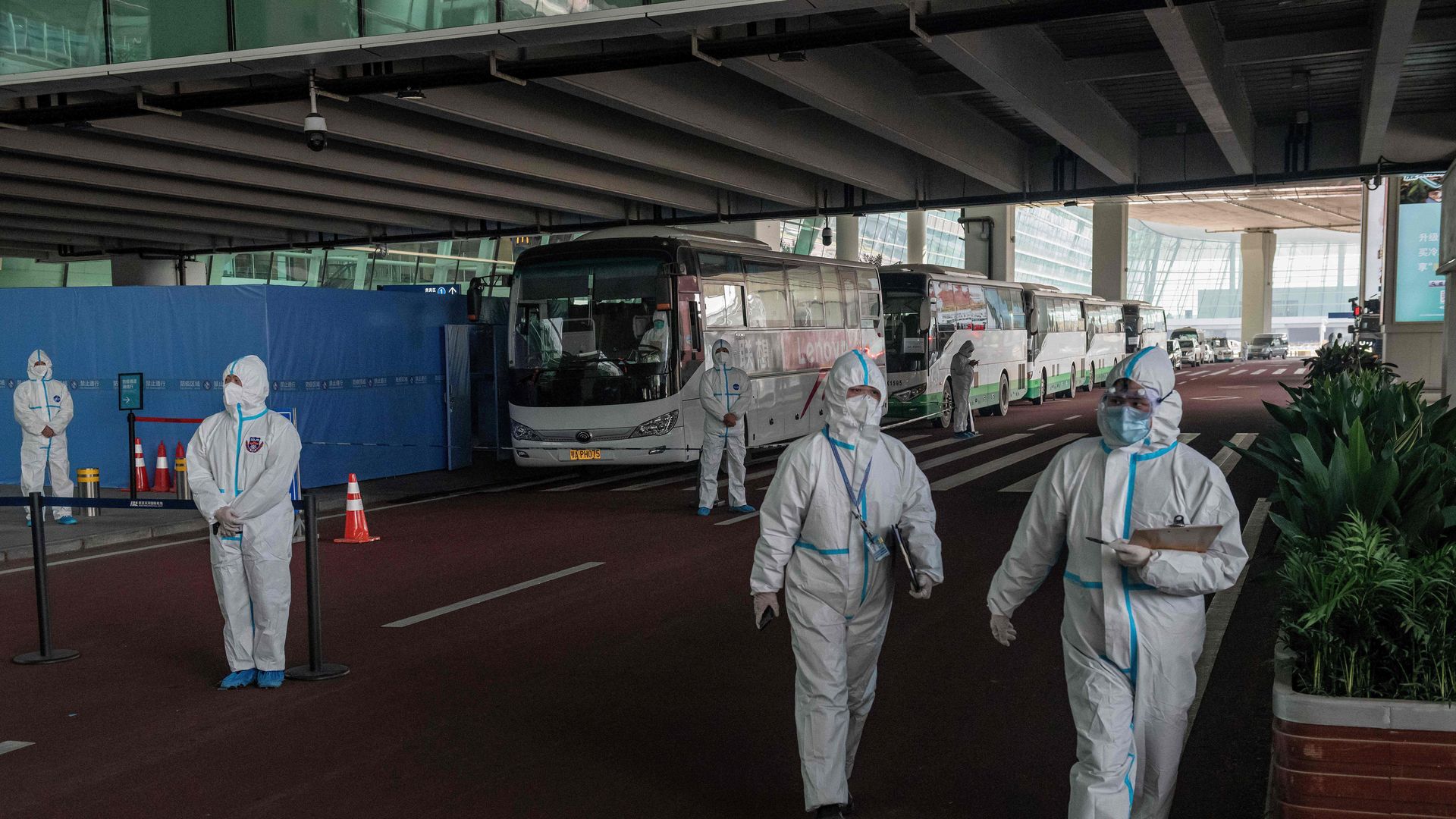
A World Health Organization team of researchers arrived in Wuhan, China, Thursday ahead of their investigation into the origins of the COVID-19 pandemic.
Driving the news: Dominic Dwyer, a Sydney virologist based who's among the scientists on the visit, told the Australian Broadcasting Corporation they don't expect to find a "patient zero." "But we may have a much better indication of whether the virus truly started in Wuhan," he said.
Participants who received Johnson & Johnson’s one-shot vaccine in an early study developed coronavirus immunity for at least 71 days, but a production lag could mean a rollout of fewer-than-promised doses, the New York Times reported Wednesday.
Why it matters: If approved, J&J’s vaccine would be the first available to protect from COVID with a single dose, streamlining vaccine administration and distribution.
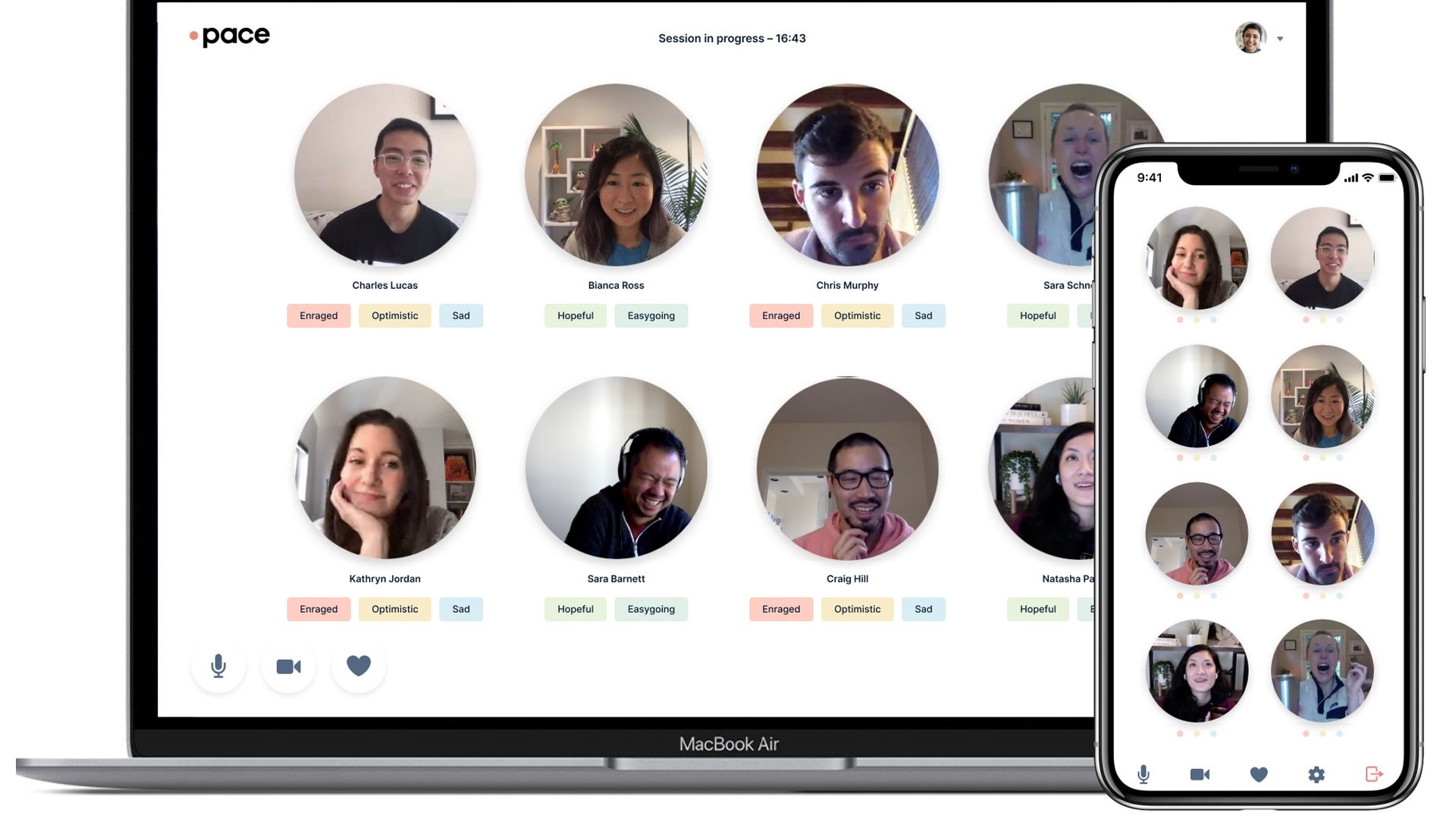
A team of Silicon Valley veterans is launching a new service that will address mental health issues through online group sessions.
Why it matters: The pandemic has led to a worsening of mental health, as traditional in-person therapy has been largely curtailed. New services like Pace that aim to address mental health issues remotely could help close that gap.
Thanks largely to social distancing and mask-wearing — as well as higher uptake of the flu vaccine — influenza deaths this season are almost nonexistent.
Why it matters: The drastic drop in infections of influenza and other circulating respiratory viruses has given the U.S. health care system a welcome respite at a time when COVID-19 is rampaging.