Several lawmakers on Sunday railed against President Trump and demanded he sign the $900 billion coronavirus relief bill and $1.4 trillion government funding measure passed by Congress last week.
Why it matters: Unemployment benefits for millions of Americans lapsed overnight, and the federal government may be forced to shut down this week if Trump does not sign the measure.
More LGBTQ Americans, especially young adults, are facing higher risks of poor mental health, homelessness and lost income during the coronavirus pandemic, according to advocates.
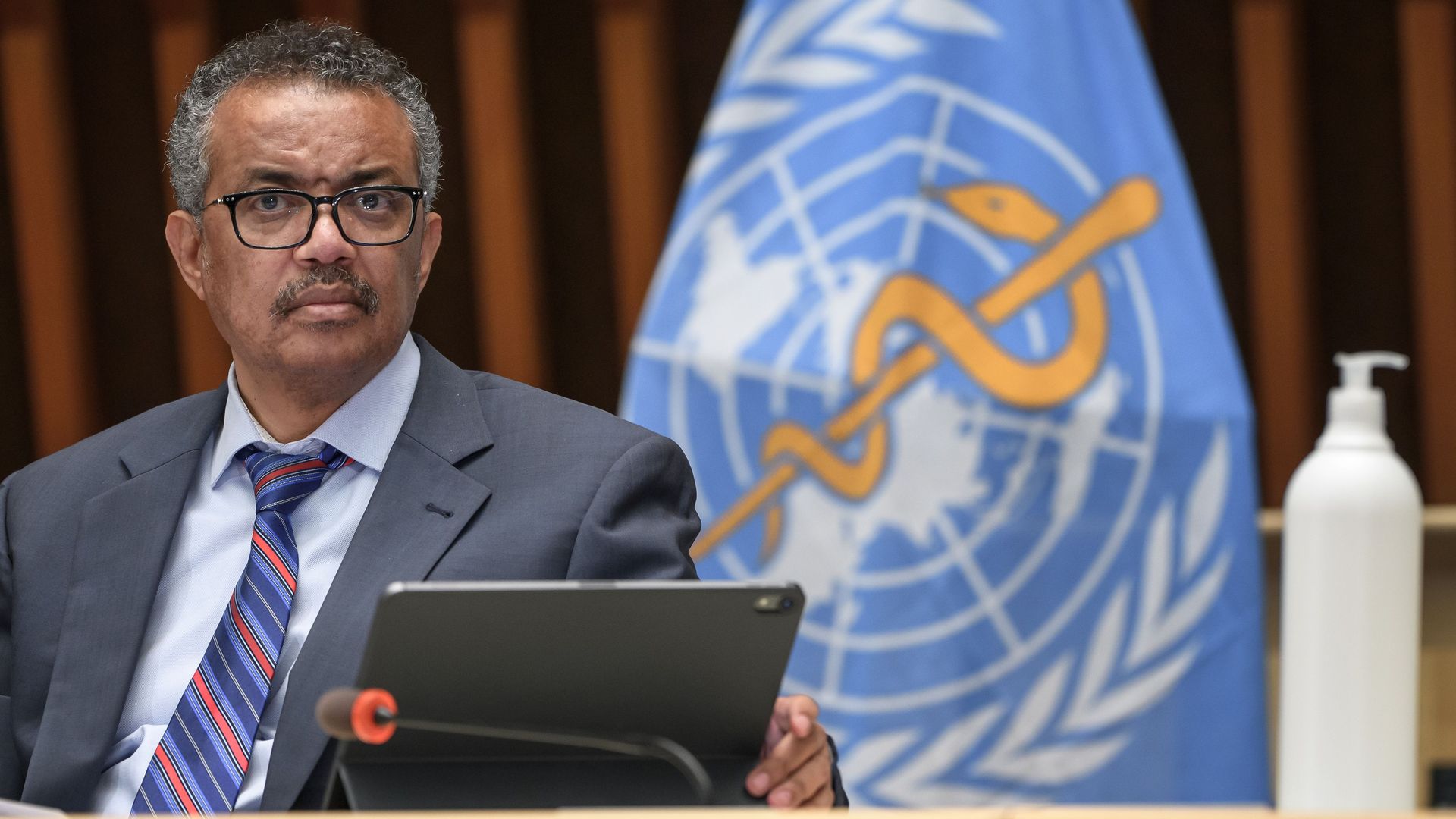
World Health Organization chief Tedros Adhanom Ghebreyesus said in a video marking the first International Day of Epidemic Preparedness Sunday "history tells us that this will not be the last pandemic, and epidemics are a fact of life."
What he's saying: Tedros said responses to such outbreaks had been "dangerously short-sighted," throwing money at the problem without preparing for the next one.
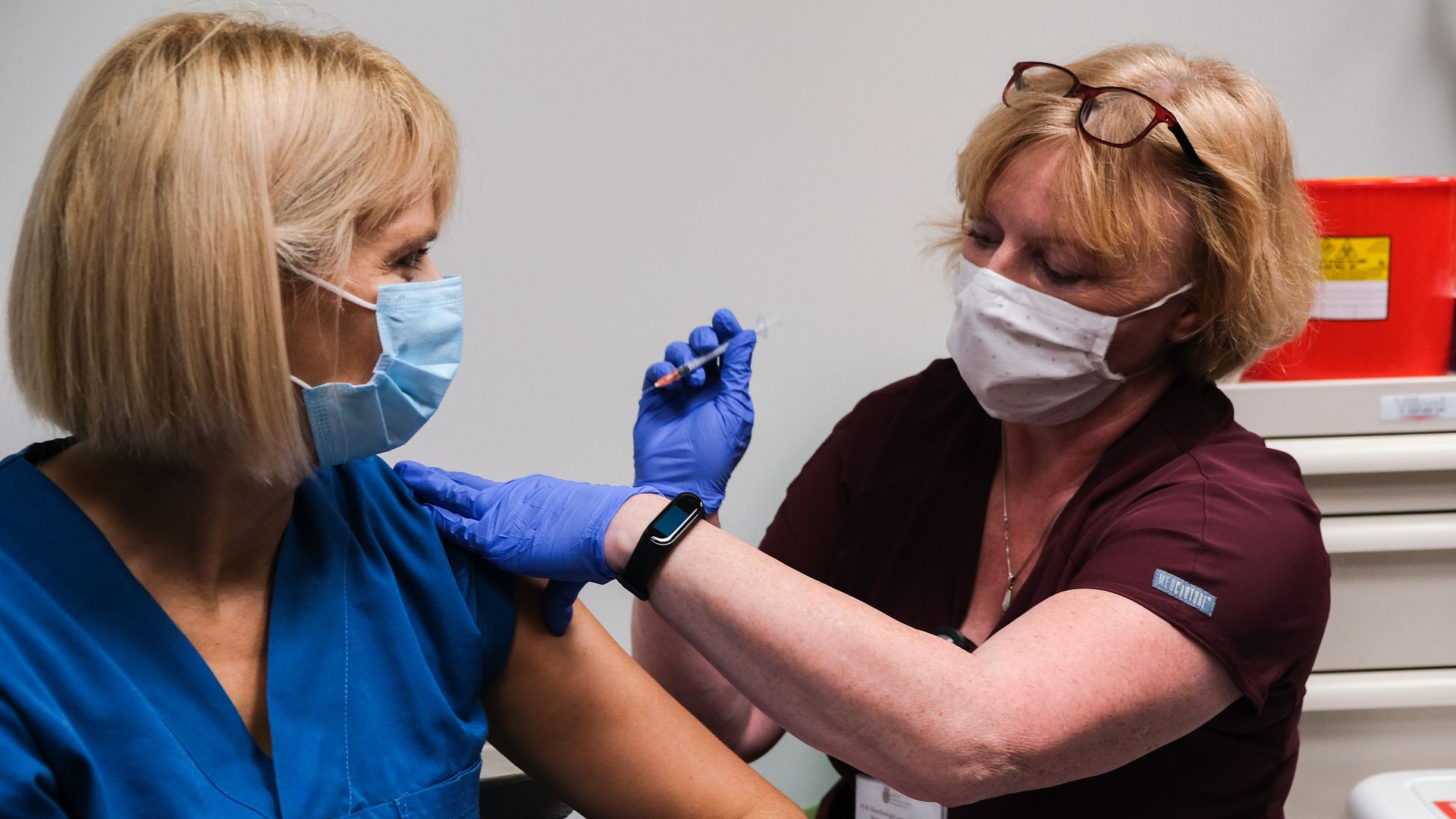
The European Union began on Sunday a coordinated rollout of coronavirus vaccinations across its 27 member states in a drive to inoculate some 450 million people.
Why it matters: Several European countries have tightened restrictions as cases, deaths and hospitalizations surge. EU countries have recorded at least 16 million COVID-19 cases and 336,000 deaths since the pandemic began, per AP.
Cases of a new variant of COVID-19 first detected in England were confirmed by health officials in Canada, Japan and several more European Union countries Saturday.
Why it matters: While there's no evidence the variant is more deadly than the original strain, British Prime Minister Boris Johnson's announcement that it could be 70% more transmissible prompted dozens of countries to ban travel from the United Kingdom.
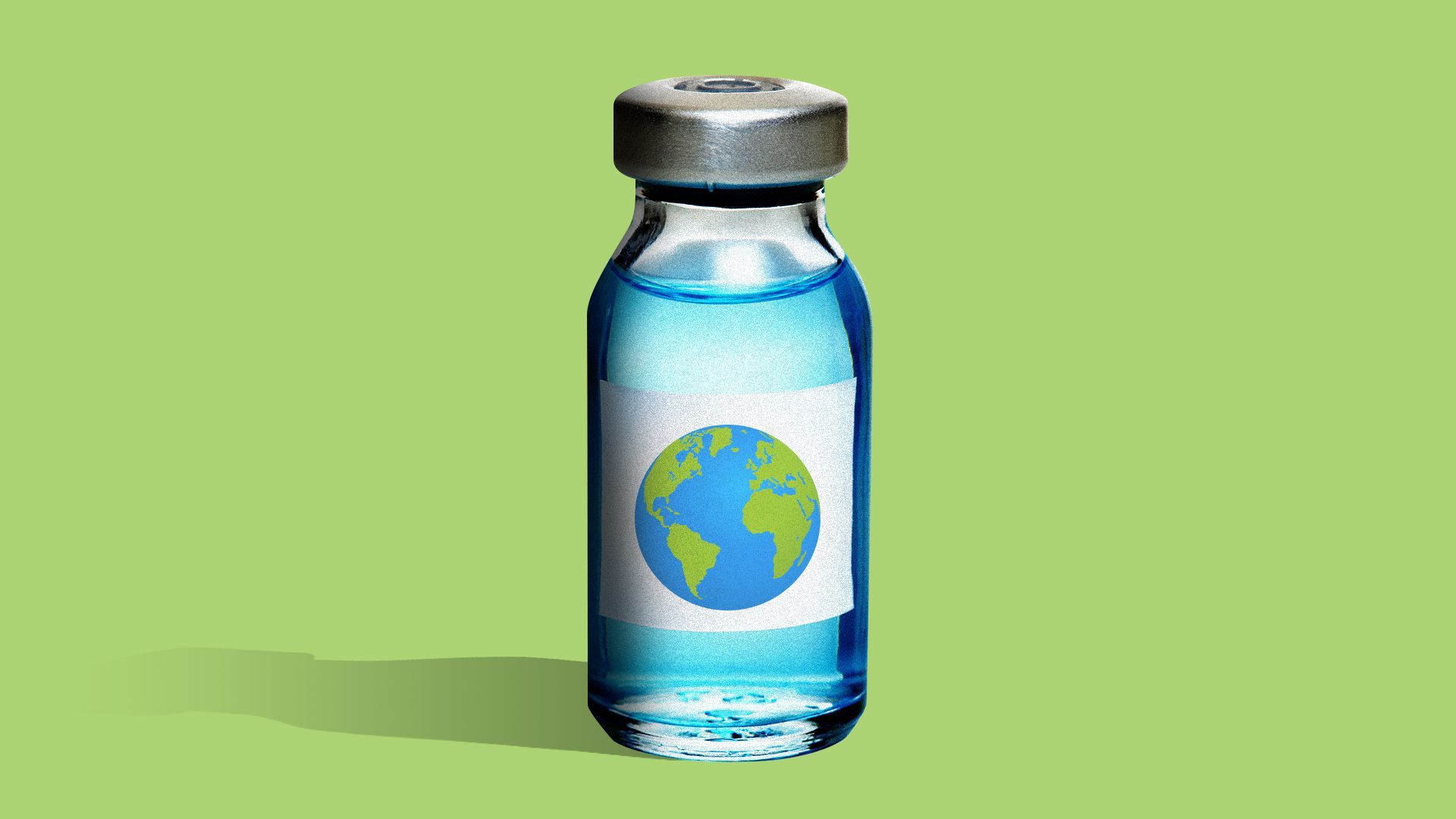
Vaccinating the world will be perhaps the single greatest global challenge of 2021, and that process is now beginning in earnest.
The big picture: If you're reading this in Europe, the U.S. or one of several other wealthy countries, you will probably have access to a vaccine in 2021. But if you're in a lower-income country, particularly in sub-Saharan Africa, you could be waiting until 2023.