Houston Mayor Sylvester Turner tweeted on Monday that he has proposed a two-week citywide shutdown to Texas Gov. Greg Abbott as coronavirus infections and hospitalizations continue to surge.
Why it matters: Harris County, where Houston is located, is reporting the most coronavirus cases and fatalities in the state, per Texas' health department. More people are hospitalized and in the ICU in Houston than in any other major city in the state.
California Gov. Gavin Newsom on Monday ordered indoor operations for restaurants, wineries, movie theaters and other family entertainment like zoos, museums and card rooms to cease immediately. Bars must also close entirely.
Why it matters: It's the largest statewide rollback of a reopening plan yet, underscoring the severity of the coronavirus outbreak in California.
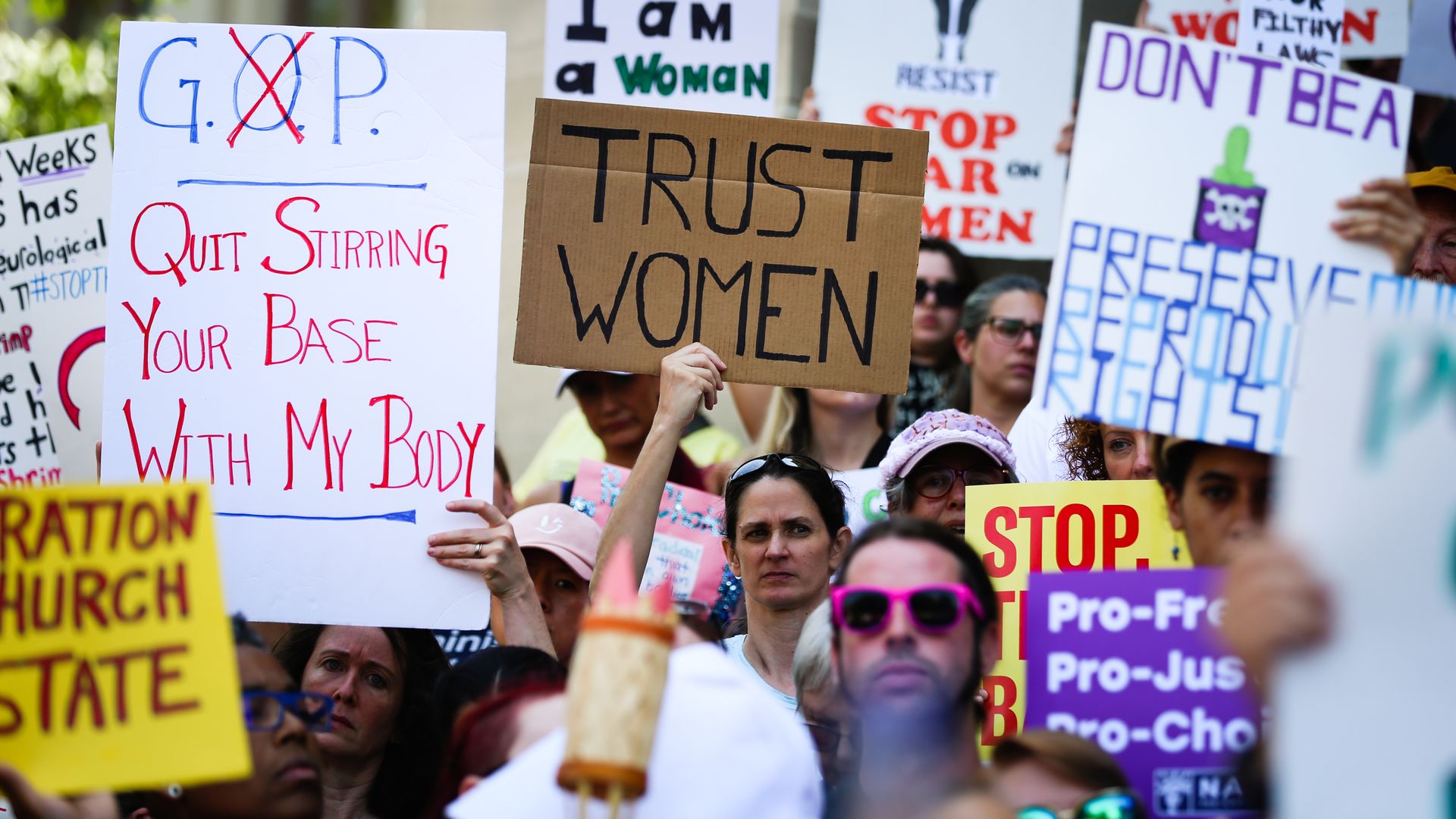
Two federal judges have blocked restrictive abortion laws from moving forward in Georgia and Tennessee, APreports.
Why it matters: The laws were some of the most restrictive in the country. Both laws would have made abortions illegal once a heartbeat is detected, which happens around six weeks when most women don't even know they are pregnant.
The U.S. budget deficit reached $864 billion in June as Congress allocated trillions to help cushion the damage from the coronavirus recession and massive job losses reduced tax revenues, the Treasury Department said in its latest monthly report.
The big picture: It took 10 months last year for the country's budget deficit to reach roughly the same amount, at $866.8 billion. June's new high is the "biggest monthly budget deficit in history," per AP.
White House press secretary Kayleigh McEnany denied Monday that the White House released "opposition research" on Anthony Fauci’s handling of the coronavirus, despite the fact that multiple media outlets received a statement from an unnamed White House official that listed the times Fauci was "wrong on things" in the pandemic's early days.
The big picture: McEnany painted the statement as "a direct answer to what was a direct question" for a Washington Post piece, but the administration forwarded that document to other outlets, including CNN, which described it as "[resembling] opposition research on a political opponent."
Public schools in Los Angeles and San Diego, the two largest public school districts in California, will not be sending children back to campuses next month and will instead administer online classes due to concerns over the ongoing threat of the coronavirus.
Why it matters: The two districts, which together enroll about 825,000 students, are the largest in the country thus far to announce that they will not return to in-person learning in the fall, even as the Trump administration aggressively pushes for schools to do so.
New York Gov. Andrew Cuomo said Monday that schools will only reopen if they meet scientific criteria that show the coronavirus is under control in their region, including a daily infection rate of below 5% over a 14-day average. "We're not going to use our children as guinea pigs," he added.
The big picture: Cuomo's insistence that New York will rely on data to decide whether to reopen schools comes as President Trump and his administration continue an aggressive push to get kids back in the classroom as part of their efforts to juice the economy.
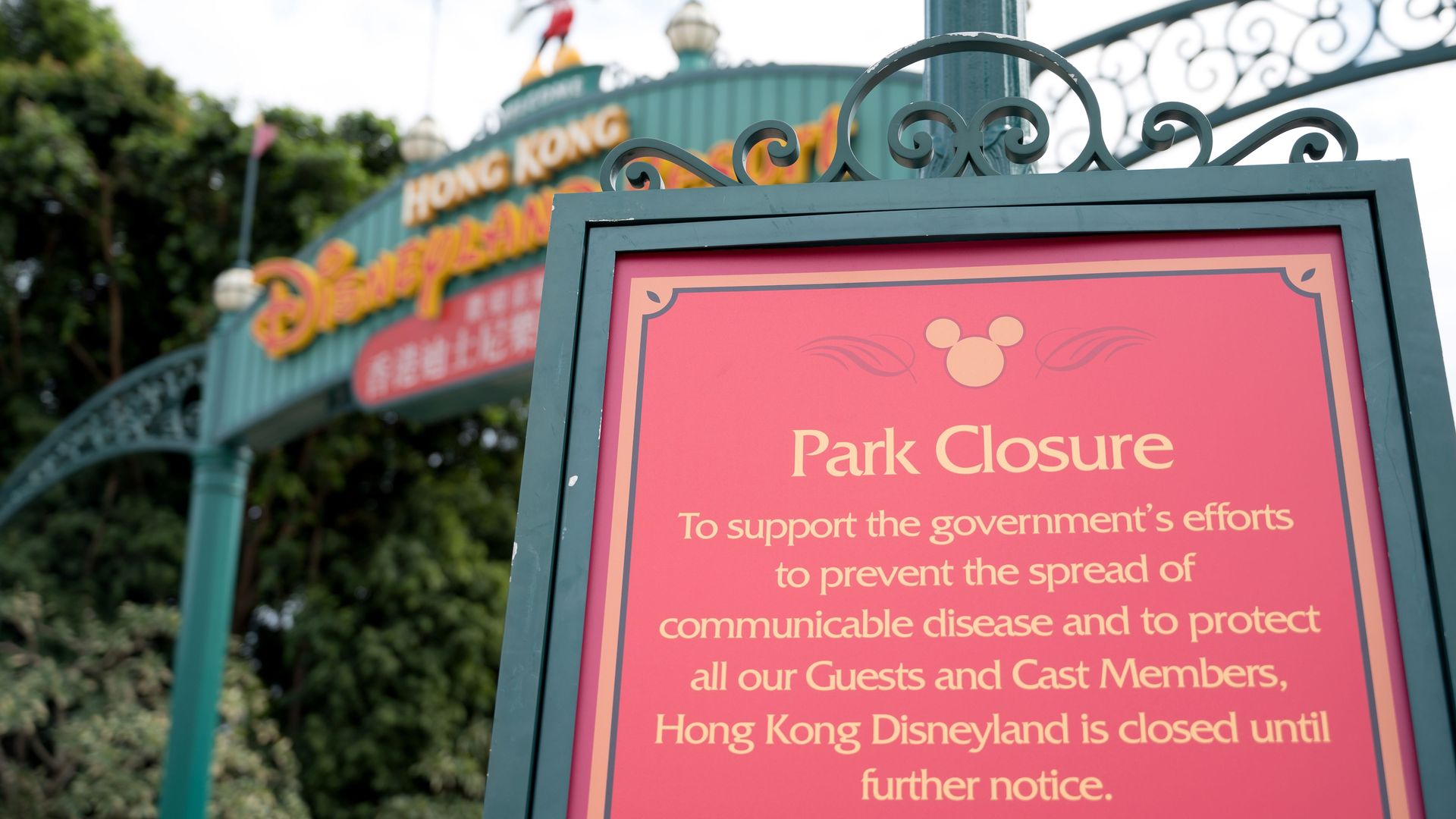
Hong Kong Disneyland on Monday announced that it would close again on July 15, after reopening last month from a coronavirus-driven shutdown that began in January.
The state of play: Hong Kong authorities ordered it to close after the city reported 38 new infections on Friday. Comparatively, Orlando's Walt Disney World reopened Saturday even as the state reported over 15,000 new cases in a single day over the weekend.
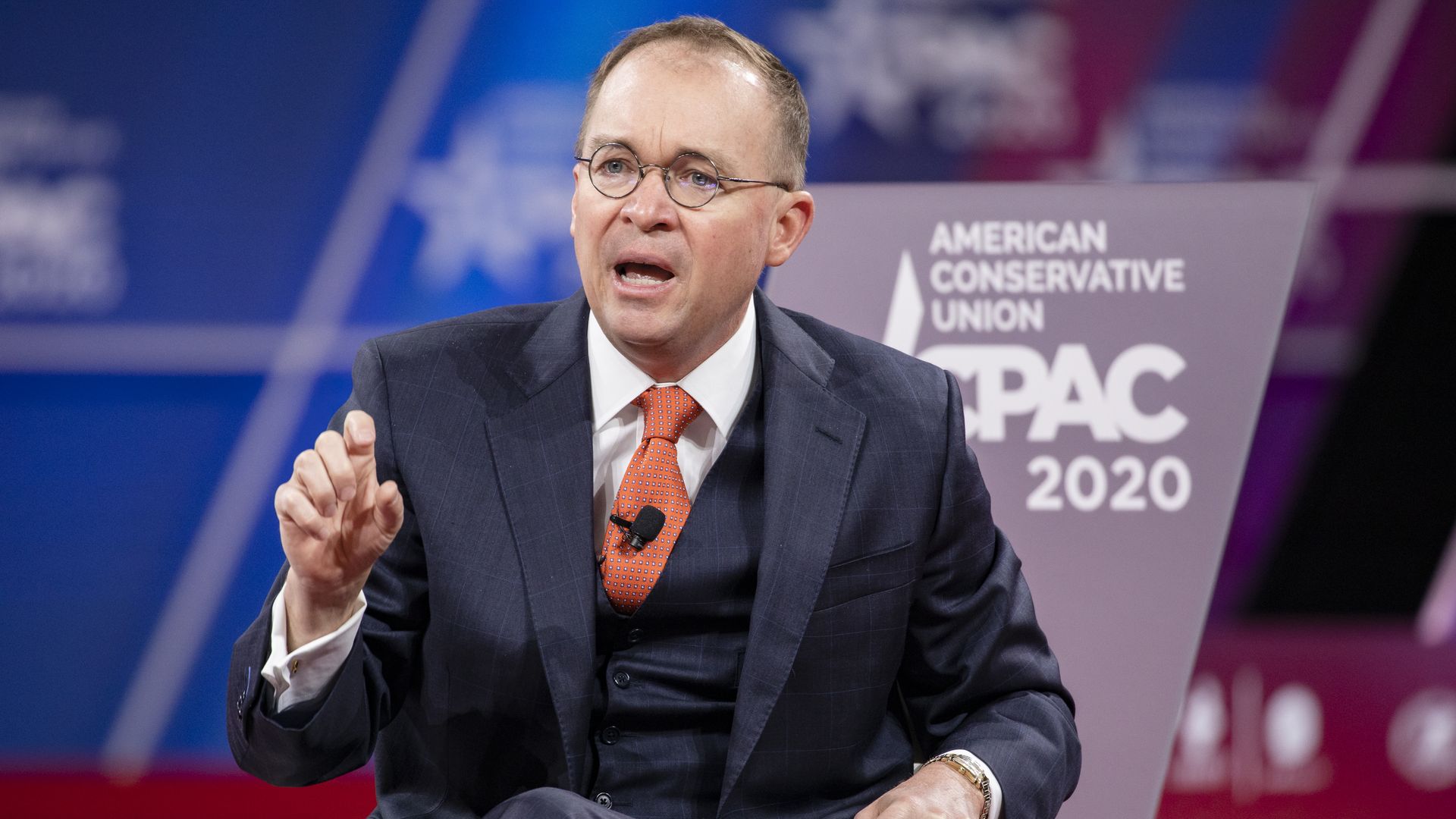
Former White House chief of staff Mick Mulvaney wrote in a CNBC op-ed published Monday that if Congress seeks to pass another relief package, it should treat the economic crisis as "public-health driven" and avoid traditional fiscal measures like providing stimulus checks.
The big picture: Striking a vastly different tone from that of President Trump, who has boasted about the U.S.' testing capabilities and downplayed the severity of the health crisis, Mulvaney called for any stimulus package to "be directed at the root cause of our recession: dealing with Covid."
World Health Organization director-general Tedros Adhanom Ghebreyesus warned Monday that "there will be no return to the 'old normal' for the foreseeable future," but that there is a "roadmap" for struggling countries to get the virus under control.
Why it matters: A record 230,000 new cases of COVID-19 were reported to the WHO on Sunday, as total infections approach 13 million worldwide.
Churchill Capital Corp. III has agreed to acquire health-cost management services provider MultiPlan at an initial enterprise value of $11 billion, as such deals continue to proliferate as alternatives to IPOs.
Why it matters: This is the largest special purpose acquisition company (SPAC) merger, and it also includes the largest private investment in public equity (PIPE) associated with a SPAC. Existing MultiPlan owners like Hellman & Friedman and General Atlantic will roll over more than 75% of their collective stake and own over 60% of the public company.
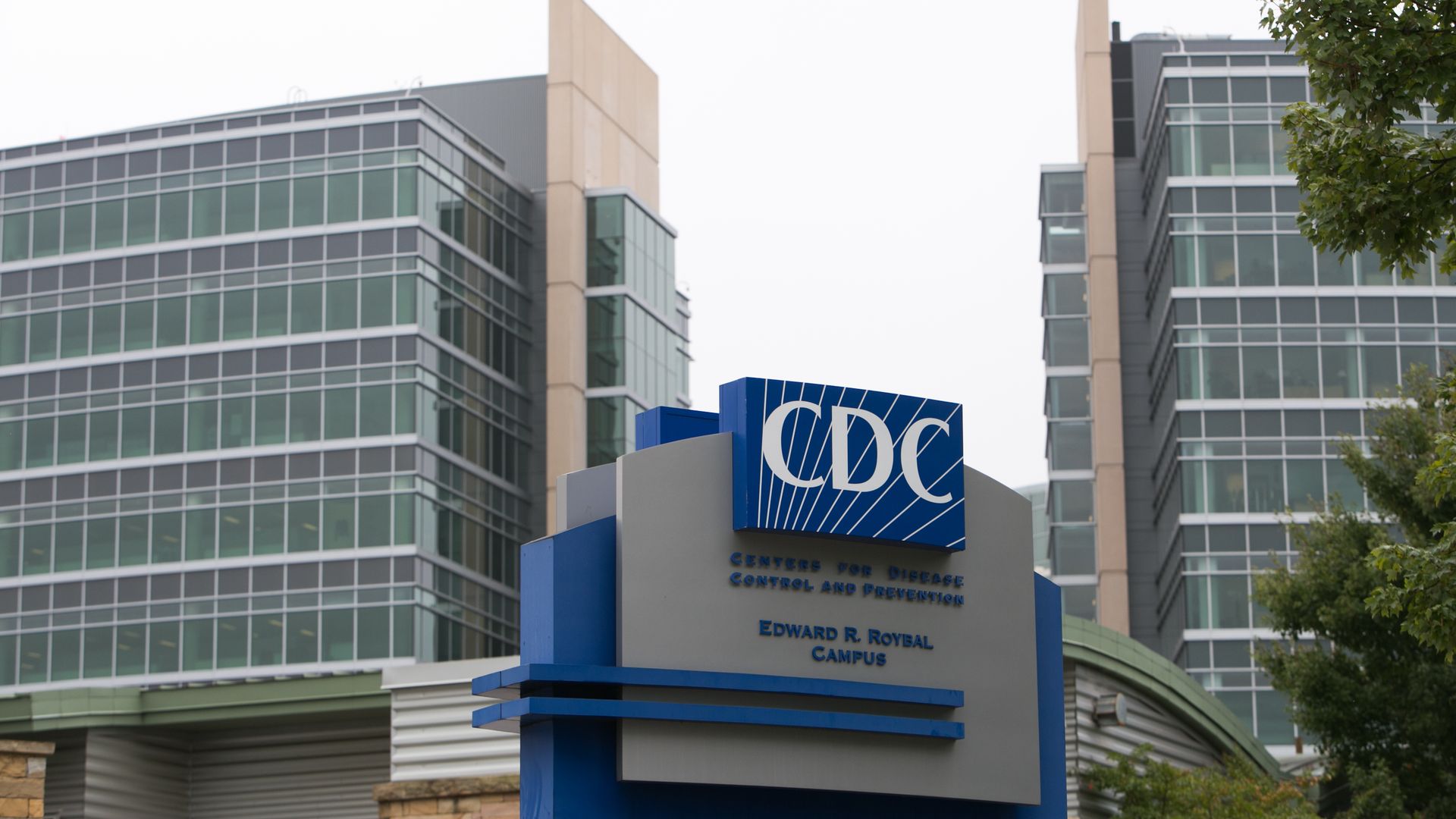
More than 1,000 employees at the Centers for Disease Control and Prevention have signed a letter highlighting "ongoing and recurring acts of racism and discrimination" against Black employees at the agency, NPR reports.
The state of play: By Sunday evening, about 9% of the agency's workers had signed the letter, which claims the CDC has fostered an "oppressive monoculture that stifles the growth of Black professionals and inhibits their ability to fully contribute their talents and skills."
Houston's coronavirus situation is "dire, and it's getting worse, seems like, every day," Harris Health System CEO and President Dr. Esmail Porsa said Monday on MSNBC's "Morning Joe."
The big picture: Porsa said the region is seeing numbers related to the spread of the virus that are "disproportionately higher than anything we have experienced in the past." He noted that Lyndon B. Johnson Hospital's ICU is at 113% capacity, and 75% of its beds are coronavirus patients.
Fraternity houses have never been known for their cleanliness, but they're now emerging as hotbeds for coronavirus outbreaks, the Washington Post reports.
Why it matters: This is yet another problem for college and university officials to solve as they try to bring students back for the fall semester.
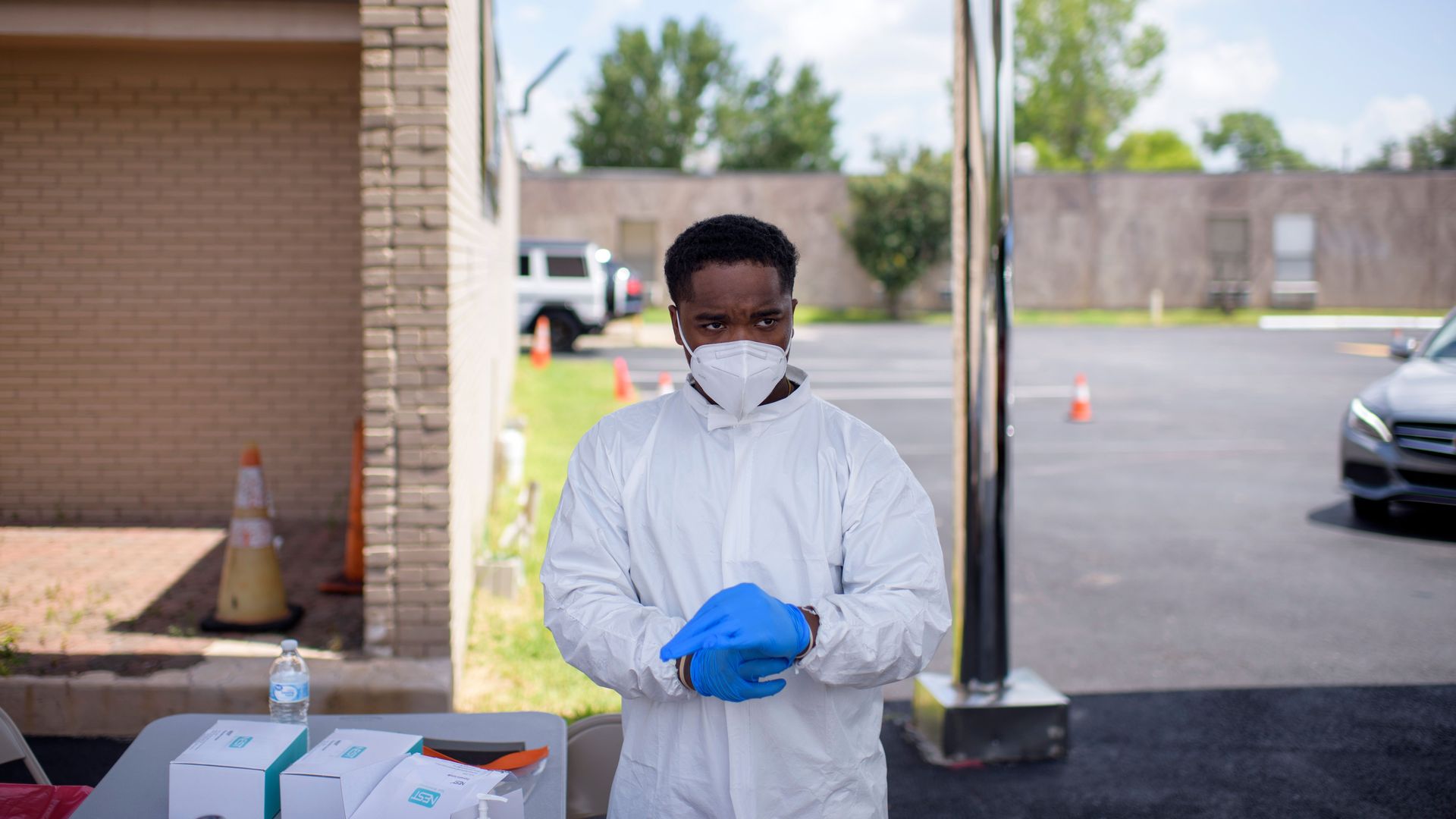
Health care workers faced severe shortages of face masks, gowns and other protective equipment at the beginning of the coronavirus pandemic, and they're afraid it's happening again now.
Why it matters: Hospitals, nursing homes and physician clinics need this equipment to protect themselves and to avoid spreading infection. Supplies are already stretched thin, and will likely get thinner as the coronavirus and flu season converge in the fall.