2,946 new coronavirus cases were reported by Georgia's state health department over the last 24 hours, the highest spike in the state yet.
Why it matters: Georgia lifted its shelter-in-place warning for most residents over 65 years old in mid-June, the Atlanta-Journal Constitution reports.
The pandemic-enforced lockdown that led to a boom in virtual fitness activities is here to stay.
Why it matters: Remote fitness can allow more people access to high-quality teachers and classes. But with gyms likely to be one of the last businesses allowed to reopen during the pandemic, neighborhood fitness studios could be in trouble.
California Gov. Gavin Newsom ordered bars in 19 California counties to close on Wednesday, and he mandated that indoor service for restaurants, movie theaters, museums and zoos cease immediately.
What's happening: Daily coronavirus infections in California have been steadily growing since March, with the state marking its highest single-day increase last Tuesday, per the state health department.
Six FC Dallas players have tested positive for the coronavirus in the last four days after arriving in Orlando, Florida, the team and Major League Soccer announced on Wednesday.
Why it matters: The league announced last month that it will return to action on July 8 with all 26 teams competing in a 54-game, 35-day, World Cup-style tournament at Disney World, Axios' Kendall Baker reports.
President Trump told Fox Business in an interview Wednesday that he still believes the coronavirus will "at some point just sort of disappear," as he first claimed in February before the pandemic was declared.
Why it matters: The coronavirus outbreak in the U.S., which has already seen more than 2.6 million Americans test positive, is continuing to accelerate across the Sun Belt and has shown no signs of slowing down. Anthony Fauci testified Tuesday that he would "not be surprised" if the U.S. begins reporting as many as 100,000 new coronavirus cases per day.
President Trump told Fox Business on Wednesday that he supports another round of direct stimulus payments as part of a potential phase four coronavirus relief package.
Why it matters: 19.5 million Americans remain on unemployment after initially applying, according to data from the Labor Department released last week.
Health and Human Services official Adm. Brett Giroir urged Americans to wear masks and practice social distancing heading into July 4 weekend as the agency coordinates a "blitz" of coronavirus testing for states and local areas experiencing outbreaks.
The big picture: Targeted testing for people 35 and under regardless if they are sick can help supplement data collected through contact tracing — a challenge public health agencies have had when outbreaks are not tied to one specific event, Giroir said on a press call Wednesday.
Scott Gottlieb, the Trump administration's former FDA commissioner, told CNBC Wednesday that the United States is likely only diagnosing one in 10 new coronavirus infections and that between 400,000 and 500,000 Americans may be contracting the virus every day.
Why it matters: The Centers for Disease Control and Prevention warned in June that the country's total number of infections may be closer to more than 23 million — or around 10x the 2.3 million confirmed cases at the time.
The country "overreacted" in response to the coronavirus pandemic, Sen. Ron Johnson (R-Wis.) told Axios' Mike Allen during a virtual event on Wednesday.
What Johnson's saying: "[I]n hindsight, I think we overreacted. We closed too much of our economy down, and I don't think we focused enough on what we needed to do: isolate the sick, quarantine them, protect the vulnerable."
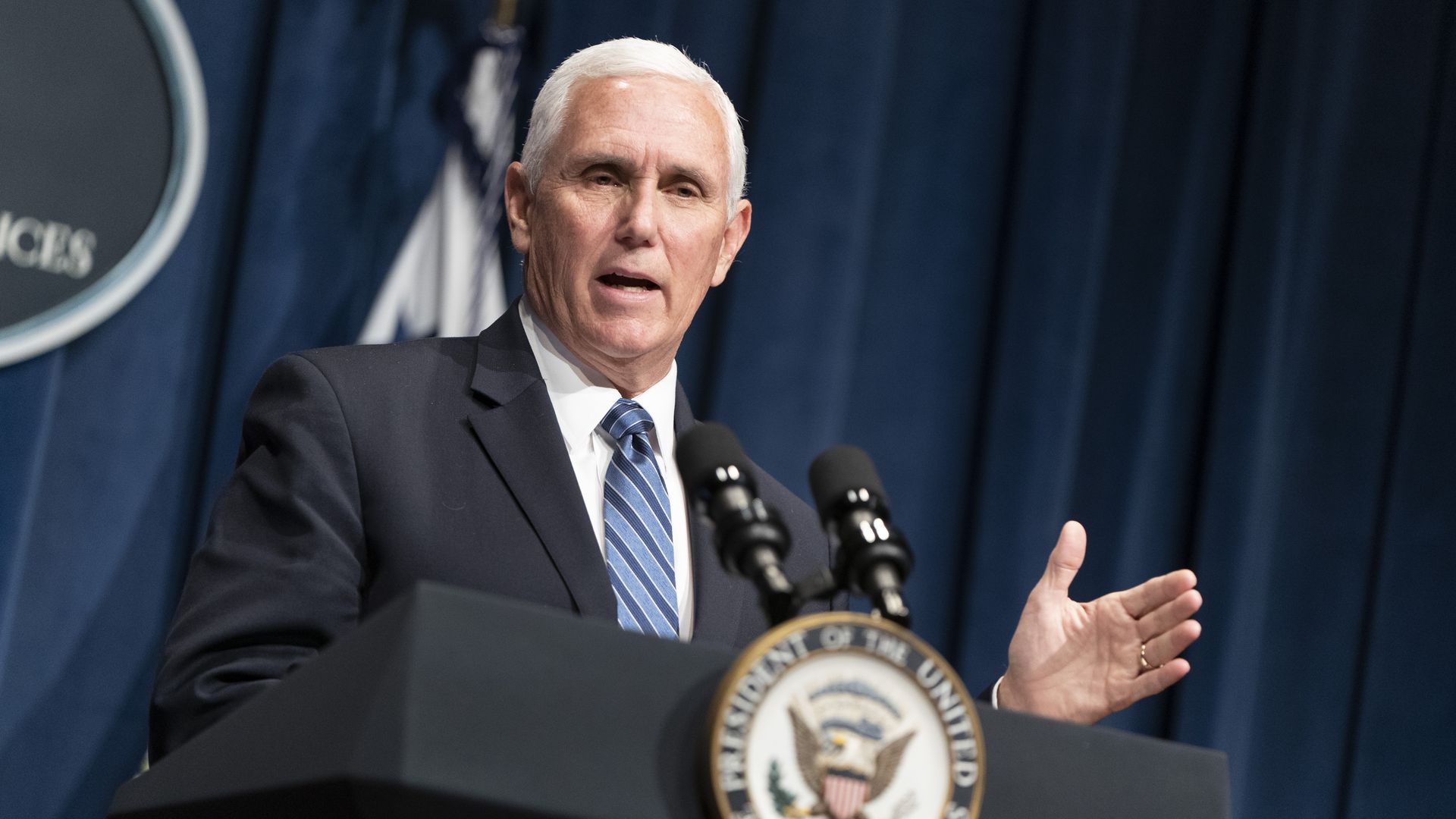
Arizona reported more than 4,800 new coronavirus cases and 88 deaths on Wednesday, hours before Vice President Mike Pence is set to meet with Gov. Doug Ducey, the Arizona Republic reports.
Why it matters: Arizona is seeing a massive surge in new cases and hospitalizations following Ducey's decision to reopen in May. On Monday, Ducey ordered bars, clubs, movie theaters, waterparks and gyms to close for 30 days in an effort to curb the spread of the virus.
New York City Mayor Bill de Blasio announced on Wednesday that the city will not resume indoor dining at restaurants on July 6 over fears that coronavirus surges in other states could renew the outbreak in New York, the New York Times reports.
The big picture: The tri-state area of New York, New Jersey and Connecticut — the original hub of the coronavirus outbreak in the U.S. — has successfully flattened its curve and is beginning to reopen. Officials fear, however, that the surge of cases in others states across the country will erase New York and its neighboring states' progress.
A new research note underscores how the COVID-19 pandemic is disproportionately hitting U.S. communities of color who already face higher exposure to pollution.
Patients who received an experimental coronavirus vaccine being developed by Pfizer and BioNTech generated immune responses to the virus, and there were no life-threatening side effects, according to early trial results posted Wednesday and reported by STAT.
The big picture: This particular vaccine is still a long ways away from proving it works and getting federal approval, but it's an encouraging first step that the vaccine appears to trigger an immune system response and is mostly safe.
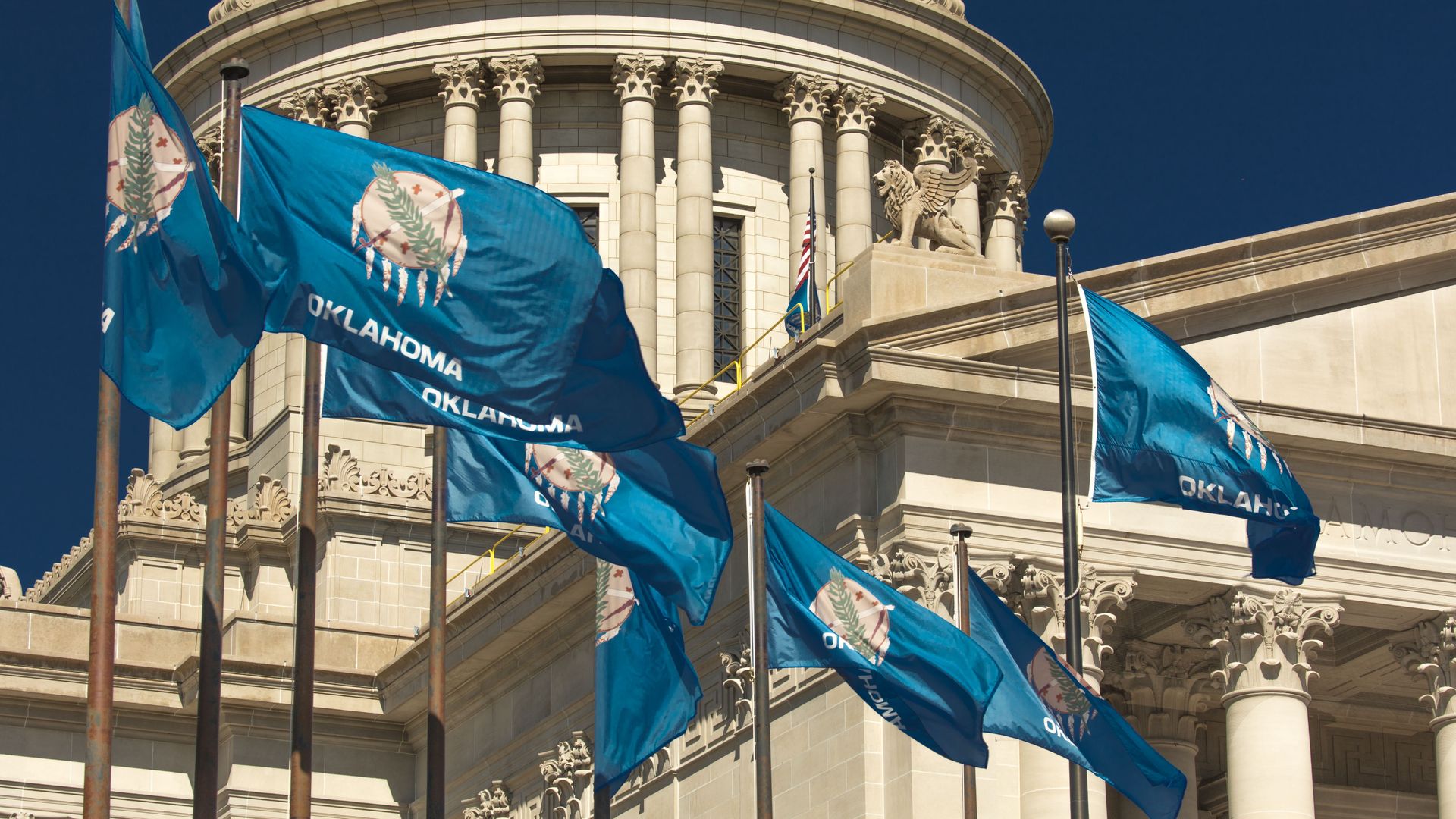
Oklahoma voters on Tuesday narrowly passed a ballot measure to expand Medicaid, making it the first state to do so during the coronavirus pandemic, Politico reports.
Why it matters: Nearly 200,000 low-income adults could qualify for health insurance under the expansion, and that number could rise because of the recent surge in unemployment.
The private sector added 2.4 million jobs in June, according to ADP's national employment report released on Wednesday. The report also included a massive revision to its May data, saying there were 3.1 million jobs added that month rather than 2.8 million lost (as initially estimated).
Why it matters: The labor market slowly continued to heal in early June, after historic job losses during the coronavirus pandemic. The ADP report is closely watched for what's to come in the official jobs release from the government (out tomorrow), though it's far from a perfect proxy.
Although California appeared to be on track in March to become a coronavirus disaster, the state managed to turn things around — only to find cases skyrocketing three months later.
Between the lines: It's obvious what caused the problem in states like Arizona, Texas and Florida, where the warnings of public health officials were largely disregarded. But in California, there's not just one clear-cut explanation, the MIT Technology Review reports.
The federal government has watered down legal rights that could allow it to take over the rights of some potential coronavirus drugs, according to federal contracts obtained by consumer group Knowledge Ecology International and shared with Axios.
The big picture: The federal government has never used its so-called "march-in rights," but they're a theoretically powerful tool to intervene in cases where pharmaceutical companies charge high prices or don't produce enough of a product.
Counties populated by larger numbers of people of color tend to have more coronavirus cases than those with higher shares of white people.
What we're watching: As the outbreak worsens throughout the South and the West, caseloads are growing fastest in counties with large communities of color.
Disability advocates in Arizona are criticizing a decision by the state allowing hospitals to activate a Crisis Standards of Care Plan that enables statewide triage protocols for acute care facilities.
Why it matters: Gov. Doug Ducey (R) said at a briefing the policy would help combat surging coronavirus cases. But disability rights groups issued a statement Tuesday urging health officials to revise the plan because they said it "could result in discriminatory denial of life-saving healthcare during the COVID-19 pandemic."
The Senate passed legislation by unanimous consent Tuesday night extending the application period for the Paycheck Protection Program through August 8, just hours before the federal loan program was set to expire.
Yes, but: The House still needs to pass the Senate version of the relief bill, and President Trump will need to sign off. Prospects for either are uncertain. Approximately $130 billion in PPP funding remains available.


/2020/07/01/1593642098438.gif?w=3840)