U.S. companies exported a record 129,000 tons of pork to China in April, even as meat producers warned that the effects of the coronavirus pandemic would deplete the industry's supply chain, the New York Times reports, citing data from Panjiva.
Why it matters: U.S. consumers had to deal with meat shortages as many meatpacking plants became coronavirus hot spots. The industry lobbied the Trump administration to intervene to reverse plant closures mandated by local and state officials.
Beijing's government ordered all schools in the city to close Tuesday in an effort to contain a new coronavirus outbreak which has spread to neighboring provinces, Bloomberg reports.
Why it matters: The Chinese capital, home to more than 21 million people, has so far reported 106 new infections and raised its emergency response to level two — meaning people must be tested for the virus before they can leave the city.
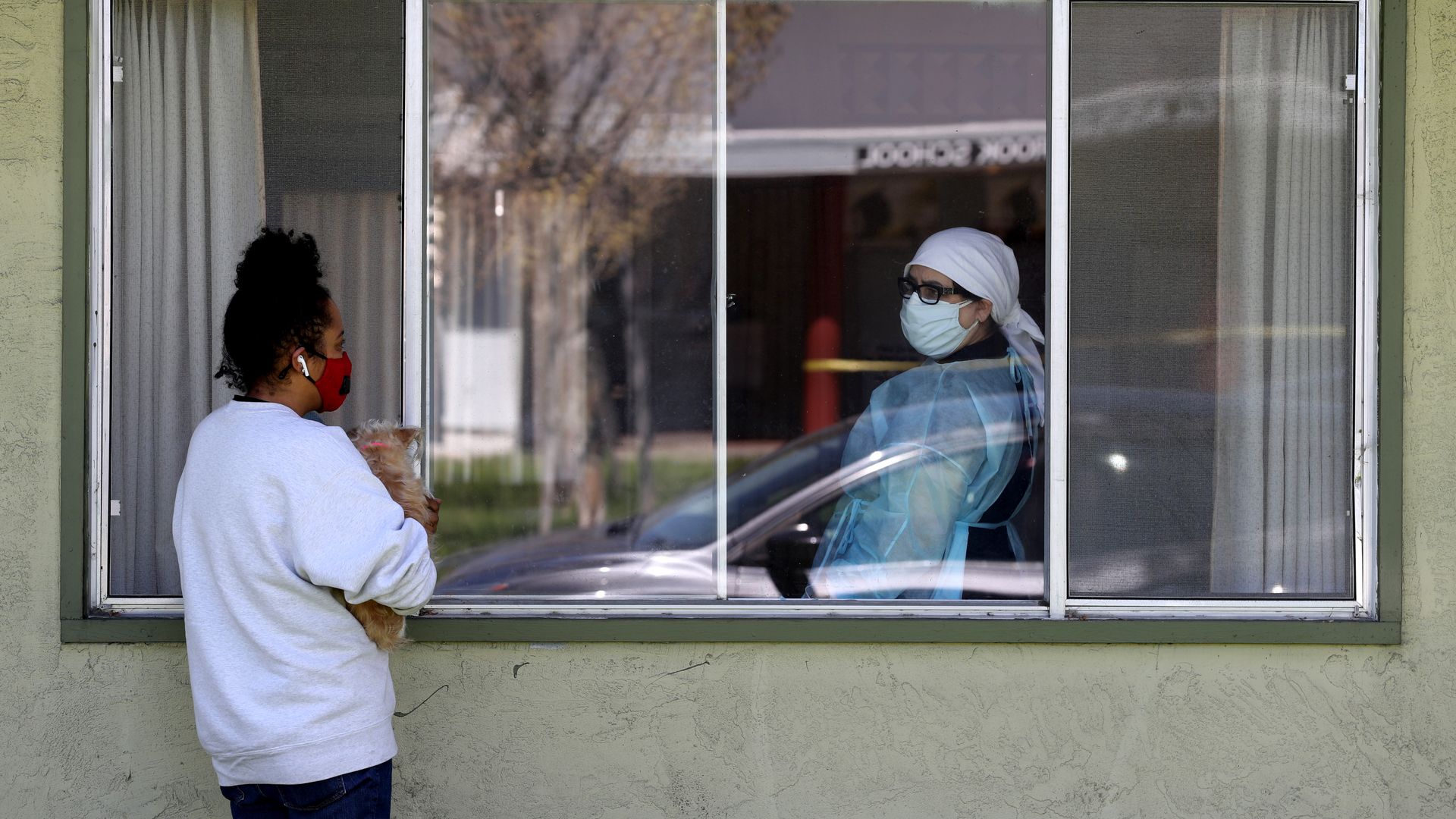
Staff members and seniors living in nursing homes and long-term care facilities across the U.S. account for more than 50,000 coronavirus deaths, or more than 40% of the official U.S. death toll of 116,000, according to an analysis from the Wall Street Journal.
The big picture: The pandemic has exacerbated structural issues in these facilities that have made it difficult to protect the most vulnerable populations from COVID-19 infections and fatalities. As of June, about 91 residents per 1,000 living in these facilities in the U.S. tested positive for COVID-19, according to federal data.
In an effort to better understand how COVID-19 affects underrepresented communities, the National Institutes of Health is expanding antibody testing, surveying personal impacts and collecting electronic health data.
Why it matters: Underrepresented communities have experienced a large portion of severe complications and death from the pandemic, but researchers don't know all the reasons why. NIH hopes to learn more on this, while also shedding light on when the coronavirus entered the country.
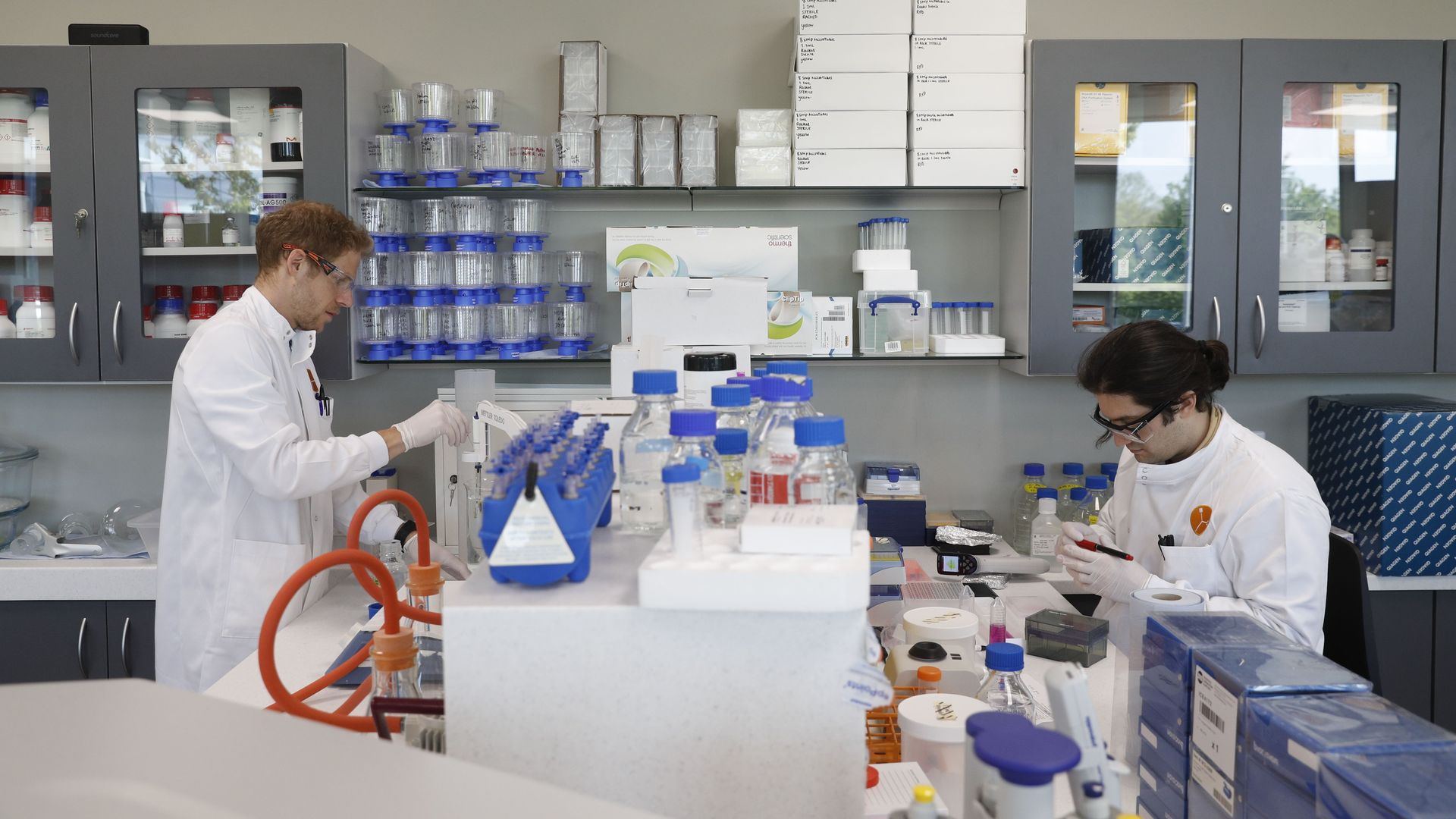
The German government will invest €300 million for a 23% ownership stake in CureVac, a VC-backed mRNA biotech working on a COVID-19 vaccine.
Why it matters: The deal is intended to prevent CureVac from relocating or being acquired by a foreign investor, reflecting increased global protectionism around coronavirus drugs.
There is still well more than $100 billion available for Paycheck Protection Program loans, despite initial predictions that the late April refresh would be insufficient.
Glass half full explanation: Most qualifying small businesses that wanted a PPP loan already got one, and the economy is now reopening and recovering.
Dexamethasone, a widely available steroid, appears to be a life-saving coronavirus treatment, reducing deaths among the sickest patients in a large, controlled clinical trial, British researchers said Tuesday.
Why it matters: This would be the first treatment with the potential to save lives — and it's an existing, generic drug, meaning it could be widely available and relatively cheap.
The massive stimulus that U.S. policymakers flooded into the economy is starting to run dry. With some states just beginning to reopen businesses and millions still unemployed, fiscal and monetary authorities are gearing up for another round.
What's happening: As various "stay at home" measures are being lifted, so are many of the relief measures put in place to help the U.S. economy through the unprecedented coronavirus-induced shock.
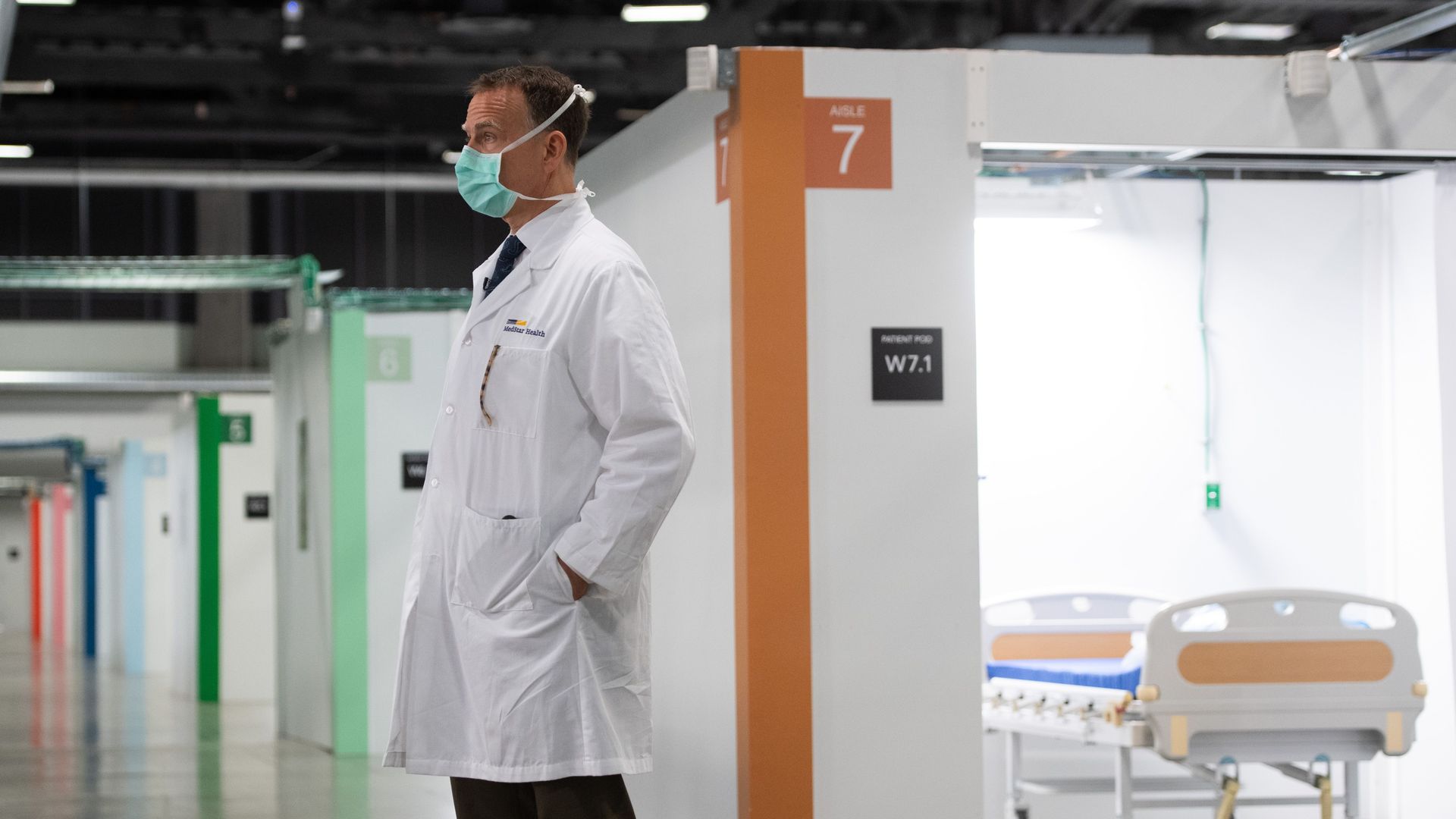
As the coronavirus really began to take hold in the U.S. earlier this year, experts warned that hospitals would soon be overrun with patients — but health systems never ran out of beds, even in New York City.
Between the lines: The hospitalization rate was much lower than predicted, ProPublica reports.
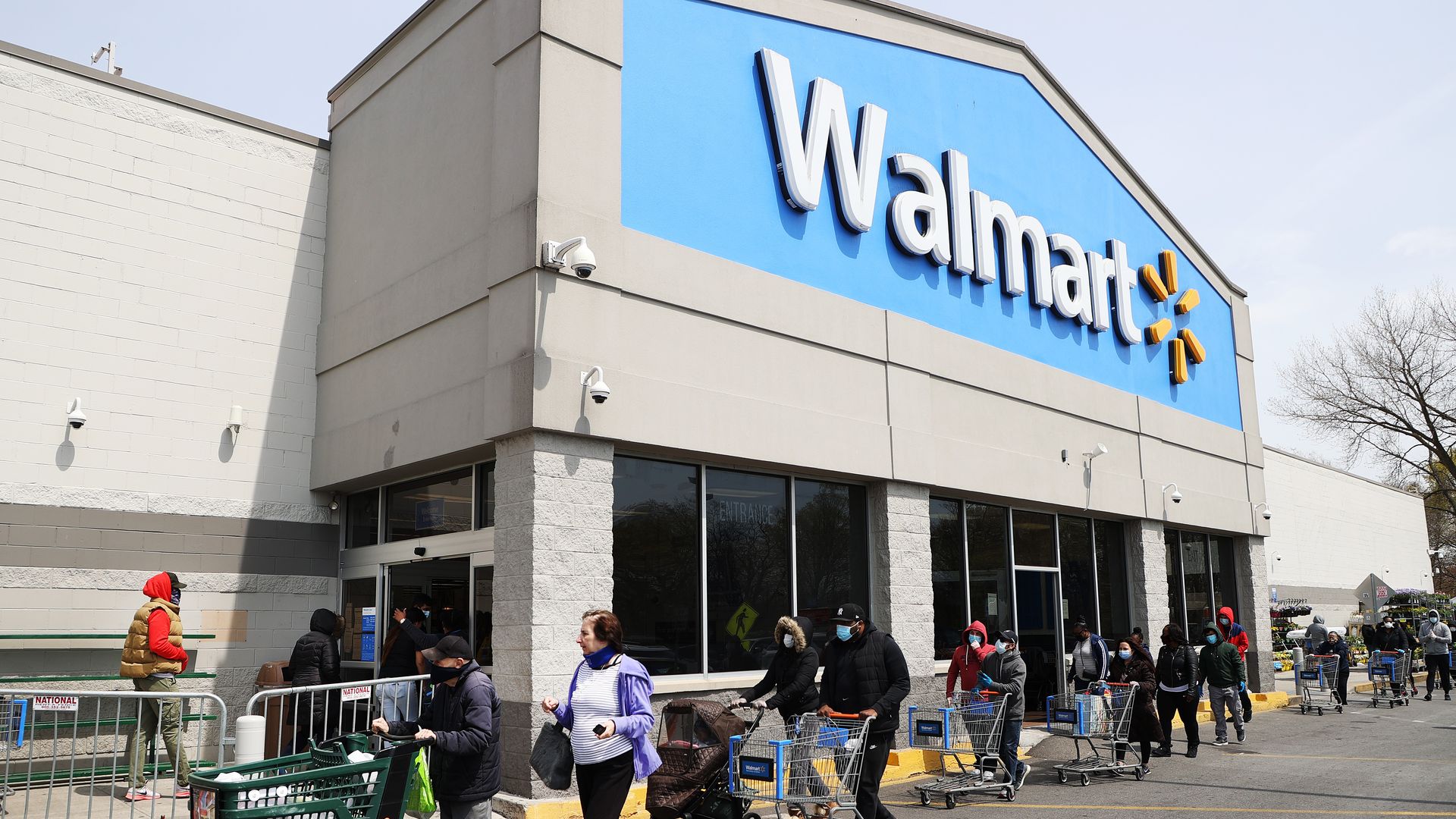
Walmart has acquired CareZone, an app-based company that helps coordinate the delivery of people's medications. CNBC reported the deal was worth around $200 million.
Why it matters: Walmart now has the technology to mail prescription drugs to customers' homes or to arrange more pickups at its own pharmacies, which makes the retail giant more competitive in the multi-billion-dollar business of drug delivery.
Eight in 10 Americans are worried about a second wave of the coronavirus, with large majorities saying they'll resume social distancing, dial back shopping and keep their kids out of school if it happens, in Week 13 of the Axios-Ipsos Coronavirus Index.
Why it matters: Businesses and schools around the country are trying to assess how quickly and fully they should reopen based in part on what Americans will demand and tolerate. These findings underscore the challenges in predicting how they should proceed.
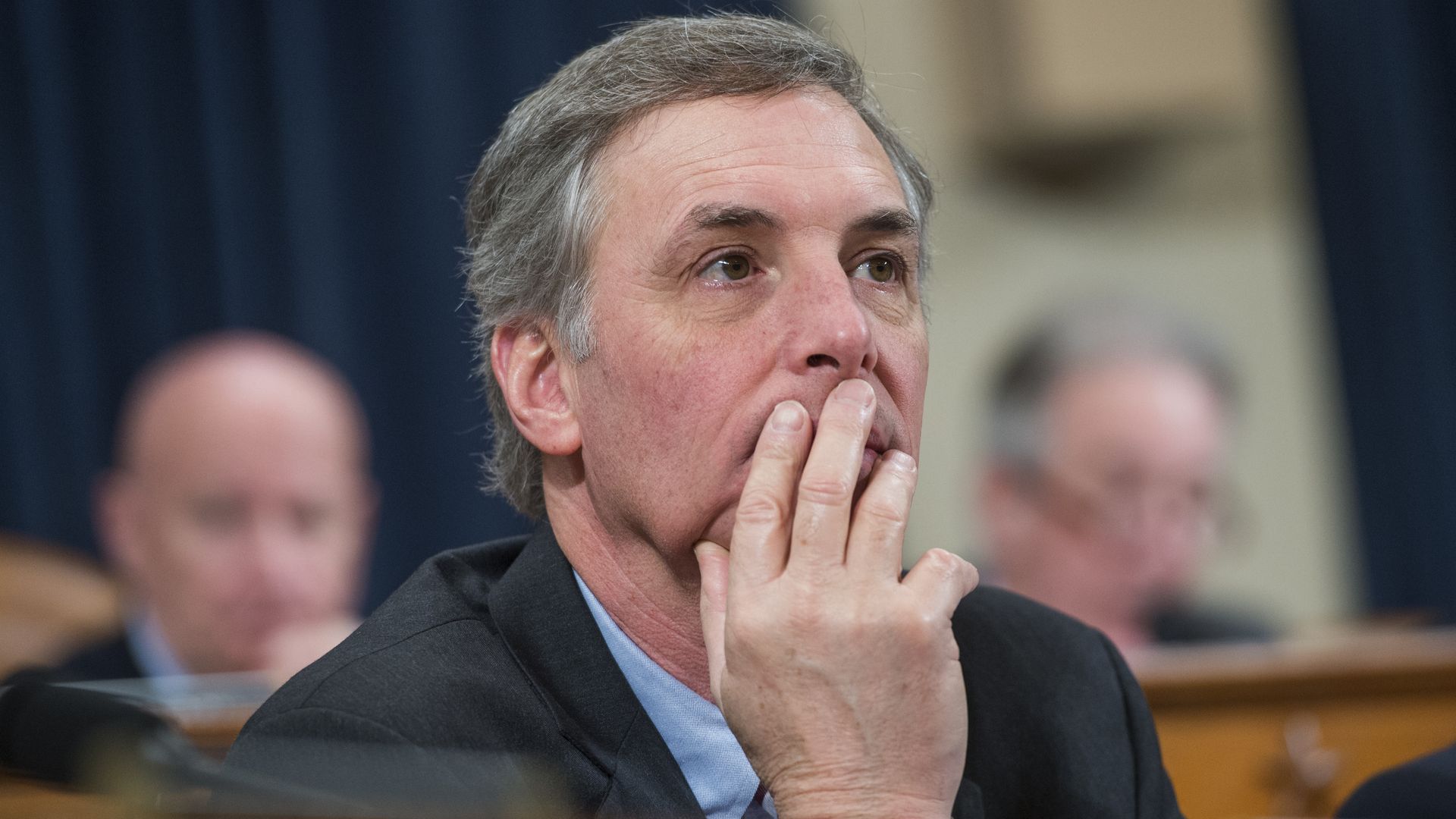
Rep. Tom Rice (R-S.C.) confirmed in a statement on Monday that he, his wife and their son have contracted the novel coronavirus. But he stressed, "We are all on the mend and doing fine."
Of note: Rice appeared in the House without a face covering on May 28. CNN journalist Manu Raju reports when he asked Rice why, Rice said he made "an effort stay six feet away from folks in accordance with guidelines" and that he does wear masks when he's unable to maintain physical distancing.