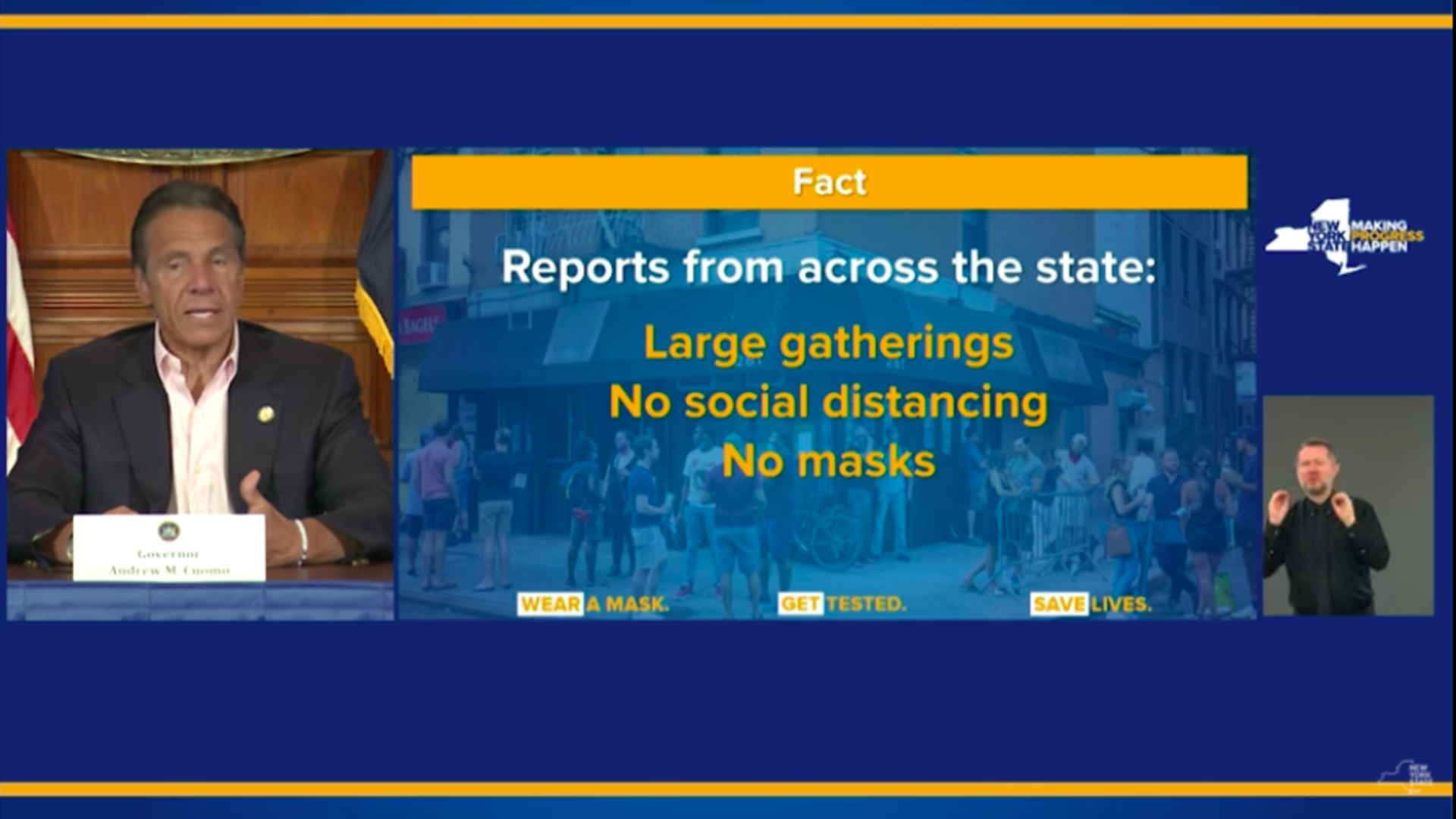
New York Gov. Andrew Cuomo (D) threatened Sunday to reverse New York's phased reopening after the state received tens of thousands of complaints that businesses — particularly bars and restaurants in Manhattan and the Hamptons — were in violation of public health restrictions.
The big picture: The decrease in coronavirus cases in New Jersey and New York has helped flatten the overall curve in the U.S., but Cuomo has been insistent about the need to stay vigilant in order to prevent another wave of infections as states reopen.
Tulsa City-County Health Department director Bruce Dart told Tulsa World in an interview that he wishes President Trump would postpone his campaign rally on June 20, citing a "significant increase" in coronavirus case trends that could put both the public and Trump himself at risk.
The big picture: Dart's concerns have been echoed by public health experts who say hosting large crowds in an indoor venue without a requirement for face masks could prove to be dangerous. Trump's campaign has informed attendees that the president cannot be held liable if they contract COVID-19.
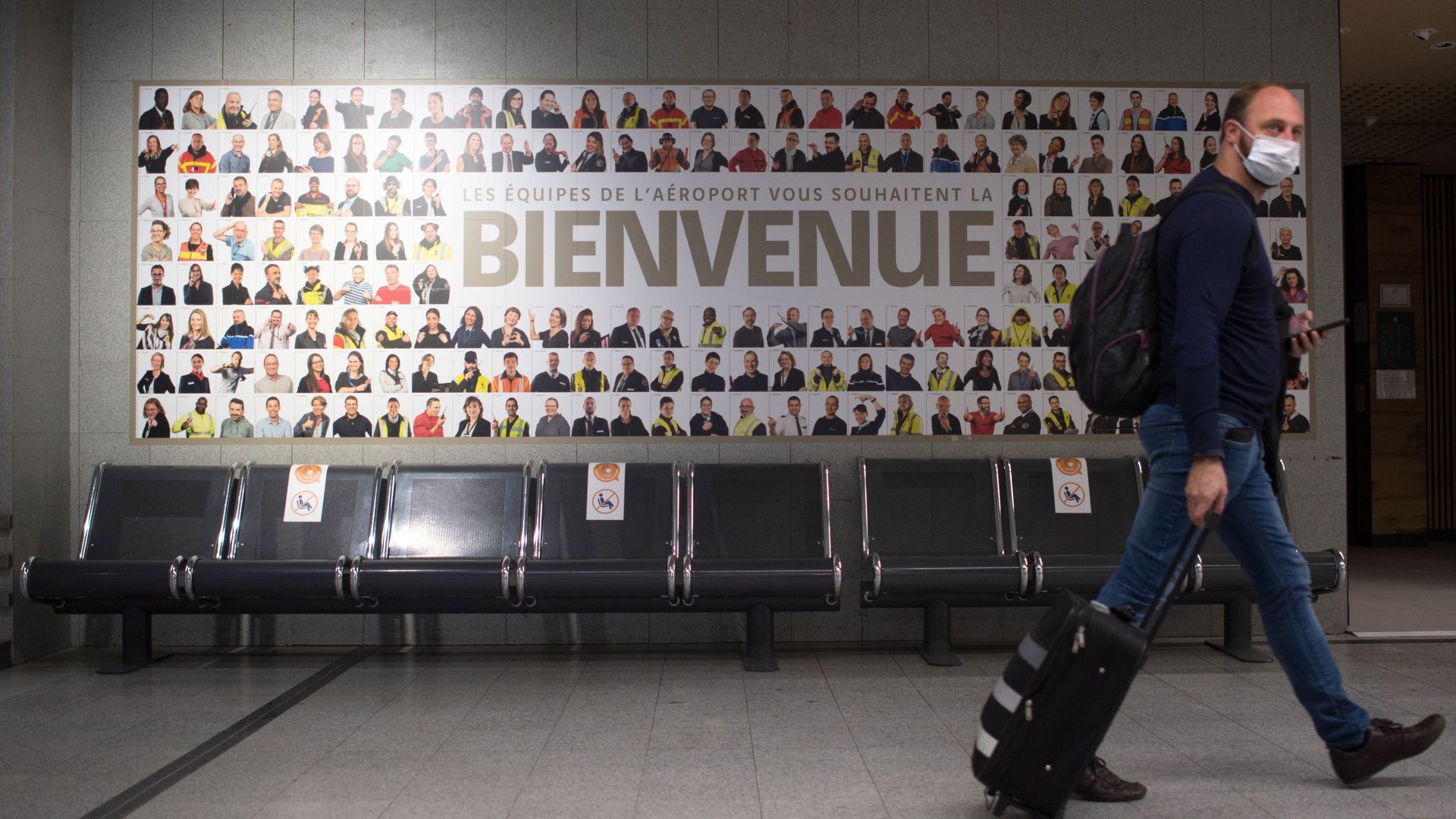
France will reopen its borders with other European countries at midnight on Monday after three months of travel restrictions intended to slow the spread of the coronavirus.
The big picture: The European Commission has recommended countries in the Schengen Area lift internal border restrictions by Monday and eliminate some essential travel requirements. But several countries that border regions with hot spots are exercising more caution, AP reports.
A former data scientist at Florida's Department of Health who helped design the state's coronavirus tracker has created a virus dashboard after being fired from her position in May, the Washington Post reports.
Where it stands: RebekahJones' tracker counts over 7,500 more coronavirus cases in Florida than the state health department's official dashboard, which matches data from Johns Hopkins. Axios uses data from Johns Hopkins and the COVID Tracking Project as its standard for tracking the virus.
Russia's coronavirus death toll for April more than doubled shortly after the World Health Organization questioned how the country simultaneously has the world's third-highest number of cases and such a low mortality rate, The Washington Post reports.
Why it matters: Russia's mortality rates have come under growing scrutiny as the country's coronavirus case count continues to rise. Russian health care workers previously told the Post their hospitals are overwhelmed and lack resources they need. Meanwhile, President Vladimir Putin says the government has a firm grasp on the situation.
India reported over 11,000 new coronavirus infections on Saturday, a record high that follows a case spike earlier this week of just over 10,900, per Johns Hopkins data.
The big picture: India has extended its nationwide lockdown, which is now set to end on June 30, three times. However, the country moved in late May to allow restaurants, hotels and churches outside of hotspots to resume.
Beijing has entered "wartime mode," with police guards and lockdowns, after a number of confirmed coronavirus cases tied to the Chinese capital's largest wholesale food market has threatens to unleash a second wave of infections, The Washington Post reports.
Why it matters: This latest outbreak in China highlights the virus's ability to reappear as restrictions are lifted, AP notes. The fresh cases come more than 50 days after the last local case was confirmed.
Coronavirus cases in the U.S. are going down — but that’s mainly because coronavirus cases in the New York area are going down.
Why it matters: The country’s hardest-hit region is getting better, and while that’s obviously a good thing, it shouldn’t provide a false sense of security for other regions, many of which are seeing new cases rise sharply.
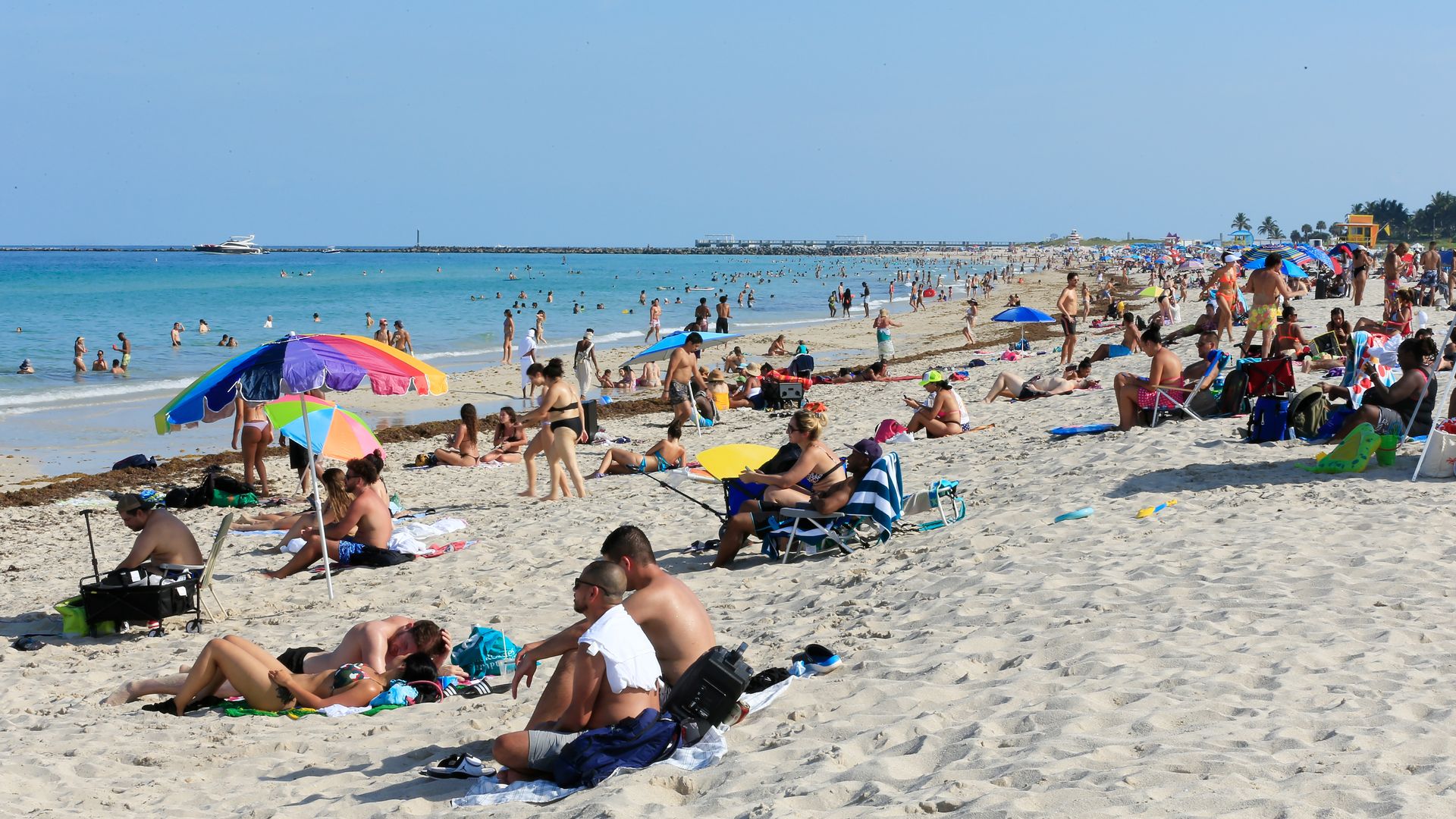
Florida reported the most new coronavirus infections in one day on Friday, while Texas reached the same milestone on Thursday, according to state healthdepartment and Johns Hopkins data.
Why it matters: Both states have continued to ease lockdown restrictions despite the rising infection rates. Florida entered its second phase of reopening last Friday, and Texas is well into its third phase, as both states allow most or all businesses to admit half as many people as they typically would.