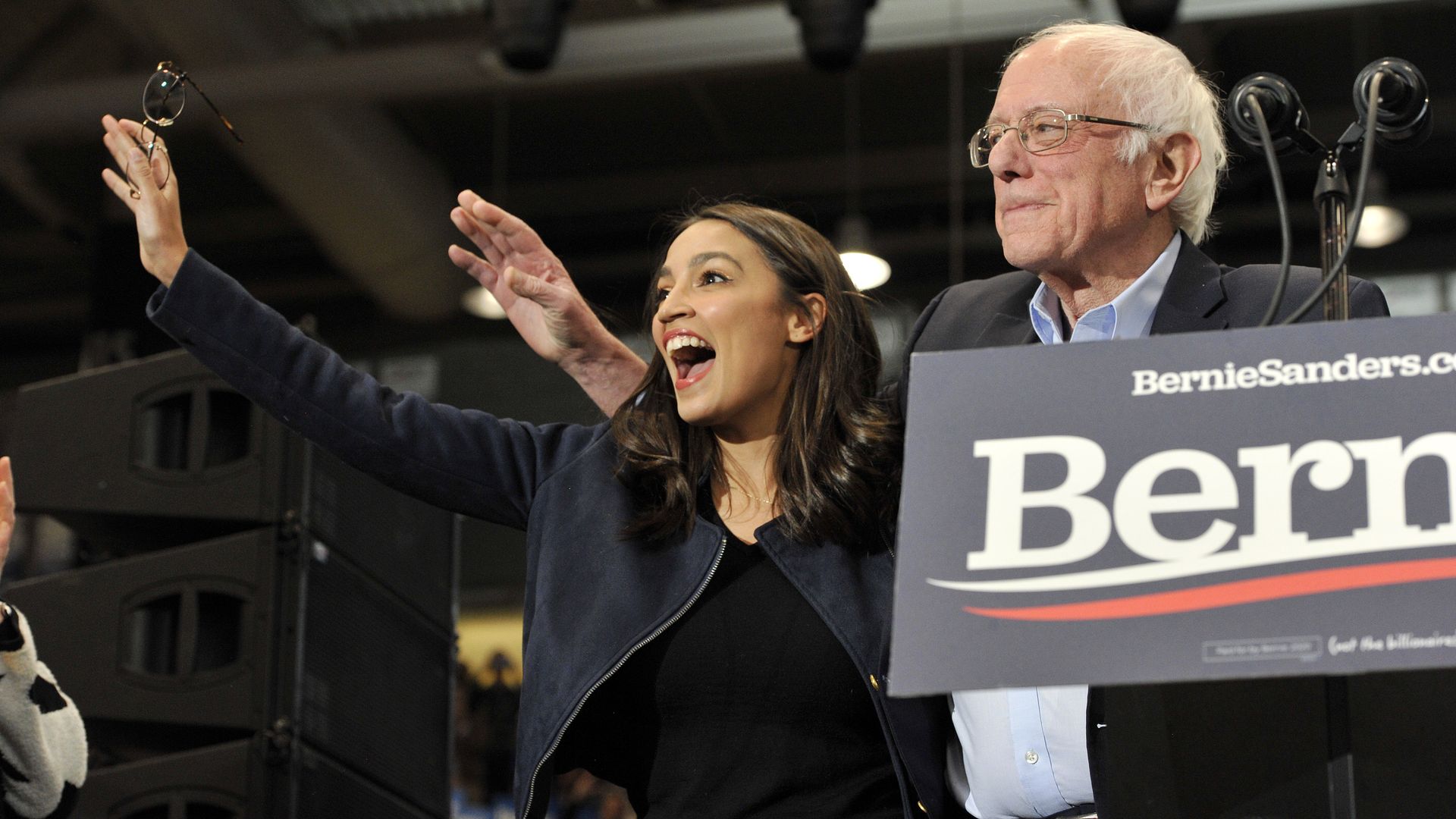
Rep. Alexandria Ocasio-Cortez (D-N.Y.) conceded Thursday that Sen. Bernie Sanders' signature Medicare for All proposal would face congressional roadblocks if he was elected president, telling HuffPost: “A president can’t wave a magic wand and pass any legislation they want."
Why it matters: Ocasio-Cortez is a vocal proponent of Medicare for All and one of Sanders' highest-profile surrogates. She told HuffPost: "The worst-case scenario? We compromise deeply and we end up getting a public option. Is that a nightmare? I don’t think so."
Reported mental illnesses are more common among young people than other generations, and employers are struggling to figure out how to accommodate their young employees' mental health issues, the Wall Street Journal reports.
Between the lines: These young workers grew up receiving accommodations in school that helped them manage their mental health, but the laws — and pressures — around employment are different.
Doctors' extensive lobbying on surprise medical bills is partly to blame for Congress' inaction on the issue, reports Kaiser Health News.
Why it matters: "As Congress begins its 2020 legislative session, there is evidence the doctors' message has been received: The bills with the most momentum are making more and more concessions to physicians."
Exposure to vaping products — through friends, endorsements on social media or branded merchandise — makes students much more likely to vape, according to a study published in JAMA on Wednesday.
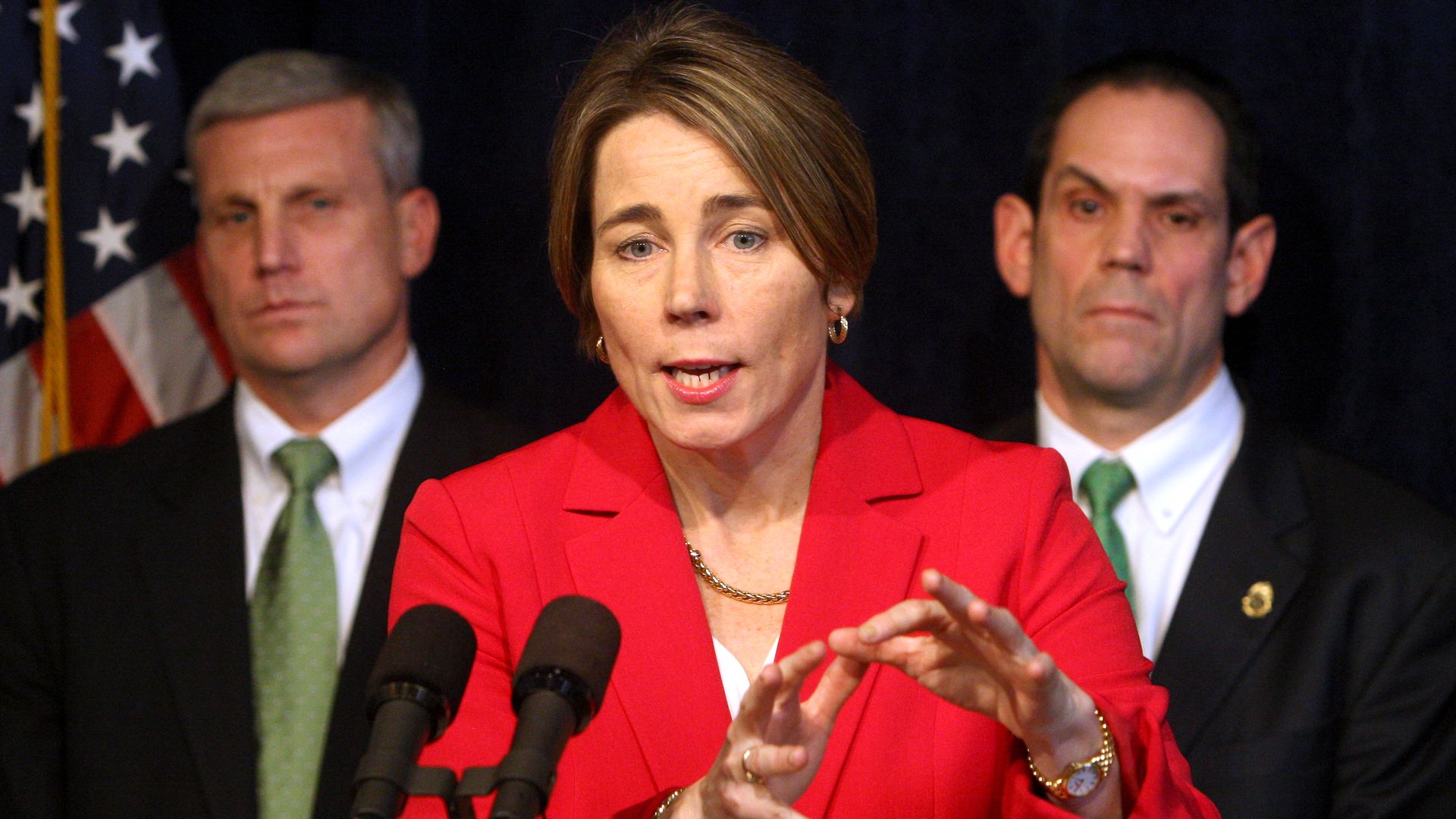
Driving the news: The study was published the same day Massachusetts Attorney General Maura Healey sued Juul, saying its early marketing campaign targeted teenagers with celebrity endorsements and ads on popular sites.
Despite the low number of new cases of Ebola reported in the Democratic Republic of the Congo — three in the past six days — the World Health Organization said Wednesday the outbreak should retain its global health emergency status.
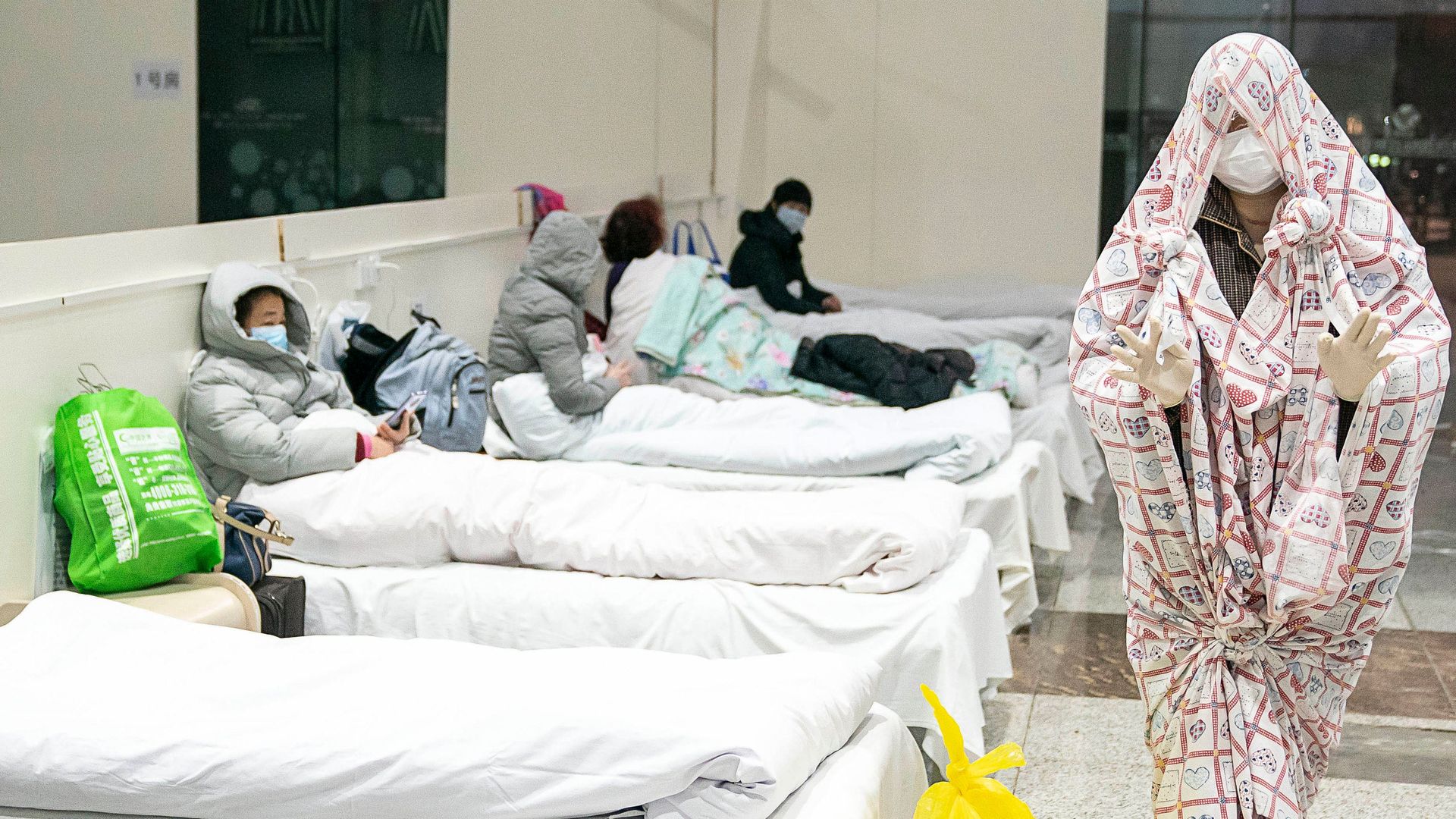
The big picture: With the attention of a large portion of the world focused now on another official global health emergency, the spread of the novel coronavirus, there's a danger that much-needed focus and funding for the DRC may be lost at a perilous time as the country tries to stamp out this deadly outbreak once and for all.
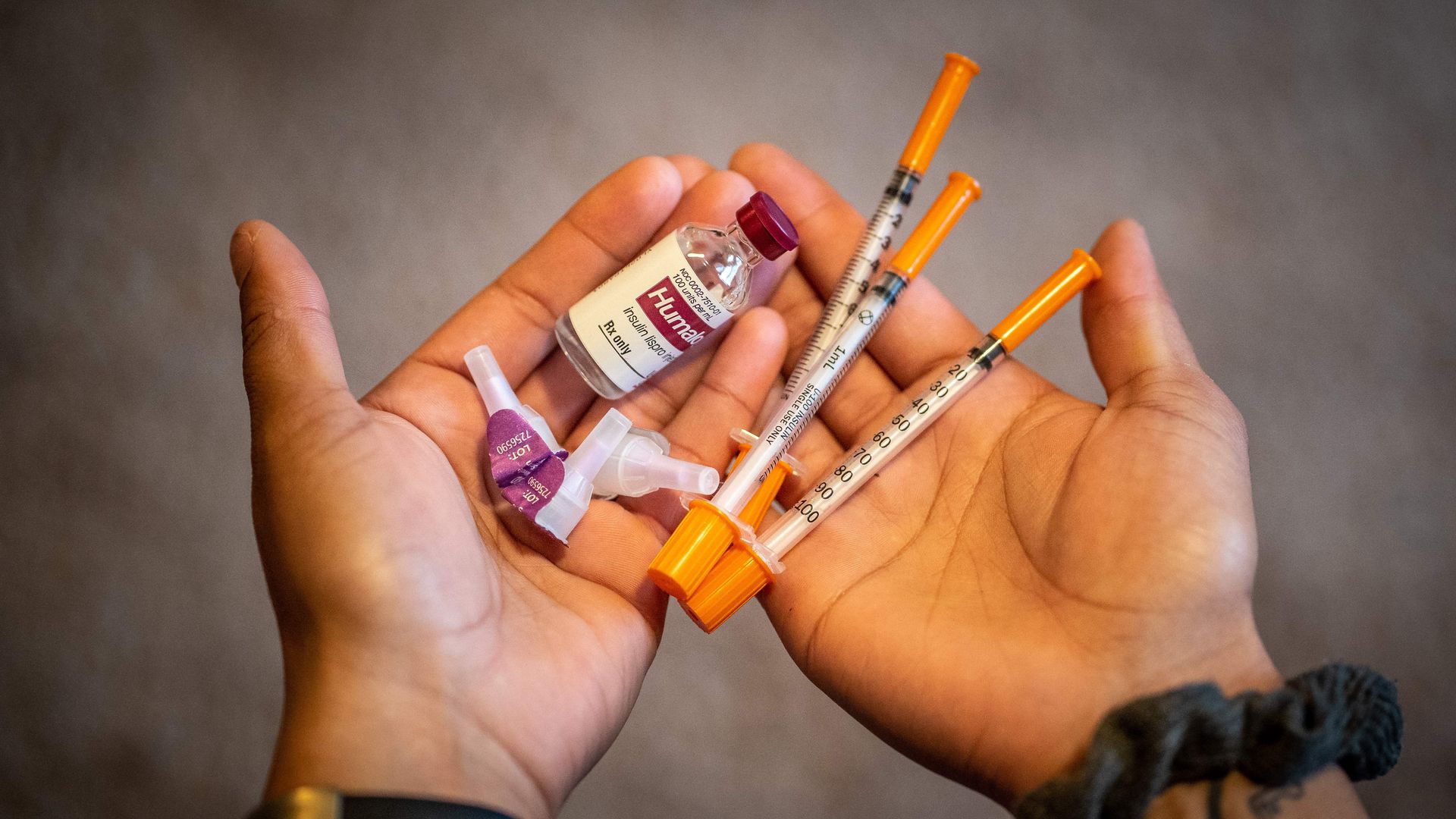
The three drug companies that control the insulin market have seen their net sales climb over the past 12 years even as they have had to agree to bigger discounts, according to an Axios analysis of insulins sold by Eli Lilly, Novo Nordisk and Sanofi.
The big picture: Drug manufacturers have largely blamed the broken insulin market — where many people with diabetes are rationing their medication — on other actors within the supply chain. But insulin makers have still been able to collect more money overall and retain their power over the market.
Why it matters: Jiang Chaoliang and Ma Guoqiang were removed from their posts following "public outrage over authorities' handling of the crisis," per the Washington Post.
Juul Labs paid a company to place ads on student-focused websites including the Cartoon Network, Nickelodeon and Seventeen magazine, according to a lawsuit filed Wednesday by Massachusetts Attorney General Maura Healey.
Why it matters: The suit, based on the findings of a two-year investigation, contradicts the e-cigarette company’s denial that it sought out teenagers to buy its products.
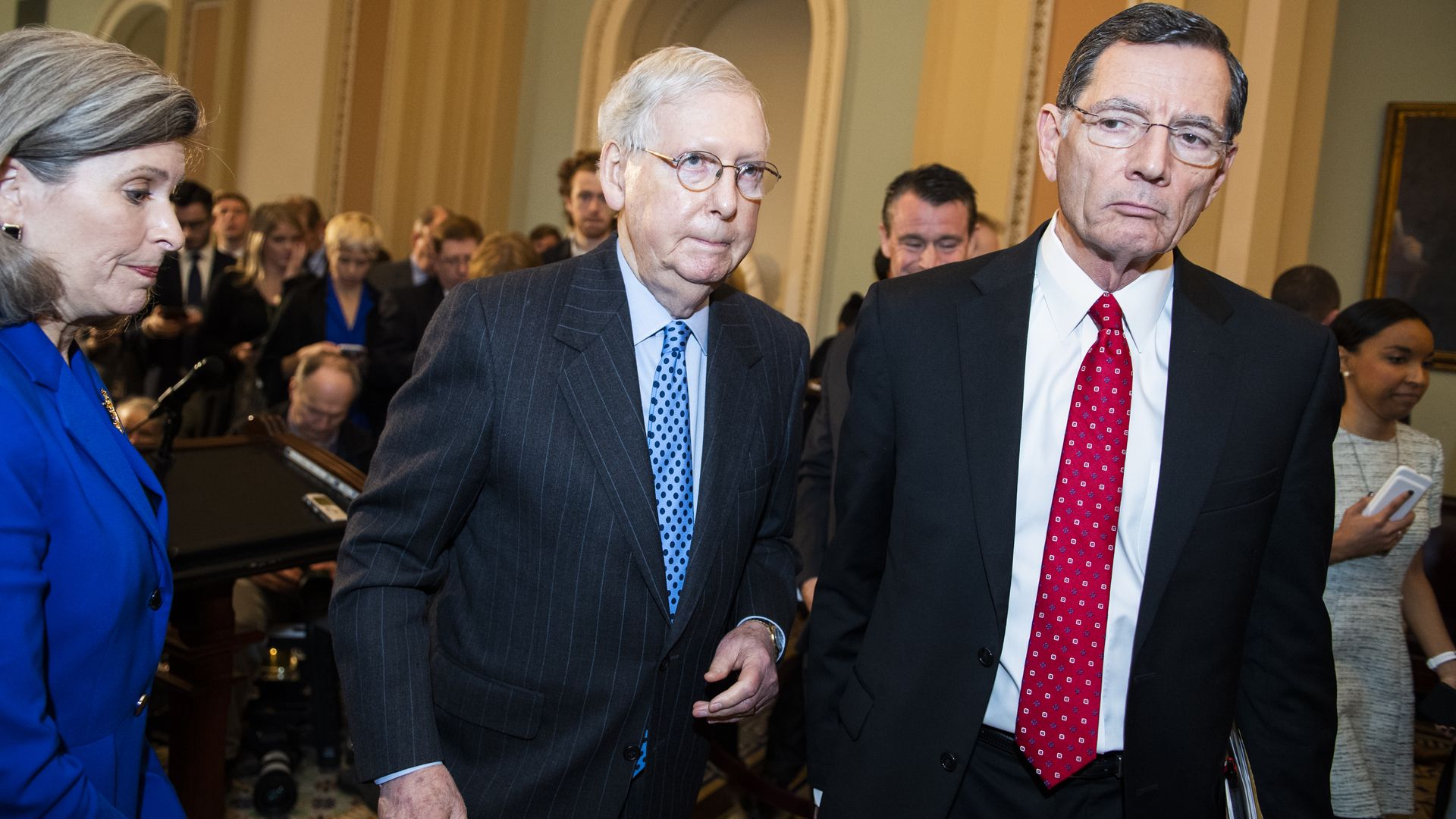
Senate Majority Leader Mitch McConnell told reporters Tuesday that Senate Republicans are divided on bipartisan bills to address both drug costs and surprise bills, The Hill reports.
The big picture: The White House vocally supports the bipartisan drug pricing bill by Sens. Chuck Grassley and Ron Wyden.
The number of people struggling to pay medical bills has fallen by 5.5 percentage points since 2011, but more than 14% of Americans still had problems in 2018, according to a new report by the Centers for Disease Control and Prevention.
Why it matters: "Families with problems paying medical bills may experience serious financial consequences, such as having problems with paying for food, clothing, or housing, and filing for bankruptcy," the report's authors write.
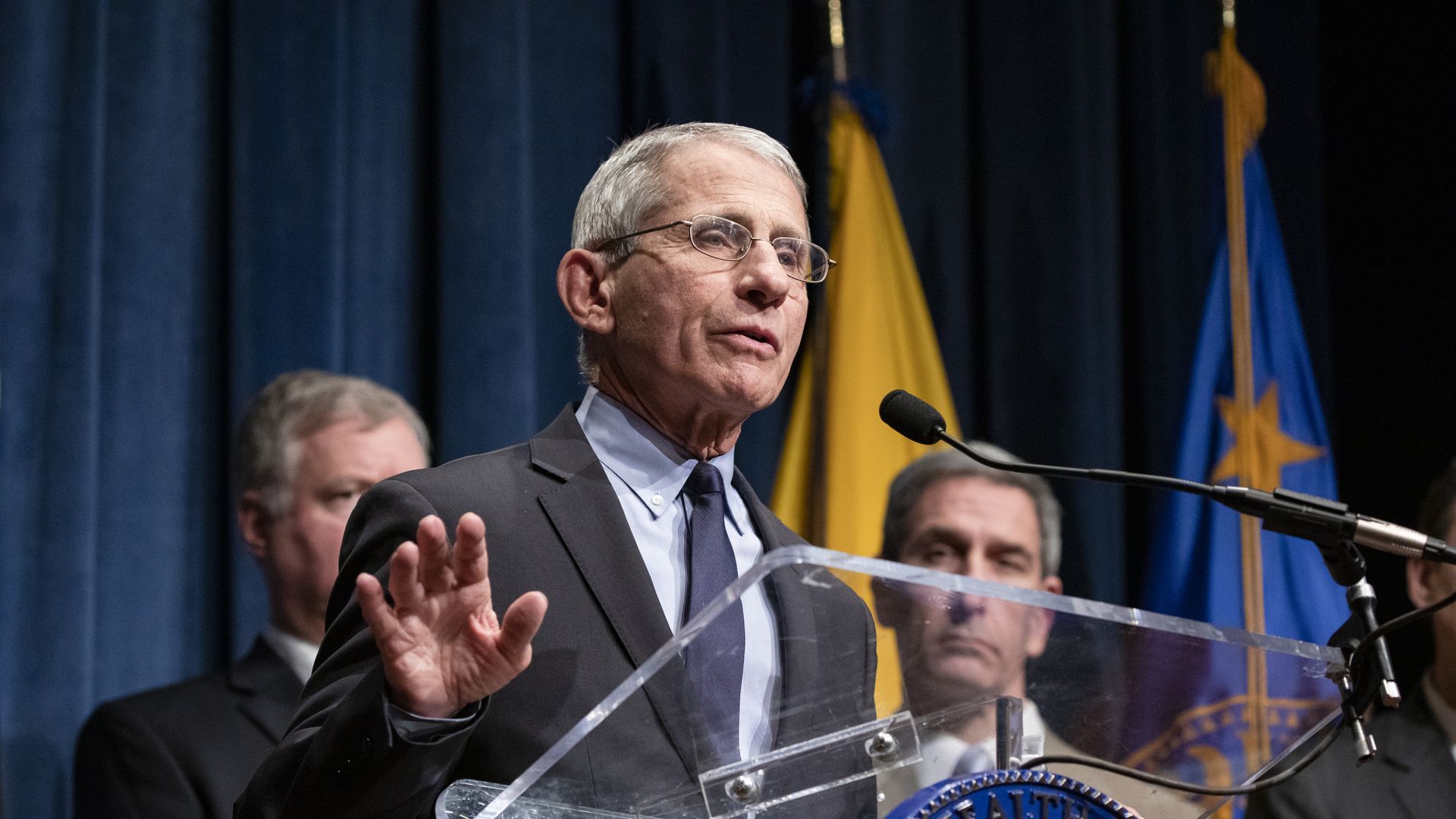
A leading U.S. health official said Tuesday it's "very frustrating" that no major drug firm has yet offered to make a vaccine against the novel coronavirus that the National Institutes of Health is helping develop, STAT News reports.
Why it matters: When outbreaks of new worrisome pathogens start, governments may immediately start working on diagnostics, vaccines and treatments, but they also need a buy-in from drug companies that sometimes get burned if the outbreak suddenly peters out or the drug isn't successful.
Fear and misinformation surrounding the coronavirus have prompted unwarranted discrimination against Chinese-Americans who have nothing to do with the epidemic.
What they're saying: "We’re already worried about [stigma] here in the U.S. and around the world, that somebody coming back from this community or that community may be treated differently ... and businesses in a certain neighborhood may be boycotted," Anne Schuchat, an official with the Centers for Disease Control and Prevention, said Tuesday.
UnitedHealth Group is mostly known as one of the country's largest health insurance carriers, but the massive conglomerate is increasingly making its money from things that have nothing to do with health insurance.
The bottom line: UnitedHealth doesn't just want to be your health insurer. It wants to be your doctor, your outpatient surgery center, your mail-order pharmacy and your drug price negotiator.
Even patients who plan elective surgeries with in-network doctors at in-network facilities have a pretty good chance of receiving a surprise medical bill, according to a new JAMA study.
Why it matters: Surprise bills are a problem for the patients who receive them, but also for the system as a whole, as they drive up overall health care costs.