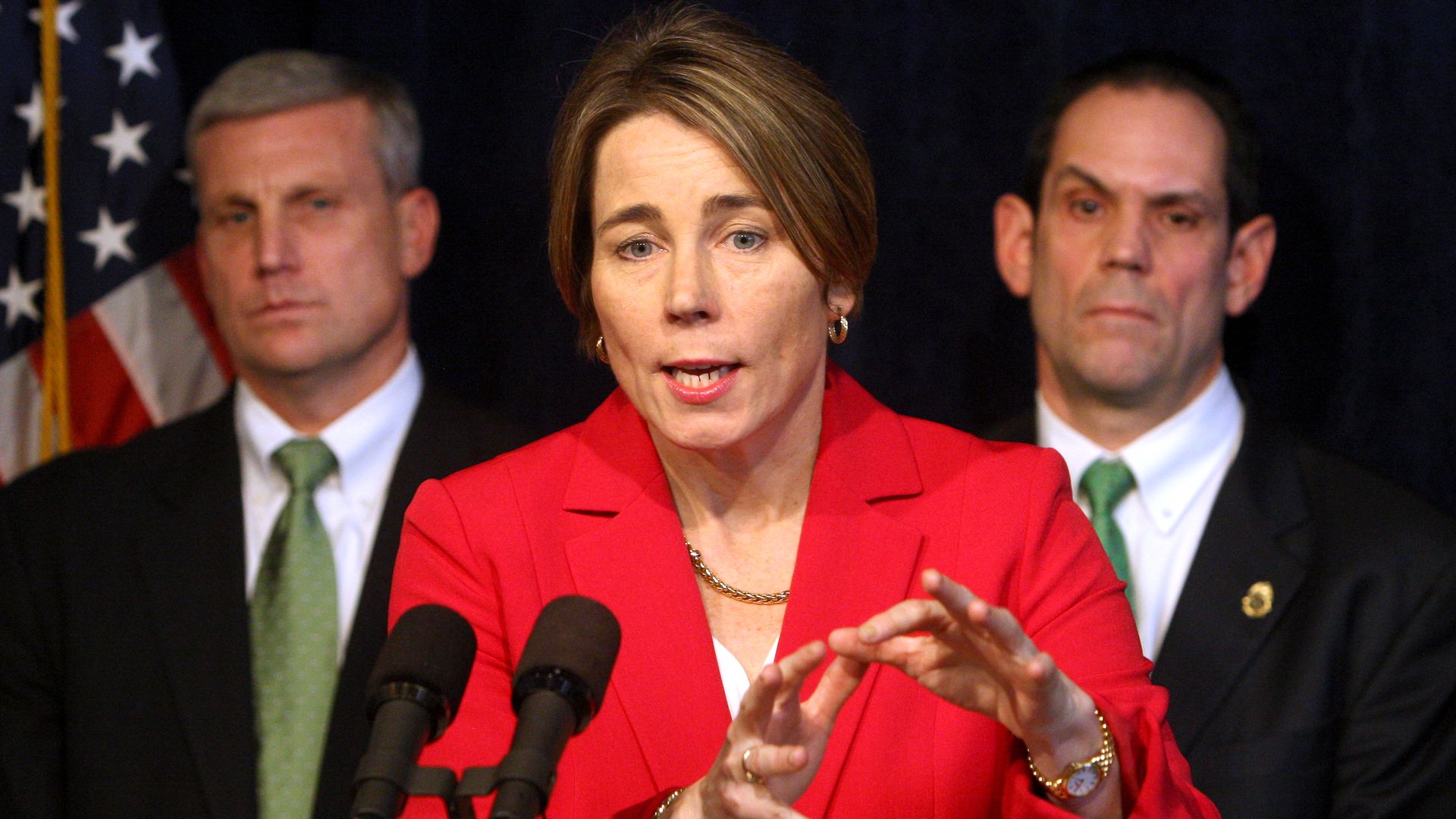
Juul Labs paid a company to place ads on student-focused websites including the Cartoon Network, Nickelodeon and Seventeen magazine, according to a lawsuit filed Wednesday by Massachusetts Attorney General Maura Healey.
Why it matters: The suit, based on the findings of a two-year investigation, contradicts the e-cigarette company’s denial that it sought out teenagers to buy its products.
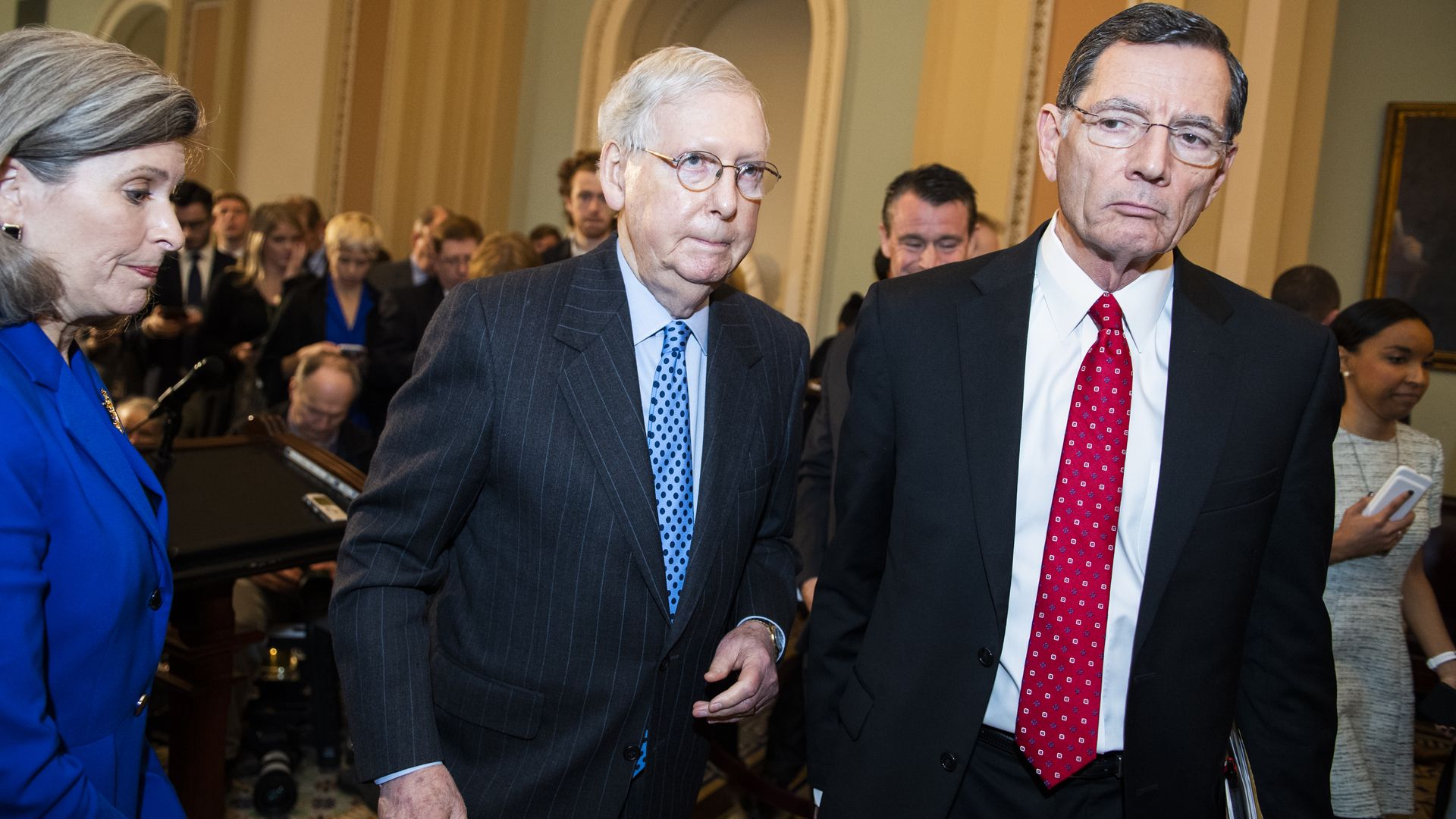
Senate Majority Leader Mitch McConnell told reporters Tuesday that Senate Republicans are divided on bipartisan bills to address both drug costs and surprise bills, The Hill reports.
The big picture: The White House vocally supports the bipartisan drug pricing bill by Sens. Chuck Grassley and Ron Wyden.
The number of people struggling to pay medical bills has fallen by 5.5 percentage points since 2011, but more than 14% of Americans still had problems in 2018, according to a new report by the Centers for Disease Control and Prevention.
Why it matters: "Families with problems paying medical bills may experience serious financial consequences, such as having problems with paying for food, clothing, or housing, and filing for bankruptcy," the report's authors write.
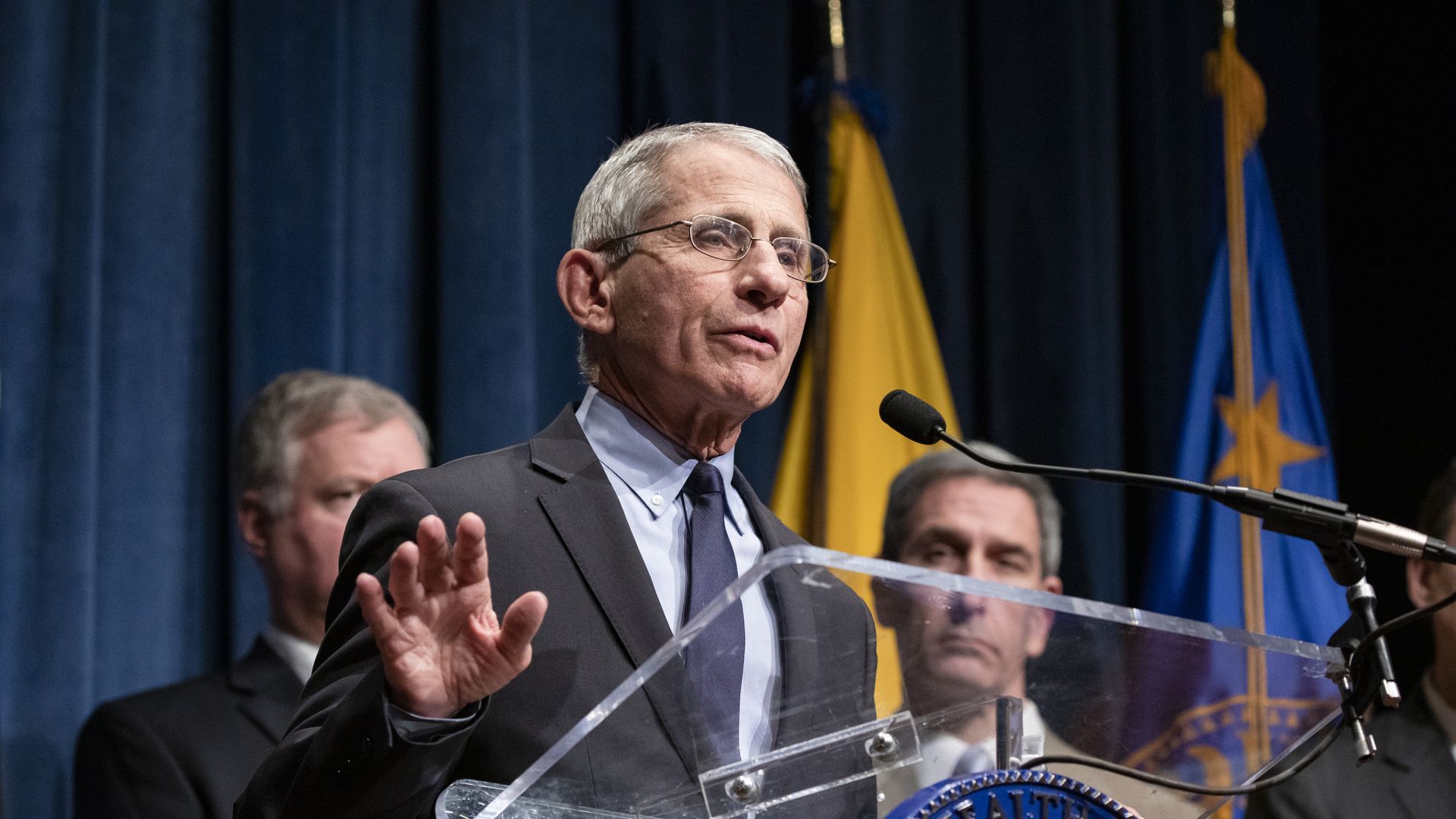
A leading U.S. health official said Tuesday it's "very frustrating" that no major drug firm has yet offered to make a vaccine against the novel coronavirus that the National Institutes of Health is helping develop, STAT News reports.
Why it matters: When outbreaks of new worrisome pathogens start, governments may immediately start working on diagnostics, vaccines and treatments, but they also need a buy-in from drug companies that sometimes get burned if the outbreak suddenly peters out or the drug isn't successful.
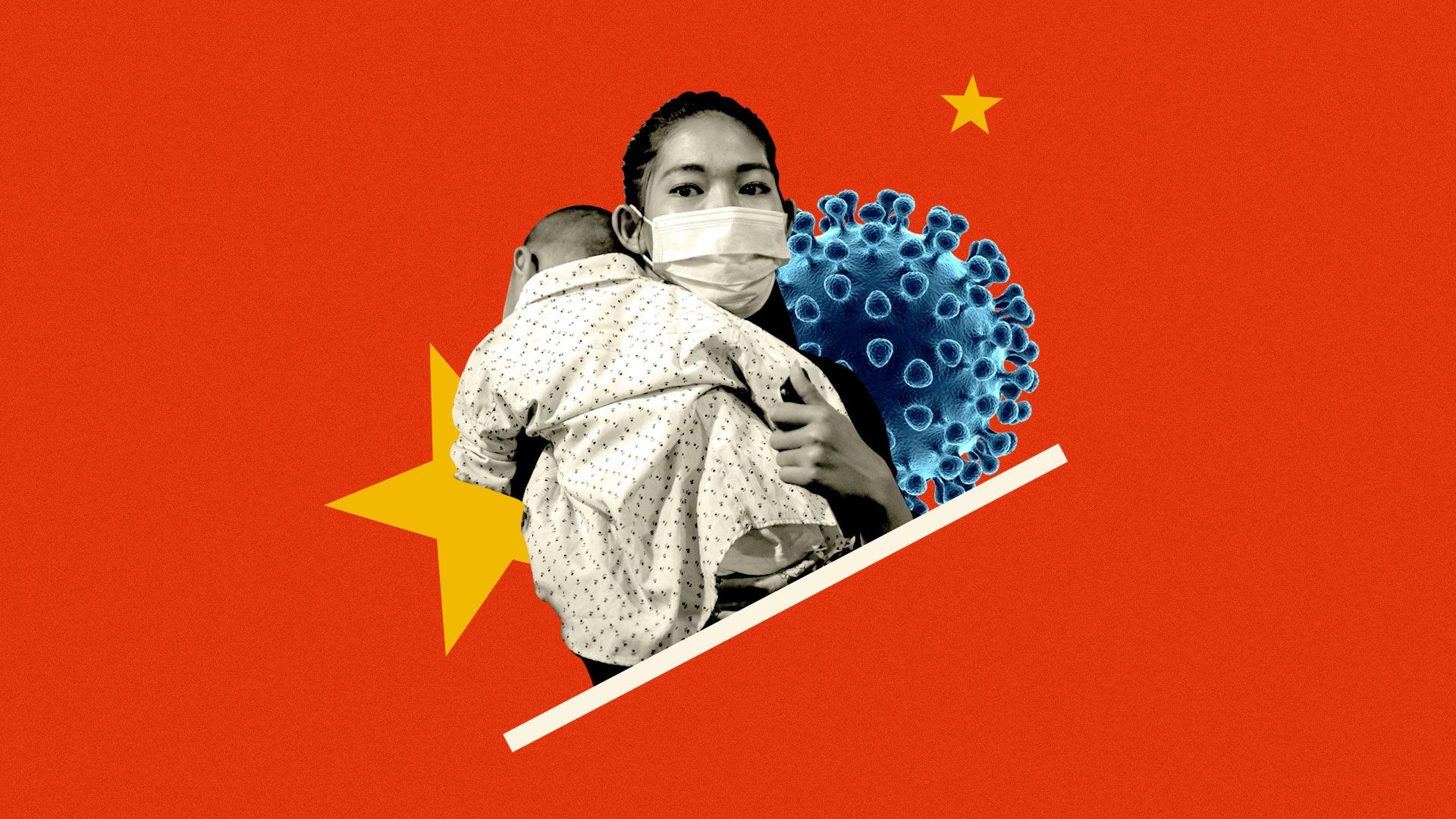
Fear and misinformation surrounding the coronavirus have prompted unwarranted discrimination against Chinese-Americans who have nothing to do with the epidemic.
What they're saying: "We’re already worried about [stigma] here in the U.S. and around the world, that somebody coming back from this community or that community may be treated differently ... and businesses in a certain neighborhood may be boycotted," Anne Schuchat, an official with the Centers for Disease Control and Prevention, said Tuesday.
UnitedHealth Group is mostly known as one of the country's largest health insurance carriers, but the massive conglomerate is increasingly making its money from things that have nothing to do with health insurance.
The bottom line: UnitedHealth doesn't just want to be your health insurer. It wants to be your doctor, your outpatient surgery center, your mail-order pharmacy and your drug price negotiator.
Even patients who plan elective surgeries with in-network doctors at in-network facilities have a pretty good chance of receiving a surprise medical bill, according to a new JAMA study.
Why it matters: Surprise bills are a problem for the patients who receive them, but also for the system as a whole, as they drive up overall health care costs.
In the debate over surprise medical bills, the White House said today it's "concerned that a push to overuse arbitration will raise healthcare costs" — indicating that it's not on board with the approach doctors and hospitals prefer.
The big picture: Congress is gridlocked between two approaches, pitting insurers against providers. White House spokesman Judd Deere also said the administration believes surprise bills from air ambulances should be addressed in the same legislation.
The first chartered plane carrying 195 people from Wuhan, China to a military base in California is expected to release all passengers from quarantine on Tuesday after no visible symptoms of the novel coronavirus were detected, the Centers for Disease Control and Prevention said.
The big picture: The State Department chartered five flights from Wuhan carrying about 800 people in total to be quarantined for 14 days. The 195 individuals were housed at the March Air Reserve Base in Riverside, Calif., as an "aggressive" but "preventative and precautionary step" to minimize the potential spread of the virus, CDC officials have said.
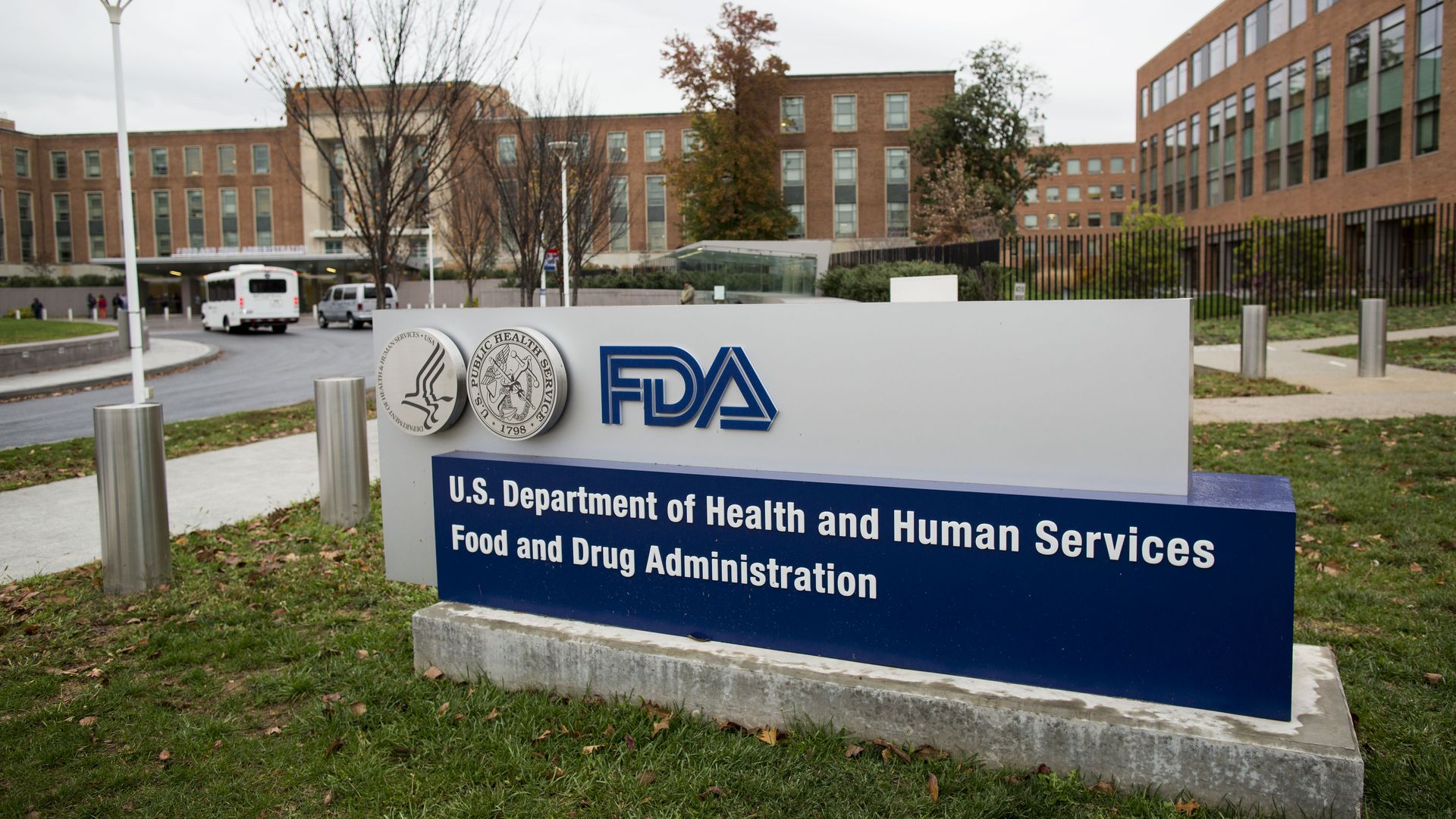
Many experts have questioned the FDA's drug approval standards over the past few years, as several controversial drugs have gotten the green light despite less rigorous testing.
What they're saying: Peter Stein, the head of the FDA's office that analyzes new drugs, sat down with Zachary Brennan of Regulatory Affairs Professionals Society and said the only thing that's changed with the FDA's approval process is a shift in the types of drugs the agency is reviewing.
A new study found that experimental drugs made by Eli Lilly and Roche didn't help people with a rare, inherited form of Alzheimer's, the Wall Street Journal reports.
Why it matters: Alzheimer's is a devastating disease, and drug after drug keeps failing to do more than temporarily alleviate its symptoms.
President Trump's 2021 budget proposes massive reductions in Medicare and Medicaid spending, which would be felt most acutely by hospitals and Medicaid beneficiaries.
Why it matters: Budget proposals are more about messaging than policies that have any chance of becoming law, but it's still a good indication of the direction the administration would like to head in if Trump wins re-election.
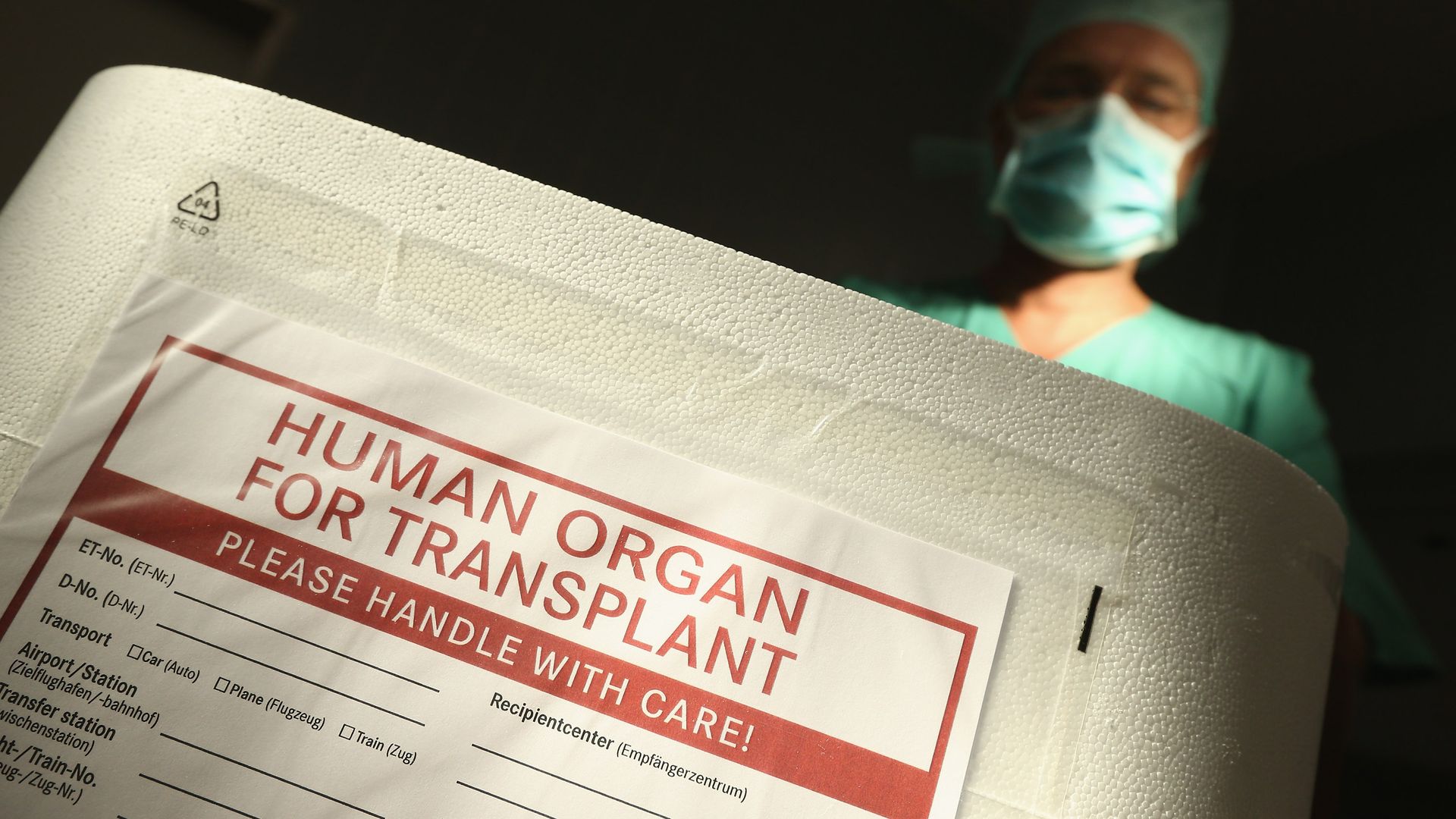
Transporting kidneys on commercial flights for transportation can put the organs in jeopardy, thanks to delays and logistical problems, Kaiser Health News and Reveal reports.
Why it matters: Organs can only be outside of the body for a certain number of hours before doctors will refuse to put them inside patients.
Details: Officials from the Centers for Disease Control and Prevention told San Diego Public Health "four patients being evaluated for 2019-nCoV at UC San Diego Health had tested negative for the virus," according to the statement. They were discharged and returned to federal quarantine at Marine Corps Air Station Miramar "at the CDC's direction," it said.