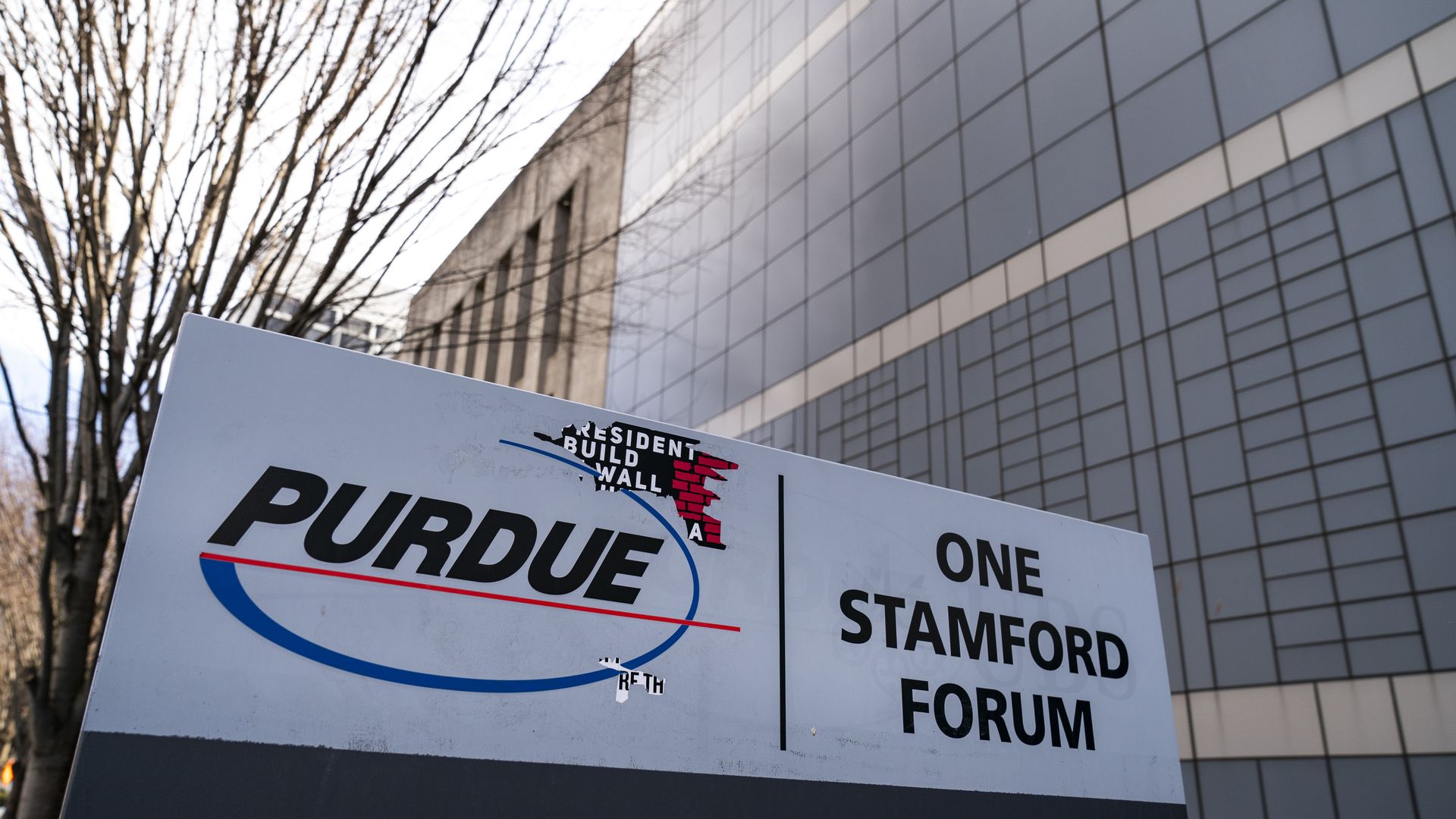
New court records reviewed by Stat show how Richard Sackler, a former executive at Purdue Pharma, guided the company's promotional strategy for the launch of its opioid pain medication OxyContin.
Why it matters: Sackler's family founded and controls Purdue Pharma. The company in 2007 pleaded guilty to a felony related to falsely promoting OxyContin as less addictive and not as likely to produce tolerance or symptoms of withdrawal than other pain medications, even though the drugs is twice as strong as morphine. More than 218,000 Americans have died from overdoses of all prescription opioids.
The Trump administration may loosen intellectual property protections for some prescription drugs in order to win Democratic support for its new trade deal with Mexico and Canada, the Wall Street Journal reports.
The big picture: The protections are a big win for U.S. drug companies, as they would extend the length of time that biologics can reap the benefits of monopoly pricing in those two other countries.
Walgreens and three other pharmacy chains are suing drugmaker Bausch Health, its subsidiaries and a separate generic drugmaker for allegedly colluding on a deal that allowed the brand-name companies to maintain a longer monopoly of the diabetes drug Glumetza. The alleged deal resulted in those companies jacking up the price of the drug from $350 to more than $3,000 for a 30-day supply.
Why it matters: When combined with similar lawsuits from employer groups, the suing parties are looking to recoup more than $10 billion in overcharges from this antitrust case — another in a long line of infamous "pay-for-delay" deals over generic drugs. Bausch has said it intends "to vigorously defend these matters."
People who vape could be subject to higher life insurance rates or find themselves excluded from coverage, as global reinsurers push warnings on the potential risks of vaping, Reuters reports.
Yes, but: Proponents of vaping as a cessation tool say insurers and reinsurers are being too harsh. Smoking cigarettes still kills more people than vaping each year.
Americans rarely switch to new health plans when the annual insurance-shopping season comes around, even if they could have gotten a better deal.
The bottom line: People loathe shopping for health plans, and many are bad at it, for one major reason: "It's just too hard," Tricia Neuman, a Medicare expert at the Kaiser Family Foundation, told me last year.
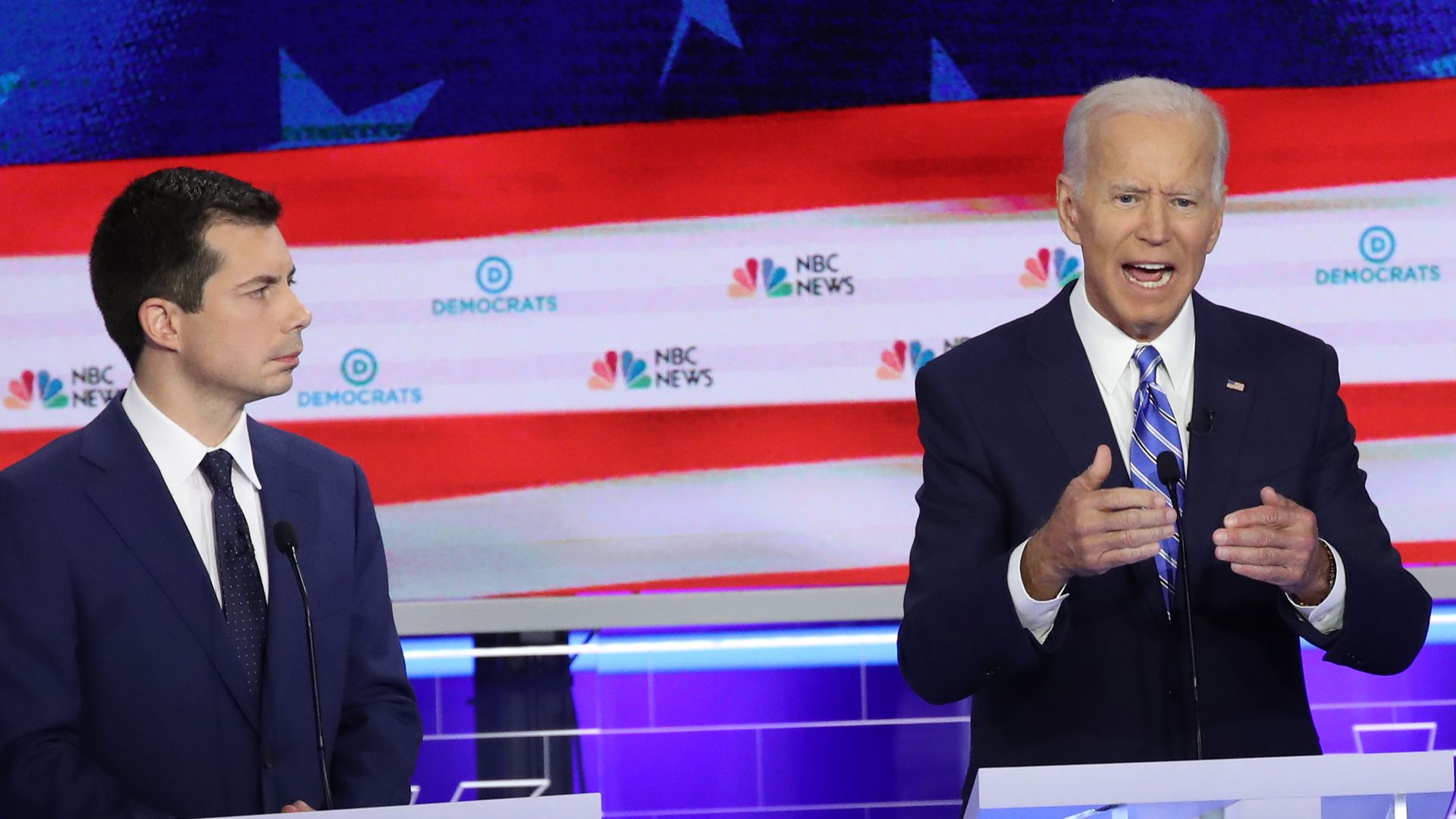
Former Vice President Joe Biden told reporters on his campaign bus in Iowa Monday that Democratic presidential rival South Bend Mayor Pete Buttigieg "stole" his health care plan, Reuters reports. Other news outlets and journalists also reported the remarks.
Why it matters: Buttigieg has soared in recent polls. He tops Iowa's November poll by nine points, while Biden places third, behind Sen. Elizabeth Warren (D-Mass.), who the former vice president claimed doesn't have broad enthusiasm in the Democratic Party, according to the Wall Street Journal.
An emergency room staffing firm owned by TeamHealth has filed thousands of lawsuits against patients in Memphis in the last few years, ProPublica and MLK50 report.
Why it matters ... This is a collisionof two storylines: the aggressive billing practices of private equity-backed health care companies, and providers' decision to take patients to court to collect their medical debts.
Many 2020 Democrats' health care proposals feature aggressive price regulations, either as a feature or a byproduct — a sign that the party has largely given up on the idea that competition alone can keep costs in check.
Between the lines: It's not just Democrats. As public outrage has grown over prescription drug prices and surprise medical bills, there's been bipartisan congressional interest in regulating prices.