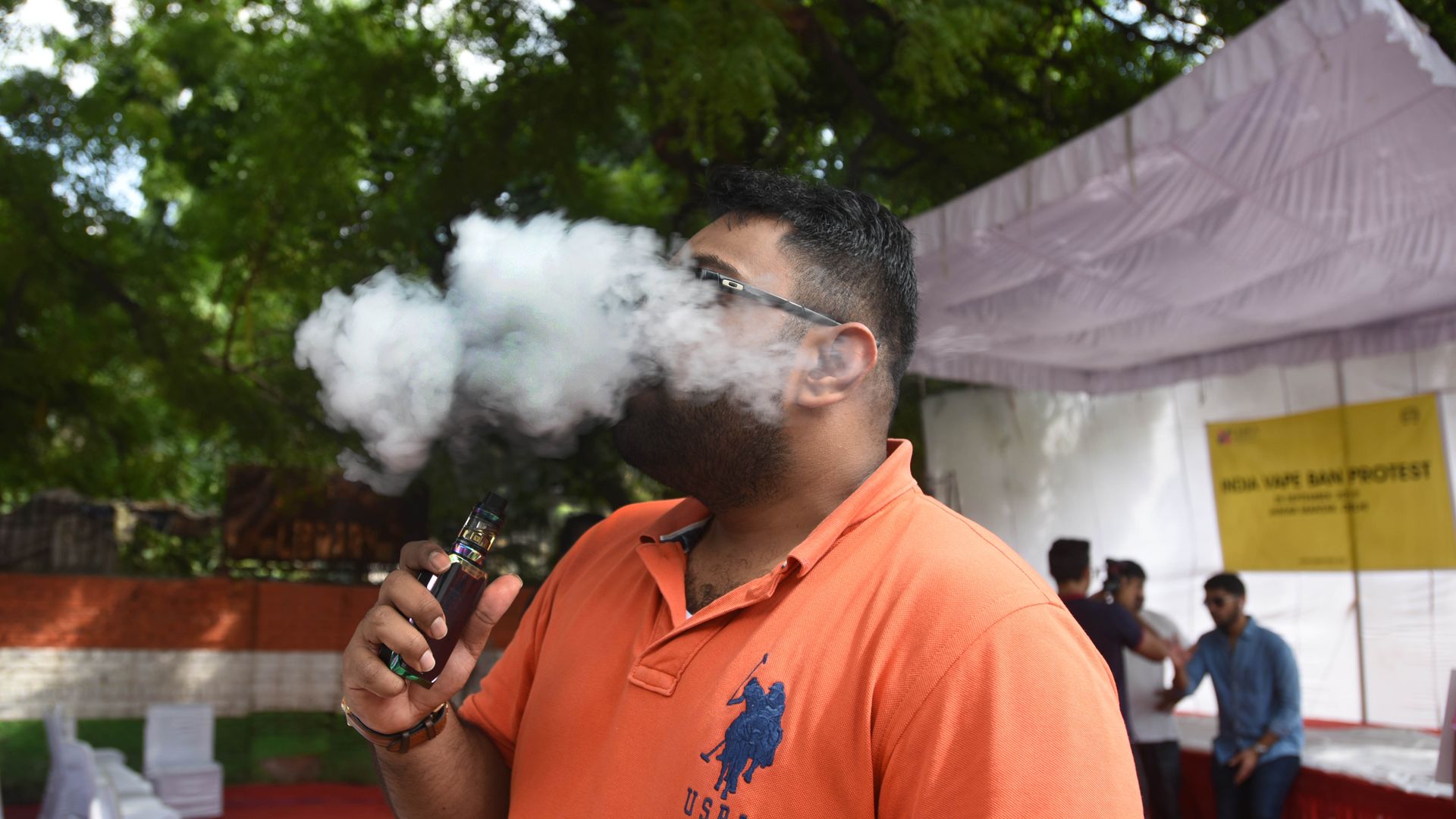
Federal health officials have found vitamin E acetate in the lung fluids of 29 patients diagnosed with a mysterious vaping-related illness, the Centers for Disease Control announced Friday, a "breakthrough" in the search for the culprit of the mysterious disease, the Washington Post writes.
Why it matters: The development further links vitamin E acetate as "a very strong culprit of" the illness, said Anne Schuchat, principal deputy director at the CDC, per the Post. But the agency isn't ruling out other compounds or ingredients as sources for the illness, which has afflicted more than 2,000 people, and killed 39.
Air ambulances' use declined between 2008 and 2017 among people with employer coverage, but the average price of a trip more than doubled, according to new data from the Health Care Cost Institute, which is funded by insurers.
Why it matters: Air ambulances are a frequent source of surprise medical bills, and often aren't covered by private insurance. These bills can be for eye-popping amounts.
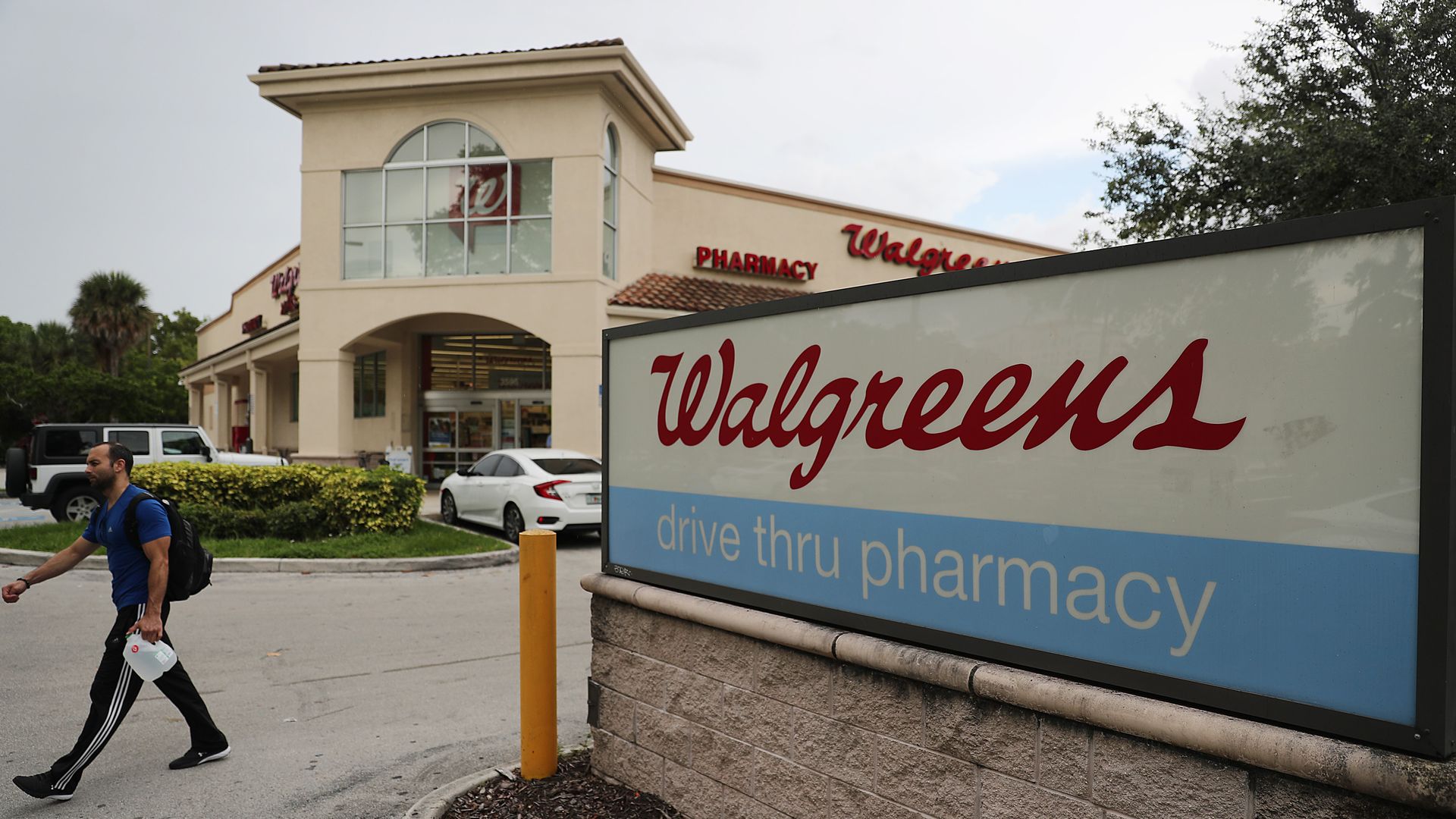
Walgreens handled nearly one in five oxycodone and hydrocodone pills that were shipped to pharmacies between 2006 and 2012, as the opioid epidemic worsened, the Washington Post reports.
Between the lines: Walgreens is one of the companies being sued by thousands of communities across the country in federal court.
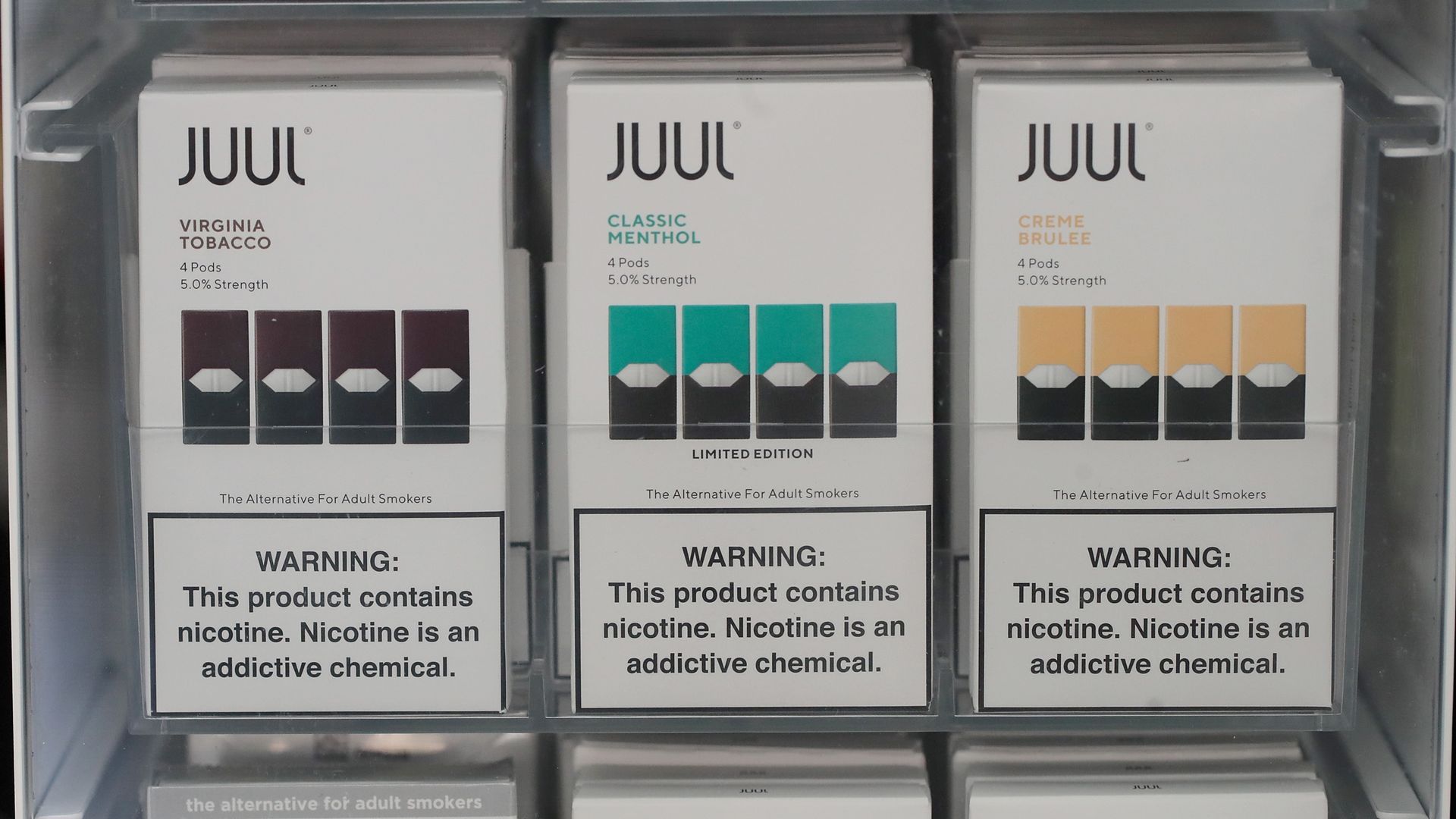
In the past year, Juul has gone from exceeding its 2018 projections and becoming a venture capital fundraising machine to being regulators' favorite punching bag.
Driving the news: Juul, the nation's largest maker of vaping products, announced Thursday it will freeze sales of its popular mint flavor, leaving only menthol and tobacco flavors available, as it tries to stay ahead of the looming crackdown on vaping by the Trump administration.
Juul, the nation's largest maker of vaping products, announced Thursday it will freeze sales of its popular mint flavor, leaving only menthol and tobacco flavors available, amid looming Trump administration plans to ban all flavors of e-cigarettes, including mint.
Why it matters: Mint accounts for about 70% of Juul’s U.S. sales. Menthol only accounts for about 10%, while tobacco makes up roughly 20%, a person familiar with the matter tells Axios.
The Economist came down hard on Sen. Elizabeth Warren last month, describing her regulatory proposals as "jaw-dropping" and warning of "a severe shock" were her plans to be enacted.
The state of play: Similar sentiment has arrived from Steve Rattner, the manager of Mike Bloomberg's fortune, who says that a "Warren presidency is a terrifying prospect." Billionaires Leon Cooperman and Jamie Dimon have also joined the chorus.
Drug distributor Cardinal Health registered a $5.6 billion pre-tax charge in the third quarter, saying the company "agreed in principle to a global settlement" with states, cities and others to pay that amount over 18 years to resolve the opioid cases.
Why it matters: Cardinal is the first company to set aside billions of dollars in preparation for any national opioids settlement, even though a definitive settlement agreement has not been finalized.
Millennials' health problems are on the rise, with future adverse consequences to both their own finances as well as the U.S. economy, according to a new report by the Blue Cross Blue Shield Association.
What they found: As millennials age, their health is declining faster than Generation X, and they're increasingly suffering from conditions like hypertension, high cholesterol, depression and hyperactivity.
Privately insured people suffering from drug and alcohol addiction or mental health conditions pay more out-of-pocket for care and are more likely to see out-of-network providers than people with chronic physical health conditions, according to a new study in JAMA Network Open.
Between the lines: These costs prevent people from receiving care. The study used data from 2012–2017, a time frame during which the opioid epidemic was ravaging communities across the country.
Almost all of the major health insurance companies are spending more on medical care this year than they have in the past.
The big picture: Rising prices and more services for some sicker patients are among the many reasons why this is happening. That uptick in spending has freaked out Wall Street, even though insurers are still quite profitable.
Americans pay the most for health care, by far, out of all developed countries. But we don't have much to show for it in terms of health outcomes or access to care, according to a new OECD report.
Why it matters: As we debate reforms to our health care system, it's worth remembering that the U.S. is an outlier compared to other countries, which have figured out how to get cheaper care without sacrificing quality.
Girls who play soccer are at risk from concussion at nearly the same rate as boys who play football, a new study finds.
By the numbers: Boys who played football had the most concussions — 10 per every 10,000 practices or games — according to the study of 20 sports, published in the journal Pediatrics. Girls who played soccer were next, with concussions occurring in eight per 10,000 instances.
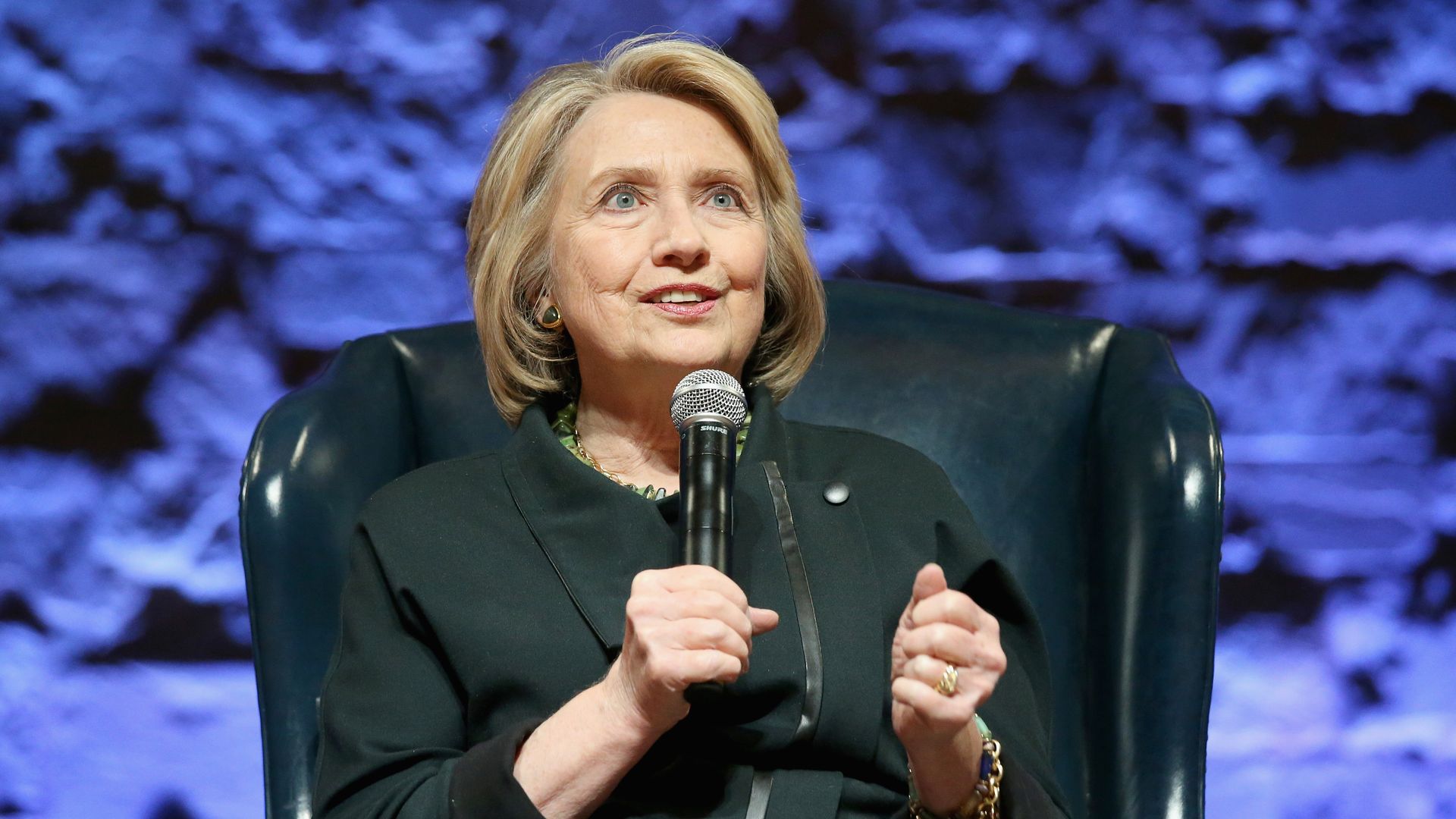
Former Secretary of State Hillary Clinton said during the DealBook conference in New York on Wednesday she doesn't believe 2020 candidate Sen. Elizabeth Warren's Medicare for All plan would ever be enacted.
"The smarter approach is to build on what we have; a public option is something I've been in favor of for a very long time. I don't believe we should be in the midst of a big disruption while we are trying to get to 100% coverage and deal with costs."



/2019/11/07/1573161885005.gif?w=3840)