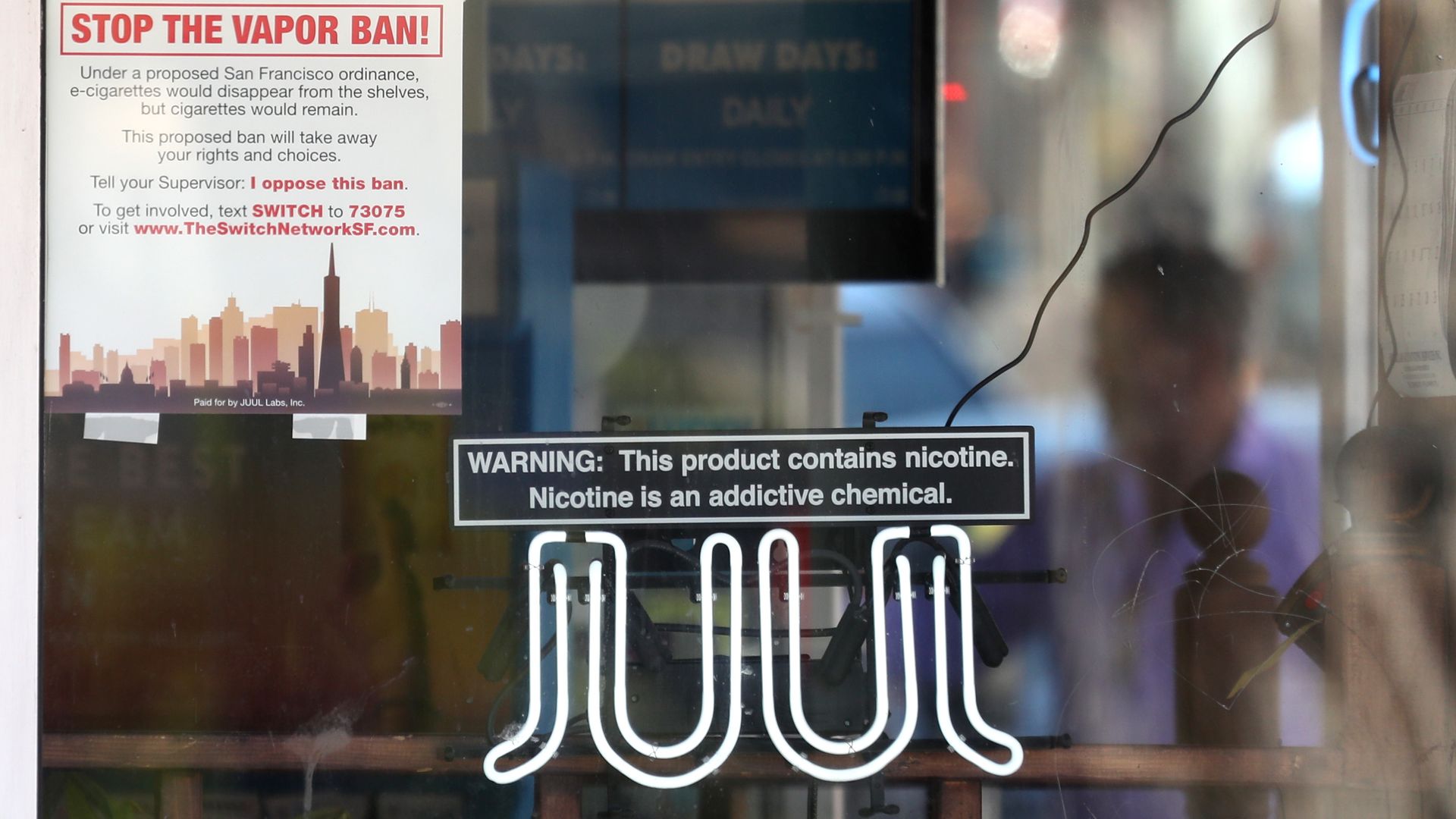
The big picture: Juul was on the fast rise in recent years — hitting a valuation of $38 billion — until concerns over teen use hit a fever pitch following an epidemic of unexplained illnesses and 37 deaths related to vaping products.
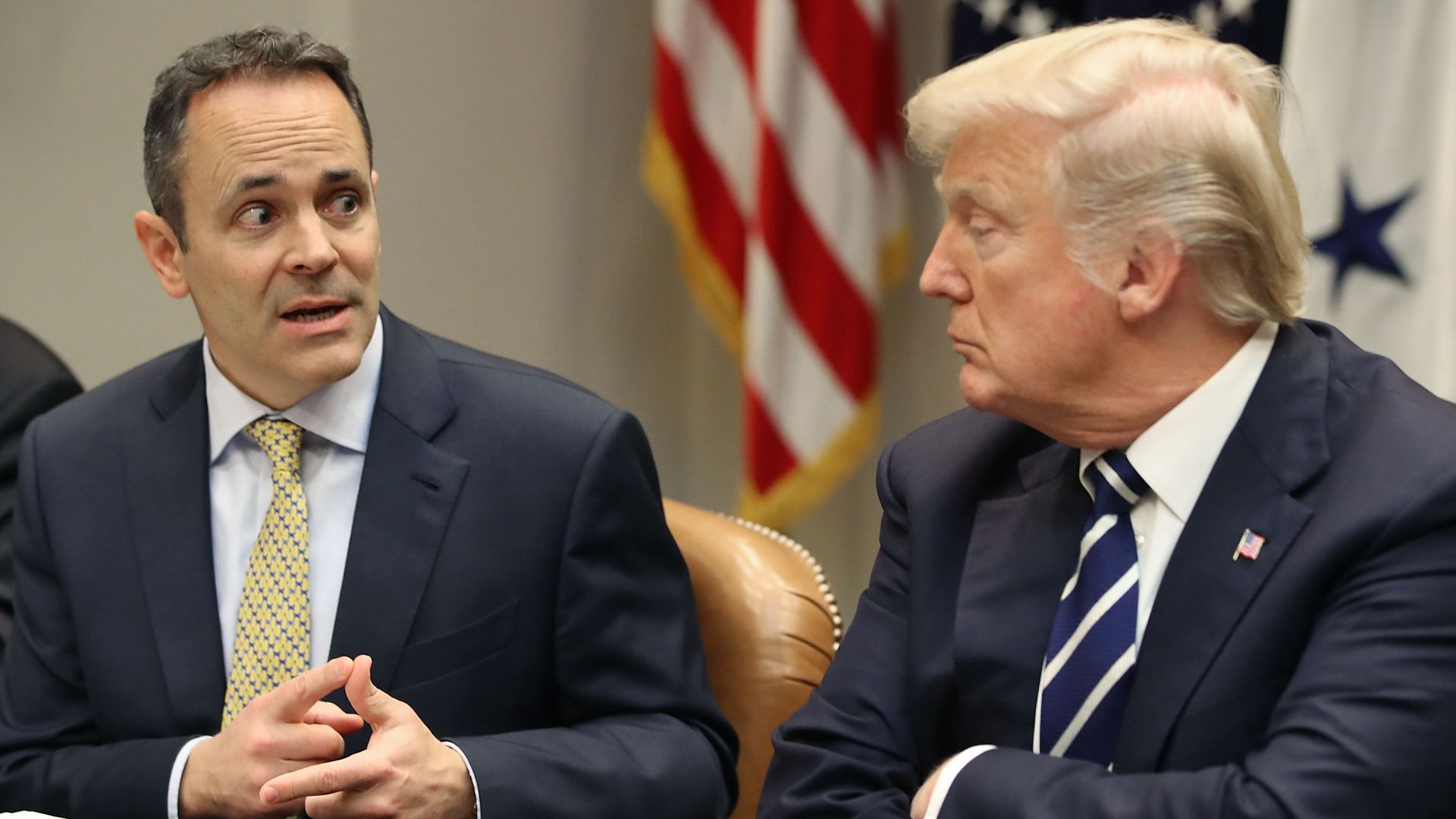
The Trump administration's health care agenda appeared likely to lose one of its closest allies last night as Democrat Andy Beshear declared victory over Kentucky Gov. Matt Bevin.
Driving the news: Beshear has pledged to reverse Kentucky's plan for Medicaid work requirements — which took a backseat to national issues in the campaign, but was nevertheless one of Bevin's most significant policy legacies.
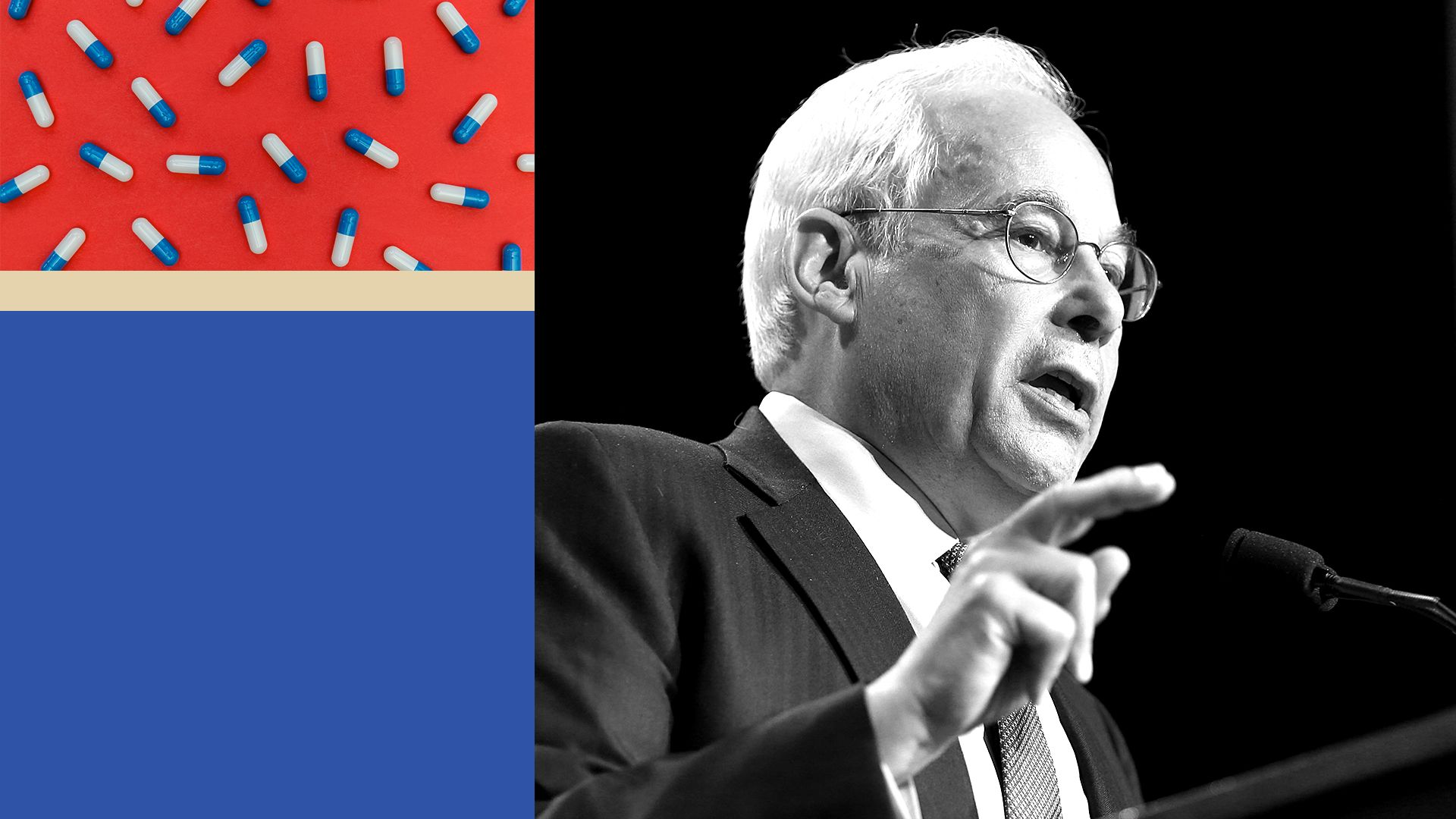
Don Berwick, a physician and former head of Medicare and Medicaid during the Obama administration, wants the country to have a "rational" debate about "Medicare for All" — but says that will require a more rigorous comparison to the status quo.
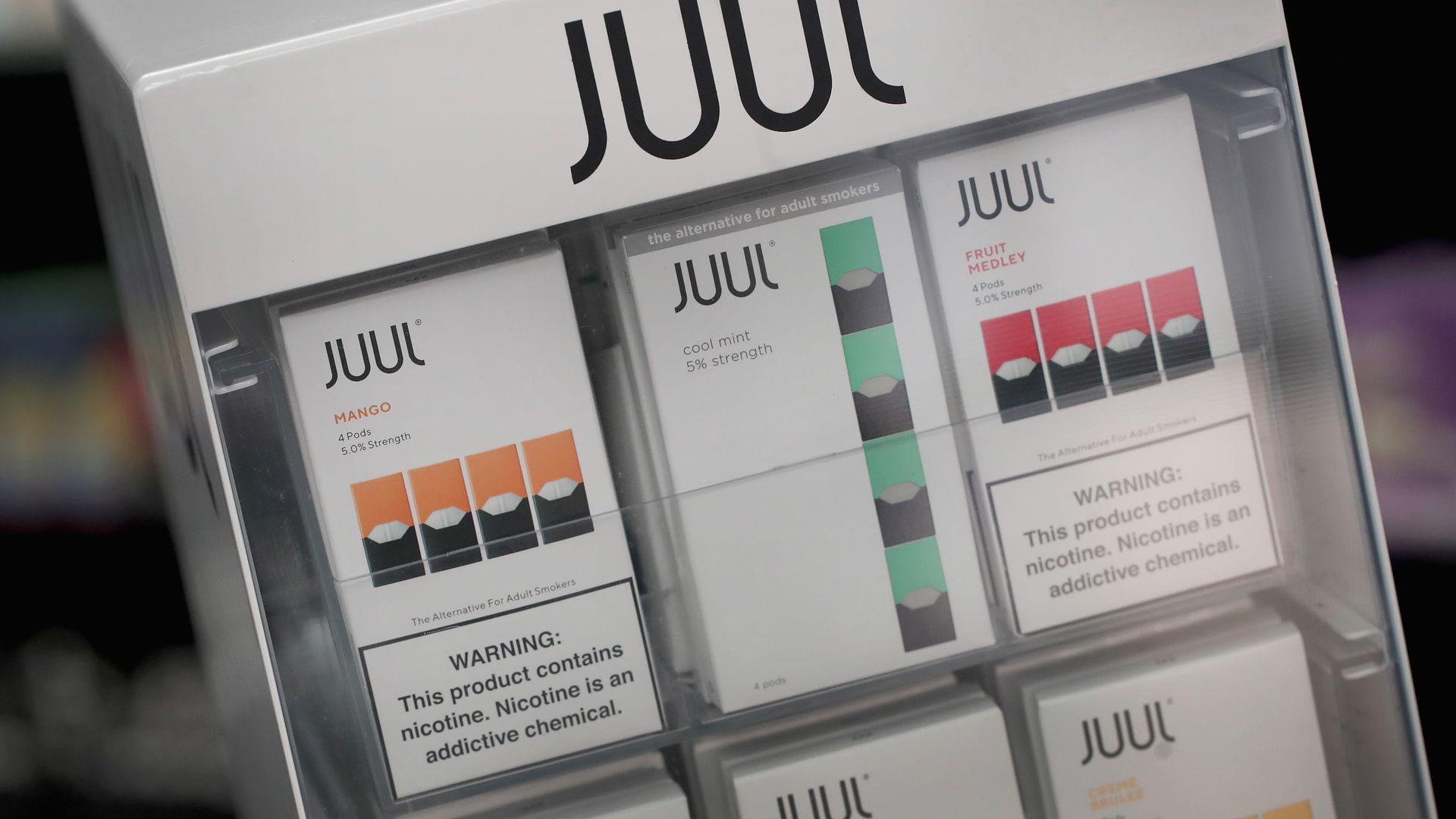
Juul's mint flavor has become the most popular e-cigarette flavor for teens in 12th and 10th grades and the second most popular in 8th grade, an NIH-funded study published in JAMA shows. A second JAMA study found that mint and menthol's popularity among all e-cigarette brands is also rising.
Why it matters: The Trump administration is expected to move forward this week with a ban on flavored vape products, except for tobacco and menthol flavors, and Juul has already said it will stop selling all flavors except tobacco, mint and menthol.
Public support for Medicare for All might have peaked, but it’s still a powerful idea among many Democrats.
By the numbers: Support for the national health plan rose from around 40% in 2000 to a high of 59% in March of 2018, but had slipped back to 51% by October of this year.
Middle school and high school students are vaping mint or menthol flavors almost as much as fruit-flavored e-cigarette products, a new investigation by JAMA shows.
Reality check: The Trump administration is expected to announce this week a finalized ban on almost all flavored vaping products, but it won't include tobacco and menthol flavors.
A drug pricing model used by other countries but long opposed by drugmakers in the U.S. is getting new attention amid the political debate over drug prices, the Wall Street Journal reports.
How it works: The method, pushed by the Institute for Clinical and Economic Review, "puts a dollar figure on a year of healthy life, calculates how much health a drug restores to a sick patient, then prices drugs accordingly," per the Journal.
Georgia Gov. Brian Kemp — a Republican — released Monday his plan for a partial Medicaid expansion, with work requirements attached. It will apply for partial expansion if the initial request is rejected.
The big picture: If the waiver is approved, Georgia would be the first state with work requirements built into its expansion. Other states have tried to retroactively apply work requirements.
More than half of Medicare beneficiaries with a serious illness have struggled to afford a medical bill, and some beneficiaries with chronic conditions pay an astronomical amount out of pocket for their care, two new studies find.
Why it matters: Medicare is supposed to be a safety net for America's seniors, but its lack of a cap on what beneficiaries pay out-of-pocket — and the fact that it doesn't cover some benefits — leads to many seniors falling through the cracks.