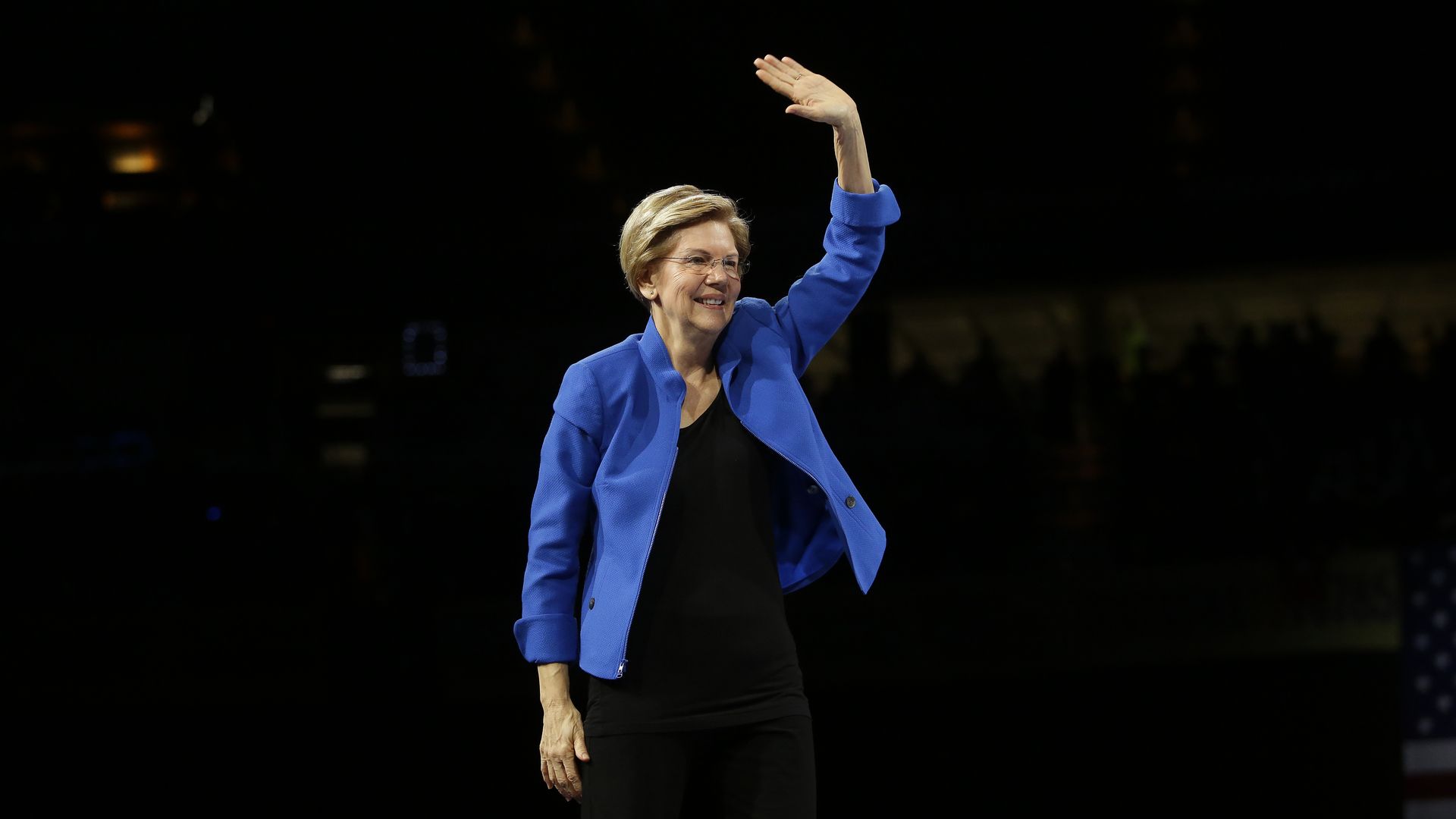
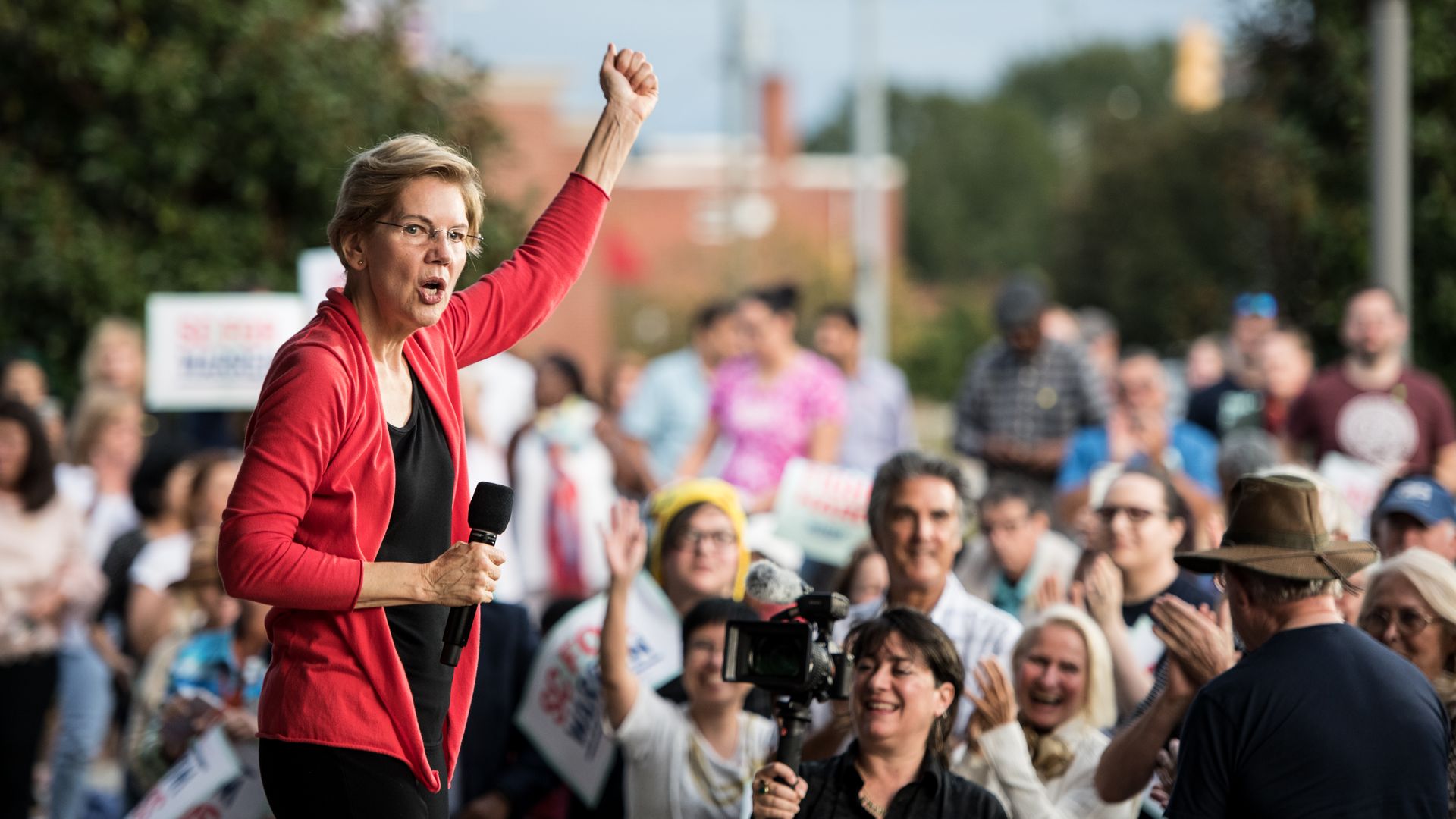
Leading centrist Democrats are bracing themselves for potential blowback after the release of 2020 presidential hopeful Sen. Elizabeth Warren's $20.5 trillion Medicare-for-all plan, Politico reports.
Why it matters: The intraparty conflict over health care "exposes the fault line between those who fret about winning voters in the center and the activist progressive base propelling Warren to the front of the Democratic pack," Politico writes.
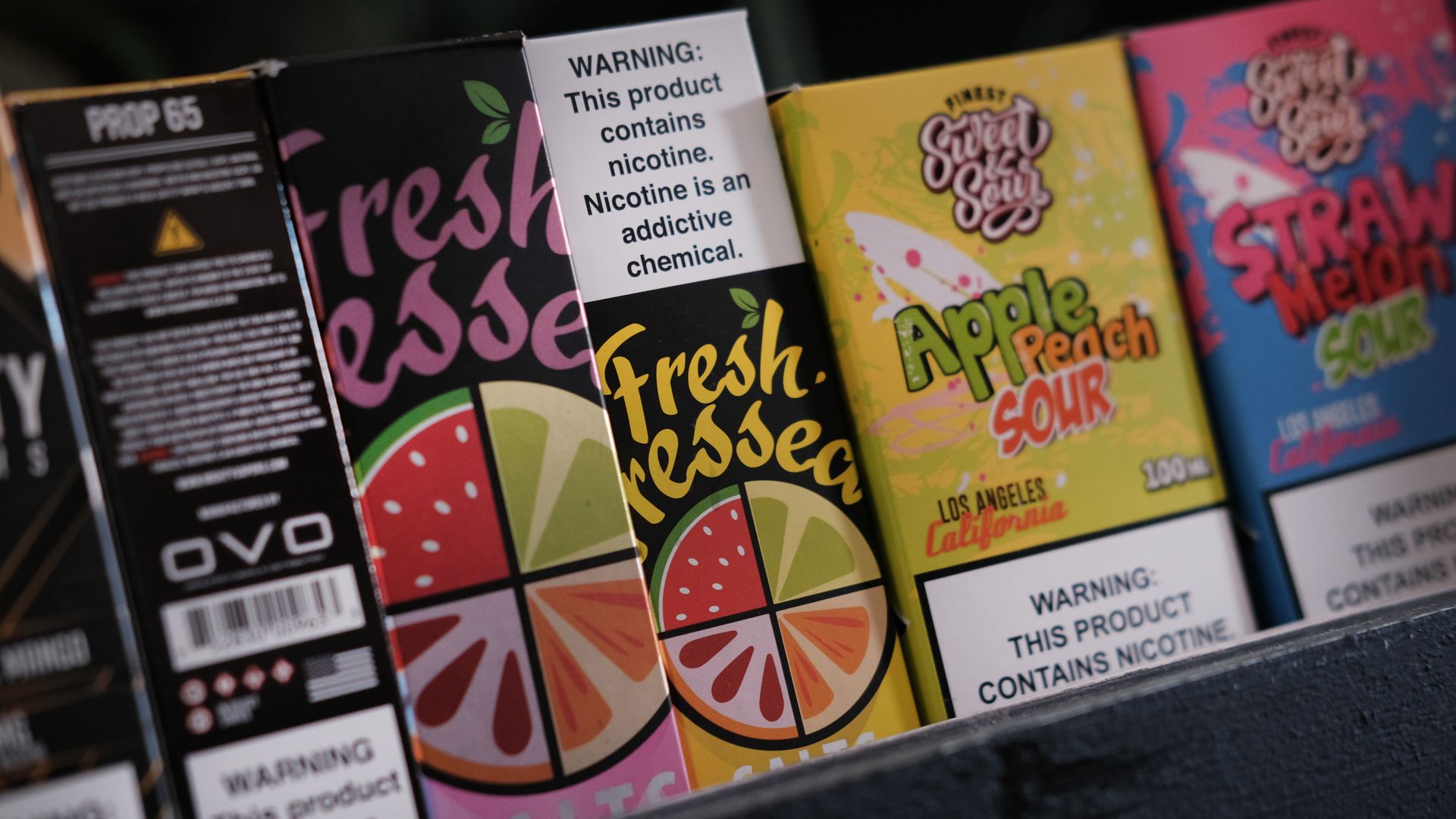
The Trump administration plans to finalize a ban on almost all flavored vaping products, with exemptions only for tobacco and menthol flavors, according to sources familiar with the plan. An announcement is expected next week.
Why it matters: Conservatives, including President Trump's 2020 campaign manager, had urged Trump to back away from such a sweeping crackdown, but sources said the president was briefed by senior health officials on the plan at a White House meeting yesterday.
Sen. Elizabeth Warren's newly released plan to pay for Medicare for All leaves the middle class financially better off than they are today, but it's not true to say that they won't pay for it at all, experts say.
Between the lines: Employers will directly pay for Medicare for All, and economists predict that this will get passed onto workers through reduced wages — just as employers' costs for private health insurance are passed on today.
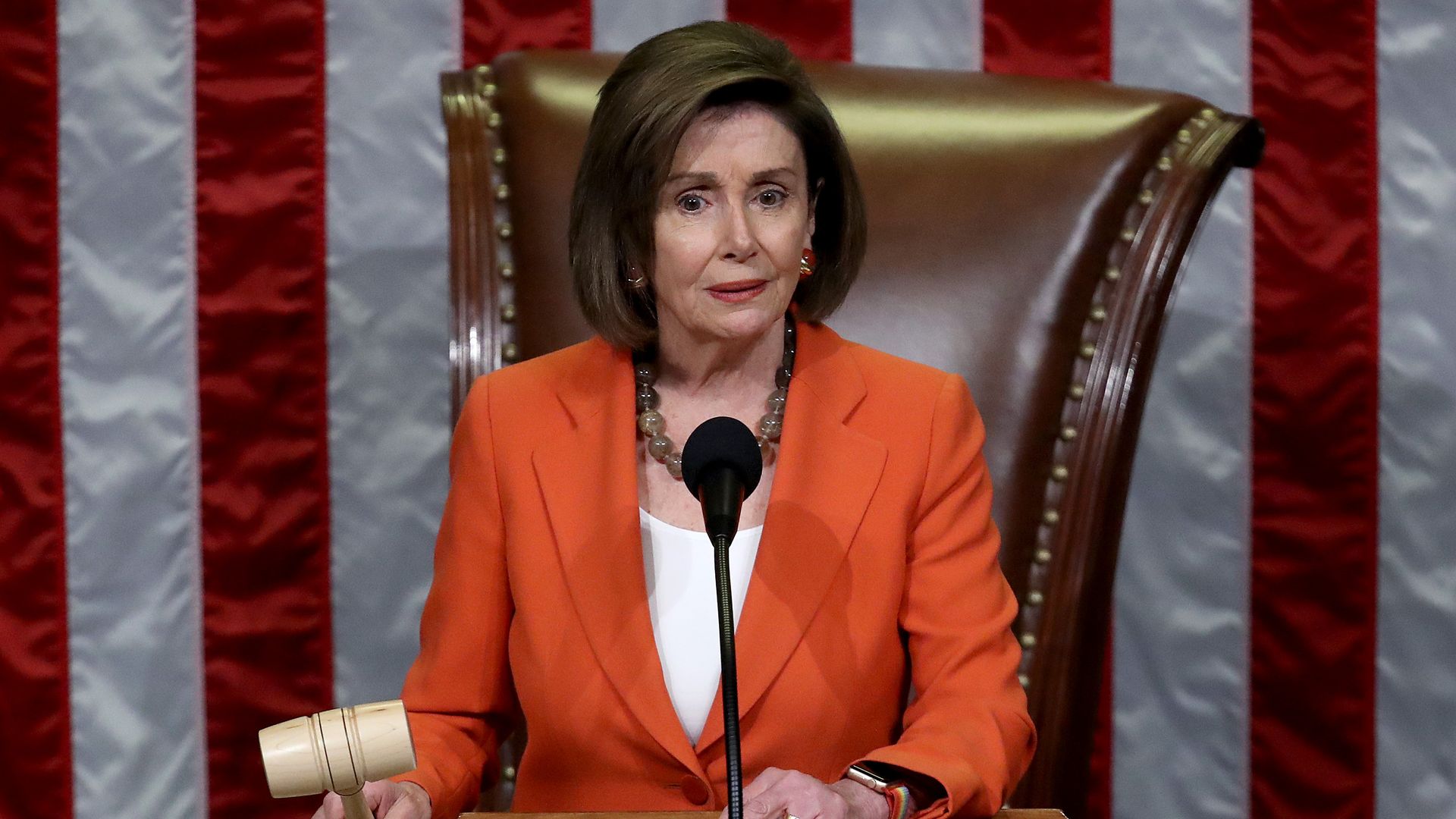
House Speaker Nancy Pelosi told Bloomberg on Friday she isn't a "big fan" of Medicare for All, calling the program "expensive."
Why it matters: The comments came the same day presidential candidate Sen. Elizabeth Warren unveiled her proposal to pay for a Medicare-for-All program. Other candidates, like Sen. Bernie Sanders and Julian Castro also support the principle.
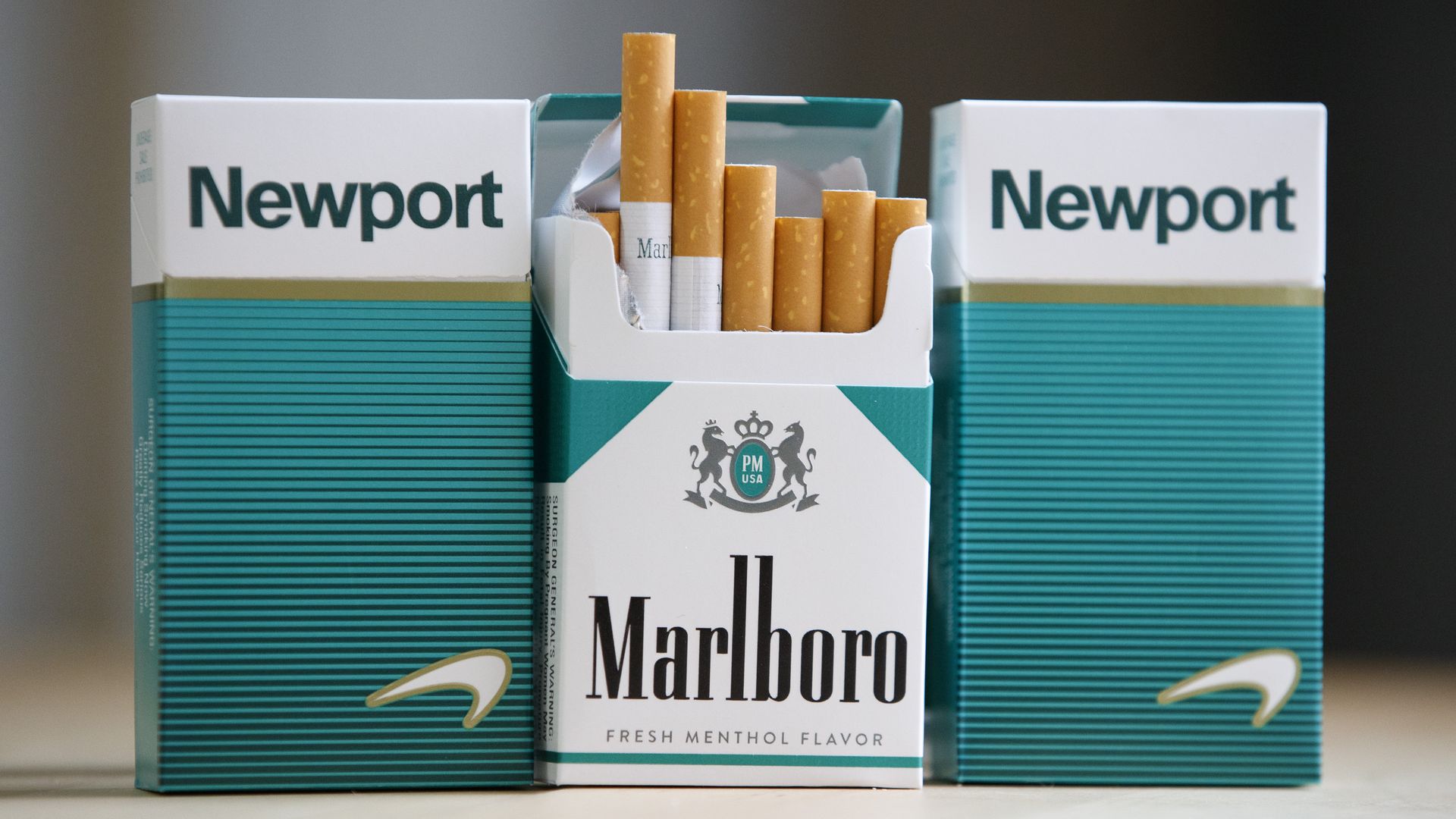
President Trump recently vowed to ban all e-cigarettes as part of a greater strategy to prevent nicotine addiction in adolescents, but some African Americans are questioning why he hasn't done the same with menthol cigarettes, the Washington Post reports.
Why it matters: Menthol cigarettes have long been a health threat in African American communities but, unlike with vaping, the current presidential administration hasn't come down hard on the cigarette industry.
During the two to three years after a measles infection, a person can have immune system "amnesia," where the system appears to forget the prior illnesses and vaccinations that triggered immunity, making the person vulnerable to sometimes-deadly infections.
Why it matters: A number of people are deliberately not getting vaccinated, with some fighting new restrictions on exemptions. But, two new papers provide more evidence that getting measles appears to have longer-term implications than originally thought.
Sen. Elizabeth Warren has released her long-awaited plan to pay for "Medicare for All," which she says will put the $11 trillion that would be spent out-of-pocket on health care over 10 years "back in the pockets of American families."
The bottom line: This will be paid for "with targeted spending cuts, new taxes on giant corporations and the richest 1% of Americans, and by cracking down on tax evasion and fraud. Not one penny in middle-class tax increases," the plan states.
If Express Scripts is any kind of bellwether for drug rebates — pricing discounts that drug manufacturers pay to pharmacy benefit managers so their drugs get put on the drug coverage lists — then those dollars continue to rise.
By the numbers: Cigna, which bought Express Scripts last year, said it is owed almost $4 billion in rebates from pharmaceutical companies as of Sept. 30, according to new investor documents. That's up almost $600 million since the start of this year.
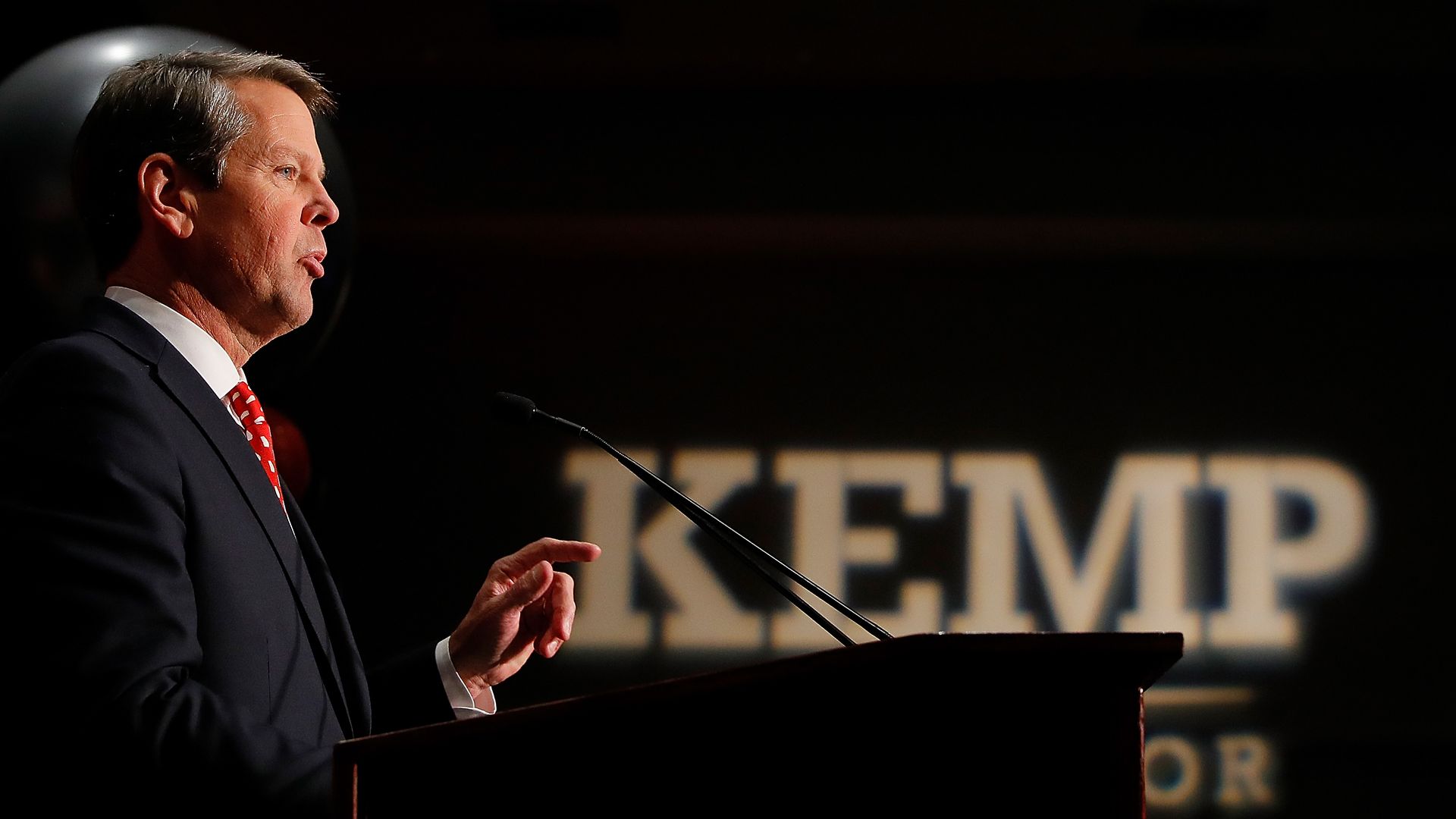
Between the lines: Kemp's proposal — which must be approved by the federal government — would move more control over ACA dollars to the state while attempting to lower premiums in the individual market.