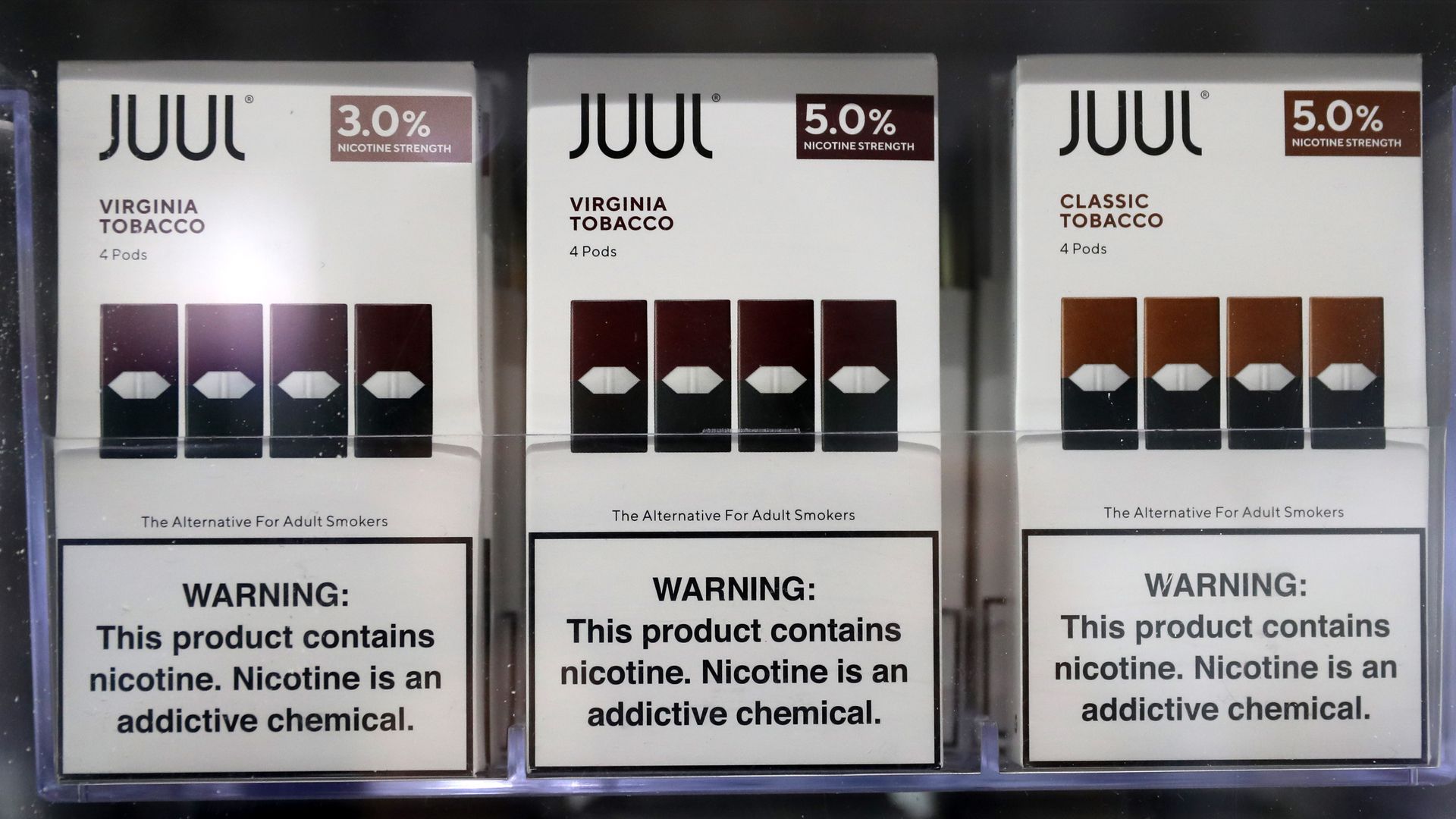
Altria Group is expected to take a $4.5 billion writedown on its original $12.8 billion investment in e-cigarette maker Juul, AP reports.
The big picture: Altria, which owns Marlboro and other nicotine products, acquired a 35% stake in Juul in 2018, which has since dropped in value amid rising health concerns and deaths related to vaping.
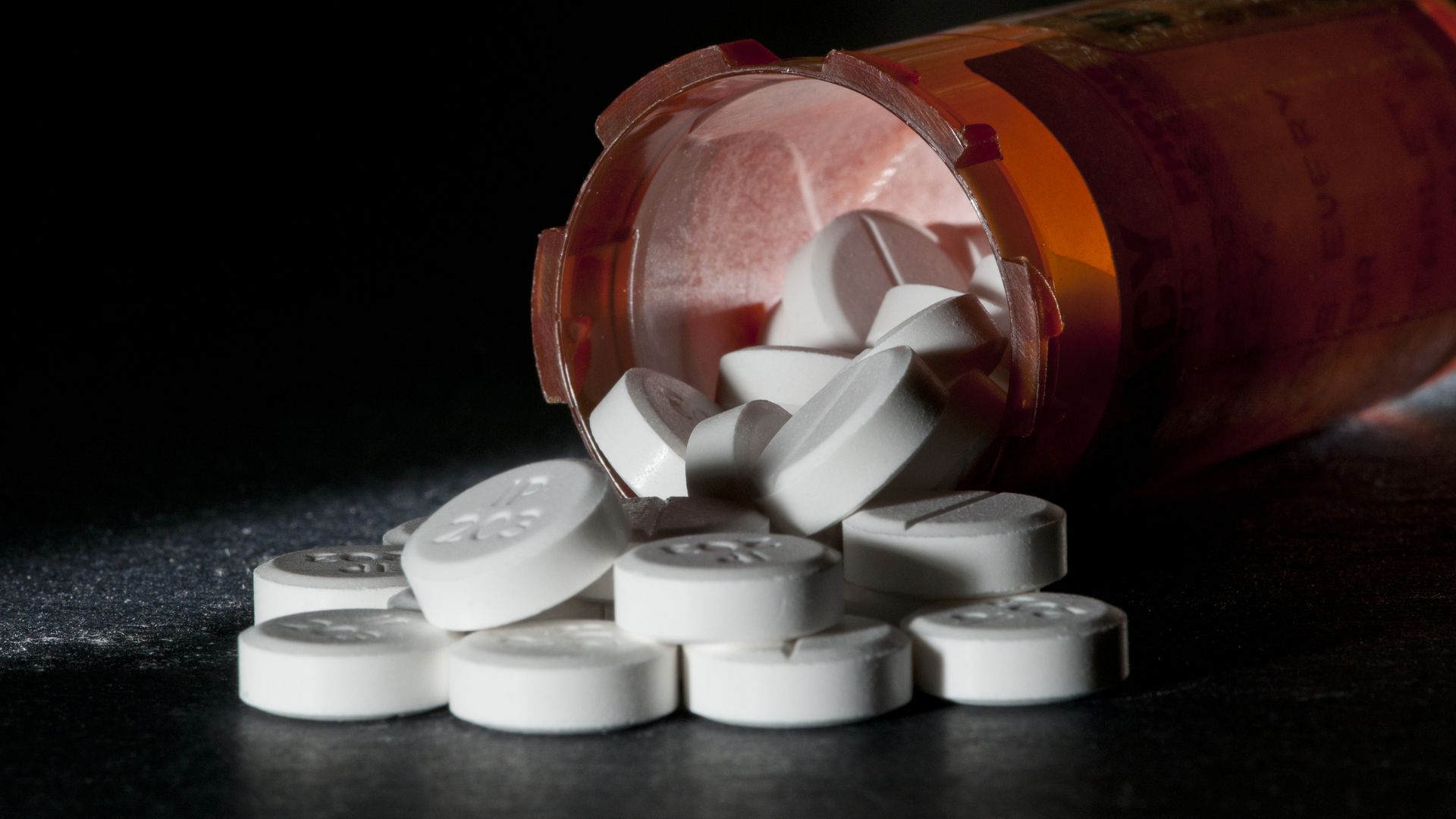
A settlement resolving all of the pending lawsuits over the opioid crisis is "unlikely in the near term," according to state attorneys general and attorneys involved in the litigation brought by communities, the Washington Post reports.
Why it matters: That means that it could be a long time before places still plagued by the opioid epidemic receive substantial new funding to address it.
There's still no settlement in the national opioids case, but plenty of other large health care cases have been laid to rest recently.
The bottom line: Allegations of wrongdoing are rampant in health care. For defendants, it's often easier — and in their interest — to settle and eat the result as a cost of doing business.
The health troubles we're seeing now — especially among young people — will continue to strain the system for years and even decades to come.
The big picture: Rising obesity rates nowwill translate into rising rates of type 2 diabetes and heart disease. The costs of the opioid crisis will continue to mount even after the acute crisis ends. And all of this will strain what’s already the most expensive health care system in the world.
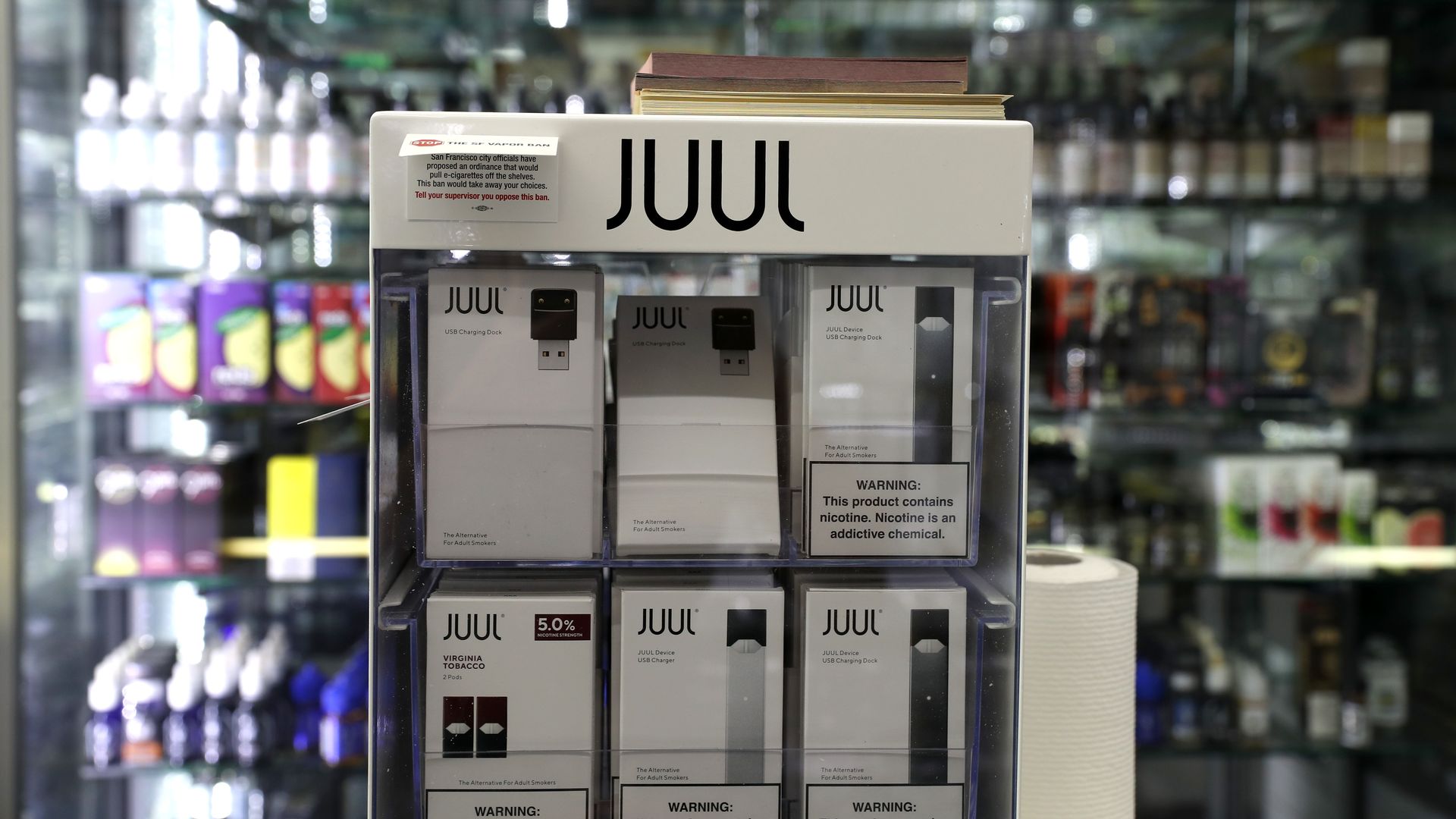
A former Juul executive alleged Tuesday in a lawsuit that it sent to market at least "one million mint-flavored e-cigarette nicotine pods that it admits were contaminated." A Juul spokesperson told Axios the company denies the claims and is contesting the suit.
Details: The suit, filed by Dhillon Law Group in the U.S. District Court for the Northern District of California on behalf of Siddharth Breja, Juul's former senior vice president of global finance, alleges Juul ignored his protests to issue a product recall for the contaminated pods, "or at a minimum, issue a public health and safety notice to consumers."
Some employers are returning to offering traditional health insurance plans again, as opposed to relying solely on those with high deductibles, Kaiser Health News reports with NPR.
Driving the news: The percentage of companies offering high-deductible plans as the only coverage option is declining for the third year in a row in 2020, per a survey of large employers by the National Business Group on Health.
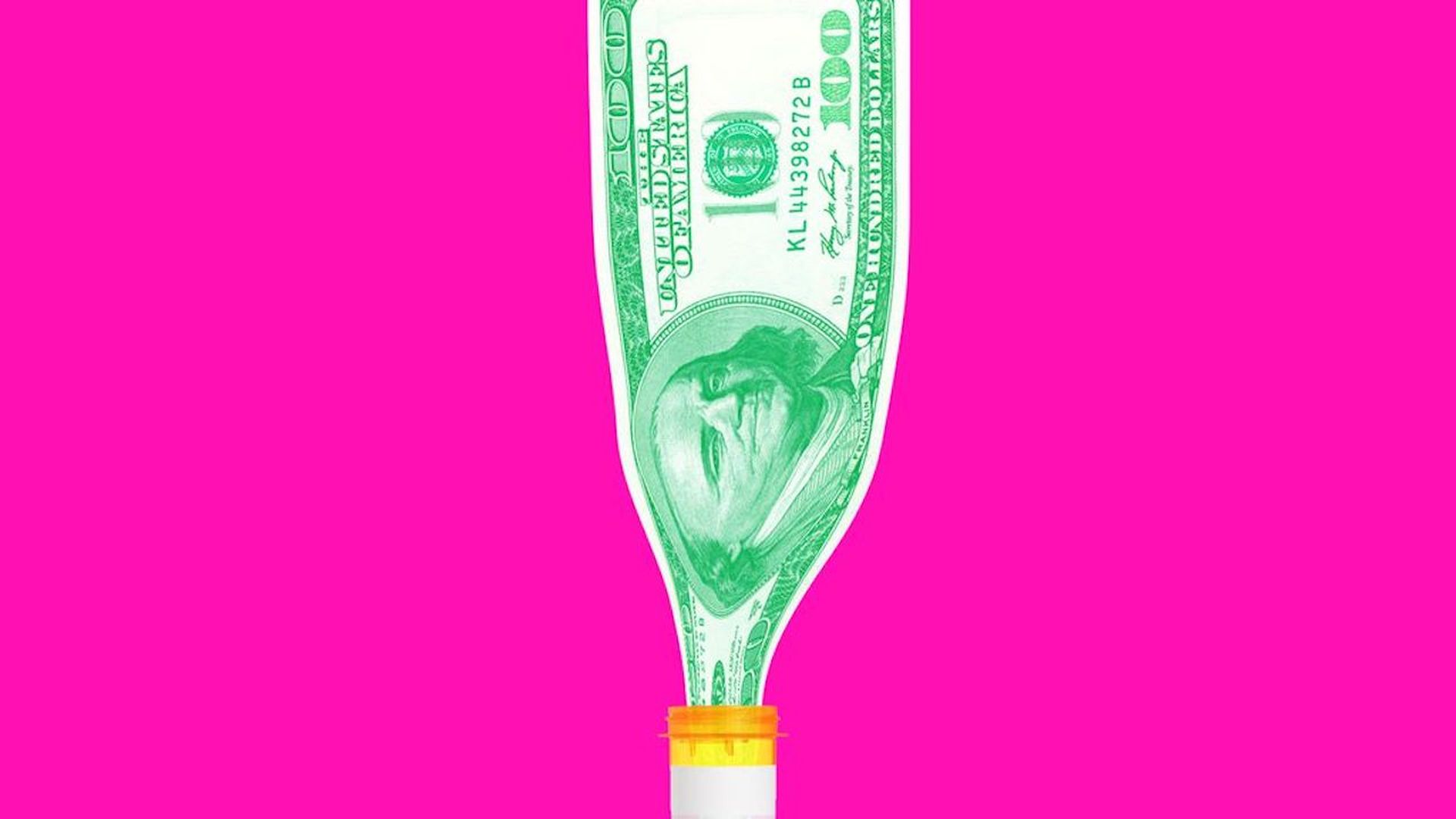
Private investment into the health care sector may bring innovation, but it's also led to revenue-seeking behaviors at the expense of patients, three employees of The Commonwealth Fund argue in Harvard Business Review.
By the numbers: There were nearly 800 private equity health care deals in 2018, with a total value of more than $100 billion.
Lipitor, the cholesterol-lowering medication that has become the gold standard of statins, continues to generate roughly $2 billion per year in sales for Pfizer, even though its patent expired eight years ago.
The big picture: Almost all of Pfizer's Lipitor sales now come from China and other emerging markets. But Lipitor's ability to remain a blockbuster drug, even with so many generic competitors that cost pennies per pill, shows how distorted the global pharmaceutical system can be.