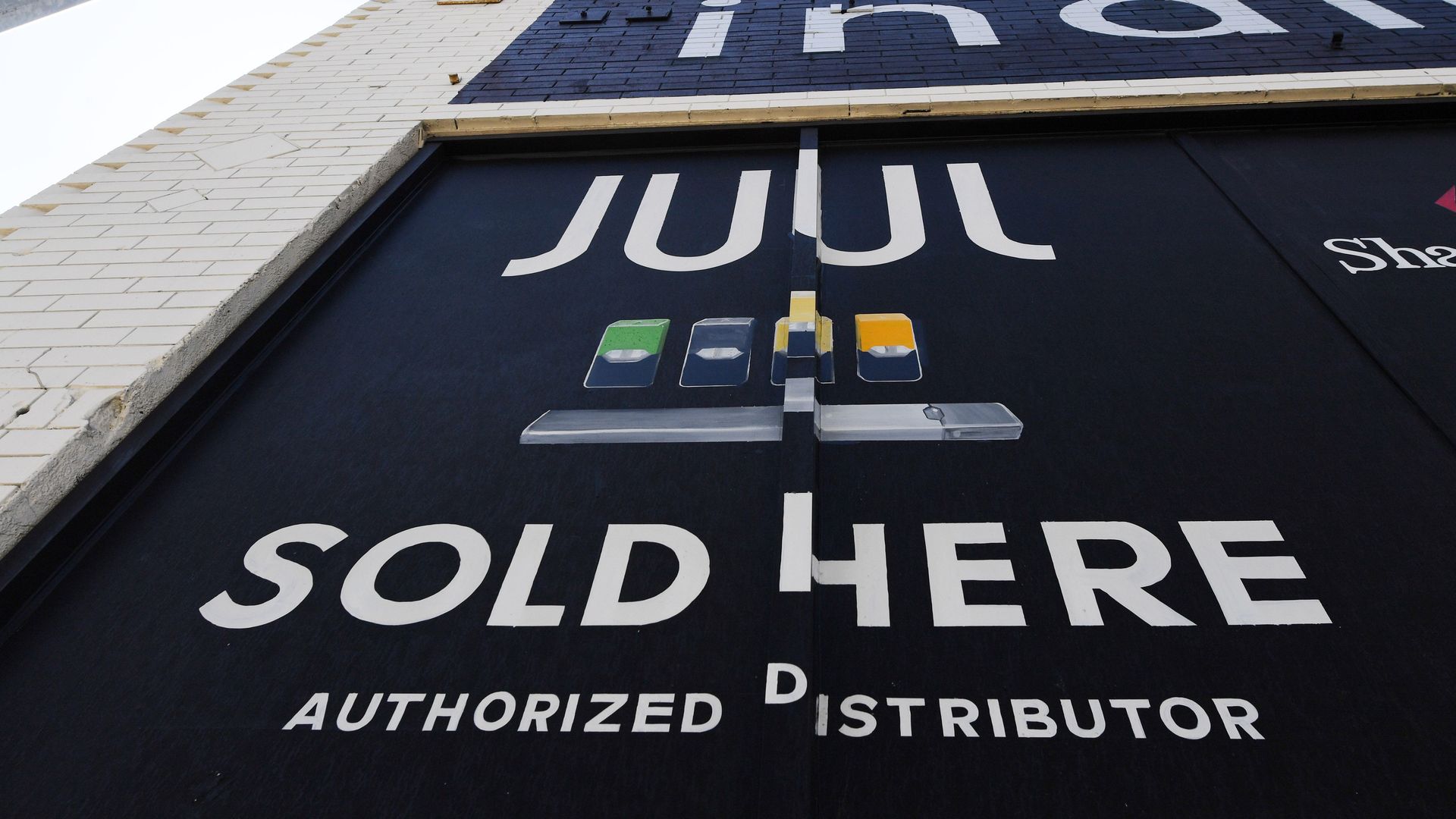
Juul plans to cut around 500 jobs by the end of the year in an attempt to mend the damaged relationship between the company and federal regulators, reports the Wall Street Journal.
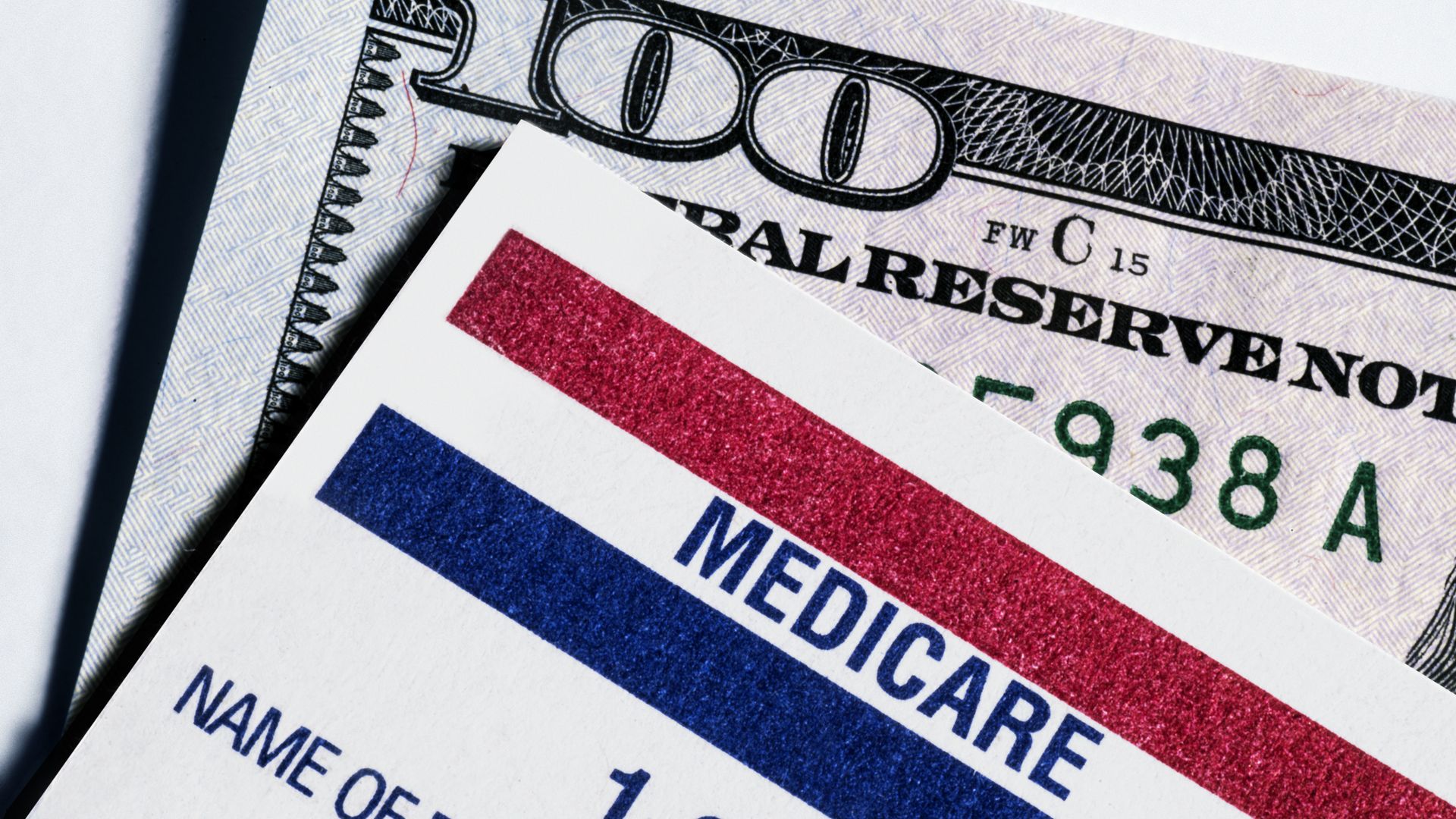
Financing full-blown, single-payer Medicare for All — which is estimated to cost roughly $30 trillion over a decade — would require aggressive changes in taxes, spending or borrowing, according to an analysis by the Committee for a Responsible Federal Budget.
Between the lines: "Tax increases on high earners, corporations, and the financial sector by themselves could not cover much more than one-third of the cost of Medicare for All," the report concludes — meaning that the middle class would be forced to shoulder some of the burden.
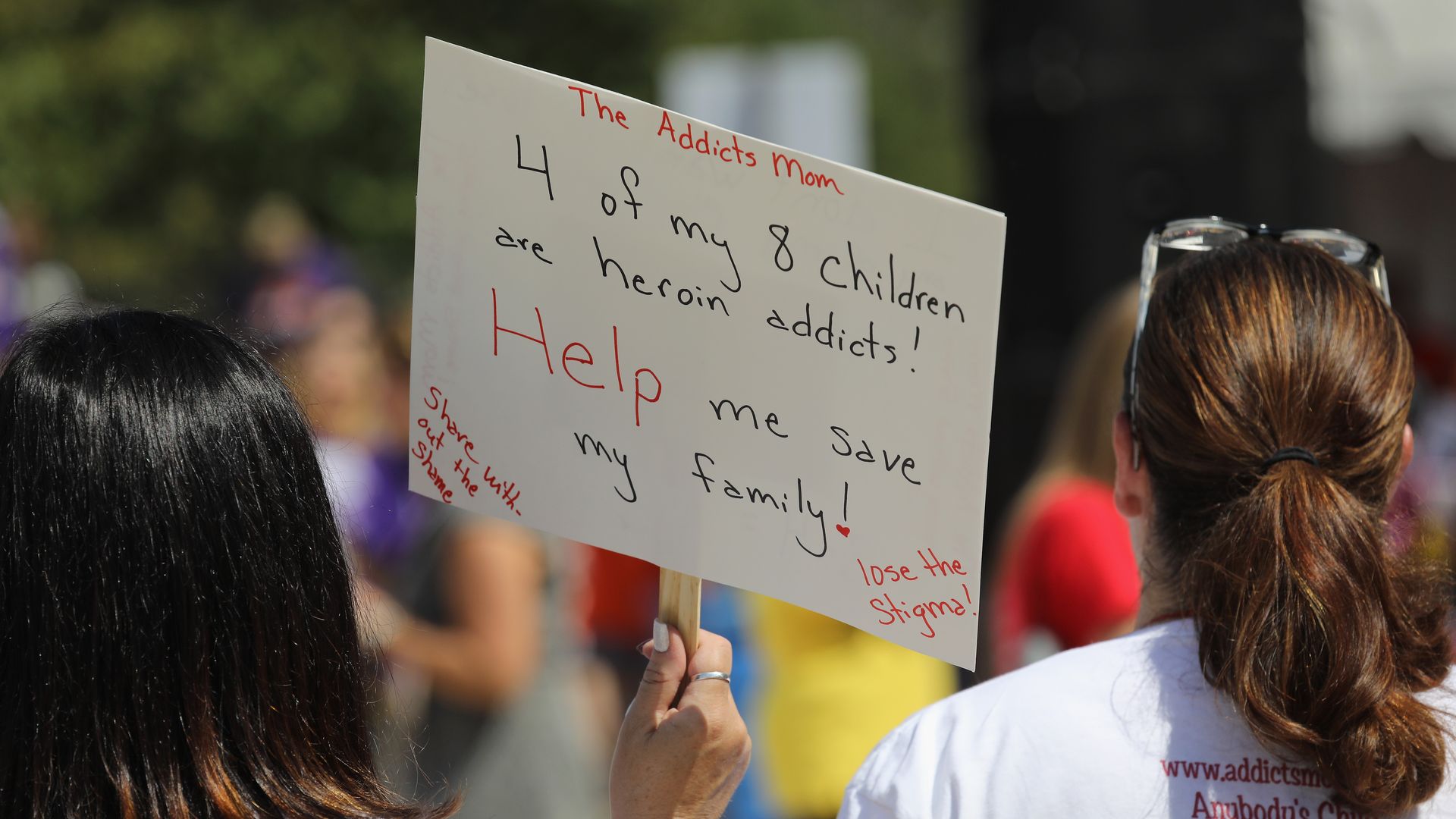
The ongoing opioid crisis cost $696 billion in 2018 and more than $2.5 trillion between 2015 and 2018, according to a new estimate by the White House Council of Economic Advisers.
Why it matters: Much of this cost is attributable to lives lost to opioids, but a good amount of it is borne by state and federal governments — and thus taxpayers. Meanwhile, opioid litigation settlement talks are homing in on payouts nowhere near this amount.
Methamphetamine led to more drug overdose deaths in 19 western states in 2017 than fentanyl, according to a new report from the CDC.
Between the lines: This was the first time that the CDC has broken down regional differences in overdose deaths by drug, the Wall Street Journal writes.
Private equity firms don't just own physician firms and air ambulances that would be most affected by eradicating surprise bills. They also hold stakes in the companies that help health insurers determine what they should pay for out-of-network care.
Why it matters: Private equity has its footprint all throughout health care, but these financial firms especially have a lot on the line in Congress.