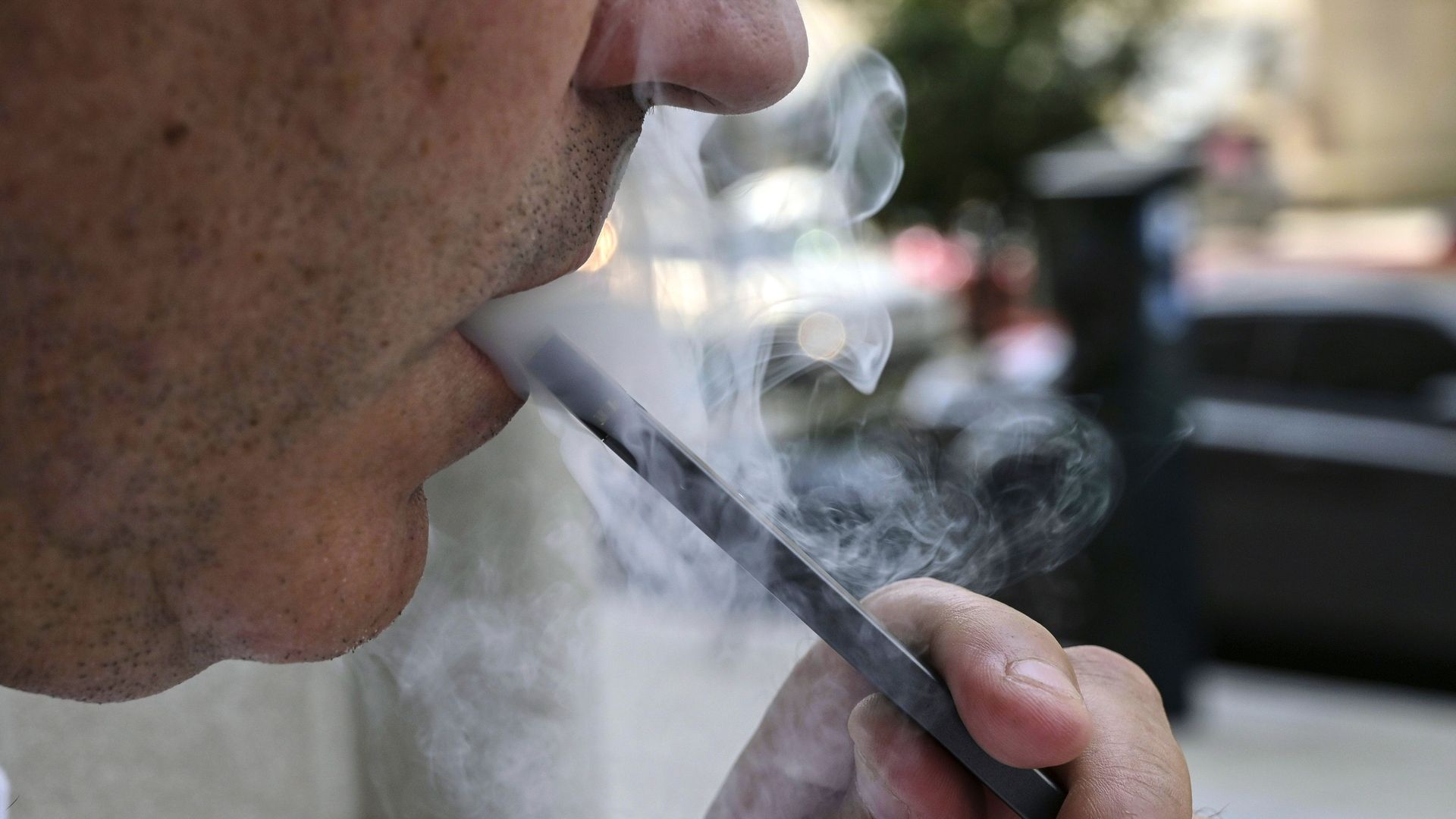
CBS will no longer run advertisements from any e-cigarette company as a matter of policy, a company spokesperson confirmed to Axios on Wednesday.
What's happening: CBS joins CNN and its parent company, WarnerMedia, in banning e-cigarette ads, as first reported by CNBC and The Daily Beast. Viacom, which is in the middle of a massive merger with CBS, also told CNBC on Wednesday the network will stop running e-cigarette ads.
The global market for vaping is suddenly under extreme scrutiny, with major backlash in the U.S. — paired with a ban in India and Juul yanked from online marketplaces in China.
Why it matters: Companies like Juul and others — which now market their vaping products around stopping smoking — suddenly face a nasty political climate based on fears of kids getting addicted.
Less than a week after debuting in China, all of Juul's products have been pulled from some of the country's biggest online retailers with no explanation, Bloomberg reports.
The big picture: "International growth is important for Juul, especially as vaping comes under increasing scrutiny in the U.S.," even as Big Tobacco companies invest billions, Bloomberg writes. A successful expansion into China could have helped launch Juul's global presence, since it's the world's largest market of smokers.
Advocates of a single-payer system may have a hard time persuading workers that their wages would go up if their employer-based health care went away.
Why it matters: “Medicare for All” would bring an enormous amount of change to the health system, and the disruption of employer-based insurance is already an important political flashpoint.
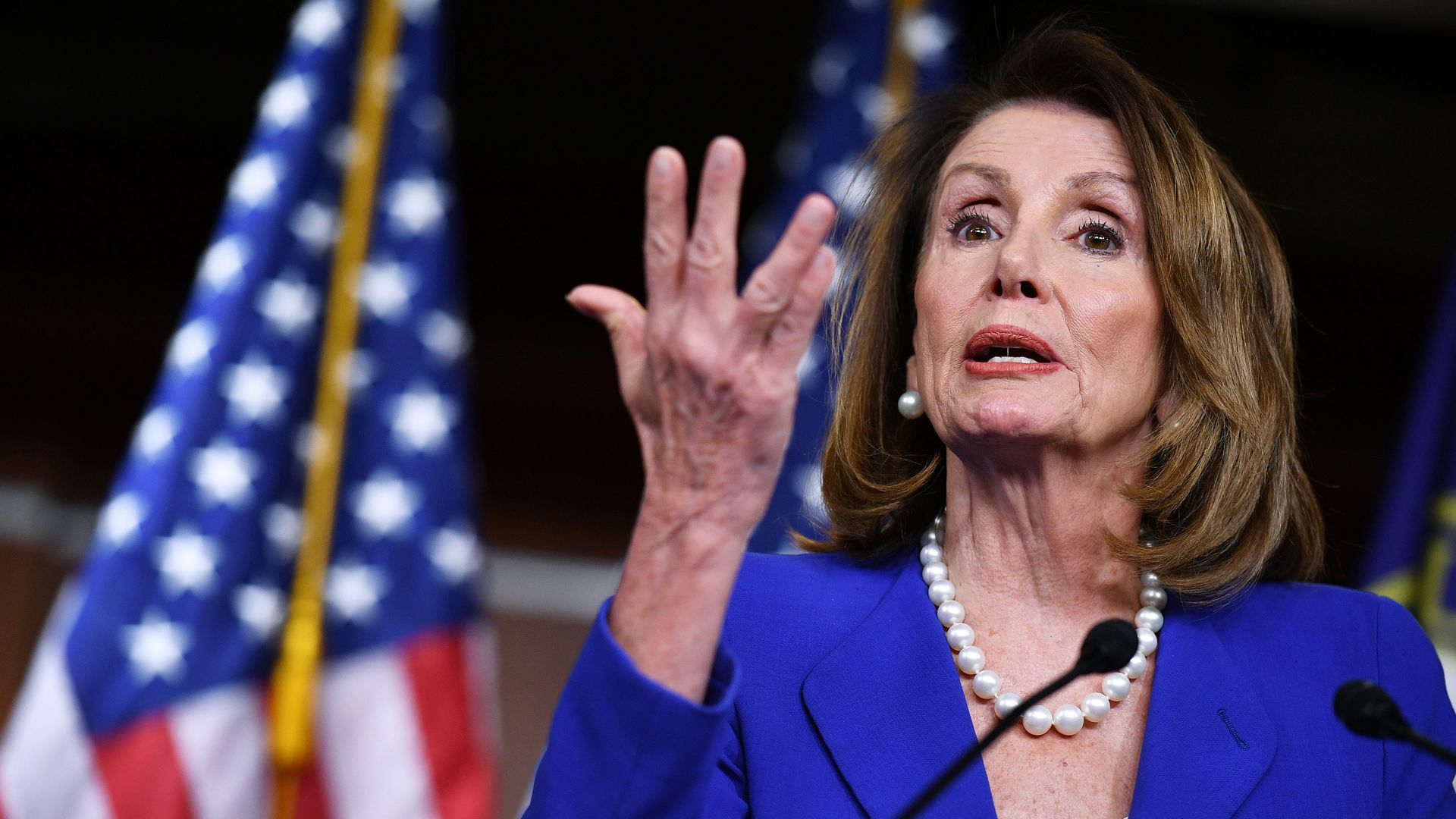
House Speaker Nancy Pelosi told Jim Cramer on CNBC's "Mad Money" on Tuesday that Democrats should focus on making improvements to the Affordable Care Act instead of pushing to introduce Medicare for All.
Why it matters: The Medicare for All bill from Sen. Bernie Sanders has 16 co-sponsors, including several other 2020 Democrats. Other Democratic candidates support versions of the bill. Pelosi's health care comments seem more in line with 2020 front-runner Joe Biden, whose policies involve improving the Affordable Care Act.
Almost three-quarters of metropolitan areas had highly concentrated hospital markets in 2016, reflecting an era of rapid consolidation among hospital systems, according to a report from the Health Care Cost Institute.
Why it matters: The more hospitals that have monopolies or oligopolies in their markets, the higher the prices are for patients, which is reflected in the premiums everyone pays.
Air ambulance companies are selling memberships as assurance that if a patient needs their services, they won't get slammed with massive bills. But these subscription services have drawn national skepticism, Kaiser Health News reports.
Between the lines: Air ambulances often aren't covered by private insurance, and they're becoming more expensive at the same time that they're becoming more necessary in rural areas without access to emergency care.
Purdue Pharma's first bankruptcy hearing starts today, commencing a process that will attempt to resolve 2,600 lawsuits that accuse the OxyContin maker of instigating an opioid crisis that has killed tens of thousands of Americans.
The big picture: Purdue is using bankruptcy as a tool to expedite legal remedies, but many state and local governments are ready to sue the Sackler family owners beyond bankruptcy court, arguing the family doesn't deserve bankruptcy protection.
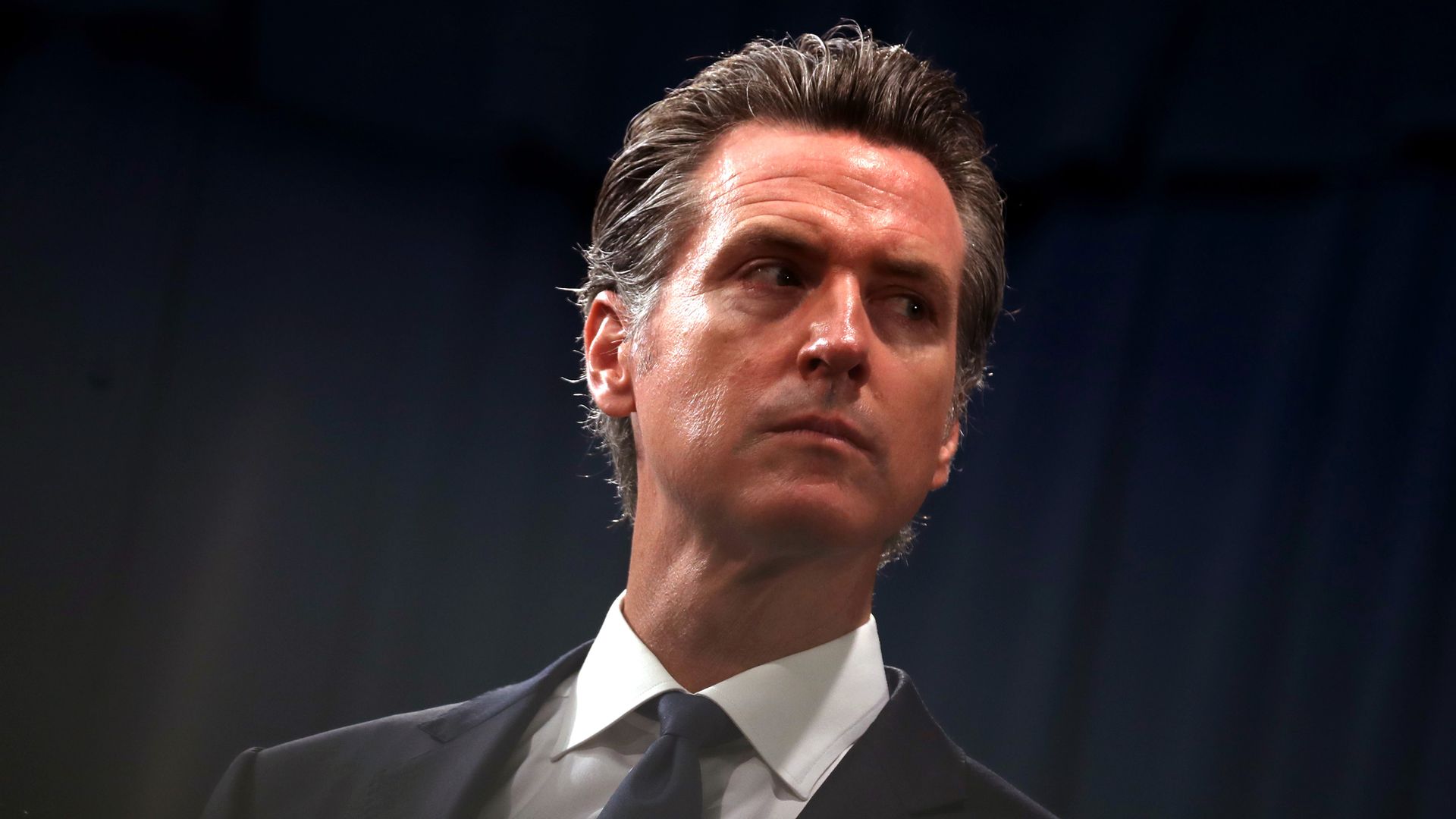
Gov. Gavin Newsom (D-Calif.) announced Monday that California will spend $20 million on an awareness campaign warning the public about vaping's dangers, AP reports.
The big picture: Vaping technologies for nicotine and cannabis have seen a sharp increase in popularity, but officials are concerned about the products' adverse effects. A recent surge in vaping-related illnesses caused the Center for Disease Control to release a statement last month broadly warning against the practice, specifically when using knockoff products.