Almost three-quarters of metropolitan areas had highly concentrated hospital markets in 2016, reflecting an era of rapid consolidation among hospital systems, according to a report from the Health Care Cost Institute.
Why it matters: The more hospitals that have monopolies or oligopolies in their markets, the higher the prices are for patients, which is reflected in the premiums everyone pays.
Air ambulance companies are selling memberships as assurance that if a patient needs their services, they won't get slammed with massive bills. But these subscription services have drawn national skepticism, Kaiser Health News reports.
Between the lines: Air ambulances often aren't covered by private insurance, and they're becoming more expensive at the same time that they're becoming more necessary in rural areas without access to emergency care.
Purdue Pharma's first bankruptcy hearing starts today, commencing a process that will attempt to resolve 2,600 lawsuits that accuse the OxyContin maker of instigating an opioid crisis that has killed tens of thousands of Americans.
The big picture: Purdue is using bankruptcy as a tool to expedite legal remedies, but many state and local governments are ready to sue the Sackler family owners beyond bankruptcy court, arguing the family doesn't deserve bankruptcy protection.
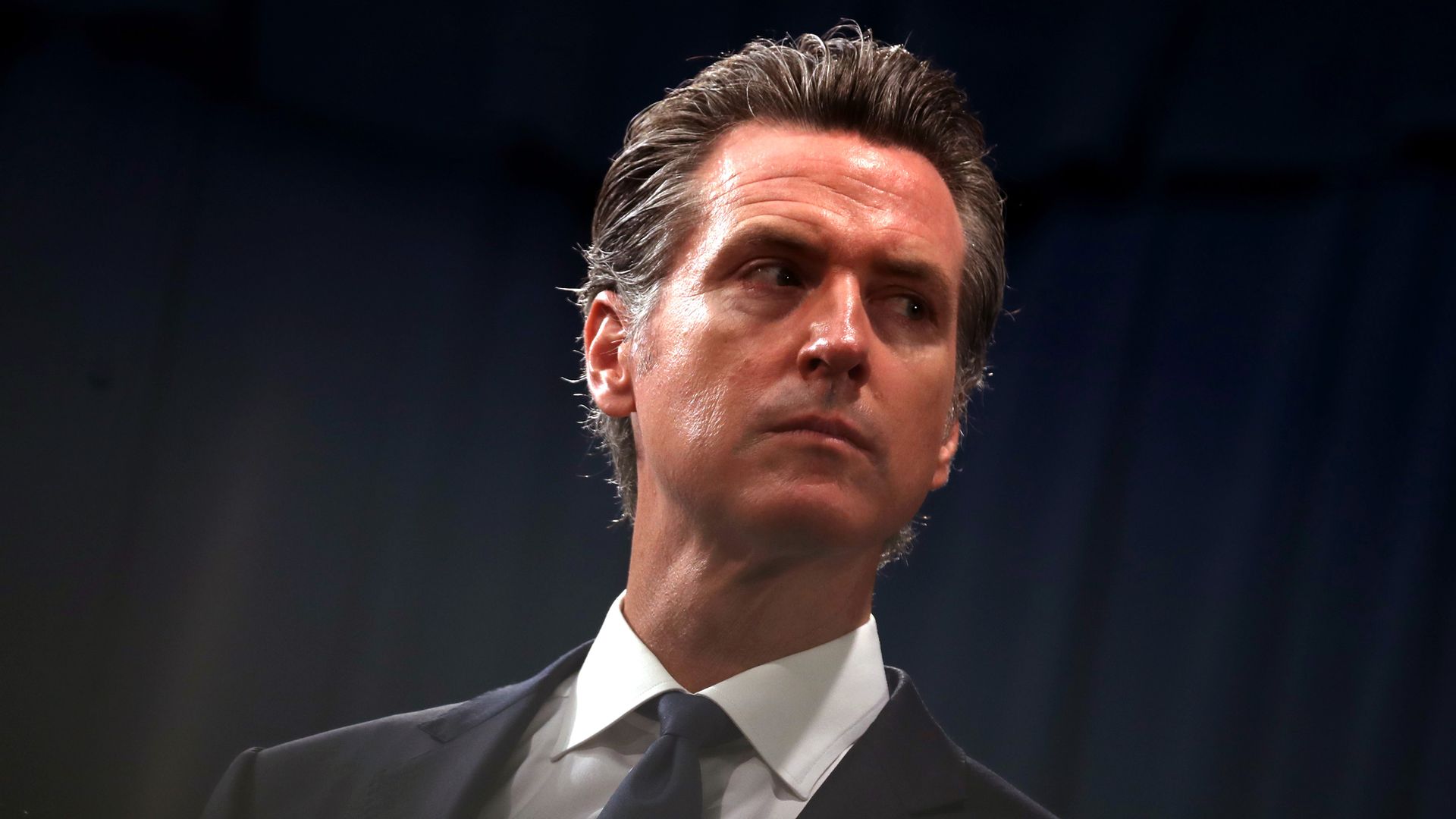
Gov. Gavin Newsom (D-Calif.) announced Monday that California will spend $20 million on an awareness campaign warning the public about vaping's dangers, AP reports.
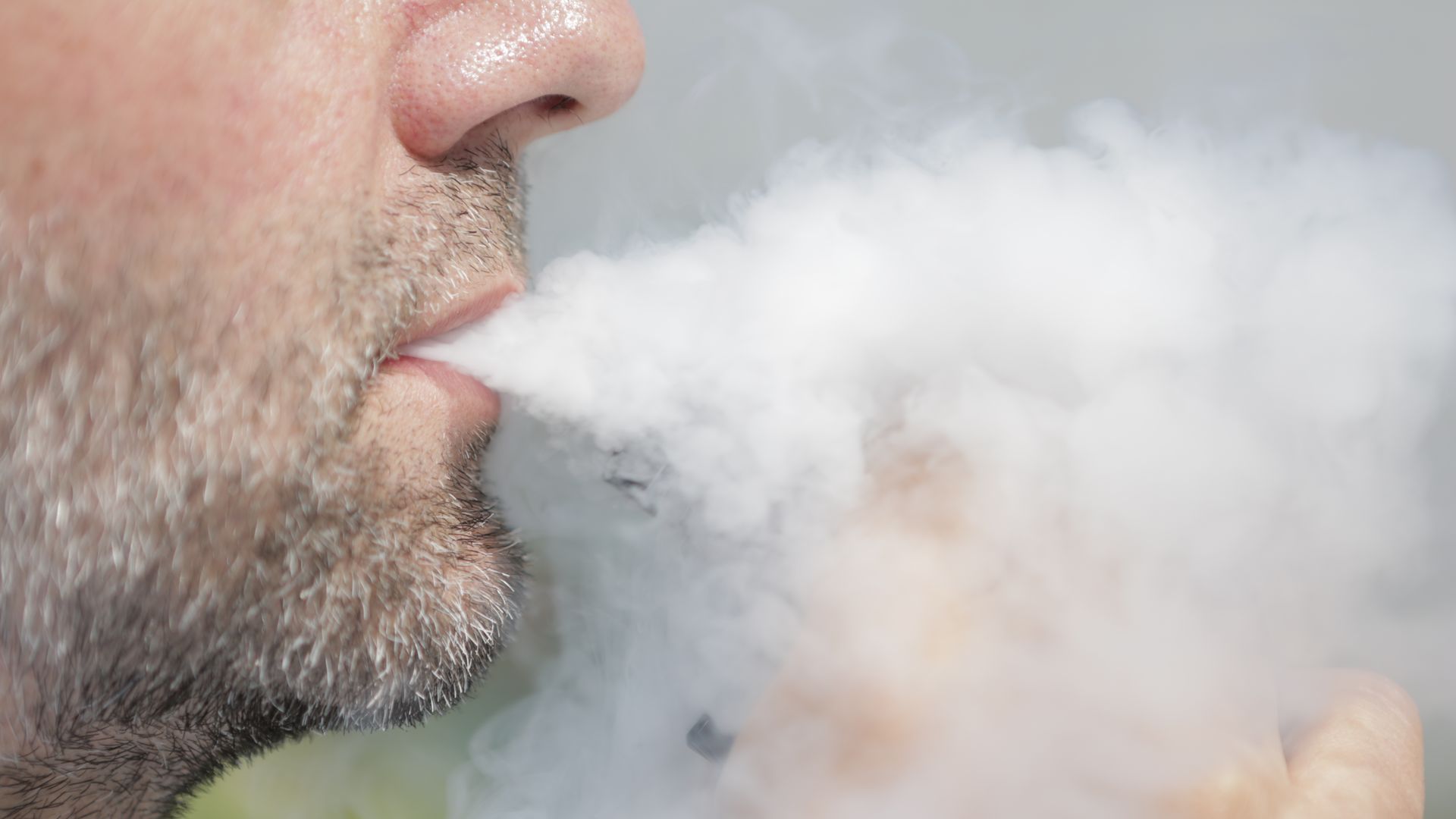
The big picture: Vaping technologies for nicotine and cannabis have seen a sharp increase in popularity, but officials are concerned about the products' adverse effects. A recent surge in vaping-related illnesses caused the Center for Disease Control to release a statement last month broadly warning against the practice, specifically when using knockoff products.
A new Los Angeles Times report details a painfully ironic contradiction: Vape users turning to cigarettes to cope with their nicotine addictions, challenging vapes' original purpose of helping cigarette users quit smoking altogether.
The big picture: As cigarette use has declined, e-cigarettes and vaping are seeing a sharp increase in popularity — but not without pushback. Just last week, Juul, a vaping technology, faced backlash from lawmakers for being advertised as less harmful than cigarettes without approval from the Food and Drug Administration.
No new cases of measles were reported the week of Sept. 6–12 to the Centers for Disease Control and Prevention for the first time since January.
Why it matters: Despite the milestone, public health officials warn that this does not mean the outbreak is over, particularly as other countries and 2 New York counties continue efforts to stem their outbreaks. Measles is an extremely contagious disease with harmful side effects that range from possible lowered immunity to other diseases to death, though infection is largely preventable via vaccination.
Go deeper: Read Axios' full coverage of the measles outbreak here.
Crooks are cashing in on the CBD craze by substituting cheap and illegal synthetic marijuana for natural CBD in vapes and edibles such as gummy bears, an AP investigation found.
The big picture: AP commissioned lab tests of 30 vape products sold as CBD around the country, with a focus on brands that authorities or users flagged as suspect. 10 of the 30 contained types of synthetic marijuana — drugs commonly known as K2 or spice that have no known medical benefits — while others had no CBD at all.
Physician staffing groups that generate large amounts of surprise medical bills are behind Doctor Patient Unity, the dark-money group running $28 million in ads against Congress' effort to crack down on surprise bills, the New York Times reports.
The two staffing groups, TeamHealth and Envision Healthcare, supply emergency room doctors, radiologists and anesthesiologists to hospitals — specialties that are among the most likely to be out-of-network for patients. Both groups are backed by private equity.
Health care expenses forced 8 million Americans into poverty in 2018, according to the Census Bureau.
The big picture: That's actually an improvement from the past several years, when an annual average of 11 million people fell into poverty because of medical costs — a reflection of the country's expensive system.