Prohibition is making a comeback to stop youths from vaping — and everyone from public schoolteachers to the medical community to the Trump family seems on board.
Driving the news: Wednesday, President Trump unexpectedly called reporters into the Oval Office where he — flanked by first lady Melania Trump — said he was exploring a ban on most flavors of e-cigarettes, the most popular brand being Juul.
Purdue Pharma has tentatively reached the first "global" settlement in the nationwide opioids lawsuit, the New York Times and AP report. The plaintiffs later confirmed this to Axios.
The big picture: The deal would reportedly result in the maker of OxyContin entering bankruptcy and the Sackler family owners paying $3 billion over 7 years, among other terms. Some states still aren't on board with the proposal and may pursue Purdue and the Sacklers further, NYT reports. But the first major deal appears imminent ahead of the scheduled October trial.
Health and Human Services Secretary Alex Azar announced Wednesday that the Food and Drug Administration is finalizing plans to pull all flavored e-cigarette cartridges from the market, leaving only the tobacco flavor, in an effort to discourage youth vaping.
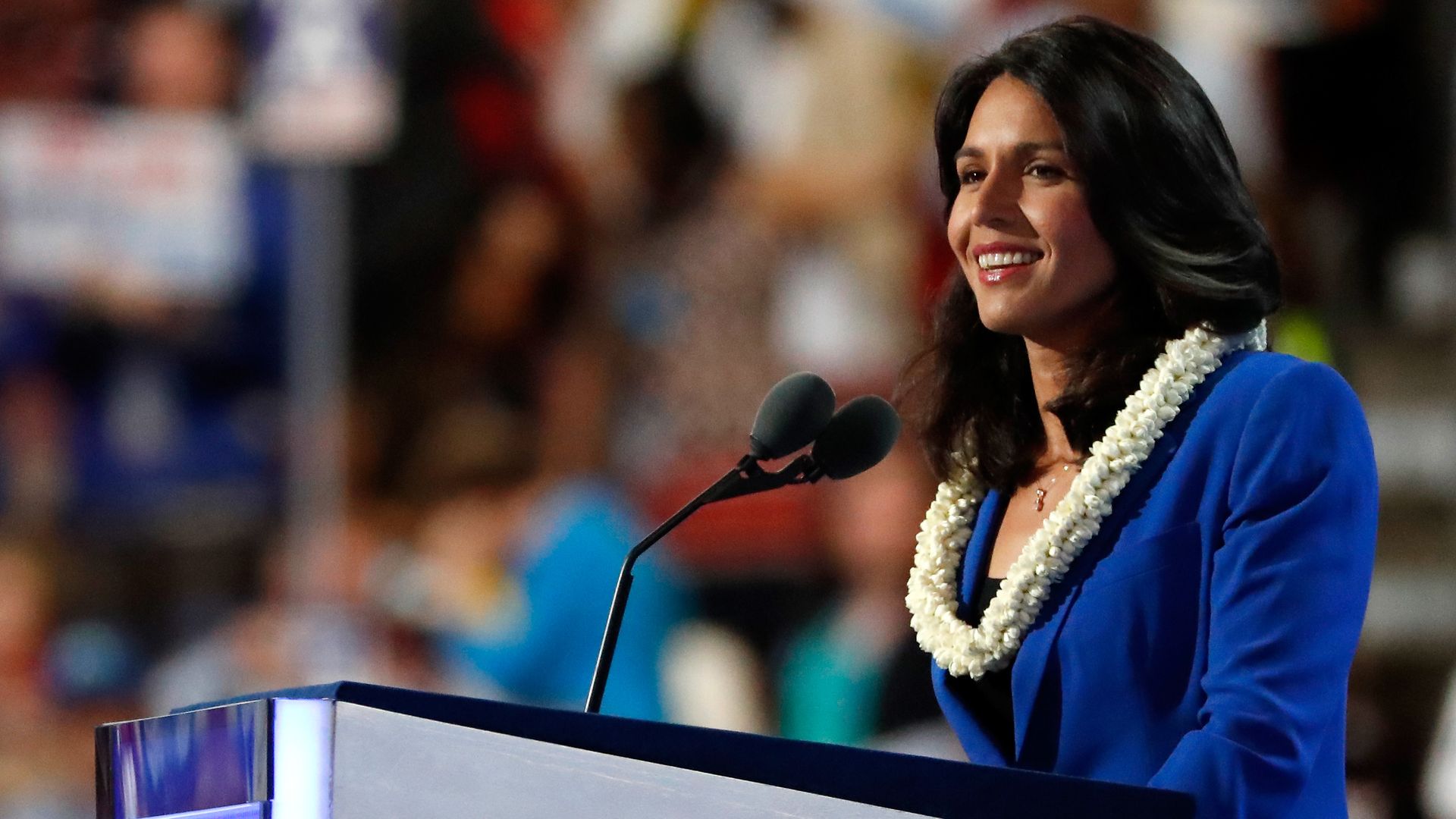
Rep. Tulsi Gabbard (D-Hawaii) is an Iraq War veteran who has bucked the Democratic establishment on a few high-profile occasions. During the 2016 primary, she resigned as vice chair of the DNC to throw her support behind Sen. Bernie Sanders. She also met with President Trump during his transition — and joined Republicans in promoting the use of the phrase "radical Islam."
Fighting fraud "is not a top priority" for major insurers, ProPublica reports, because they can just pass along the cost of wasteful spending to enrollees and employers.
Why it matters: Experts say fraud likely accounts for 10% of U.S. health costs. However, "private health insurers, who preside over some $1.2 trillion in spending each year, exhibit a puzzling lack of ambition when it comes to bringing fraudsters to justice," ProPublica's Marshall Allen writes.
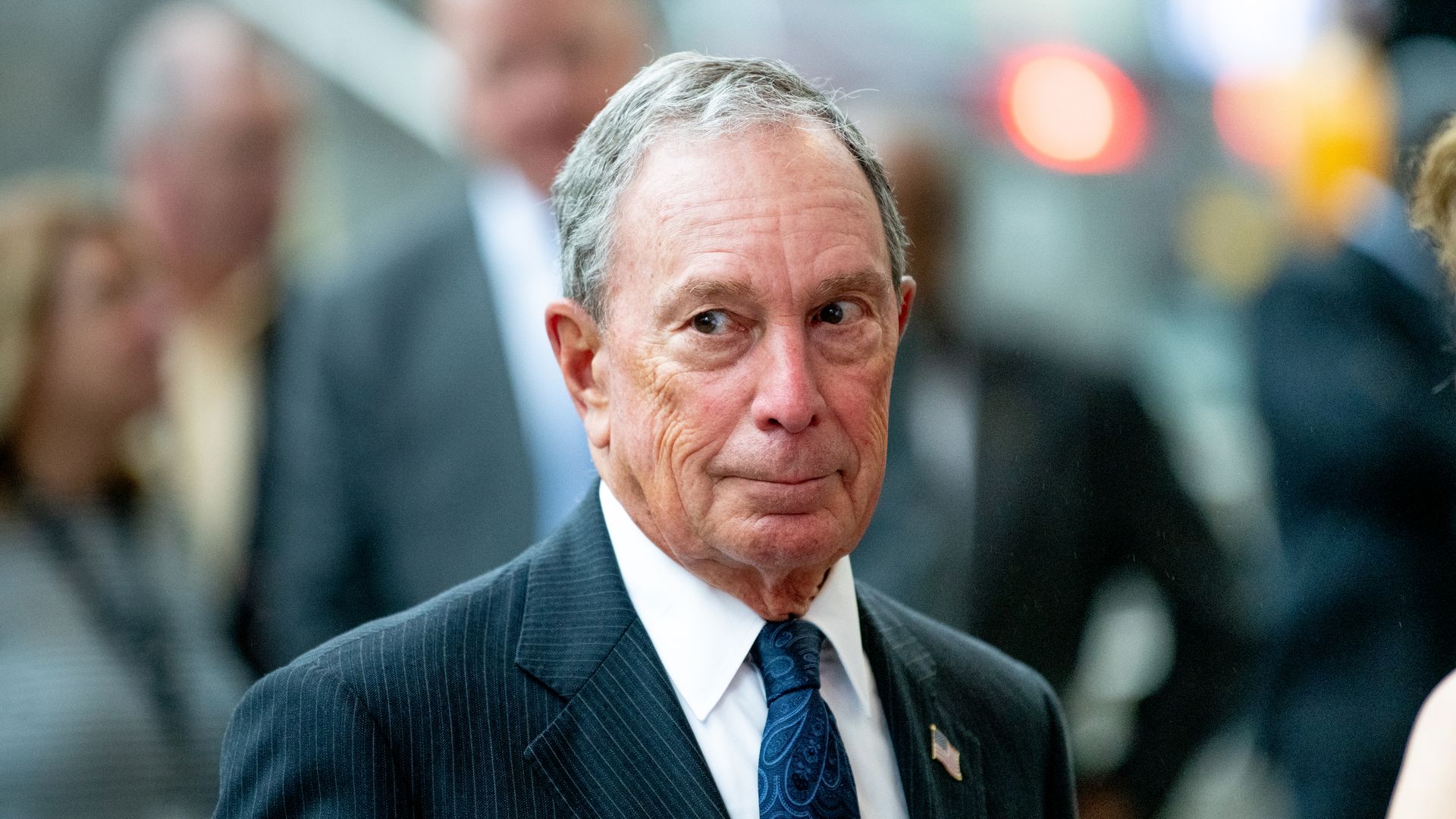
Billionaire and former New York City mayor Michael Bloomberg's philanthropic arm announced plans on Tuesday to spend $160 million over 3 years in an attempt to ban flavored e-cigarettes in the U.S., saying tobacco companies "are preying on America's youth."
Why it matters: Though Bloomberg Philanthropies has backed efforts to curb tobacco use around the world before, this is reportedly the organization's first time financing an anti-tobacco initiative in the U.S., per the Washington Post. The pledge follows state and federal investigations into multiple deaths from an unknown lung illness linked to vaping.
Roughly 27.5 million people, or 8.5% of the U.S. population, had no health insurance at some point in 2018, according to new figures from the Census Bureau.
Why it matters: Last year's uninsured rate increased from 7.9% in 2017 — the first time the uninsured rate has gone up since the Affordable Care Act has been in effect.
A draft of House Speaker Nancy Pelosi's drug pricing plan obtained by Bloomberg Law confirms that she's working on an aggressive proposal that would give the government vast new authority.
Between the lines: The proposal would give Medicare the authority to negotiate the prices of 250 drugs, limit how high these prices could be based on how much other countries pay, and establish harsh penalties for drugmakers who refuse to comply.
Air ambulances have become a lucrative business over the last few decades, at patients' expense, fueled by private equity and aided by the industry's relationships with providers, John Hopkins' Marty Makary writes in a new book out today.
Why it matters: The rise of the air ambulance industry has resulted in massive surprise medical bills and a spike in unnecessary use.