President Trump proposed a ban on all flavored e-cigarettes on Wednesday, including those from market leader Juul. Dan digs in with Axios Vitals editor Caitlin Owens.
Yesterday's announcement of President Trump's intentions to ban all flavored e-cigarette products from U.S. markets, even if sold online or in smoke shops, creates massive complications for the proposed merger between tobacco giants Altria and Philip Morris.
Why it matters: Both companies have made major moves into e-cigarettes, which they view as the best way to remain viable in a U.S. market that has moved away from combustible products. The ban could shake the merger.
Purdue Pharma is very close to a settlement with states, cities, counties and Native American tribes over its role in fueling the opioid epidemic — but part of the settlement puts those governments in an awkward position.
Driving the news: A major part of the proposed settlement would involve Purdue declaring bankruptcy and the Sackler family members conceding ownership.
Prohibition is making a comeback to stop youths from vaping — and everyone from public schoolteachers to the medical community to the Trump family seems on board.
Driving the news: Wednesday, President Trump unexpectedly called reporters into the Oval Office where he — flanked by first lady Melania Trump — said he was exploring a ban on most flavors of e-cigarettes, the most popular brand being Juul.
Purdue Pharma has tentatively reached the first "global" settlement in the nationwide opioids lawsuit, the New York Times and AP report. The plaintiffs later confirmed this to Axios.
The big picture: The deal would reportedly result in the maker of OxyContin entering bankruptcy and the Sackler family owners paying $3 billion over 7 years, among other terms. Some states still aren't on board with the proposal and may pursue Purdue and the Sacklers further, NYT reports. But the first major deal appears imminent ahead of the scheduled October trial.
Health and Human Services Secretary Alex Azar announced Wednesday that the Food and Drug Administration is finalizing plans to pull all flavored e-cigarette cartridges from the market, leaving only the tobacco flavor, in an effort to discourage youth vaping.
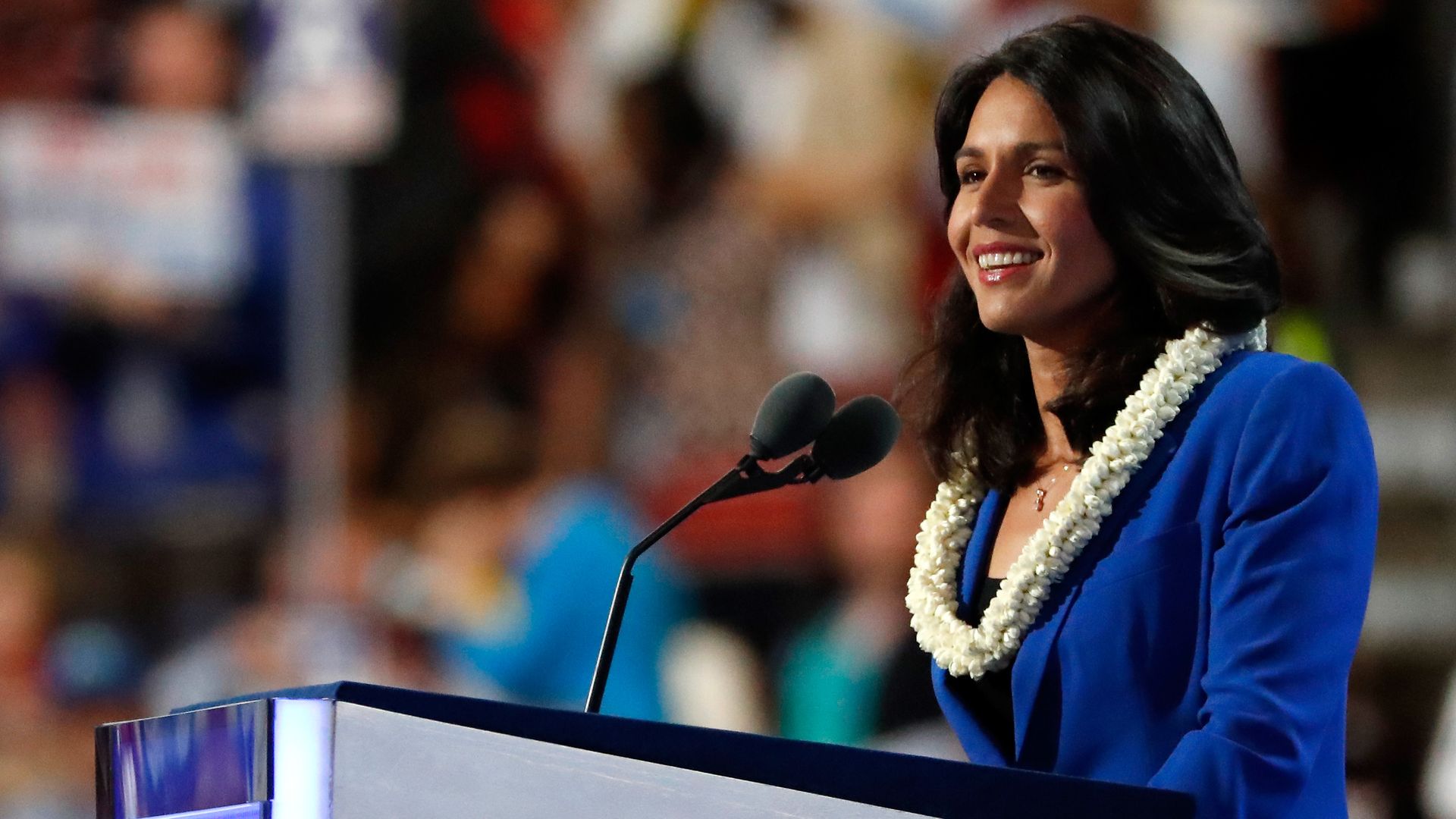
Rep. Tulsi Gabbard (D-Hawaii) is an Iraq War veteran who has bucked the Democratic establishment on a few high-profile occasions. During the 2016 primary, she resigned as vice chair of the DNC to throw her support behind Sen. Bernie Sanders. She also met with President Trump during his transition — and joined Republicans in promoting the use of the phrase "radical Islam."
Fighting fraud "is not a top priority" for major insurers, ProPublica reports, because they can just pass along the cost of wasteful spending to enrollees and employers.
Why it matters: Experts say fraud likely accounts for 10% of U.S. health costs. However, "private health insurers, who preside over some $1.2 trillion in spending each year, exhibit a puzzling lack of ambition when it comes to bringing fraudsters to justice," ProPublica's Marshall Allen writes.