The Ebola outbreak in the Democratic Republic of the Congo now has 7 hotspots and is considered to have an increased risk of spread within DRC and neighboring countries, the World Health Organization said in an update on Thursday.
What's new: WHO expects case numbers to continue rising due to the inability to reach all hotspot areas and the persistent pockets of community resistance that cause people to either not go to Ebola treatment centers or go after the infection is too advanced. 68% of deaths were of people not in an ETC, and the disease overall has had a 66% fatality rate, WHO said.
Hedge funds and short sellers are raising their bets that lawsuits against pharmaceutical companies will drive down their stock prices and maybe even put them out of business.
The intrigue: Data from S3 Partners provided exclusively to Axios shows bets against biotech and pharmaceutical companies have risen 12% since the beginning of the year to nearly $62 billion of short interest.
A bipartisan group of senators release the latest proposal to protect patients from surprise hospital bills on Thursday, only 2 days after the House Energy and Commerce Committee leaders released theirs.
The bottom line: Like most other proposals, the bill would protect patients from receiving out-of-network bills in emergencies, or when receiving scheduled care from out-of-network doctors at in-network facilities.
The Trump administration is considering requiring insurers to disclose their negotiated rates for services, which could affect insurers in the private market, the WSJ scooped yesterday.
Details: The White House also wants providers to tell patients the total cost of their care before they get the service, regardless of whether the provider is in the patients' insurance network.
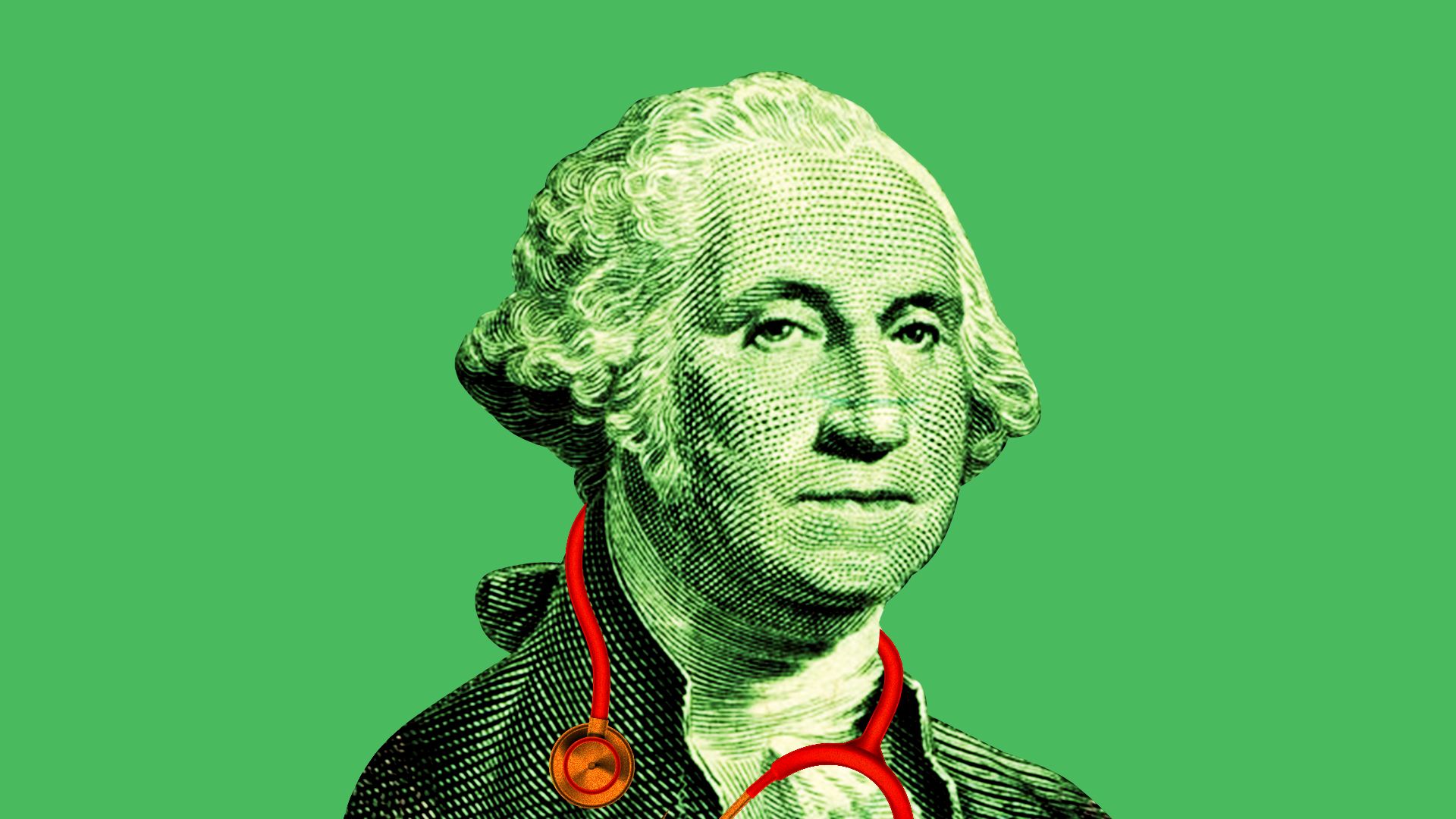
The chief executives of 177 health care companies collectively made $2.6 billion in 2018 — roughly $700 million more than what the National Institutes of Health spent researching Alzheimer's disease last year, according to a new Axios analysis of financial filings.
Why it matters: The pay packages reveal the health care system's real incentives: finding ways to boost revenue and stock value by raising prices, filling more hospital beds, and selling more drugs and devices.
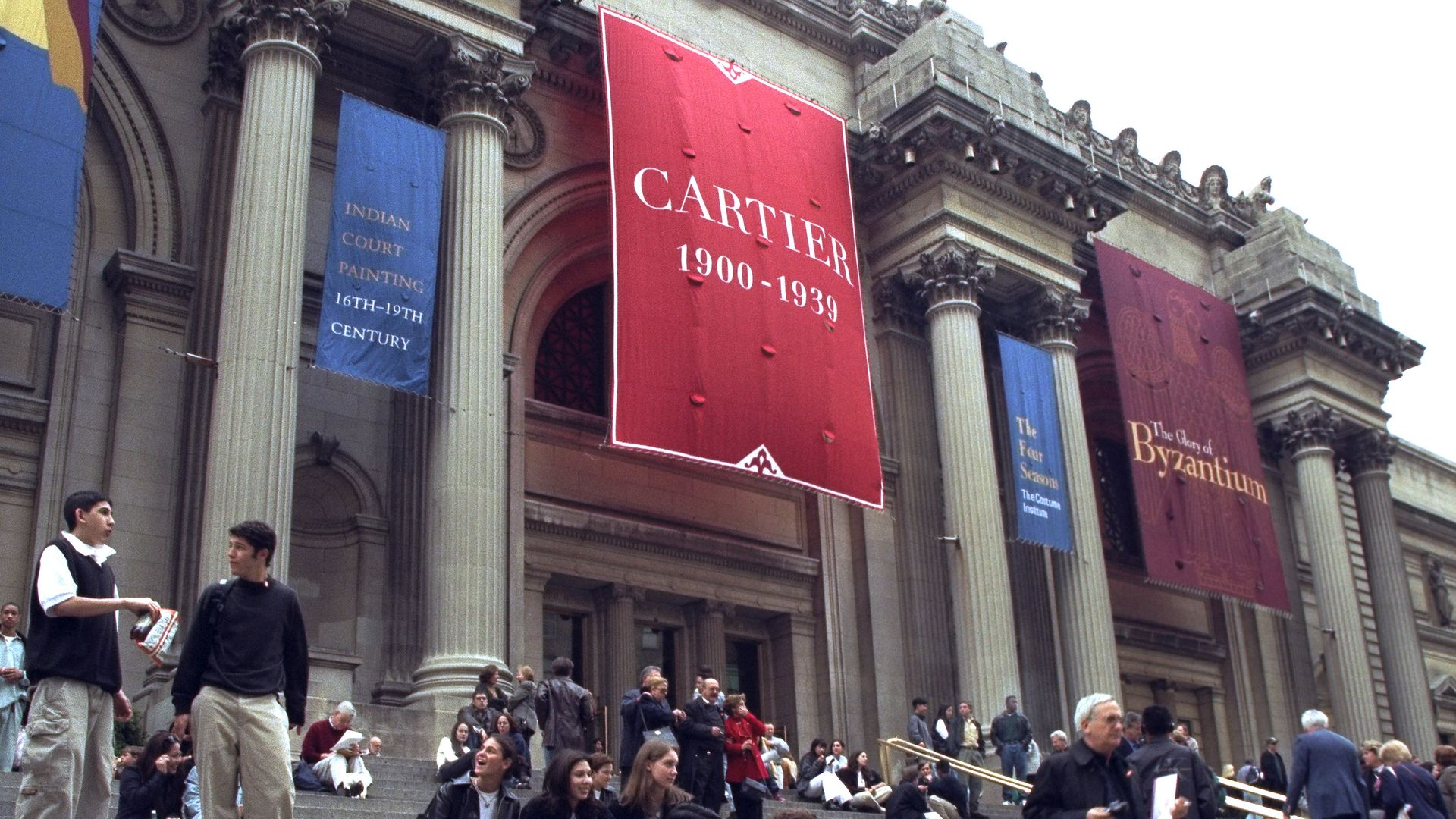
New York City's Metropolitan Museum of Art announced on Wednesday after months of consideration that the institution will no longer accept gifts from members of the Sackler family — the dynasty behind Purdue Pharma, the New York Times reports.
Why it matters: This action cuts ties between "one of the world's most prestigious museums and one of its most prolific philanthropic dynasties," the Times points out. In 1996, Purdue introduced the market to the opioid OxyContin, one of the painkillers seen as responsible for the opioid crisis. The Met's affiliation with the Sacklers extends back decades with millions of donated dollars to show for it.
Wednesday morning, Axios hosted a conversation on health care's biggest challenges, including the opioid crisis, and how to tackle them. We spoke with Sen. Bill Cassidy (R-La.), Sen. Joe Manchin (D-W. Va.), chief medical officer at HHS Vanila Singh and Huntington, West Virginia, Mayor Steve Williams.
A lawsuit filed yesterday by AIDS activists and unions alleges that Gilead conspired with other drug companies to block generic competition in the HIV market, Stat News reports.
Backdrop: "Combination cocktails" are often used to treat HIV, and they consist of fixed doses of medications made by different drugmakers.
The Democratic and Republican leaders of the House Energy and Commerce Committee yesterday released draft legislation to protect patients from surprise hospital bills.
The bottom line: For emergency services, patients would only be responsible for what they would pay for in-network care.
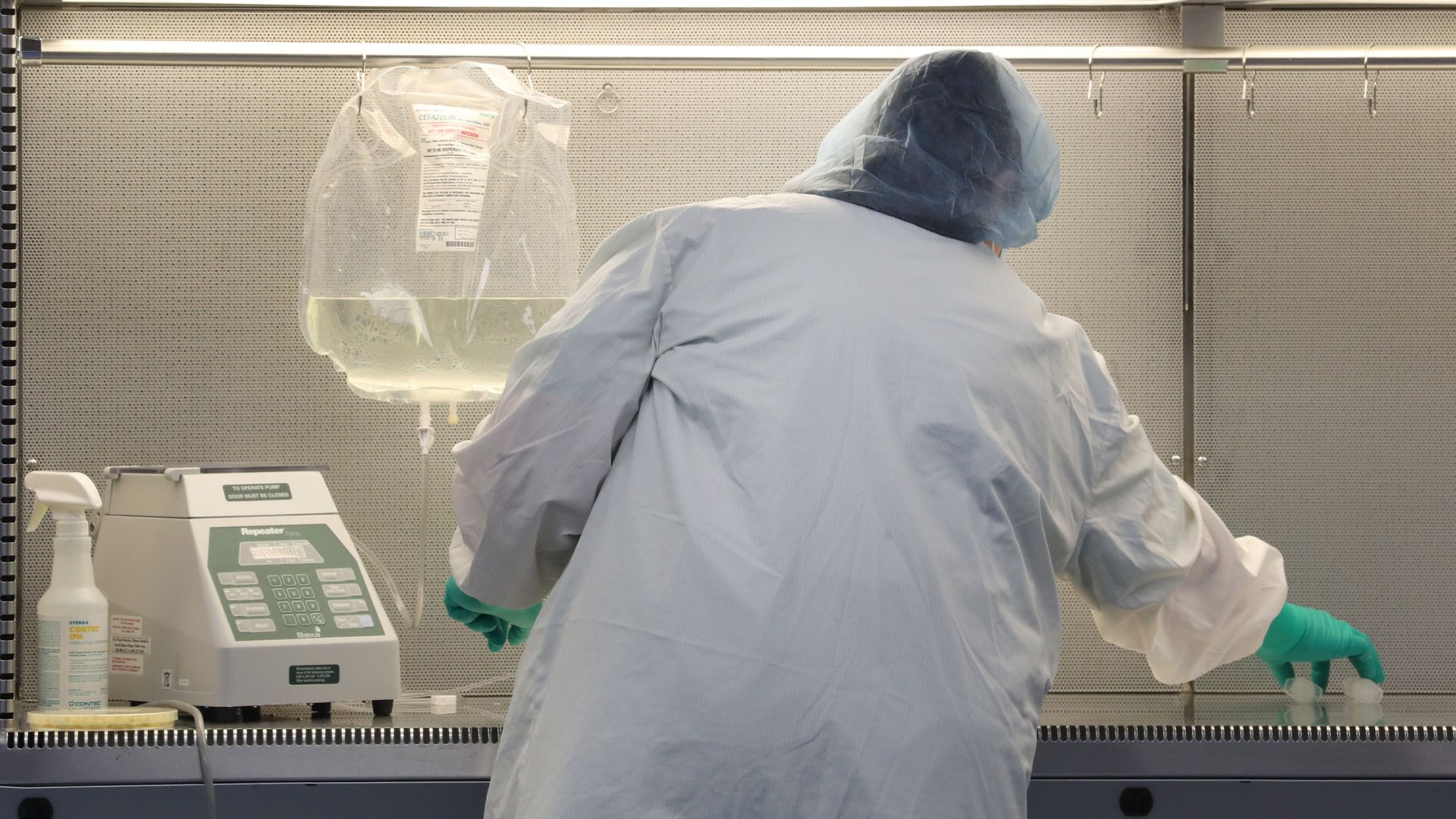
The U.S. is facing a series of potentially devastating health care threats — some within the next decade, and some that have already manifested as a part of everyday life.
Between the lines: As Washington struggles with staggering hospital bills and prescription drug costs, society also faces even more difficult problems fueled by the aging population, the economics of health care and the rise of drug-resistant infections.
Civica Rx, the hospital-funded generic drug company, has signed an agreement with drugmaker Xellia Pharmaceuticals to make and supply the IV antibiotics vancomycin and daptomycin.
Why it matters: Civica is taking its first concrete step toward addressing drug shortages and high-priced generics, which will benefit patients within the 900 hospitals that are part of the nonprofit company as well as patients within the VA, which is partnering with Civica.








/2019/05/14/1557867080686.gif?w=3840)