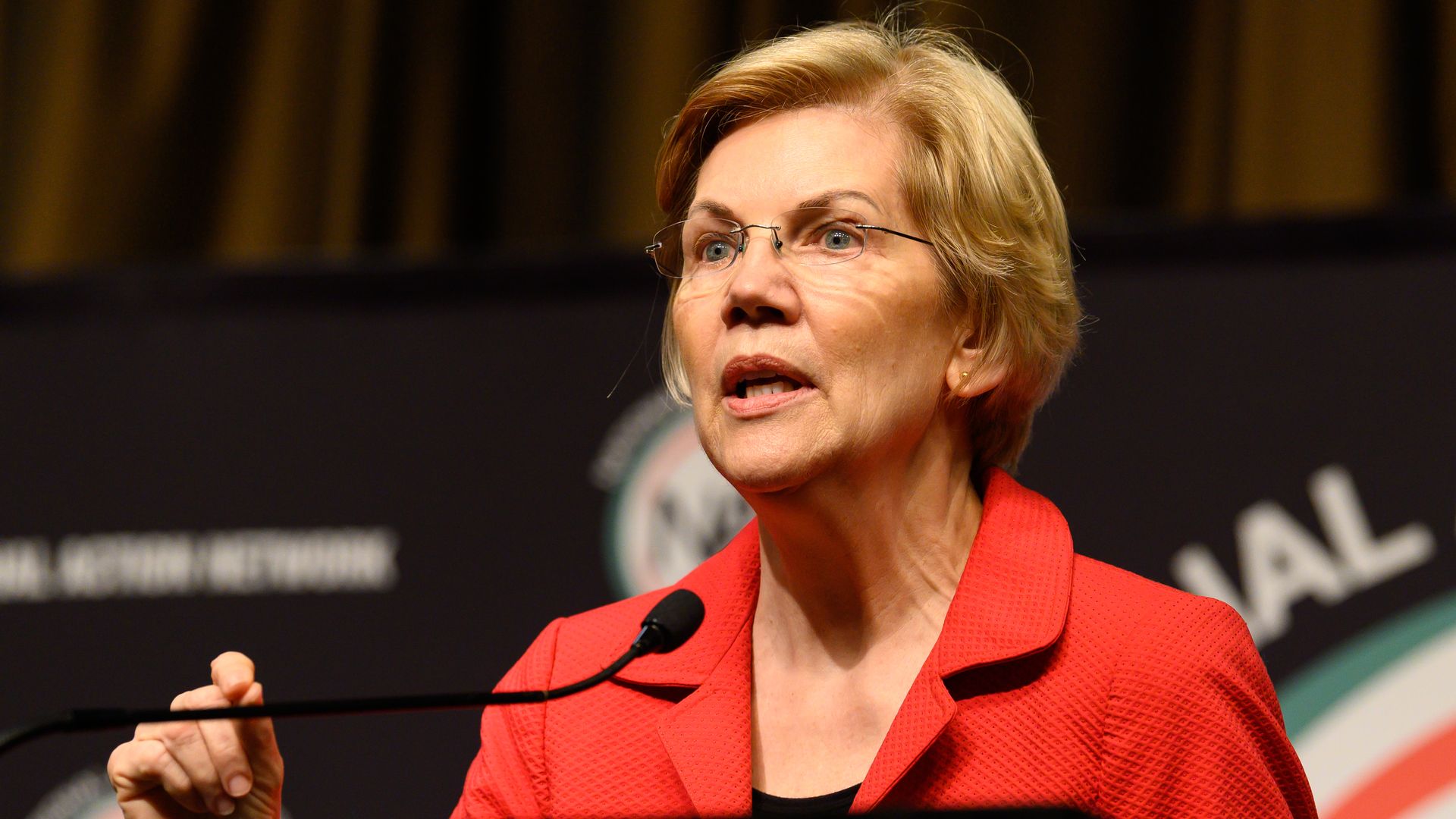
2020 Democratic candidate Sen. Elizabeth Warren (D-Mass.) released a new campaign proposal Wednesday that would allot $100 billion over the next decade to fight the opioid crisis.
Why it matters: Warren's cash-heavy idea, which would be funded by her proposed wealth tax on America's top earning individuals and companies, aligns with what experts told Congress last year — no amount of money used to combat the opioid crisis is too much.
The Trump administration finalized a rule Wednesday that will require pharmaceutical companies to post the list prices of their drugs in TV commercials.
Why it matters: The drug industry may sue to block the rule, and many people are skeptical that publishing prices in ads would help patients or successfully shame drugmakers into lowering their prices. But the rule is another sign of bipartisan pressure against the industry and a step toward more transparency.
A new gene therapy made by Novartis is about to come to market with a potential price tag of $2 million, the Wall Street Journal reports.
Details: The drug, Zolgensma, has the potential to cure spinal muscular atrophy, an inherited disease that often kills babies before their second birthday.
Philadelphia District Attorney Larry Krasner, one of the most progressive district attorneys in the country, told "Axios on HBO" that he is "very close" to implementing a policy that would relax the penalties for drug possession laws.
Why it matters: This would be one of the first policies of its kind in the U.S. If it leads to more cities adopting similar policies addressing drug possession offenses with treatment instead of incarceration, it could fundamentally change the nation's approach to addiction and the war on drugs.
People with major medical illnesses are having serious problems paying for the health care they need — a crisis that is flying under the radar while attention is focused on hot policy issues like the Affordable Care Act and "Medicare for All."
The big picture: A survey by the Kaiser Family Foundation and the Los Angeles Times shows that a strikingly large share of people with serious medical conditions are struggling to pay their medical bills, often wreaking havoc with their family budgets and causing them to cut back on care.
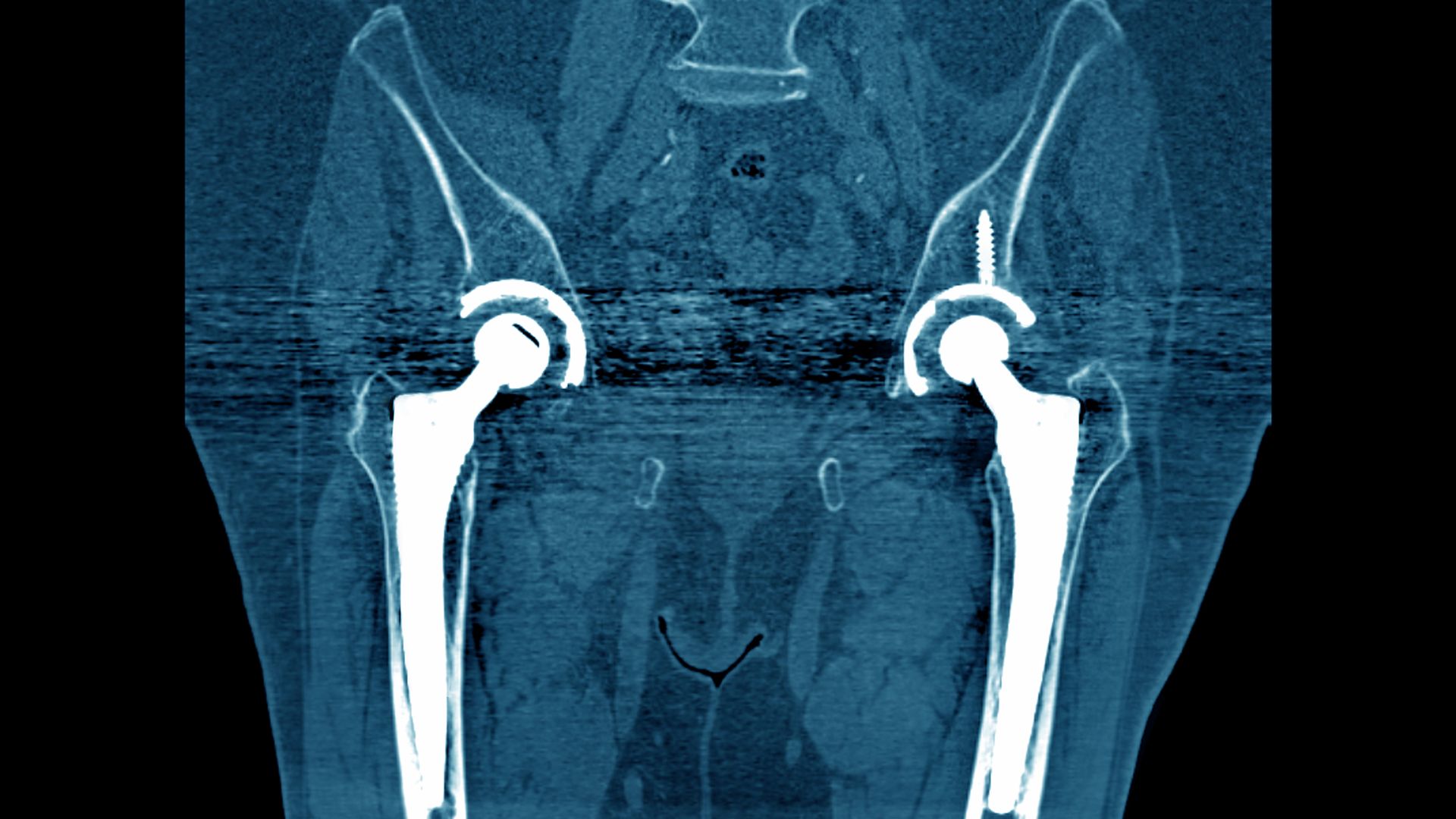
Johnson & Johnson plans on paying out $1 billion to settle almost all patient lawsuits involving its all-metal hip implants, although the health care giant still faces other lawsuits related to its other hip implants, Bloomberg reports.
The big picture: The hip settlements are just the tip of the legal iceberg for J&J, which also is facing high-profile litigation over its baby powder, pelvic mesh implants and opioids.
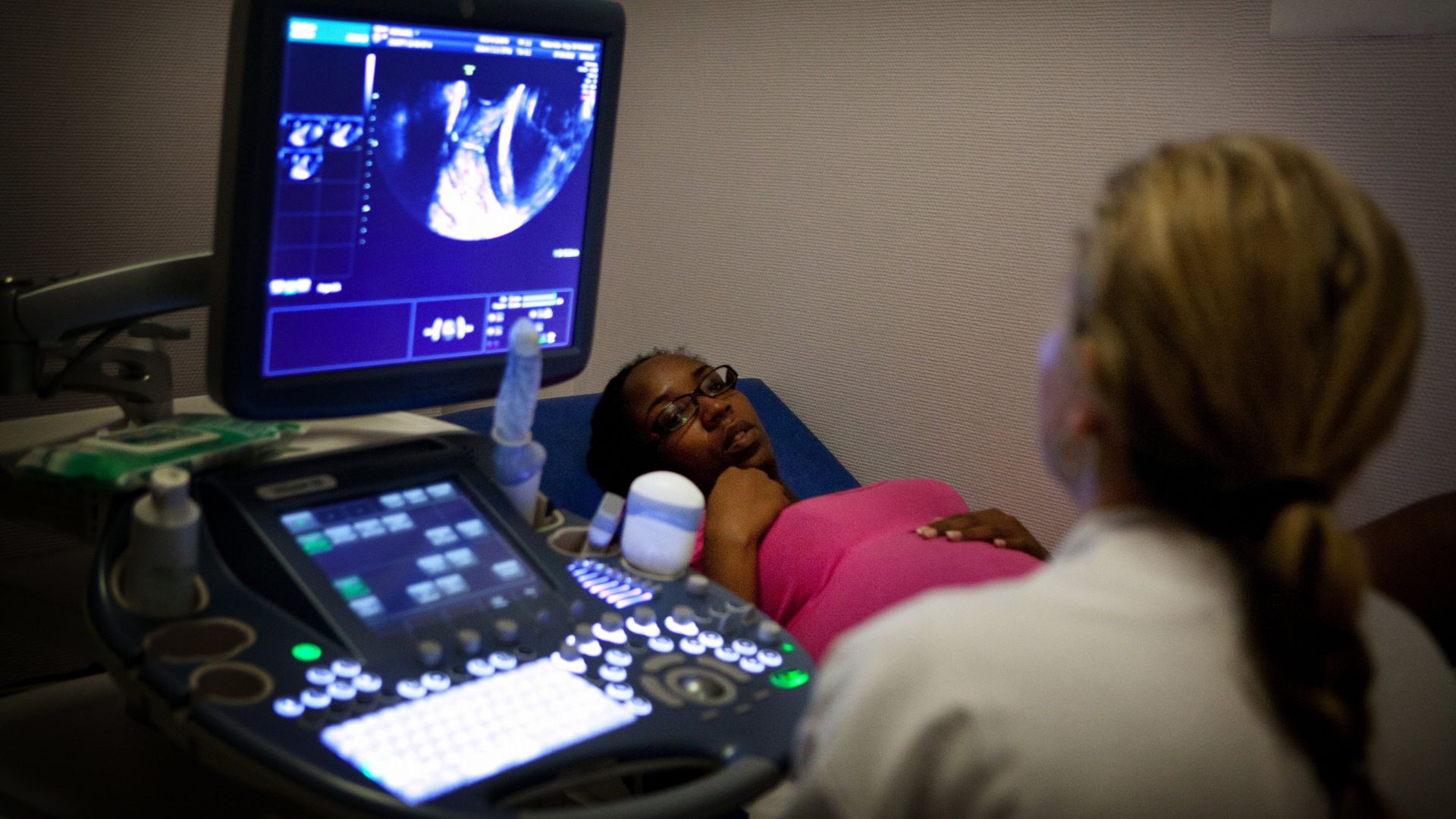
60% of U.S. deaths from pregnancy-related complications were found to be preventable, the CDC announced Tuesday.
Why it matters: Public health officials have been grappling with the knowledge that the U.S. continues to have one of the highest maternal death rates despite being one of the biggest economies in the world. It also has an implicit racial bias as black and American Indian/Alaska Native women were 3 times more likely to die than white women.
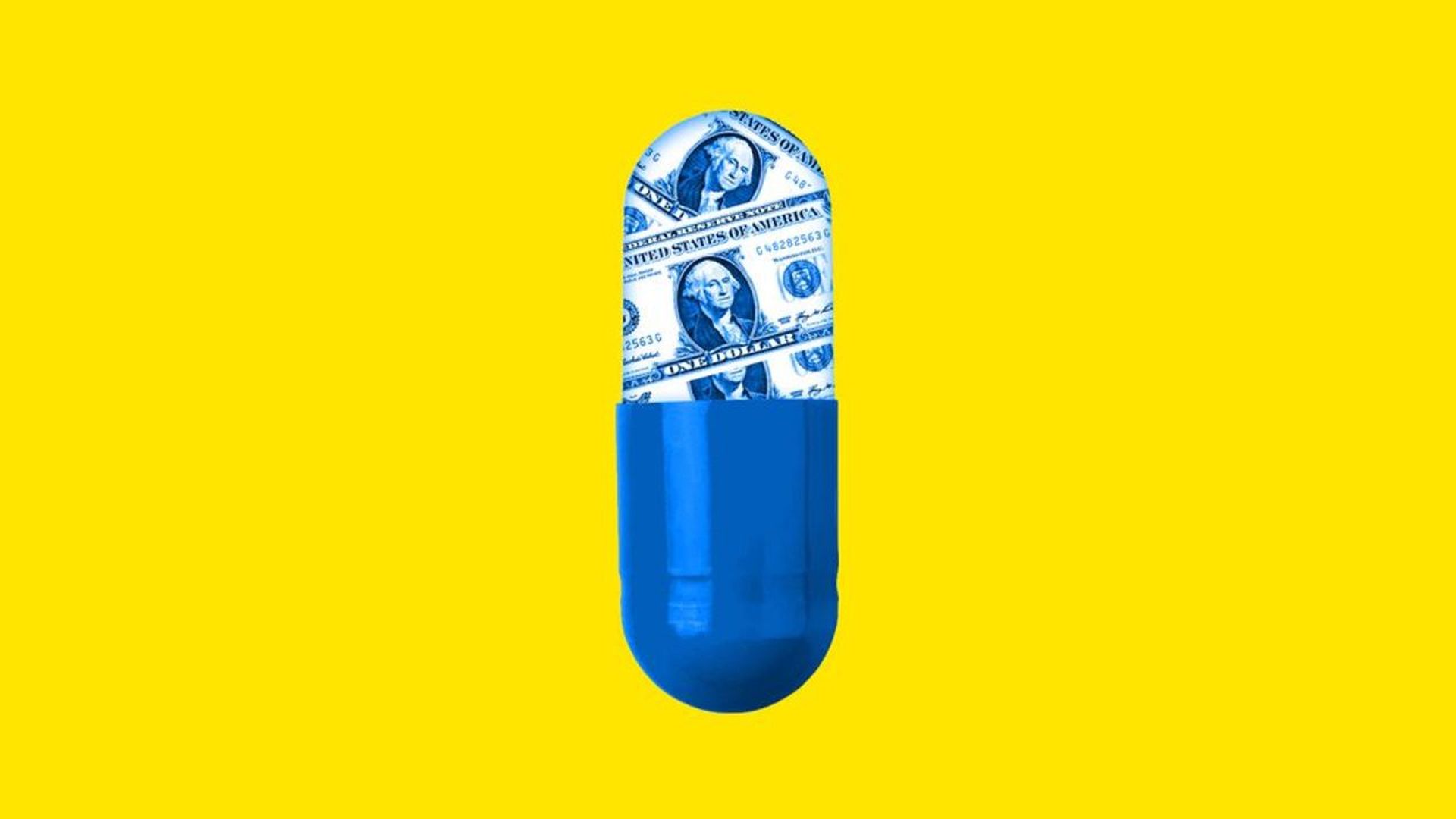
Medicare could have saved almost $80 billion, just in 2018, by matching the U.K.'s prices for prescription drugs that don't have any competition, according to a new study released in Health Affairs yesterday.
Why it matters: Medicare's drug benefit was designed to keep prices in check through competition. But competition doesn't always exist, and the U.S. doesn't have many options to keep prices down in those cases.