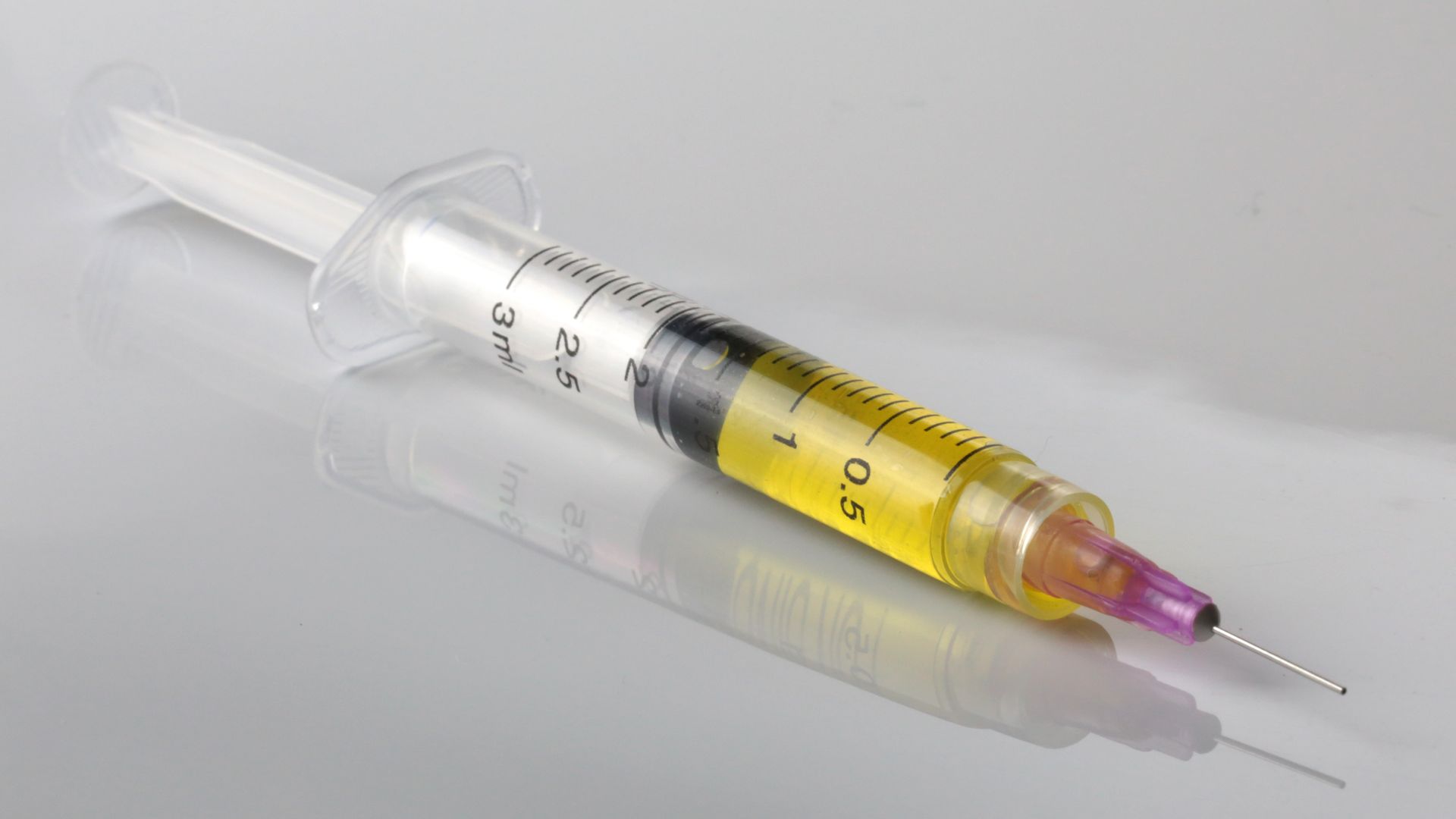
Gov. Jay Inslee (D-Wash.) signed a bill on Friday prohibiting parents from claiming personal or philosophical exemptions for measles vaccines for children, reports the AP.
The big picture: Some states are trying to curb the measles outbreak by limiting vaccination exemptions. Oregon and California are both considering legislation that would also limit the exemptions. At least 8 states have considered removing personal exemptions for vaccines this year, but 17 allow personal and philosophical vaccine exemptions.
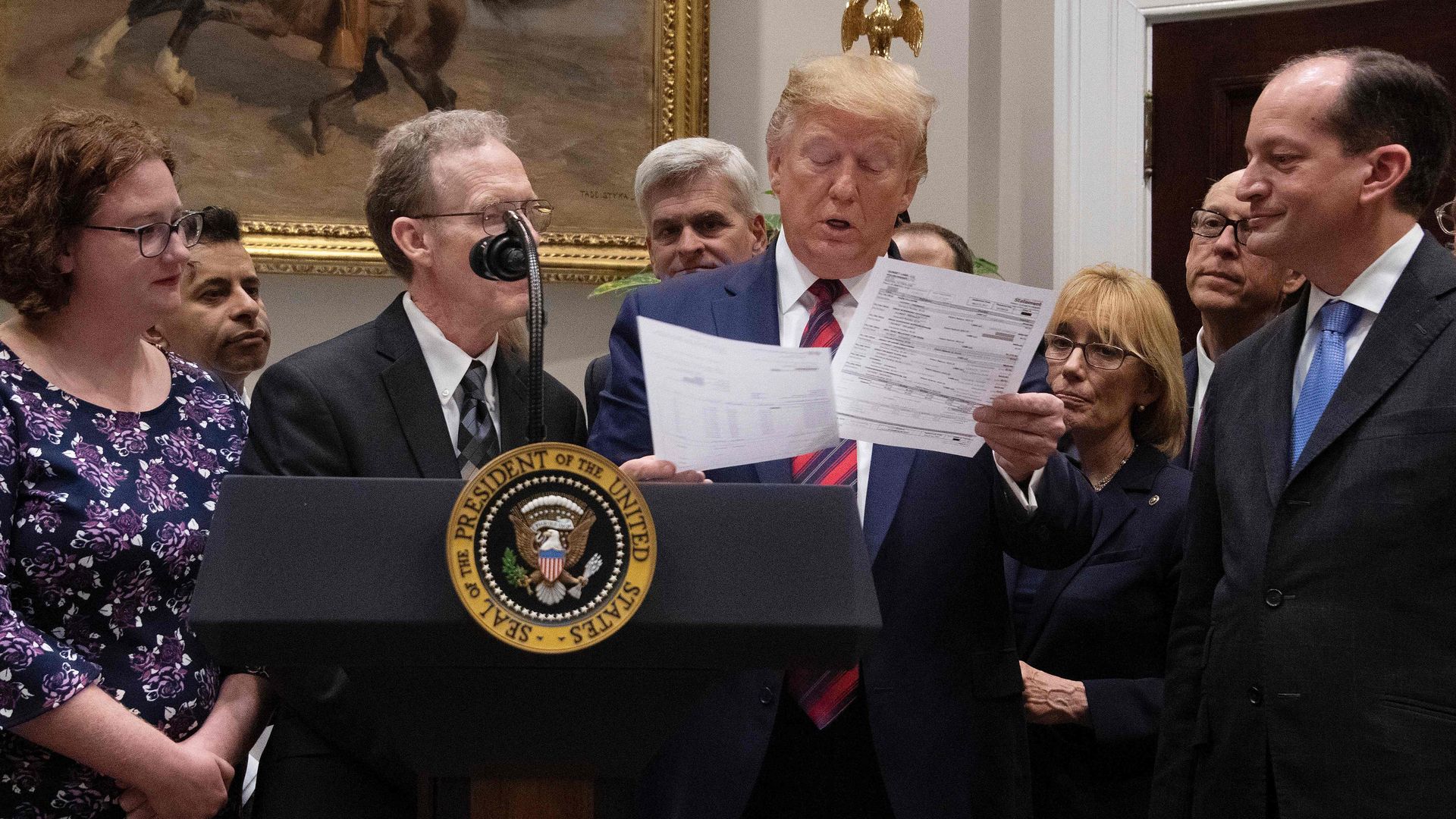
The White House said yesterday that it wants Congress to pass legislation protecting patients from receiving surprise medical bills after they visit the emergency room or unknowingly receive care from providers not covered by their insurance.
Between the lines: While the White House declined to say how it wanted billing disputes between insurers and providers resolved, it said that it's not enthusiastic about an arbitration process, which some industry groups favor.
The U.S. scientific community is slowly chipping away at the lack of diversity seen in medical research, but it still has a long way to go, experts tell Axios.
Why it matters: "We are not a nation of white men," LA BioMed's David Meyer says. Because race and ethnicity sometimes play a role in how people develop diseases or react to medications, it's important in this age of "personalized medicine" to expand research to include people of color, the elderly, poorer communities, and those in the LGBTQ community.
The White House said Thursday that it wants Congress to pass legislation protecting patients from receiving surprise medical bills after they visit the emergency room or unknowingly receive care from providers not covered by their insurance.
Between the lines: While the White House declined to say how it wanted billing disputes between insurers and providers resolved, it said that it's not enthusiastic about an arbitration process, which some industry groups favor.
McKesson dropped an interesting nugget in its earnings call yesterday: The drug distributor expects to spend $150 million defending itself in state and national opioids lawsuits in its 2021 fiscal year, which starts next March, up from more than $100 million this year.
Between the lines: $150 million is a rounding error for McKesson, which handled $214 billion of revenue last year. But the company is essentially breaking even these days, and those legal costs could go up by billions of dollars if a settlement is reached.
The Trump administration's newly finalized rules requiring drugmakers to include prices in their TV ads could spark a flurry of lawsuits — first to challenge the rules, and then to enforce them.
Between the lines: If the rule survives the legal challenges that may be coming its way, there are still plenty of questions about whether it'll actually help lower drug prices.