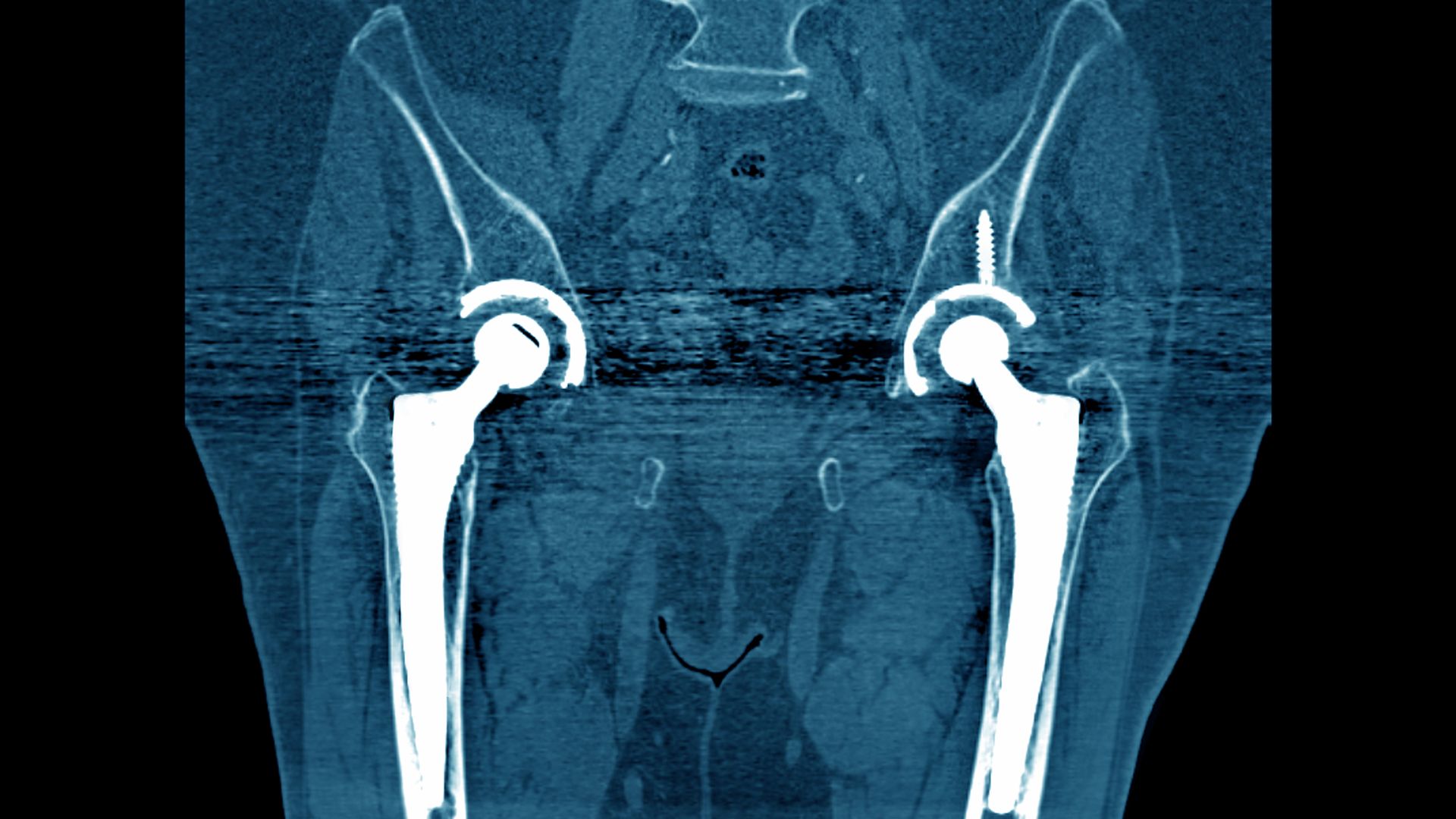
Johnson & Johnson plans on paying out $1 billion to settle almost all patient lawsuits involving its all-metal hip implants, although the health care giant still faces other lawsuits related to its other hip implants, Bloomberg reports.
The big picture: The hip settlements are just the tip of the legal iceberg for J&J, which also is facing high-profile litigation over its baby powder, pelvic mesh implants and opioids.
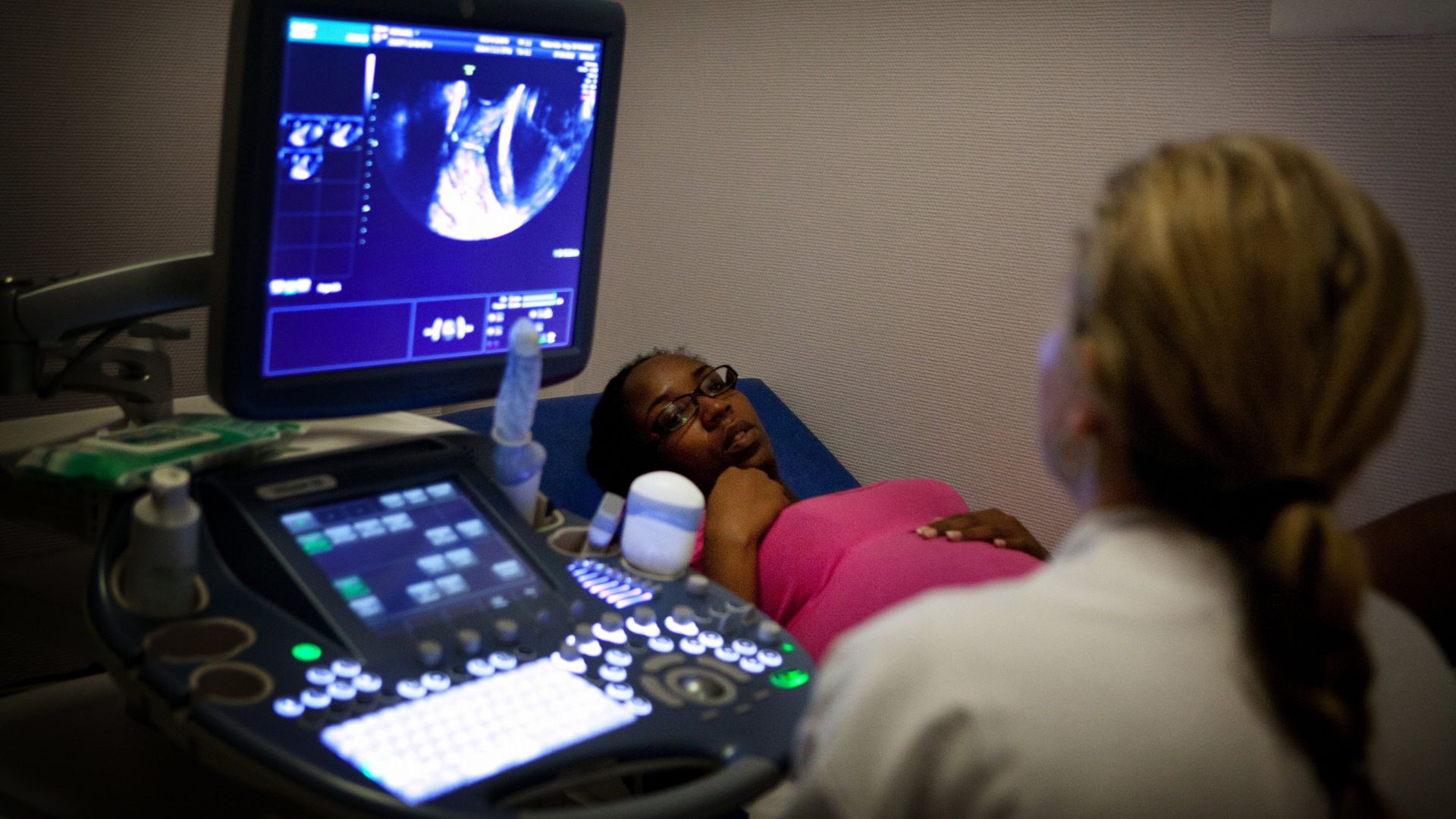
60% of U.S. deaths from pregnancy-related complications were found to be preventable, the CDC announced Tuesday.
Why it matters: Public health officials have been grappling with the knowledge that the U.S. continues to have one of the highest maternal death rates despite being one of the biggest economies in the world. It also has an implicit racial bias as black and American Indian/Alaska Native women were 3 times more likely to die than white women.
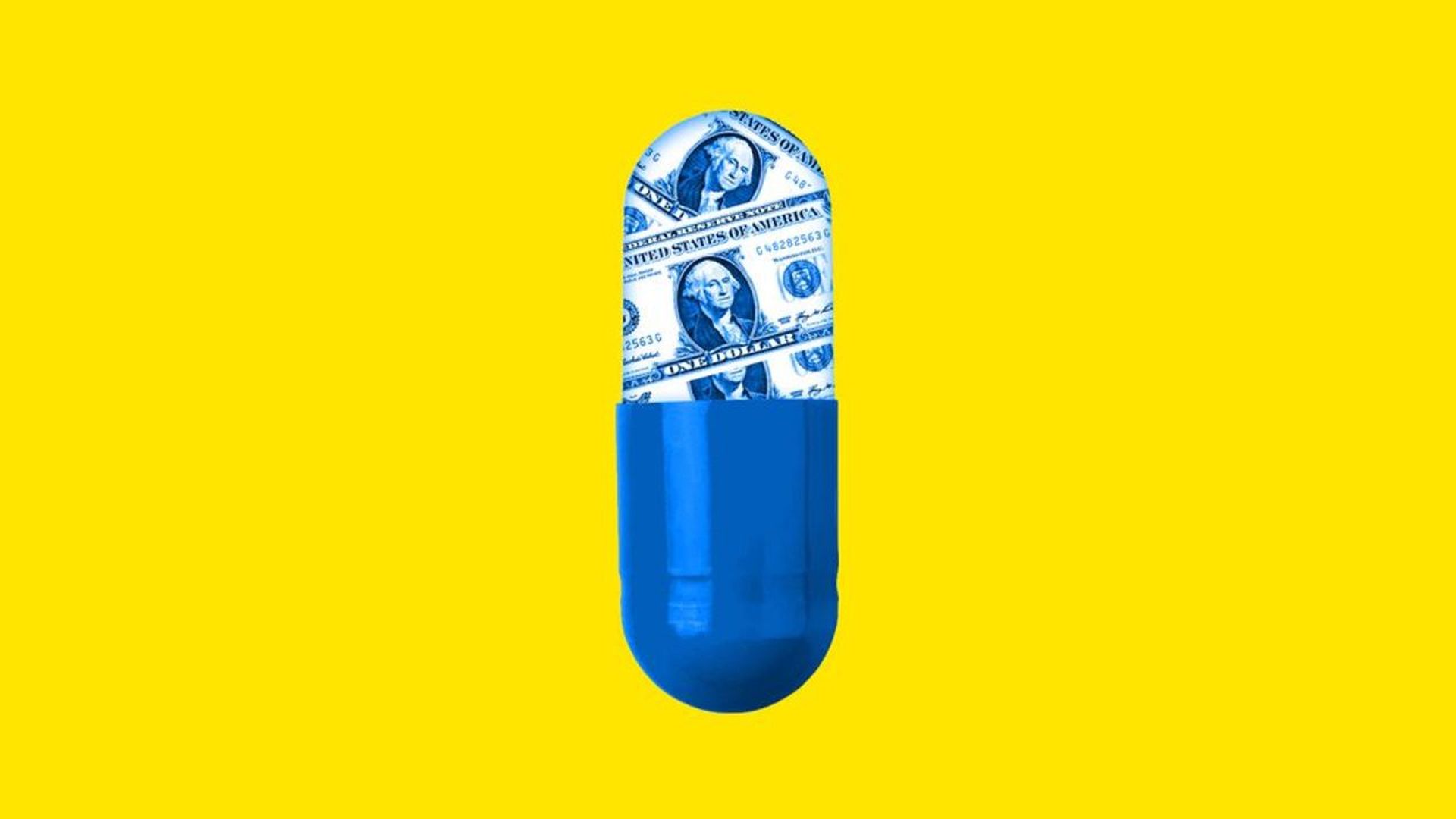
Medicare could have saved almost $80 billion, just in 2018, by matching the U.K.'s prices for prescription drugs that don't have any competition, according to a new study released in Health Affairs yesterday.
Why it matters: Medicare's drug benefit was designed to keep prices in check through competition. But competition doesn't always exist, and the U.S. doesn't have many options to keep prices down in those cases.
Three years ago, Gilead Sciences was generating record sales and profits on the back of its hepatitis C pills. Now, Gilead's medicines are playing second fiddle to a competitor, and the drug that started it all, Sovaldi, has been relegated to a footnote.
The big picture: Gilead's drugs were a major reason why pharmaceutical spending shot up in 2014 and 2015, as patients flocked to the high-priced pills that cure the disease for a vast majority of people. Sales have gone down considerably, due to competing drugs and restrictive insurance coverage, even though a large number of hepatitis C patients remain untreated.
The health care services that rack up the highest out-of-pocket costs for patients aren't the same ones that cost the most to the health care system overall.
Why it matters: Americans likely have a distorted view of what is costing them the most, which affects where consumers direct their ire after receiving expensive medical bills.