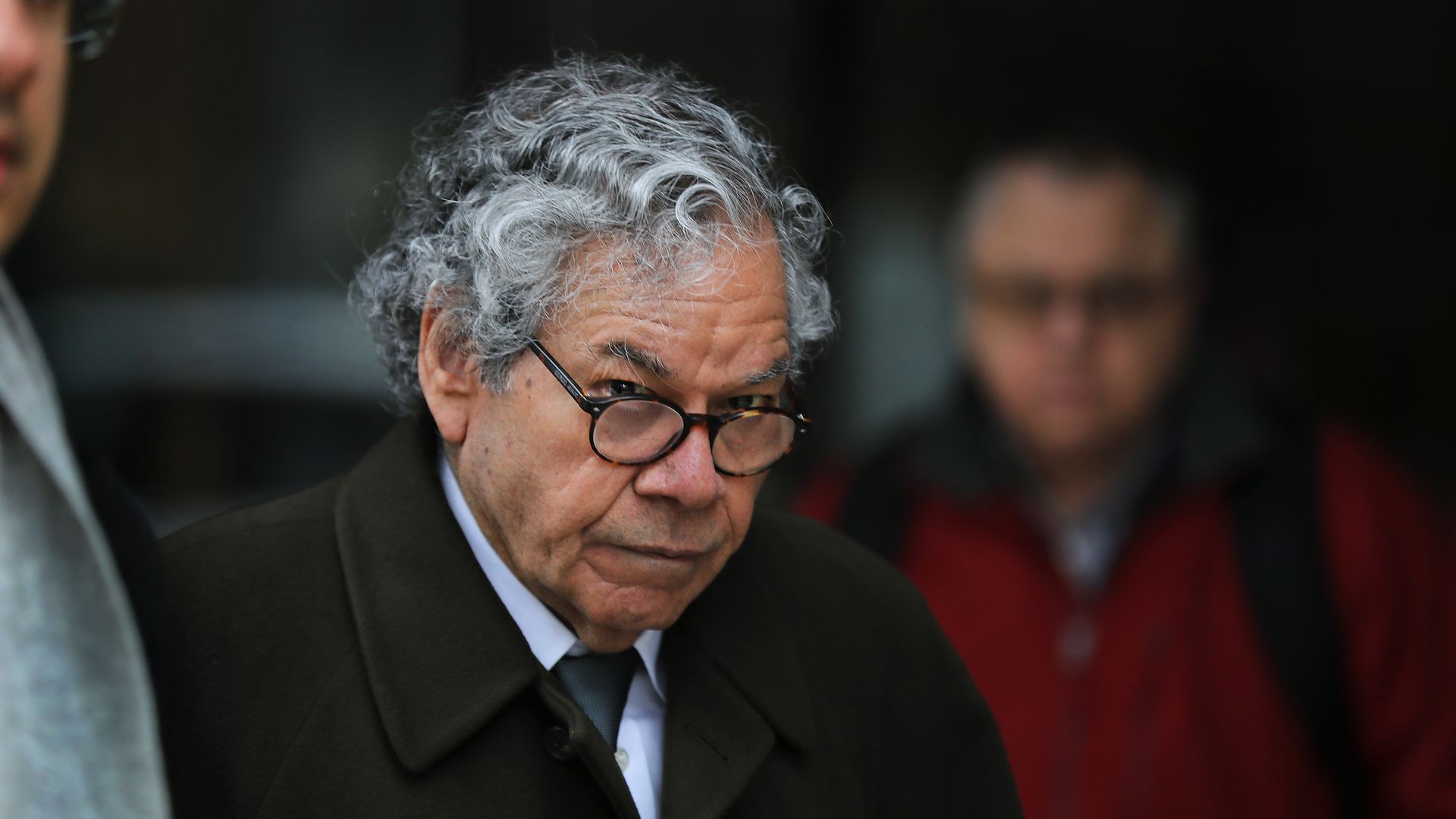
A jury has found John Kapoor, the founder and former CEO of Insys Therapeutics, and 4 other executives guilty of a scheme that involved bribing doctors to prescribe the company's powerful opioid, Subsys, for patients who didn't need it and tricking health insurers to pay for it, Reuters reports.
Why it matters: This trial was a high-profile affair that many people viewed as a referendum on Big Pharma's role in the national opioid crisis. Other major makers of painkillers, including Purdue Pharma and Johnson & Johnson, also are facing potential trials.
2020 Democratic candidate Pete Buttigieg's campaign walked back an initial statement Wednesday that he believes personal/religious exemptions should be allowed except during a public health emergency, with a campaign spokesperson telling CNN:
"Pete believes vaccines are safe and effective and are necessary to maintaining public health. There is no evidence that vaccines are unsafe, and he believes children should be immunized to protect their health. He is aware that in most states the law provides for some kinds of exemptions. He believes only medical exemptions should be allowed."
One vote prevented Medicaid expansion from moving forward yesterday in the Kansas state Senate, the Kansas City Star reports.
The big picture: Expansion has been a huge priority for newly-elected Gov. Laura Kelly, a Democrat. Still, flipping a governor's seat from red to blue isn't always enough to move Medicaid expansion forward.
Some states have stopped paying for public retirees' health care benefits in response to rising health care costs and squeezed budgets, the Wall Street Journal reports.
By the numbers: There's about a $600 billion gap between what states have promised retirees — mostly in health benefits — and what they have actually saved up, according to government data compiled by Eaton Vance Corp.
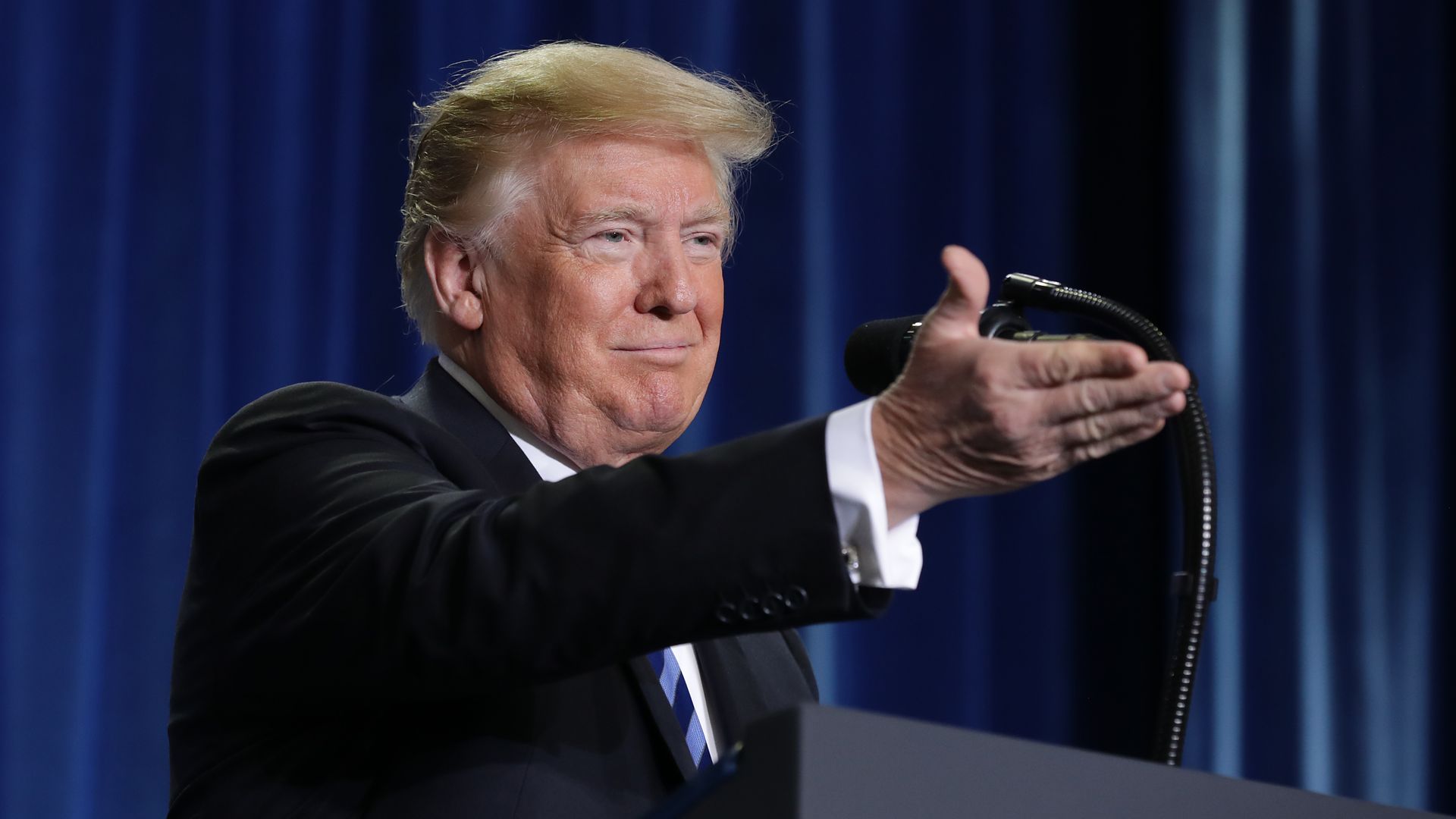
The Trump administration has laid out its full argument for why a federal appeals court should invalidate the entire Affordable Care Act — and it's a doozy.
The big picture: It comes down to "severability," and severability comes down to congressional intent. The thinking goes: if the ACA's individual mandate is unconstitutional — which is not a given — can other parts of the law function the way Congress intended?
A cruise ship with about 300 passengers and crew has been quarantined in the Caribbean after a passenger was confirmed to have the measles, reports NBC.
The big picture: This isn't the first instance of a quarantine throughout this year's the measles outbreaks, which have reached the highest level since the highly contagious virus was declared eradicated from the U.S. in 2000. Hundreds of college kids were quarantined in Los Angeles last week. Meanwhile, New York has also closed schools and barred unvaccinated children from public places.
The Food and Drug Administration yesterday cleared Philip Morris' iQOS, a new tobacco device designed as an alternative to traditional cigarettes — an announcement that falls smack-dab in the middle of a swelling push to control the fallout from Juul, another cigarette alternative.
Driving the news: The iQOS — which heats up sticks of tobacco instead of burning them — is in existence largely for the same reason as e-cigarettes. The FDA said it was cleared because "the products produce fewer or lower levels of some toxins than combustible cigarettes" and "IQOS users may be able to completely transition away from combustible cigarettes."
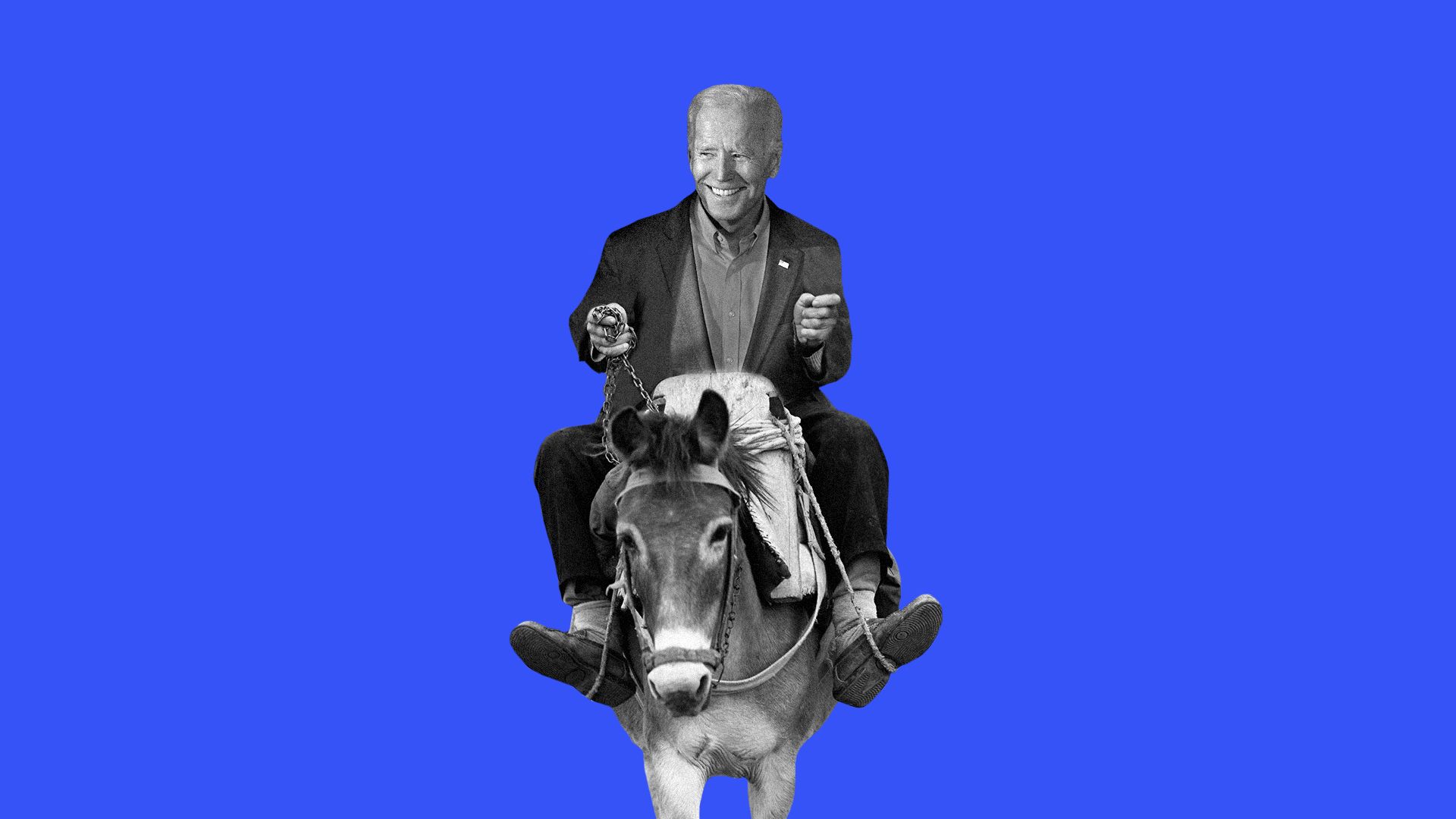
In the opening days of his 2020 campaign, former Vice President Joe Biden has gone all-in on the general election, positioning himself as the eventual Democratic nominee rather than scrapping with the 19 other wannabes.
Why it matters: This isn't an accident. Biden strategists believe the former V.P. has the luxury of thinking long term rather than scrambling for liberal street credibility.
There's been an explosion in spending on specialty drugs within Medicare's prescription drug benefit over the past decade, and it may be warping insurers' incentives to keep overall costs down.
The bottom line: A single expensive prescription now sends hundreds of thousands of beneficiaries straight into the benefit's "catastrophic phase," where the government picks up most of the tab and insurers have little incentive to manage costs.