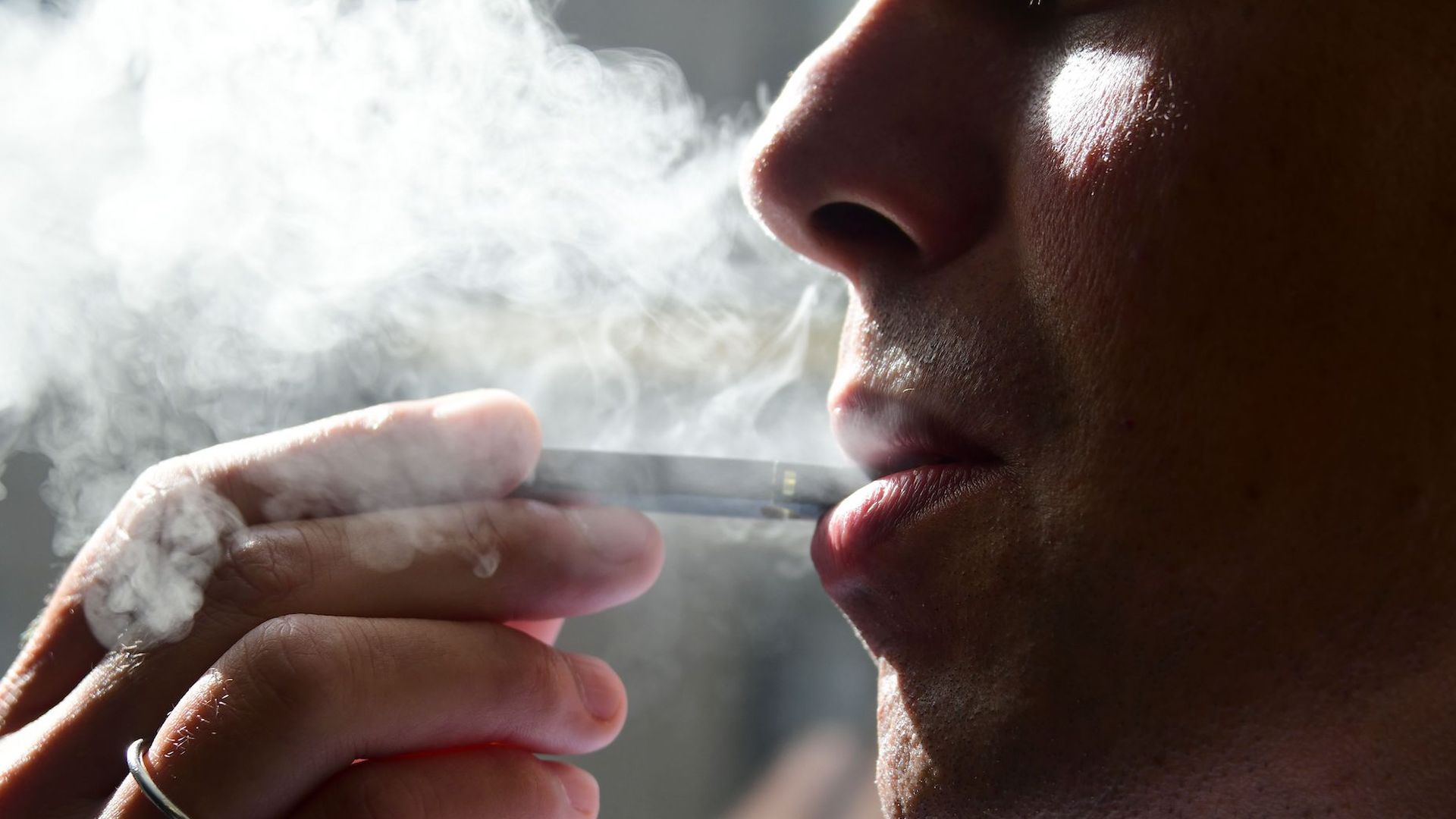
Some health officials and anti-tobacco groups worry that kids don't know that Juul is a type of e-cigarette, meaning the problem of youth vaping may be underreported, Bloomberg reports.
Why it matters: Teen vaping is already being treated as an epidemic, and both lawmakers and public health officials are considering drastic measures to crack down on it.
The Medicare for All debate is burning red-hot this week, while more incremental health care reforms inch forward out of the spotlight.
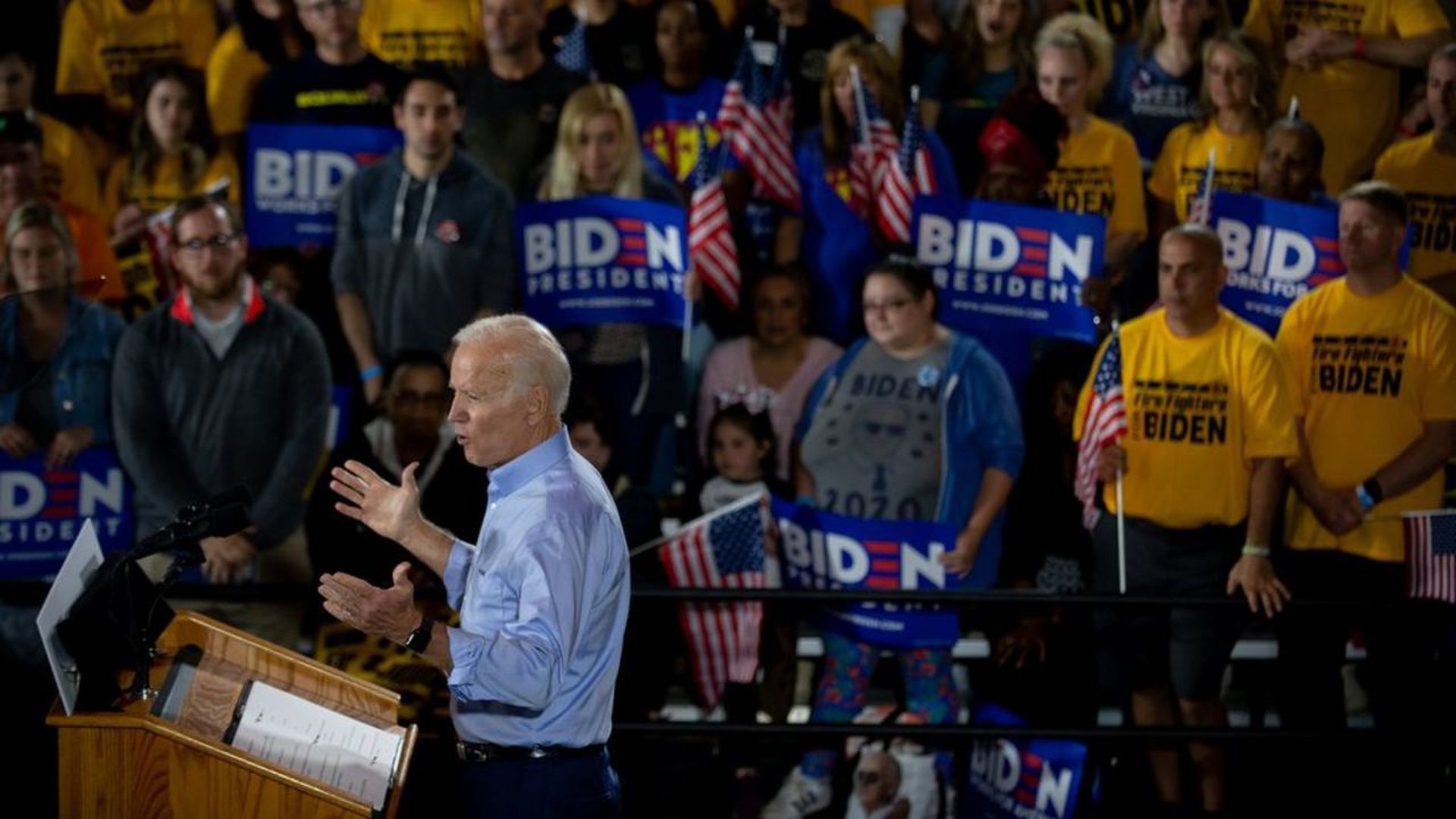
Driving the news: Former Vice President Joe Biden said in his first official campaign speech yesterday that he supports an optional Medicare buy-in, putting him at odds with the other Democratic front-runner, Sen. Bernie Sanders, on a key 2020 issue.
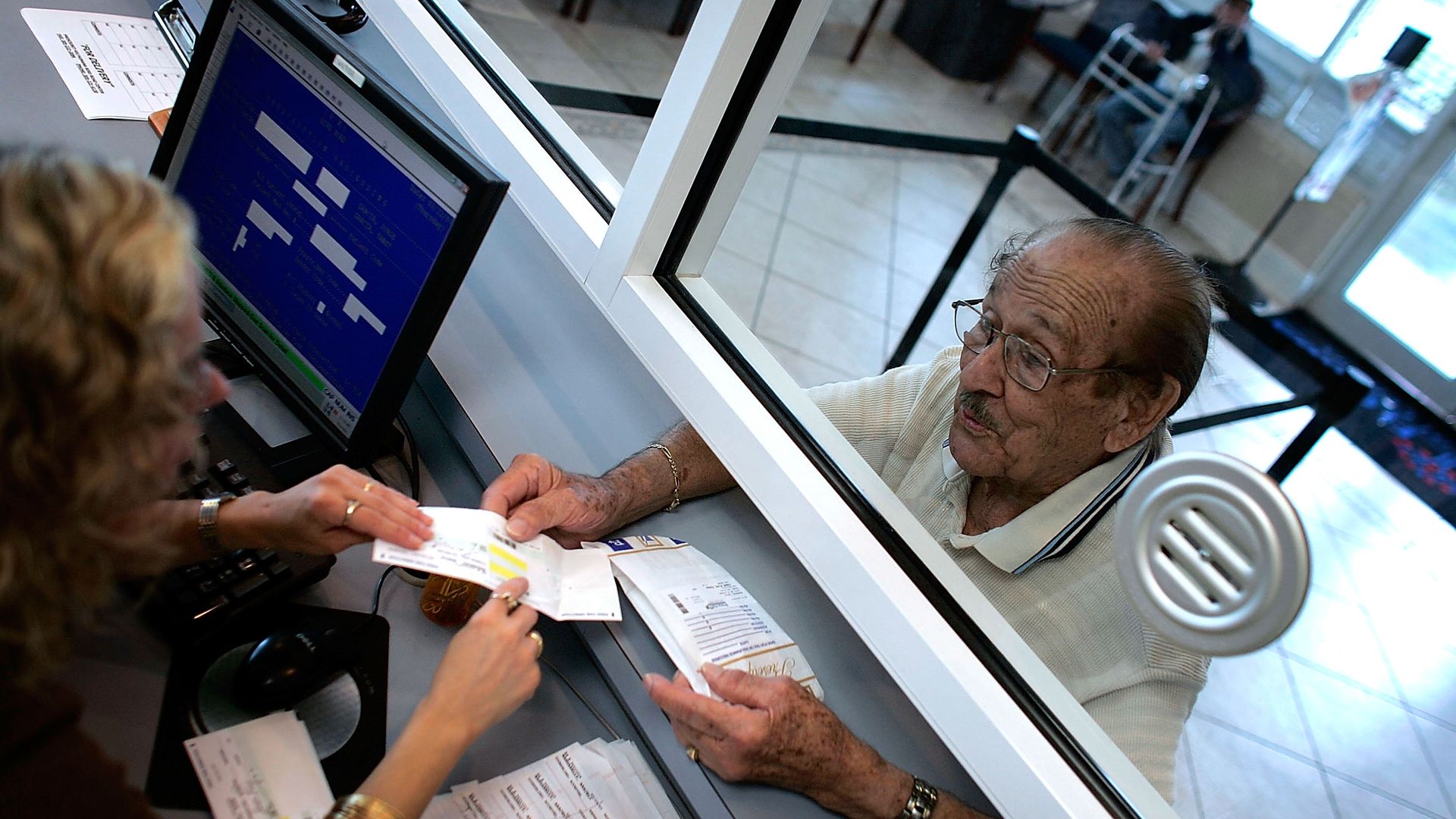
The 3 big health insurers that control a majority of Medicare's prescription drug coverage — CVS Health, Humana and UnitedHealth Group — are arguably the most at risk from the Trump administration's plan to eliminate rebates within Medicare.
The big picture: These companies rely heavily on rebates to offset the costs of covering seniors' prescriptions. Losing those rebates would shift billions of dollars away from them, and they could lose customers if they raise premiums to make up the difference.
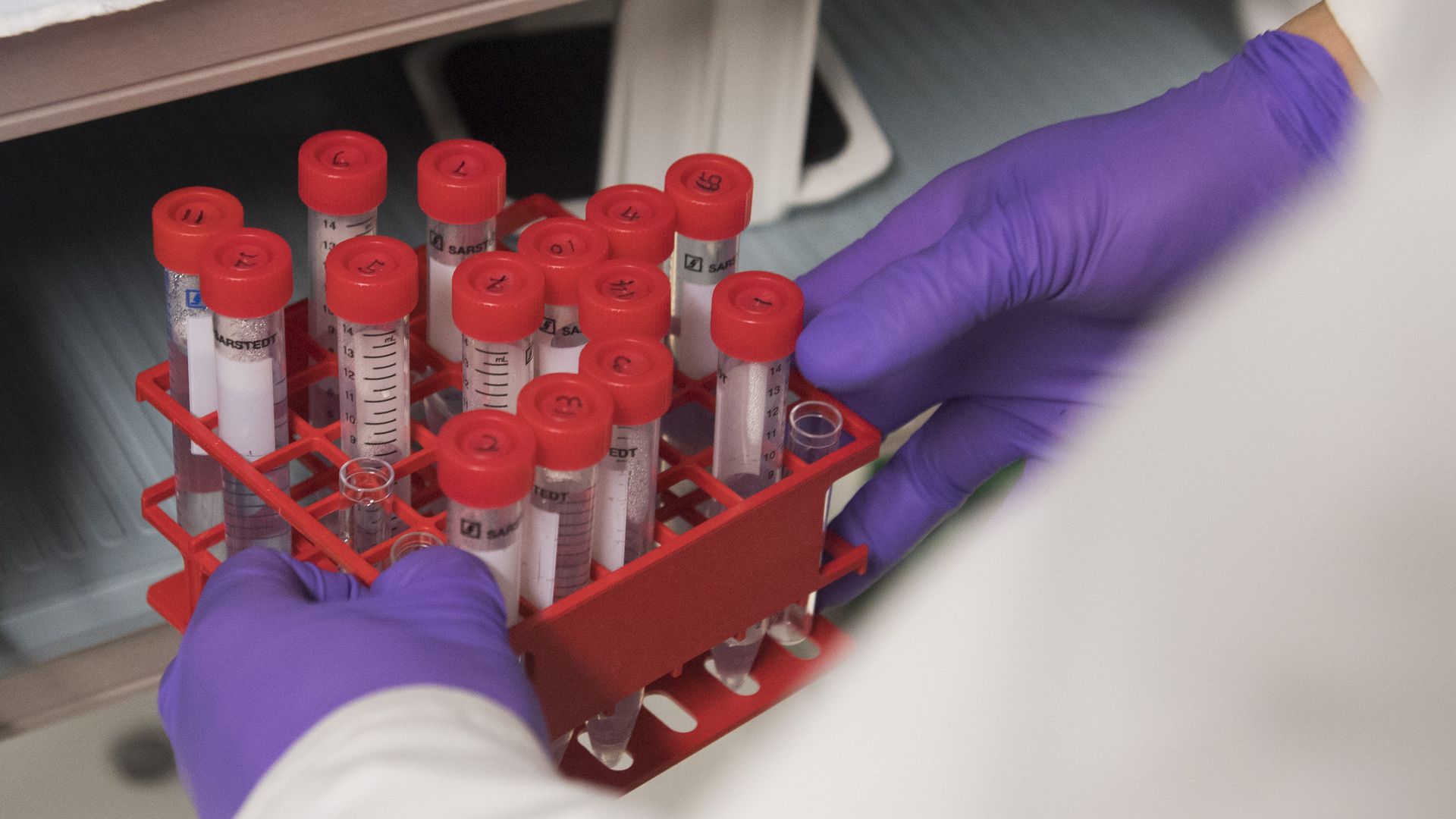
The record-large measles outbreaks occurring across 22 states continue to grow, with a total of 704 cases through Friday, according to new data released Monday by the Centers for Disease Control and Prevention.
Why it matters: U.S. measles outbreaks so far this year have eclipsed all other outbreaks in any year since the virus was declared eradicated in the country in 2000. The total number of cases has been dominated by three outbreaks in particular, including a large outbreak in Washington state, two ongoing outbreaks in New York and an ongoing outbreak in California.
The Trump administration proposed bumping up hospital payments for CAR-T cancer therapy last week, but the question of how to pay for these procedures — which are individualized for each patient — is far from settled.
The big picture: Hospitals don't want to keep losing money over this treatment, and that could affect who gets it. More CAR-T therapies are in the development pipeline, but competition isn't a sure-fire solution given its personalized nature.
Gross prescription drug spending appears to be on the rise. Preliminary data from the Bureau of Economic Analysis shows the amount spent on prescriptions in the first quarter of 2019 increased 7.1% year over year, the highest annualized growth rate since the fourth quarter of 2015.
Yes, but: The data points do not factor in the rebates and discounts that drug manufacturers pass along to industry middlemen. So that higher spending rate doesn't tell the full story, and real spending growth almost certainly is lower.